Diet Side Effects: Signs Your Body Is Sending You

Table of Contents
- Warning Signs Your Body Sends During Aggressive Weight Loss
- Increasing Cases of Side Effects from Indiscriminate Medication Use
- How Korean Medicine Views Diet Side Effects
- Points to Note When Using Diet Injections and Medications
- What You Can Start Doing Today for Healthy Weight Loss
- The Process of Finding Your Right Pace
You started dieting to lose weight, but at some point, your body started feeling different from before—this might sound familiar.
Warning Signs Your Body Sends During Aggressive Weight Loss
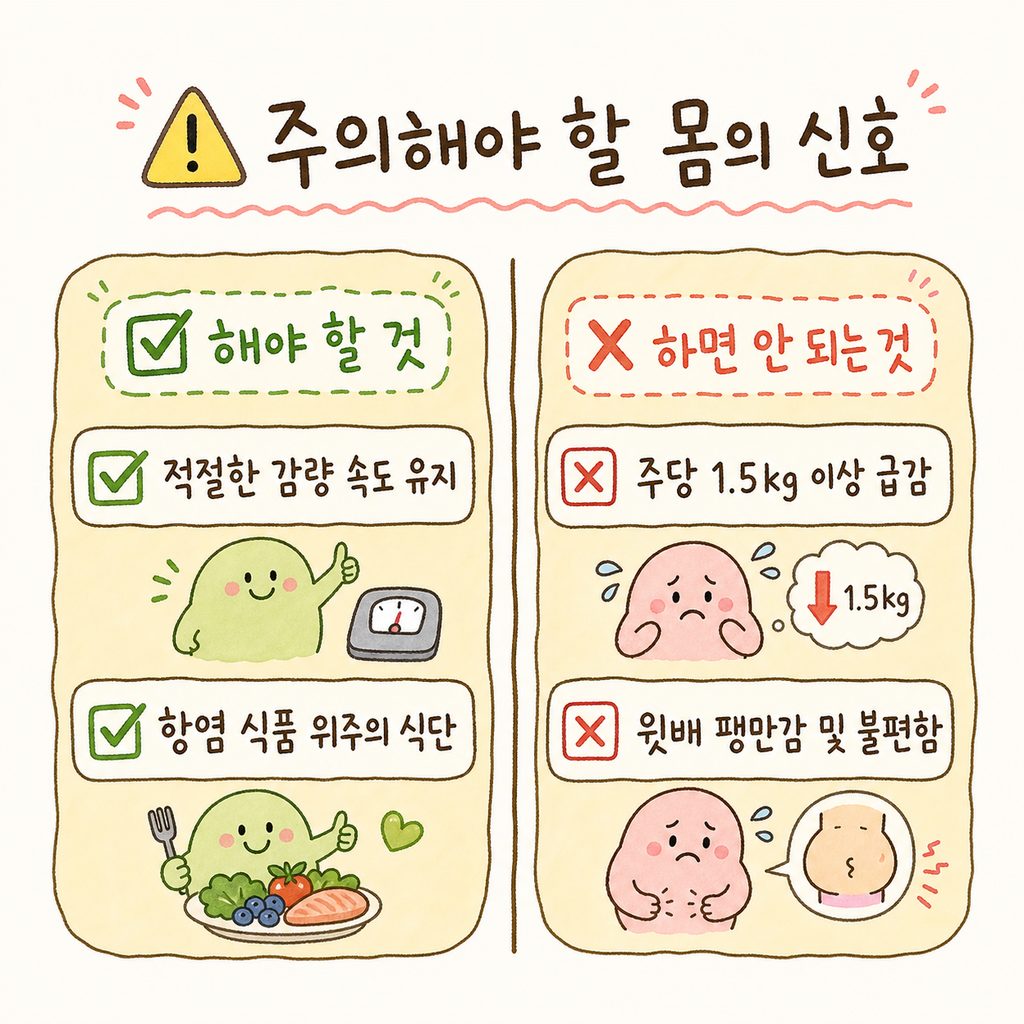
Seeing the numbers on the scale drop rapidly feels great. However, your body interprets this as a crisis situation. You should be particularly cautious if you're losing more than 1.5 kg per week or if you feel bloated and uncomfortable in your upper abdomen. Seeing pale, grayish stools can also be a warning sign from your body.
This isn't simply a problem caused by eating less. There's a concept called the Dietary Inflammatory Index (DII), which quantifies how dietary patterns affect inflammatory responses in the body. Low-grade chronic inflammation is known to lead not only to obesity but also to chronic diseases like cardiovascular disease, diabetes, and cancer. How you adjust what you eat influences inflammation levels, which ultimately becomes the seed of side effects.
Increasing Cases of Side Effects from Indiscriminate Medication Use
When meeting patients in the clinic, I often see people blindly following trending diet supplements or medications. In fact, over the past five years, there have been 2,068 reported cases of side effects or adverse reactions from consuming diet health supplements. Last year alone, 920 cases were reported, reflecting the surge in demand as social interest in weight management grew.
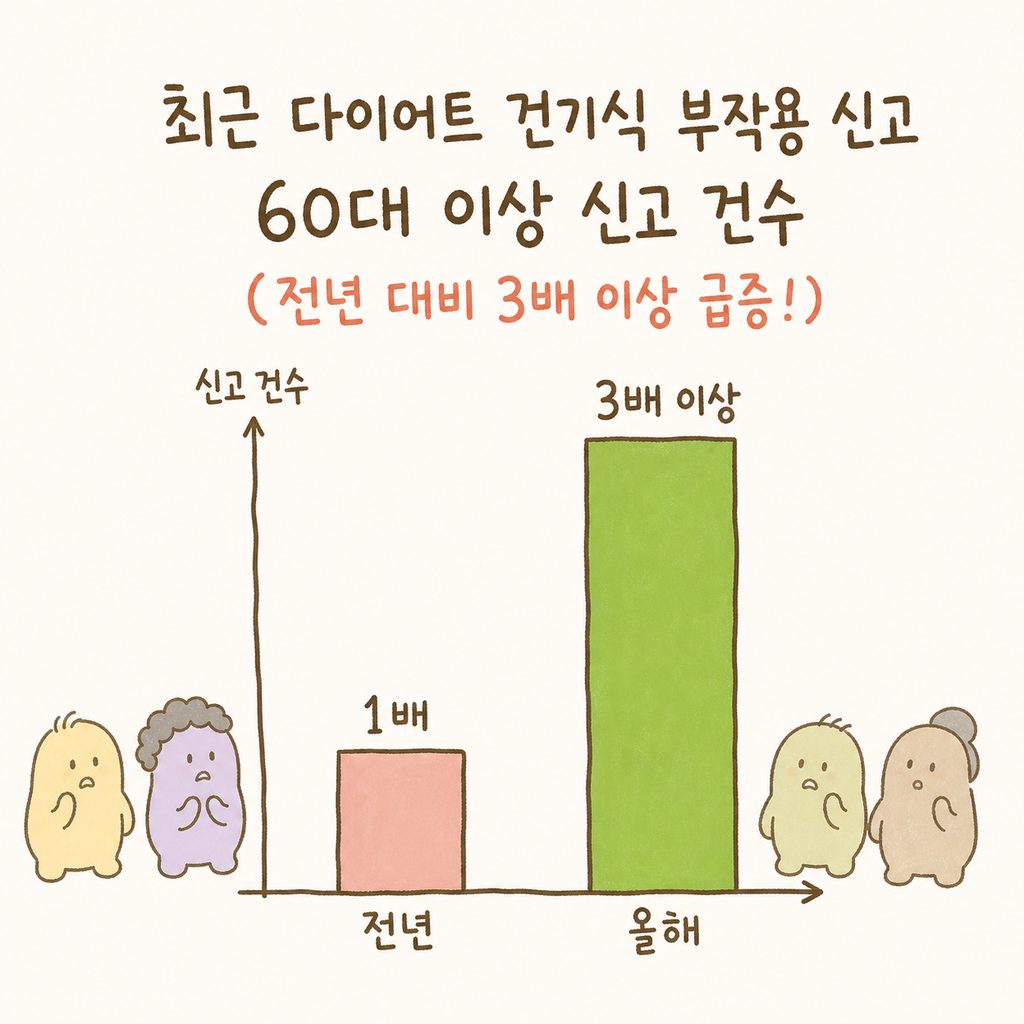
What's even more concerning is the age distribution. Among last year's reports, those aged 60 and over accounted for 279 cases, representing an increase of more than three times compared to the previous year (77 cases). Middle-aged and older adults have declining metabolism, so their bodies react more sensitively to individual ingredients. The same applies to oral appetite suppressants. One survey found that approximately 60% of users were taking these medications to lose weight without being diagnosed with obesity, and 73% of them experienced side effects.
How Korean Medicine Views Diet Side Effects
In Korean medicine, diet side effects aren't viewed merely as problems with the medication itself. Rather, they're understood as a state where the body's overall balance and metabolic flow have been disrupted. Forcefully suppressing appetite leads to stagnation of qi and blood circulation, which inevitably results in emotional anxiety or lethargy.

Recent research has highlighted metabolic activation mechanisms such as the browning of white adipose tissue as keys to solving obesity. Rather than forcing yourself to starve to reduce numbers, what's important is inducing a "constitutional change" that helps your body use energy more efficiently. Restoring the metabolic system to normal—that's the core of side-effect-free weight loss.
Points to Note When Using Diet Injections and Medications
GLP-1 based medications, which are gaining attention these days, help reduce weight by suppressing appetite and slowing gastric emptying. Since they were originally developed as diabetes medications, it's true that they offer benefits for blood sugar regulation and weight loss. However, experts unanimously agree that outcomes vary dramatically depending on how they're used.

With the wrong approach, you lose the expected benefits while the risks of side effects increase. Prescription medications must always go through proper medical examination and prescription by a doctor, and strict management to prevent misuse is essential. One-size-fits-all medication use without monitoring your body's condition can actually become a shortcut to damaging your health. Please keep this one point in mind.
What You Can Start Doing Today for Healthy Weight Loss
So, what should you do to lose weight healthily while minimizing side effects? First, be wary of rapid weight changes. As mentioned earlier, properly controlling your weekly weight loss rate comes first.
You should also check whether your diet is triggering inflammation in your body. Try reducing refined carbohydrates and sugar, and plan your meals around natural foods that help fight inflammation. Rather than relying on nutritional supplements or aids, you need the habit of listening to the small signals your body sends. If you feel dizzy or severely fatigued, it's wise to pause, rest, or seek a professional.
The Process of Finding Your Right Pace
Weight management isn't a short sprint; it's a journey that requires endurance. Methods that worked for others might be poison for you. Drug responses vary greatly depending on race, constitution, and underlying conditions. That's precisely why one study analyzed the effects of weight loss interventions across diverse populations, including racial minorities. A personalized approach tailored to the individual is most important.
Don't be too impatient. Numbers achieved by harming your body will inevitably come back. Accurately understanding your constitution and finding ways to activate your metabolism accordingly is ultimately the fastest path.
Rather than struggling alone and trying extreme methods, I recommend starting by getting an accurate diagnosis of your current body condition. With the Baekrokdam program, you can receive systematic management tailored to your constitution, allowing you to expect healthier and more effective results. Next time I see you in the clinic, please tell me in detail what aspects have been challenging for you.
References