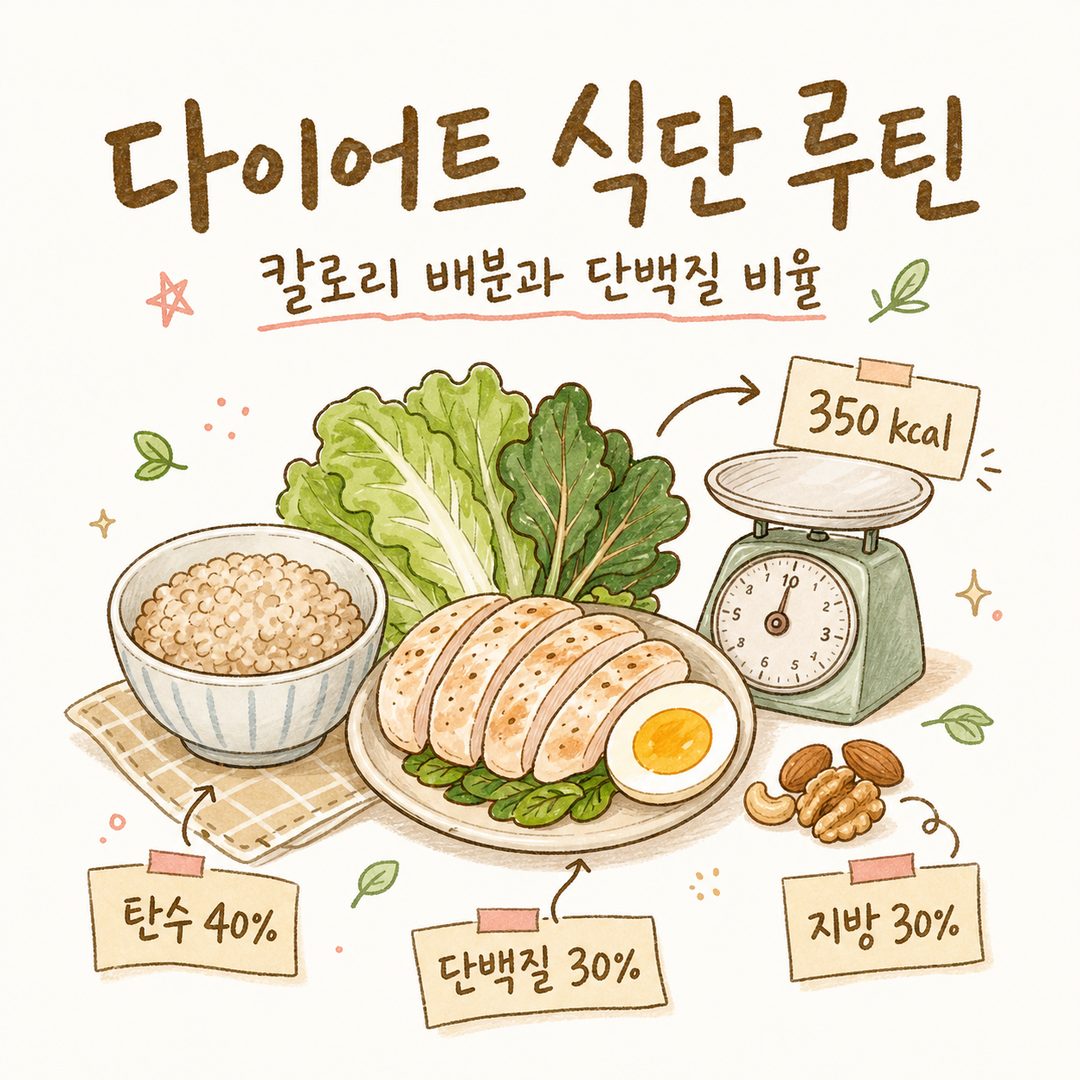
4-Week Diet Routine: Calorie & Protein Balance

Table of Contents
Many people start their diet with great enthusiasm, only to feel lost about what to eat after a few days and return to their old eating habits. In my practice, I often hear patients say, 'Doctor, I can't eat just chicken breast and salad anymore after a week.'
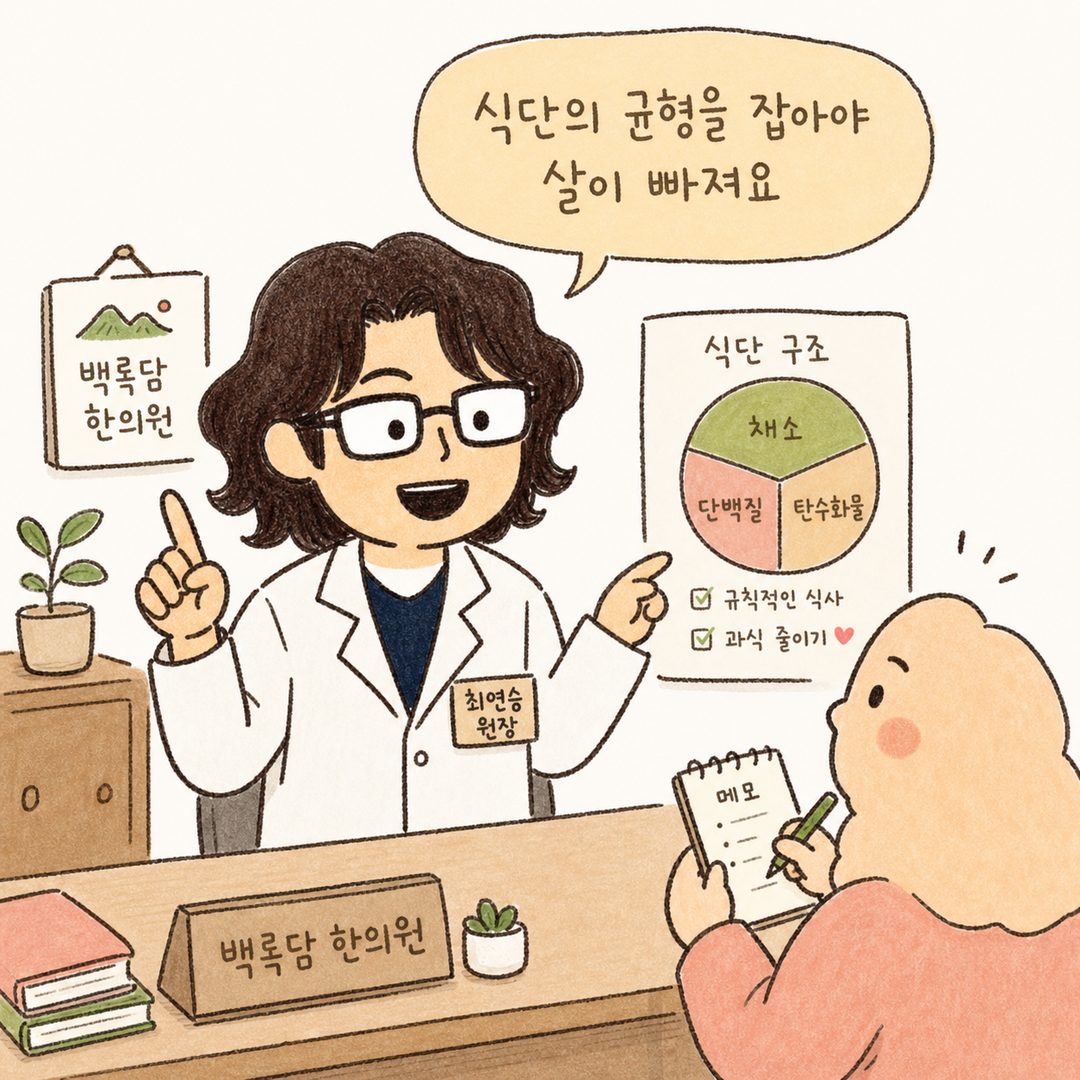
The Real Reason You're Not Losing Weight Lies in Dietary Balance
When examining the eating habits of those struggling with weight management, the issue often isn't the calories themselves but rather imbalanced composition. One nutritional content emphasizes that the most important approach to a weight management diet is reducing total caloric intake while maintaining a balanced intake of protein, vegetables, and appropriate carbohydrates. Recommendations to prioritize low-glycemic index foods like whole grains, oatmeal, brown rice, and sweet potatoes over white rice and bread follow the same principle.
Simply put, eating a meal heavy in carbohydrates without protein, or conversely, replacing a meal with just a protein shake, can disrupt satiety and lead to overeating at the next meal. Similarly, excessive consumption of fried foods, sweet and salty foods, alcohol, and soups can reduce diet efficiency.
Basic Principles in Numbers
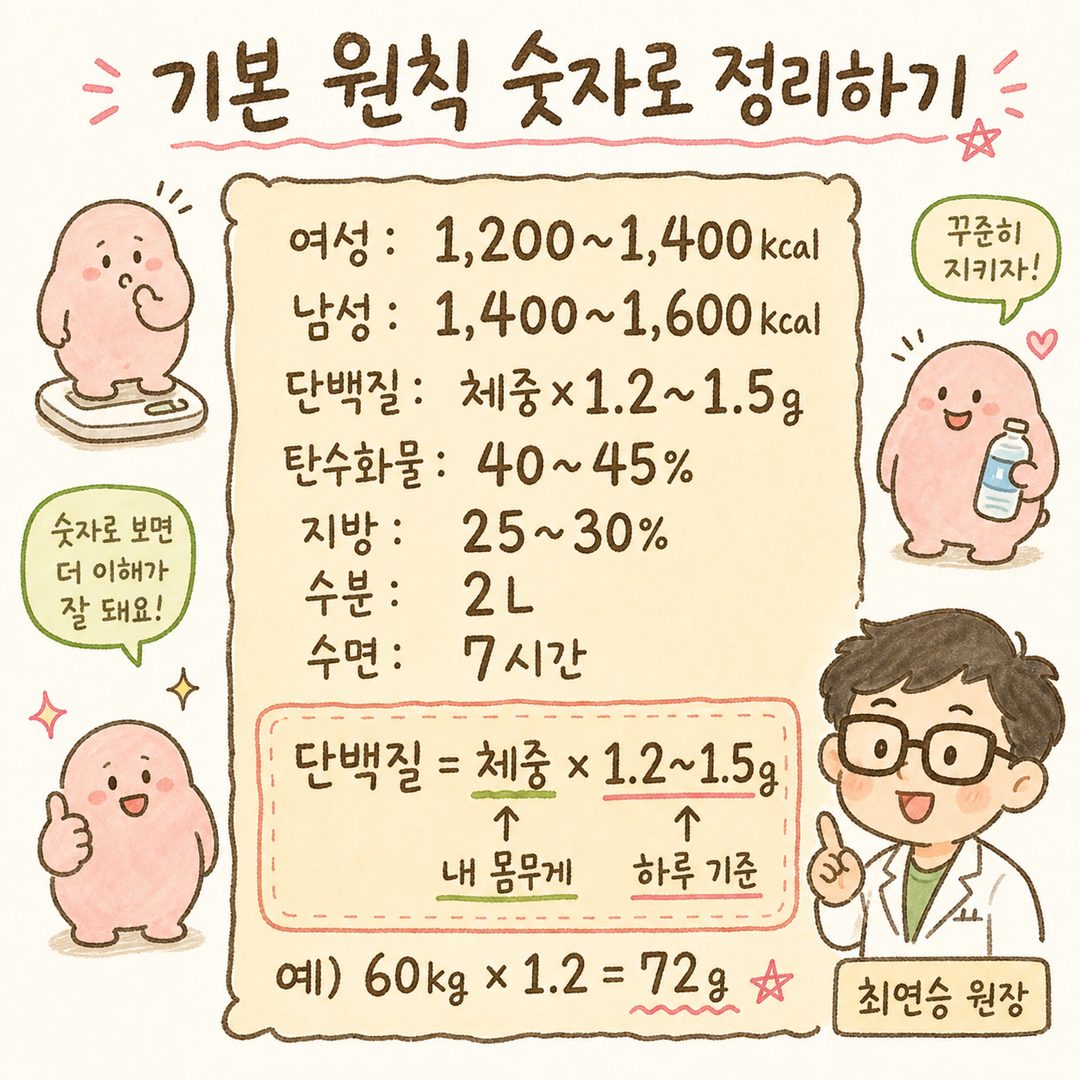
When establishing a routine, organizing it with numbers helps maintain consistency. Here are the basic principles from a weight management guide:
A healthy weight loss rate is approximately 0.5~1kg per week
For women with low activity levels, start with 1,200~1,400kcal daily, and for men, 1,400~1,600kcal, adjusting based on weight changes
Recommended ratios: protein 1.2~1.5g per kg of body weight, carbohydrates 40~45%, and fats 25~30%
Also recommended: over 2L of water daily, 7 hours of sleep, and avoiding late-night meals 3 hours before bedtime
For meal-by-meal calorie distribution, common examples include breakfast 200~300kcal, lunch 500~700kcal, snacks 100~200kcal, and dinner 300~400kcal. You don't need to be exact from the start—use this as a guide to check where you might be imbalanced.
Actual 4-Week Routine Flow
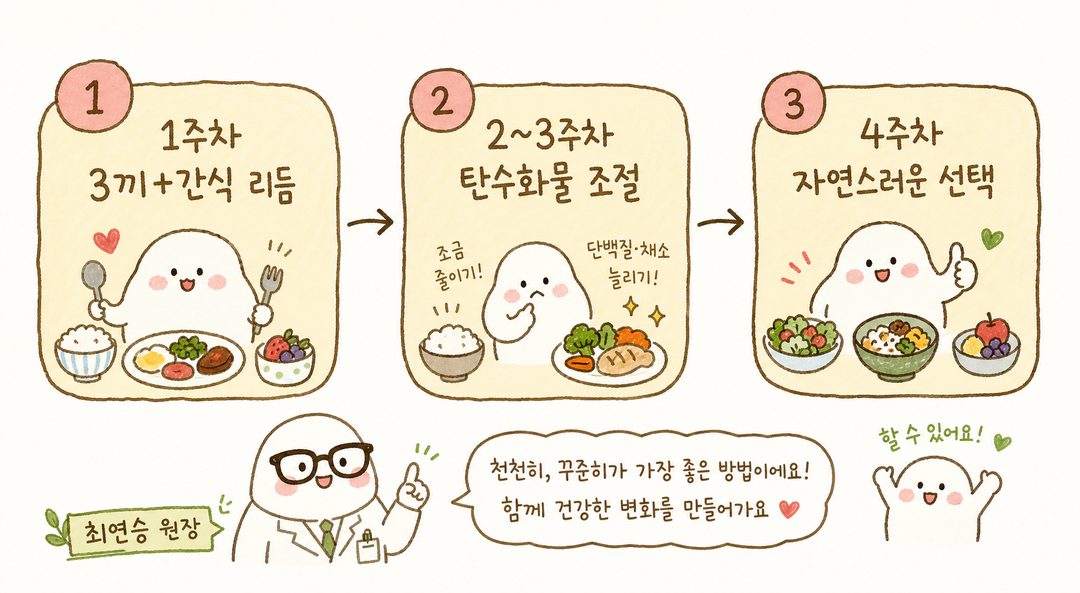
Here's the 4-week meal routine I've developed with patients in the clinic. In Week 1, focus on establishing a rhythm of 3 meals + 1-2 protein snacks without skipping meals. Start lightly with breakfast—2 boiled eggs with vegetables and a handful of nuts. For lunch, maintain a regular meal but slightly reduce rice portions while increasing protein and vegetables. For dinner, reduce rice and focus on protein + vegetables for a light finish.
By Weeks 2-3, gradually adjust carbohydrates over 2-4 weeks to establish a natural pattern. Many patients find success with about one bowl of brown rice for lunch and a light dinner of salad with chicken breast or fish. By Week 4, they naturally choose healthier options like grilled, steamed, or shabu-shabu when dining out. While not a dramatic change, the biggest achievement is being able to explain and understand their own eating patterns.
Baekrokdam's Perspective on Diet Routines
When we help patients with meal planning, our primary consideration is "Can this person maintain this diet after a month?" Extreme diets consisting only of chicken breast and salad might lead to short-term weight loss, but they're less meaningful if the patient can't sustain them, even with Korean herbal medicine.
That's why we recommend maintaining the patient's usual meal structure while incorporating protein into every meal and shifting carbohydrate sources to whole grains and sweet potatoes. We also apply general nutritional advice to include plenty of fiber-rich vegetables and small amounts of healthy fats like nuts, olive oil, and fish. While Korean medicine considers constitutional factors like digestive function and water metabolism, the basic dietary framework must be solid for any treatment—whether herbal medicine or acupuncture—to be effective.
Actionable Tips You Can Start Today
For those starting a routine, here are simple first-month action points:
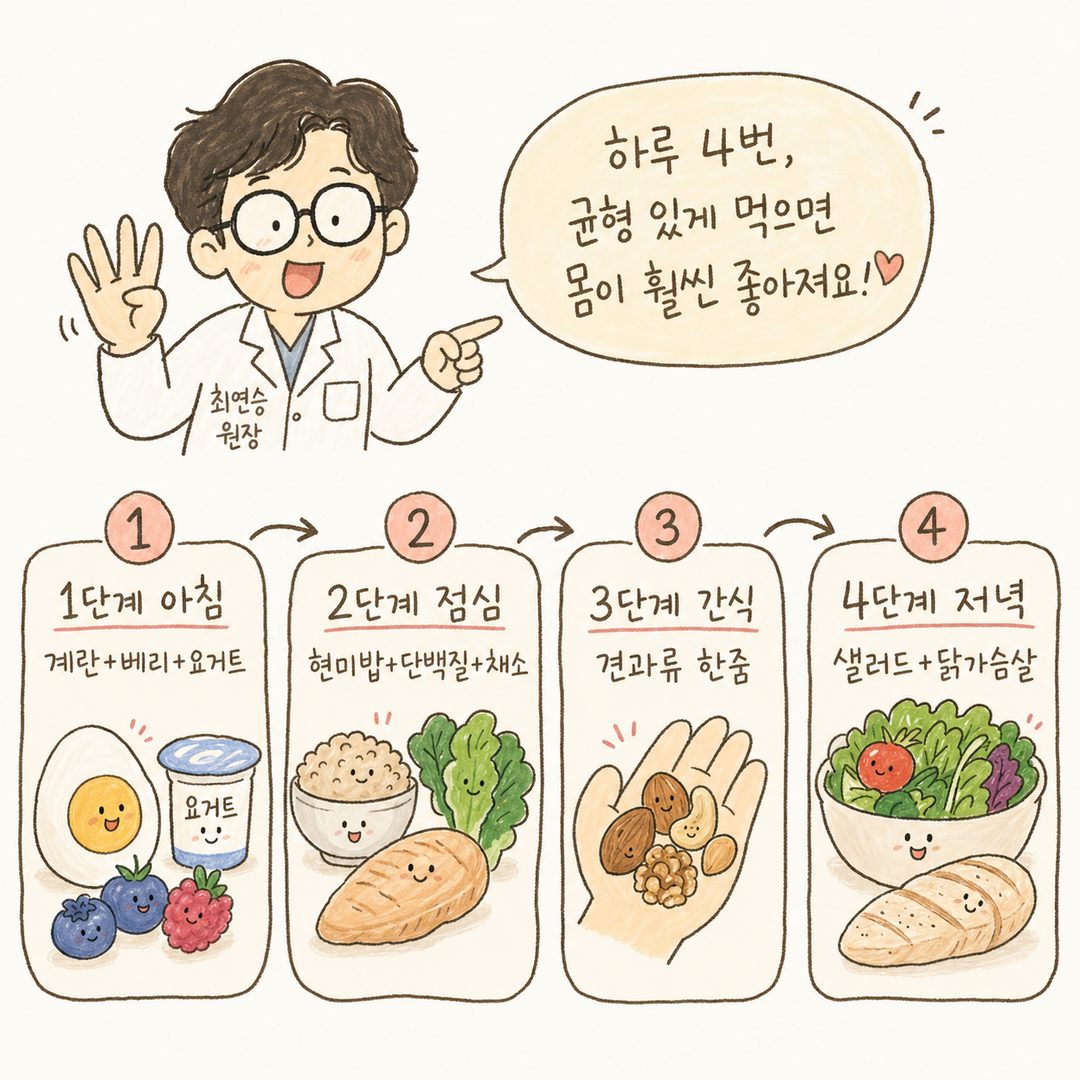
Start breakfast with protein like Greek yogurt + berries + 1-2 boiled eggs or oatmeal + milk/soy milk
For lunch, have about one bowl of brown rice with chicken breast/fish/tofu, plus salad or namul (seasoned vegetables)
For snacks, keep nuts, a box of soy milk, or a small portion of fruit handy to reduce impulsive snacking
End the day with a light dinner of salad topped with protein like eggs, chicken breast, or fish
Before exercise, have easily digestible carbohydrates like bananas or sweet potatoes in small amounts
Don't overdo exercise either. One guide recommends beginners start with 2-3 days a week, 20-30 minutes of light exercise. As you get comfortable, gradually increase to 3-5 days of cardio (30-60 minutes) and 2-3 days of strength training per week.
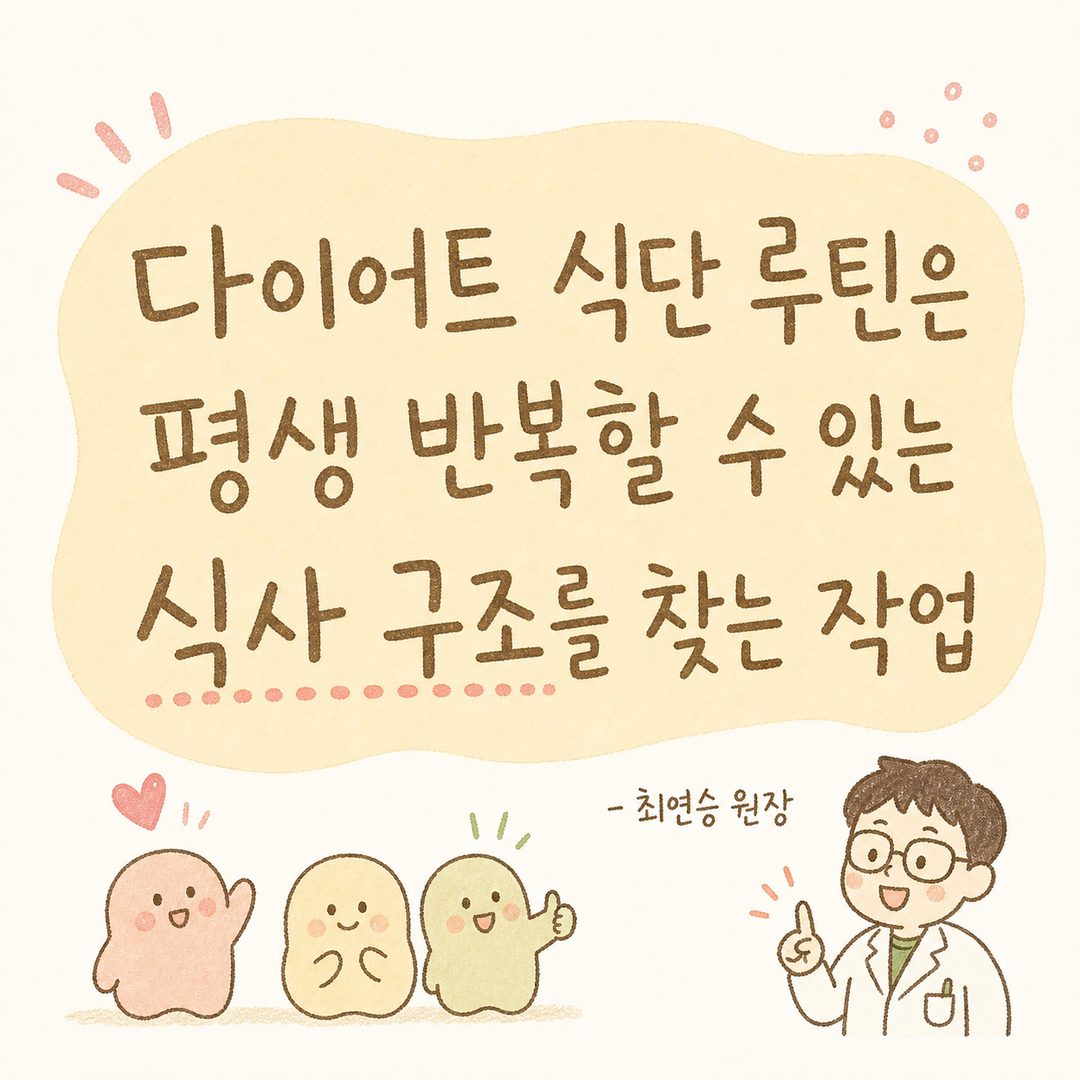
A diet routine is about finding "an eating structure you can maintain for life" within a month. If you're feeling overwhelmed planning alone, or if you're following a diet but not seeing results, visit Baekrokdam Korean Medicine Clinic. We'll carefully assess your constitution and lifestyle to discuss a suitable meal routine and whether to combine it with Korean herbal medicine. Rather than extreme fasting, let's start by creating a routine you can maintain.