Diet Lunch Boxes: Calories, Protein, and Meal Planning

Table of Contents
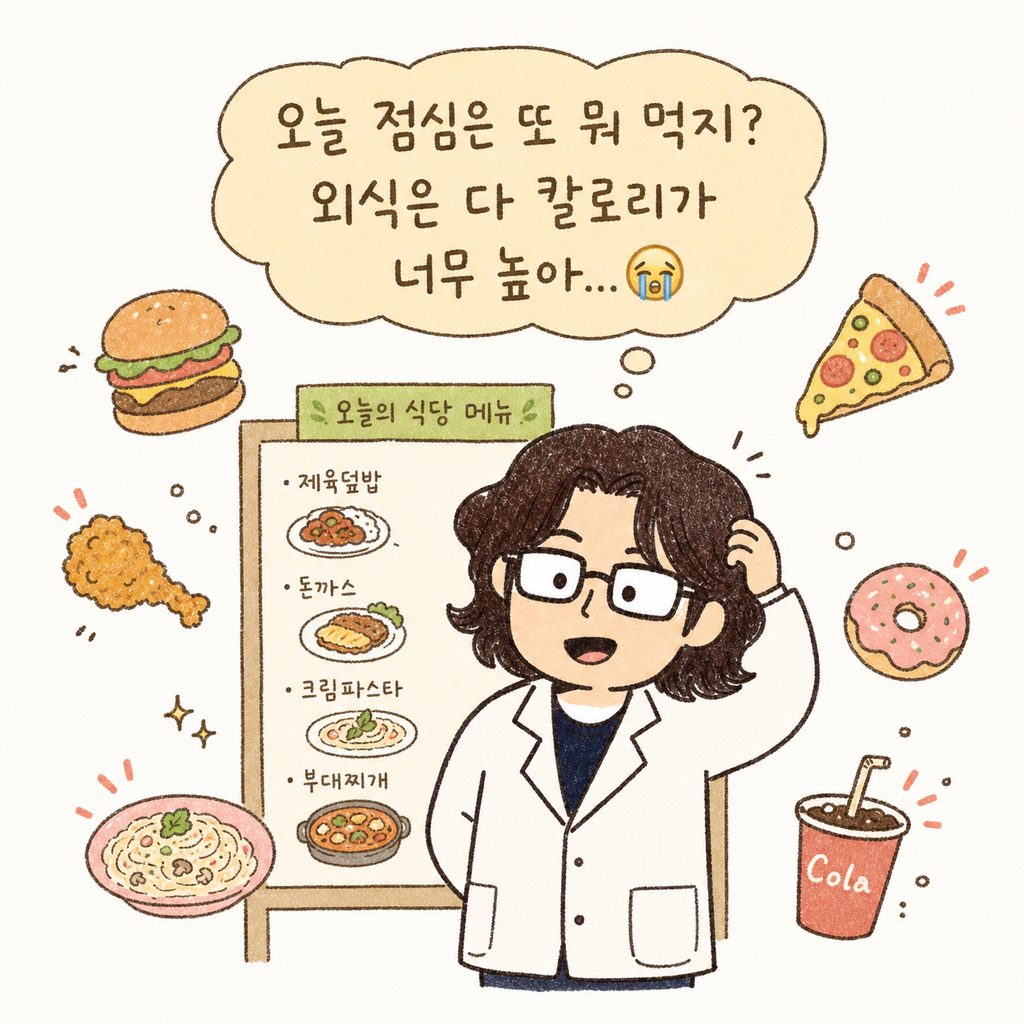
Deciding what to eat for lunch every day is a major source of stress for those on a diet. In professional life, eating out often means high-calorie meals, leading many to pack their own lunch boxes. But once you sit down to prepare one, it's hard to know what and how much to include.
Prioritize Proper Calories Over Starvation
The first thing to consider for a diet lunch box is total calories. Instead of simply reducing the amount of food, the shortcut to preventing the yo-yo effect is to gradually lose weight while providing the minimum energy your body needs.
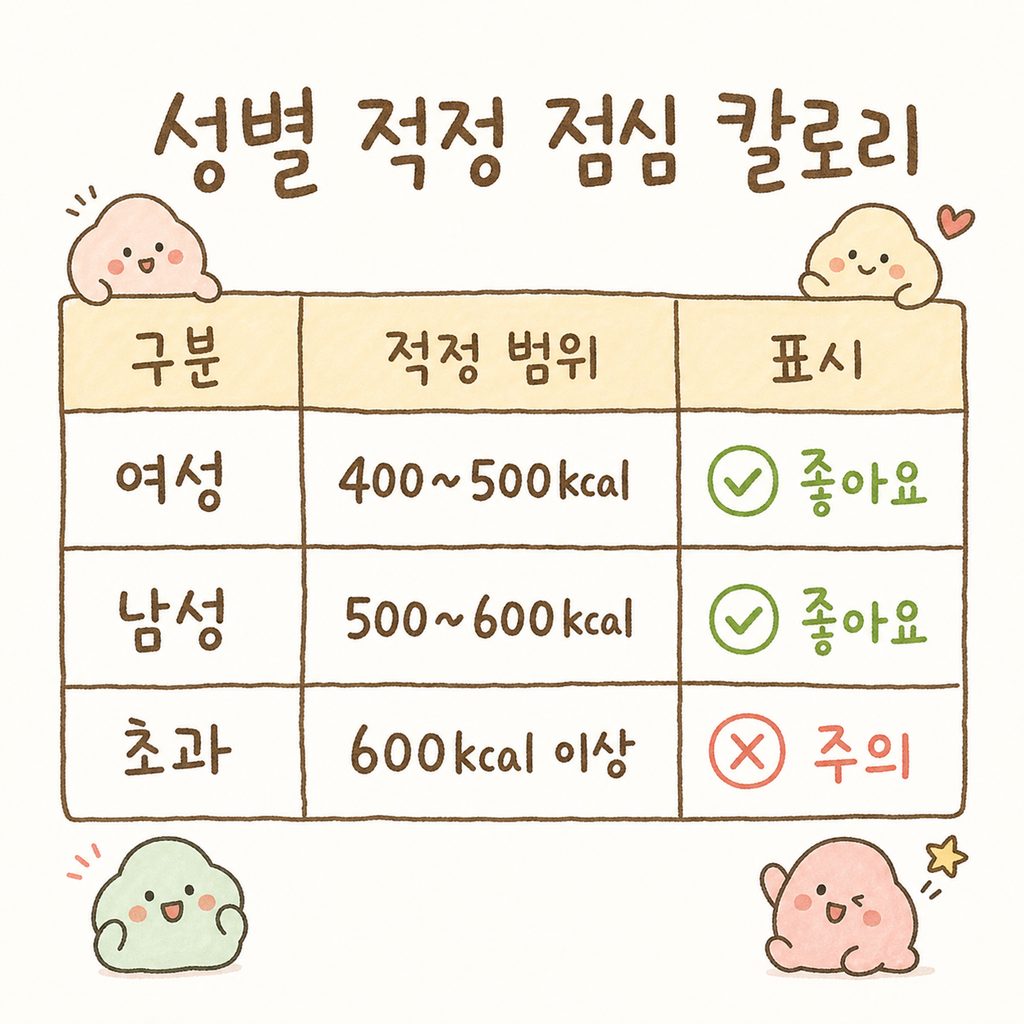
According to obesity management guidelines used in clinical practice, the most common method is to subtract about 500 kcal per day from the calories needed to maintain your current weight. Applying this to a single lunch, a range of about 400–600 kcal is ideal for weight loss. Specifically, 400–500 kcal for women and 500–600 kcal for men is appropriate. Meeting this calorie intake helps maintain focus during afternoon work and reduces the urge to binge eat in the evening.
Distributing Protein Intake Reduces Snack Cravings
Simply hitting a calorie target isn't enough for a successful diet. The real key lies in how you distribute nutrients, and protein is particularly crucial.
One study showed that when daily protein requirements were evenly distributed across three meals, women tended to reach for high-calorie snacks less often and experienced fewer cravings. Ensuring sufficient protein at lunch makes it much easier to resist the cookies or bread you might mindlessly grab in the afternoon.
To maintain satiety for longer, it is recommended to include at least 20g of protein and 8–10g of fiber per meal. For example, adding just 100g of grilled chicken breast provides 23–25g of protein, making for a very satisfying meal.
Diet and Metabolism: The Baekrokdam Clinic Perspective
In Korean medicine, weight management is not viewed simply as "eating less." It is seen as a process of enhancing the body's metabolism efficiency. If you suddenly cut out carbohydrates or insist on an excessively low-calorie diet, the body perceives this as a crisis and actually lowers the metabolic rate. This is how the so-called "constitution that doesn't lose weight easily" is formed.
Therefore, I always emphasize a composition that prevents blood sugar spikes to my patients. Refined carbohydrates like white rice or bread cause blood sugar to rise rapidly, triggering a massive release of insulin, which easily leads to body fat accumulation. Instead, it's important to receive energy slowly through complex carbohydrates like brown rice, oats, or sweet potatoes. Even a slight change in the eating order—consuming enough vegetables first to create a fiber barrier before eating protein and carbs—can be a great help in regulating the absorption rate.
How to Pack a Fail-Proof Lunch Box
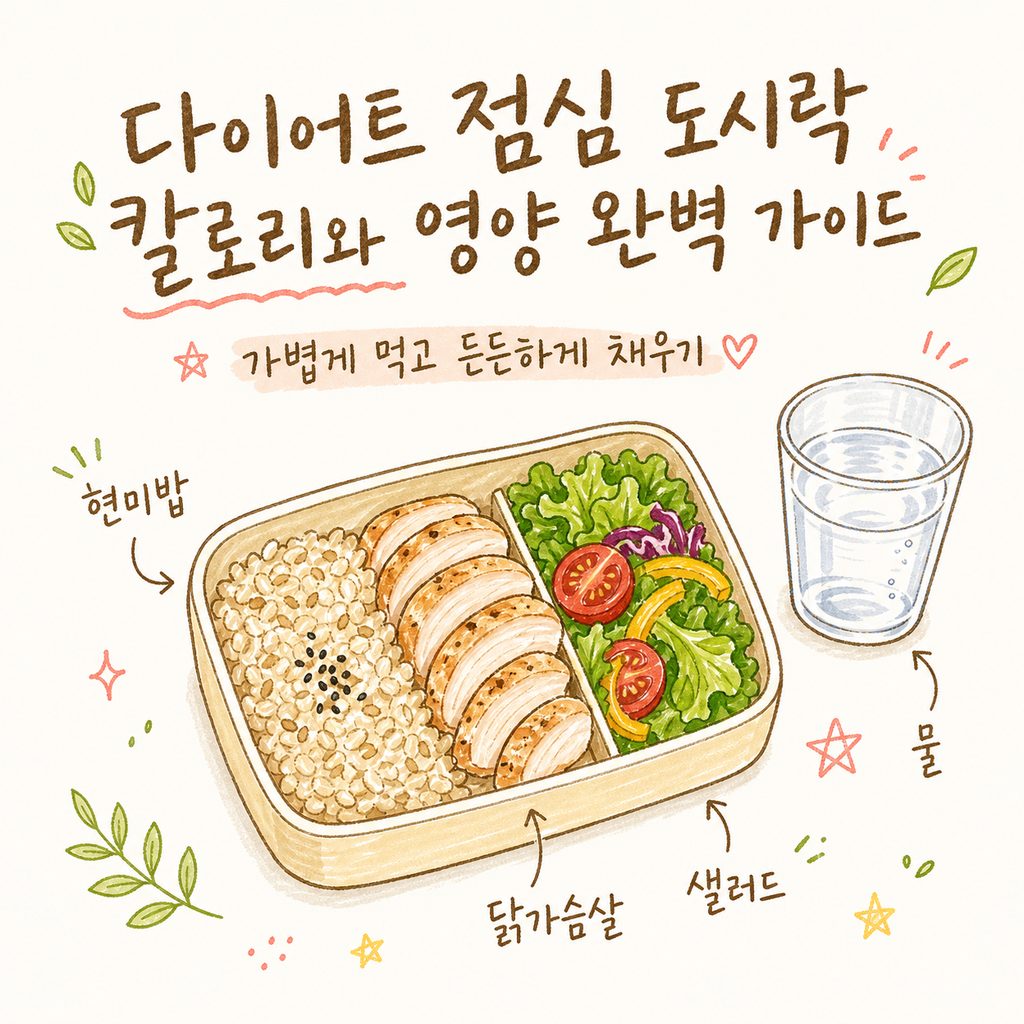
Here is a specific guide on how to fill your lunch box effectively.
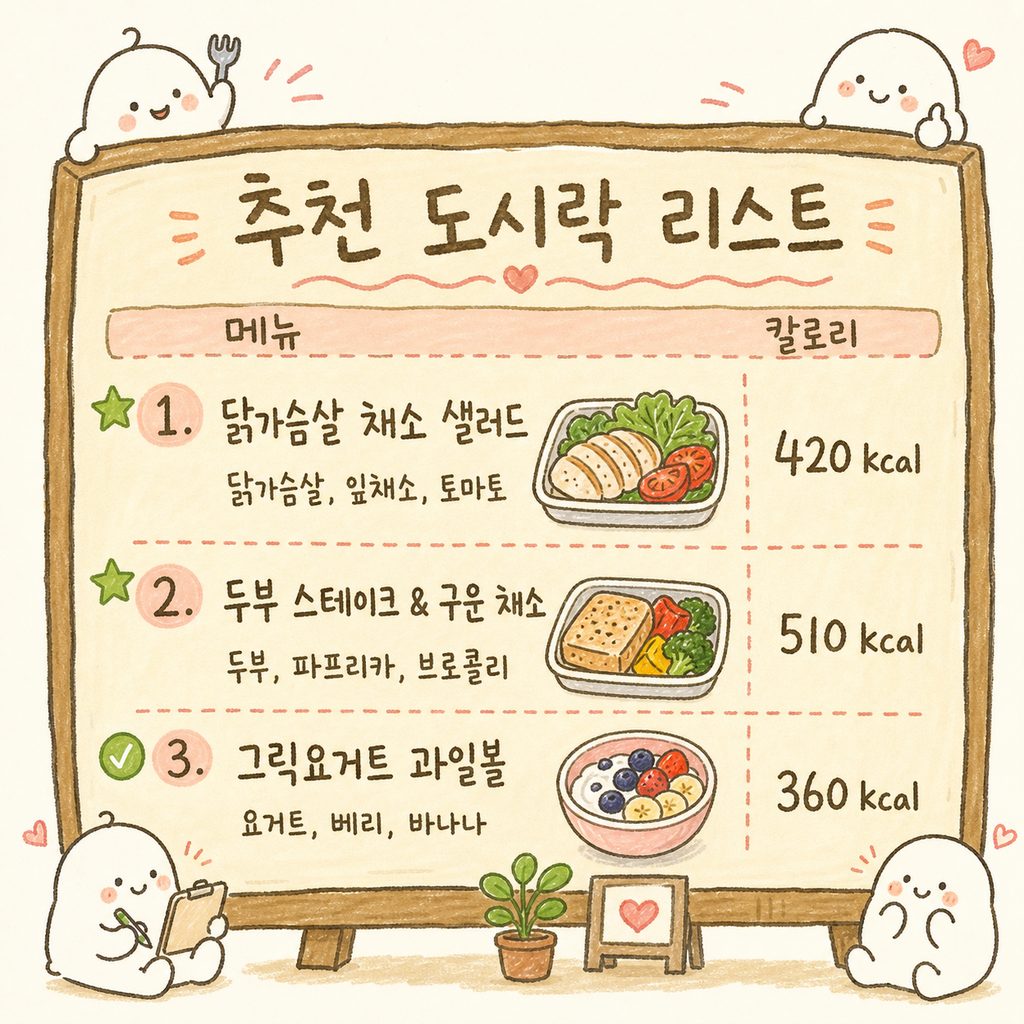

1. Nutrient Composition Ratio The most efficient ratio is 40–50% carbohydrates, 25–30% protein, and 20–30% fat.
Carbohydrates: Pack a small portion (about 1/2 bowl, approx. 100g, within 150 kcal) of brown rice or oat rice.
Protein: Choose 1–2 main sources such as chicken breast, tofu, eggs, or tuna.
Fat: Utilize plant-based fats like olive oil, nuts, or avocado.
2. Recommended Menu Examples
Chicken Breast Vegetable Salad (approx. 300–400 kcal): Combine 100g of grilled chicken breast with lettuce, cucumber, and cherry tomatoes. Make a dressing with 1 tsp of olive oil (approx. 5g, 45 kcal) and lemon juice. Adding 50g of brown rice or quinoa makes it even more balanced.
Tofu Steak and Grilled Vegetables (approx. 350–450 kcal): Use 100g of tofu as the main dish and lightly sauté eggplant, zucchini, and bell peppers in olive oil.
Greek Yogurt Fruit Bowl (Light Lunch): Mix 1 cup of Greek yogurt (approx. 200g, 120–180 kcal) with 1/2 a banana, berries, and almonds. If you feel less full, I recommend adding 1–2 boiled eggs.
3. Sustainable Preparation Tips Packing a lunch every day is quite demanding. Try preparing 2–3 meals at once the night before and storing them in the refrigerator. Grilled chicken or sautéed vegetables maintain their taste and nutrition well for 2–3 days.
Filling more than half of your lunch box with raw vegetables or salad creates a satisfying meal that is "high in volume but low in calories." Don't forget to minimize fried foods, high-sugar ketchup, or sweet seasoned sauces.
You will soon feel your body becoming lighter just by changing your diet. However, there are days when hunger or a plateau can make you feel anxious. In such cases, boosting metabolism efficiency with the Baekrok Gambi-jung program can help you expect much easier and more satisfying results.
Try packing a lunch box with the composition shared today. Please feel free to tell me how your body has changed during your next visit. I am rooting for your healthy weight loss.
References