Breaking Through Diet Plateaus — Strategic Use of Refeed and Sleep to Wake Up Metabolic Adaptation

Table of Contents
- Breaking Through Diet Plateaus — Strategic Use of Refeed and Sleep to Wake Up Metabolic Adaptation
- Why Do You Lose Less Weight the Less You Eat to Break Through a Plateau?
- Why Does the Refeed Strategy Help Break Through Diet Plateaus?
- How Do Sleep Deprivation and Stress Affect Diet Plateaus?
- What is the Traditional Korean Medicine Approach to Improving Metabolic Capacity?
- Frequently Asked Questions
Breaking Through Diet Plateaus — Strategic Use of Refeed and Sleep to Wake Up Metabolic Adaptation
Do you remember that thrilling weight loss speed when you first started your diet and exercise routine? But at some point, even if you eat only chicken breast and increase your workout intensity, the numbers on the scale stop moving. This is when many people blame themselves, thinking "Is my willpower not strong enough?" or make the extreme choice of further reducing their food intake. I also had similar experiences in the past, and I remember feeling dizzy after starving myself and eventually leading to binge eating.
A diet plateau is not a willpower issue — it's the result of metabolic adaptation that our bodies choose for survival. When the body recognizes, "Oh? Energy intake has suddenly decreased? This is an emergency! I need to conserve energy," it lowers the metabolic rate. In this state, simply eating less is not the answer. Instead, you need a strategy to trick your body into using energy again.
Why Do You Lose Less Weight the Less You Eat to Break Through a Plateau?
We often get caught up in the simple arithmetic of "eat less, lose weight." However, the human body is not a calculator but a living organism driven by a complex hormonal system. When food intake is excessively reduced, our body tends to enter a state of Spleen Qi Deficiency (脾虛), meaning impaired digestive absorption function and energy metabolism capacity.
When energy becomes insufficient, the body lowers the basal metabolic rate and becomes stronger at holding onto fat. If you further reduce food intake at this point, the body enters an even stronger "survival mode," ultimately landing in a paradoxical situation where eating less doesn't lead to weight loss. This isn't just a calorie issue — it means your body's metabolic switch has been turned to the "off" position. Therefore, a strategic approach is needed to turn this switch back "on."
Why Does the Refeed Strategy Help Break Through Diet Plateaus?
One of the most effective methods when experiencing a plateau is Refeed. Refeed is completely different from simply eating whatever you want like a "cheat day." While cheating is psychological reward, refeed is "strategic energy replenishment" to normalize hormones and metabolism.
One of the key hormones that regulates metabolic rate in our body is Leptin. When maintaining a low-calorie diet for an extended period, leptin levels drop, causing the brain to constantly feel hungry and lower metabolism. At this point, temporarily increasing carbohydrate intake raises leptin levels again, sending the body the signal, "Now that energy is sufficient, you can increase metabolism again."
When implementing refeed, the following steps are helpful:
Carbohydrate-focused increase: Instead of fat, increase intake primarily through clean carbohydrates (sweet potatoes, brown rice, oatmeal, etc.).
Short-term application: It's efficient to raise calorie intake to maintenance level for about 1-2 days, then return to your original diet.
Psychological relief: It's important to recognize this as a process of supplying energy to your body, rather than the pressure of "needing to starve more."
How Do Sleep Deprivation and Stress Affect Diet Plateaus?
If your numbers have stopped even though you're perfectly following your diet and exercise, you must check your sleep quality. When you're not getting enough sleep, your body recognizes it as severe stress, and the balance of the autonomic nervous system is disrupted as if Heart Fire (心火) is rising.
Sleep deprivation interferes with dieting through two critical pathways. First, leptin, the appetite-suppressing hormone, decreases while ghrelin, the hunger-inducing hormone, increases. As a result, you may think you're eating less, but unconsciously seek snacks or increase total intake due to compensatory psychology. Second, when stress hormone cortisol levels rise, insulin resistance develops, suppressing fat breakdown and creating an environment where fat accumulates easily, especially in the abdominal area.
Getting 7-8 hours of deep sleep per night is itself an excellent diet aid. During sleep, growth hormone is secreted to help burn fat, and exhausted metabolic organs need time to recover — this lays the foundation for breaking through plateaus.
What is the Traditional Korean Medicine Approach to Improving Metabolic Capacity?
In Traditional Korean Medicine, plateaus are not viewed simply as caloric stagnation but as a state where Phlegm-dampness (痰飮), the body's waste products, and Blood Stasis (瘀血), which disrupts blood circulation, have accumulated, causing stagnation in the flow of Qi and blood. Especially in a state of Spleen Qi Deficiency (脾虛) where digestive function is weakened, no matter how good food you eat, it cannot be converted into energy and instead accumulates in the body.
In such cases, rather than starving aimlessly, prescriptions that release stagnant Qi can help. For example, utilizing principles of Bangpungtongseong-san (防風通聖散) formulas that expel toxins and reduce inflammation can help open up metabolic flow.
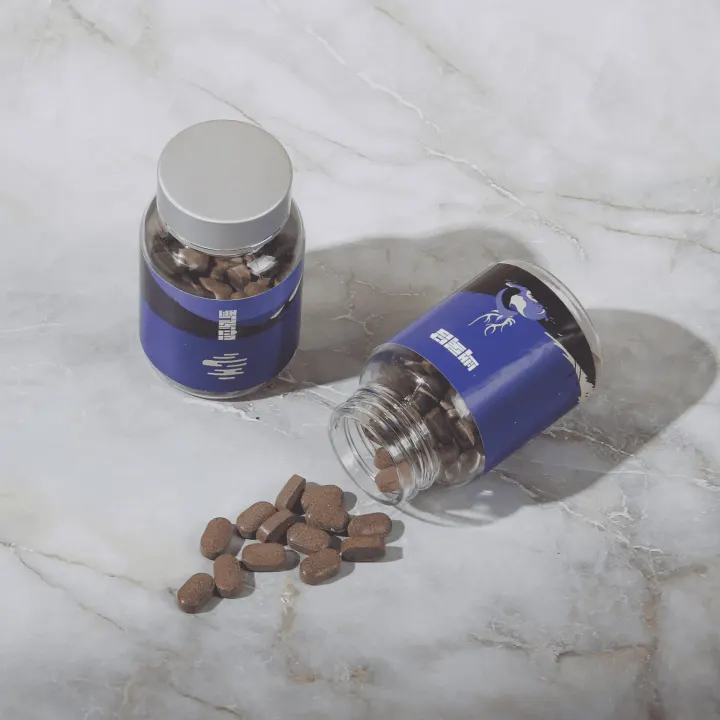
Recently, products like Baekrokgambijeong that implement these Traditional Korean Medicine principles in modern formulations have become alternatives. Instead of forcing yourself to starve, creating an environment that improves metabolic efficiency and helps your body use energy on its own is the key to breaking through plateaus. Getting professional help in the process of turning your body's metabolic switch back on is also an efficient method.
Frequently Asked Questions
Q. Can I eat spicy foods like Malatang on a Refeed Day?
The purpose of refeed is hormone normalization and glycogen replenishment. High-sodium, high-fat foods like Malatang cause temporary water retention and spike insulin levels excessively, making weight gain more likely than breaking through the plateau. Utilizing clean carbohydrates is much more helpful.
Q. Can I break through a plateau by increasing exercise volume even if I sleep less?
This can actually be dangerous. Forcing high-intensity exercise without adequate sleep can further increase cortisol levels, causing muscle loss and further decreasing metabolic rate. Increasing the body's recovery resilience through sufficient sleep should come before increasing exercise volume.
Q. How long does a plateau need to last before it's considered a "real" plateau?
Typically, a plateau is diagnosed when there is absolutely no change in weight and body composition for about 2-3 weeks. However, temporary water retention or hormonal fluctuations during menstrual cycles in women can make numbers appear stagnant, so it's recommended to monitor trends over at least 2 weeks before adjusting your strategy.
A plateau is evidence that your body has adapted to its current state, and also a signal that you need rest to move on to the next stage. Rather than extreme fasting, I hope you successfully overcome your plateau healthily through strategic refeed, sufficient sleep, and appropriate support for metabolism. If you need a more detailed metabolic assessment, check your status at the [Baekrokgambijeong Detail Page].