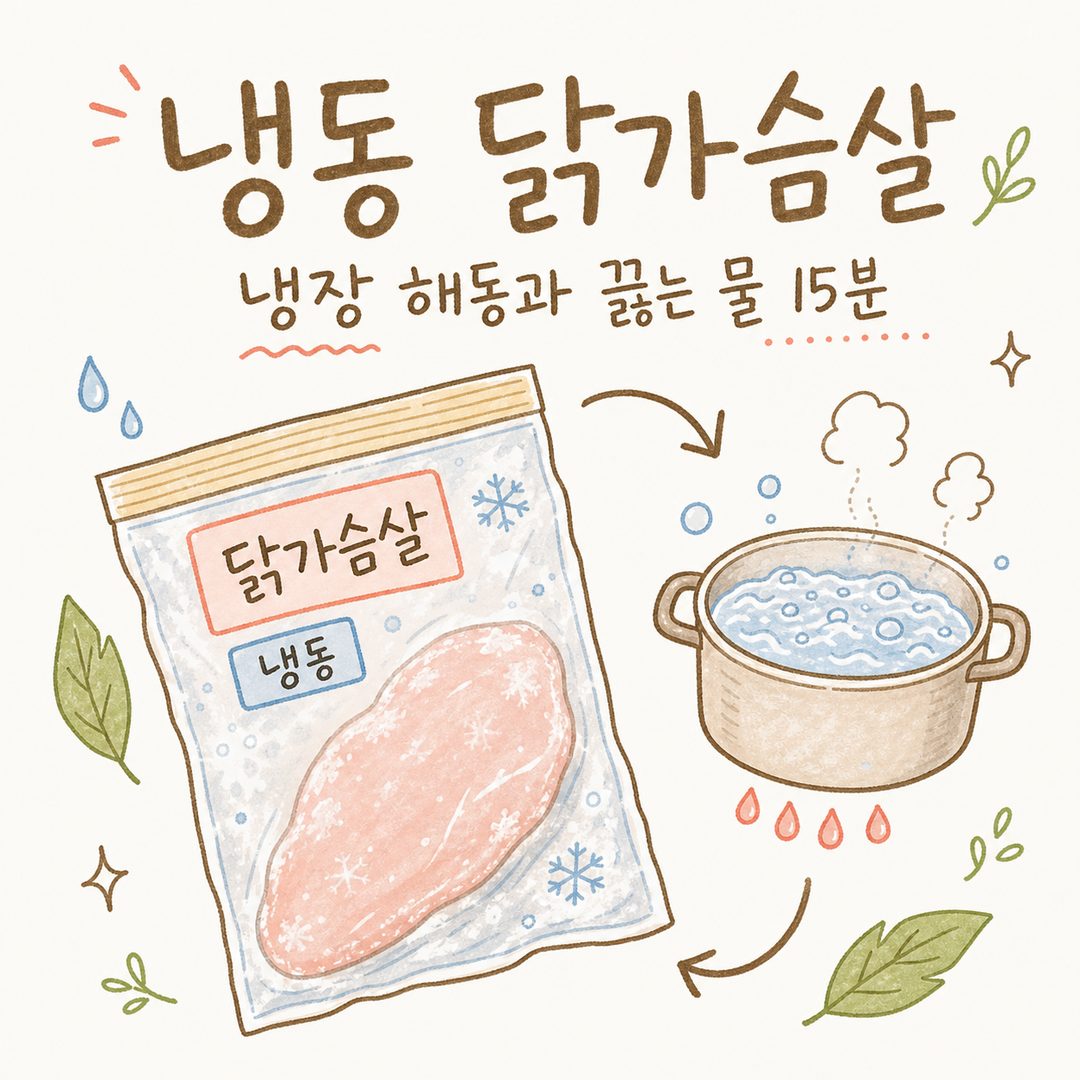
How to Boil Frozen Chicken Breast: 15-Minute Method

Table of Contents
Many people stock up on chicken breast for weight management but get confused about preparation. Boiling frozen chicken results in uneven cooking, while thawing takes time. As a Korean medicine doctor, I'll share the clinic's recommended method.
Why Frozen Chicken Breast Becomes Tough When Boiled
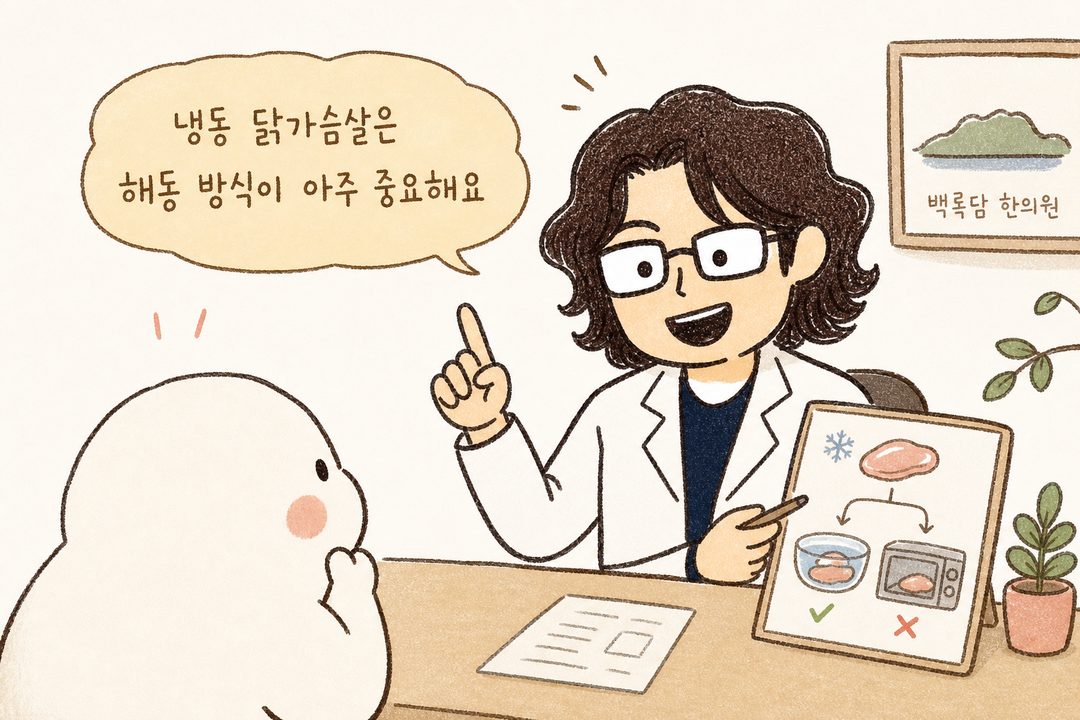
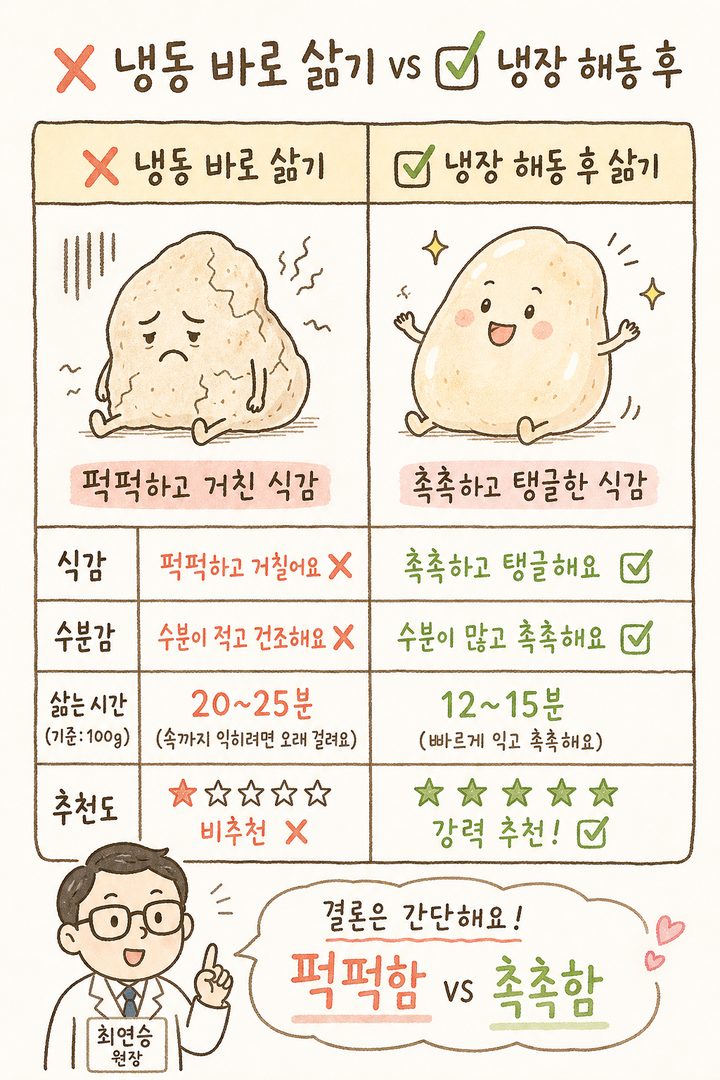
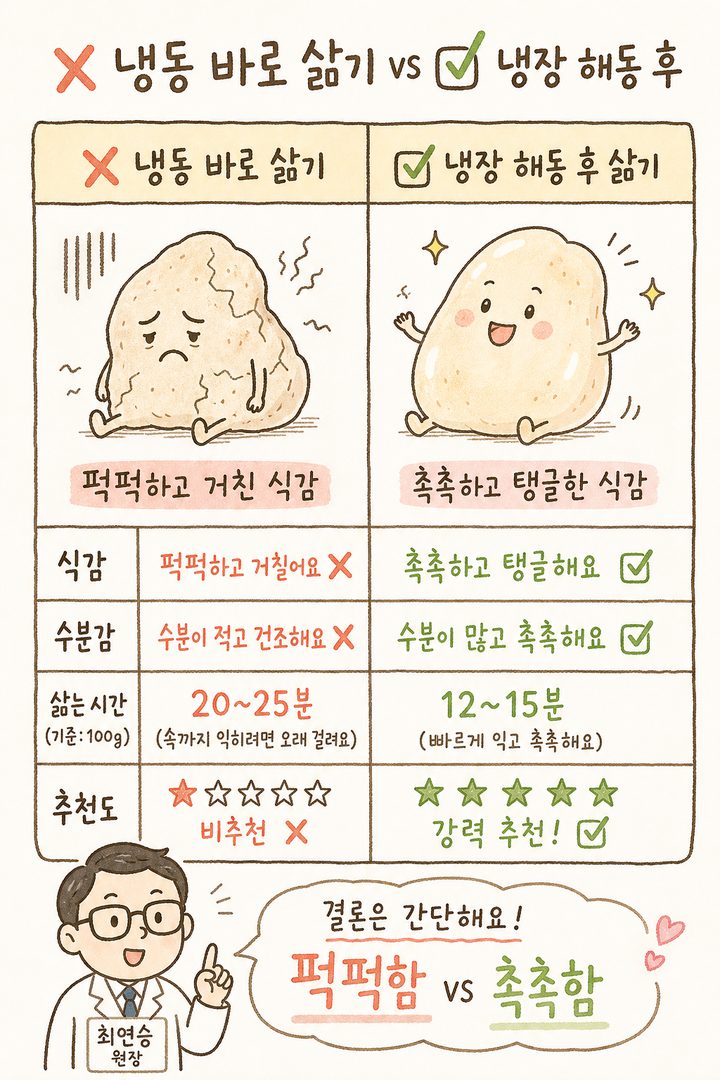
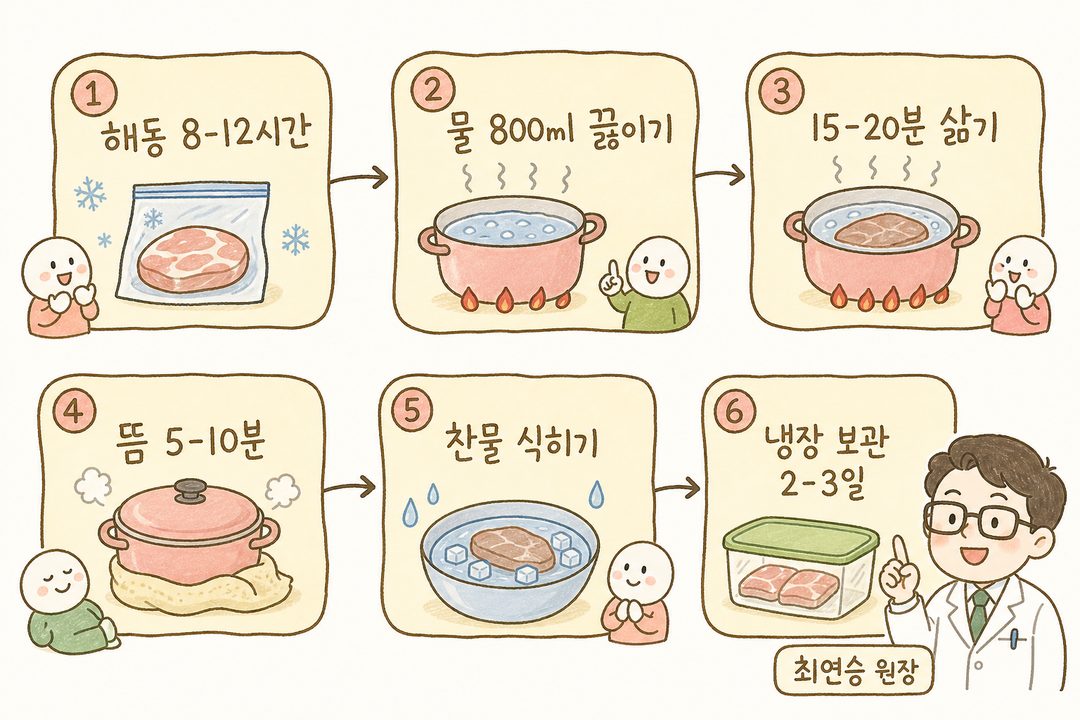
Chicken breast has coarse muscle fibers where proteins coagulate quickly in water, causing moisture loss. When boiled frozen, the outside cooks first while the inside remains raw, resulting in a tough exterior. Research shows that refrigerator thawing is the most reliable method. Transfer from freezer to refrigerator 8-12 hours in advance. If short on time, thaw at room temperature for 5-6 hours (except summer) or use microwave defrost. Proper thawing significantly improves texture.
The 15-20 Minute Boiling Method
After thawing, bring water to a rolling boil before adding chicken. Use 800ml-1L water for 1-2 servings. Maintain medium-high heat and boil for 15-20 minutes for thorough cooking. Adjust time: 12-15 minutes for thin pieces, up to 20 minutes for thick cuts or multiple pieces. Skim off white foam and flip once for even cooking. After turning off heat, let it sit covered for 5-10 minutes to retain moisture. Briefly cool in cold water for firmer texture.
Eliminating Odor with Simple Ingredients
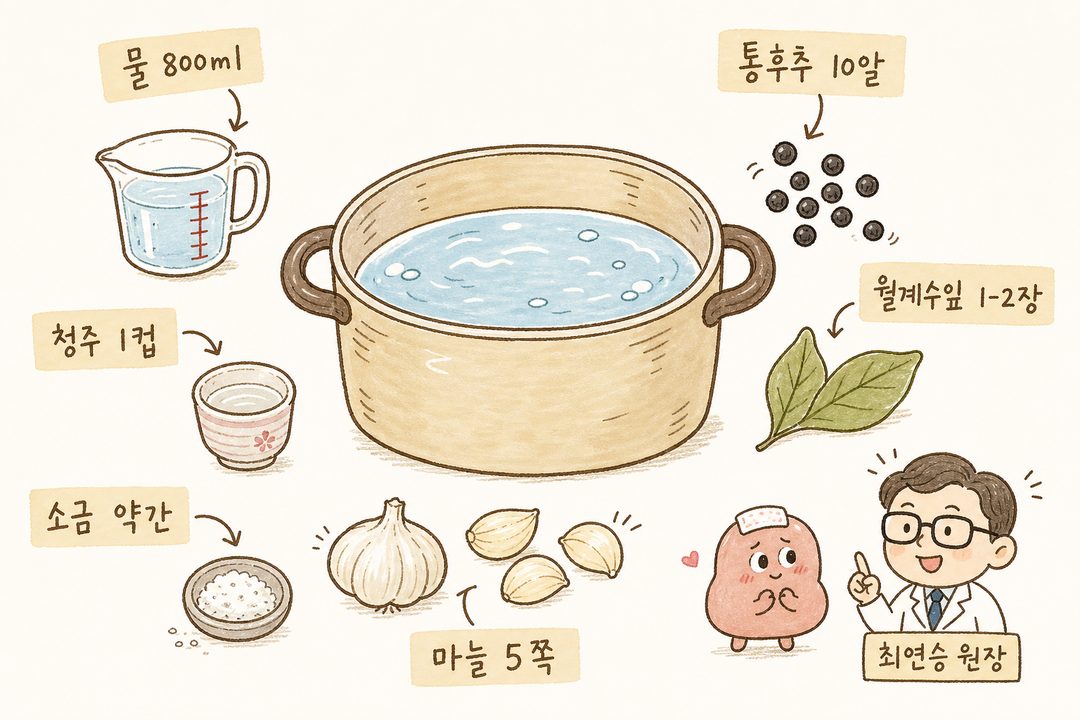
To reduce the characteristic smell, soak thawed chicken in milk for 10-20 minutes. Alternatively, add 1 cup cooking wine, 10 peppercorns, and 1-2 bay leaves to boiling water. Salt, garlic, and green onion soften the flavor. For thicker cuts, make shallow slits for even cooking and better seasoning absorption. These small steps greatly enhance texture and taste.
Korean Medicine Perspective on Protein Intake
In Korean medicine, chicken is considered a warming food. Chicken breast provides lean protein that's gentle on digestion while supporting energy recovery, especially beneficial for those feeling weak or cold. At 110-130kcal and 23-24g protein per 100g, it's an excellent dietary staple for weight management. However, cooking method affects digestibility. Overcooking makes it tough and harder to digest. We recommend "gentle boiling and proper resting."
Safe Storage Guidelines
Store in freezer at -18°C or below for 3-6 months. While quality lasts up to 6 months, home freezers experience temperature fluctuations, so consume within 3 months. Avoid refreezing thawed chicken due to bacterial growth risks. Thawed chicken should be refrigerated and consumed within 1-2 days. Cooked chicken keeps for 2-3 days refrigerated. Discard if odor, color, or texture seems off. Always follow package instructions regarding refreezing.
Action Steps Starting Today
Follow these steps:
Thaw in refrigerator 8-12 hours; if short on time, rinse under cold water to remove blood
Boil 800ml-1L water with 10 peppercorns, 1-2 bay leaves, and 1 cup cooking wine
For odor, soak thawed chicken in milk 10-20 minutes, then rinse
Add to boiling water, cook 15-20 minutes on medium-high, skimming foam and flipping once
Turn off heat, rest 5-10 minutes, then cool briefly in cold water
Plan to consume leftovers within 2-3 days after cooling completely
These six steps transform chicken breast texture. Consistent thickness during preparation also helps.
In weight management, the challenge often lies not in ingredients but in daily preparation. With proper cooking methods, maintaining consistency for 4 weeks becomes much easier. For personalized Korean medicine dietary guidance, consider a Baekrok Gambi-jung consultation. We specialize in balancing dietary patterns with appropriate prescriptions.