Chicken Breast Brands: From Dry Meat to Breast Ratio

Table of Contents
Craving chicken while dieting but want to feel less guilty? You're probably searching for "chicken brands that primarily use breast meat." I get this question a lot in my practice.
Why Do Dieters Look for Chicken Breast?
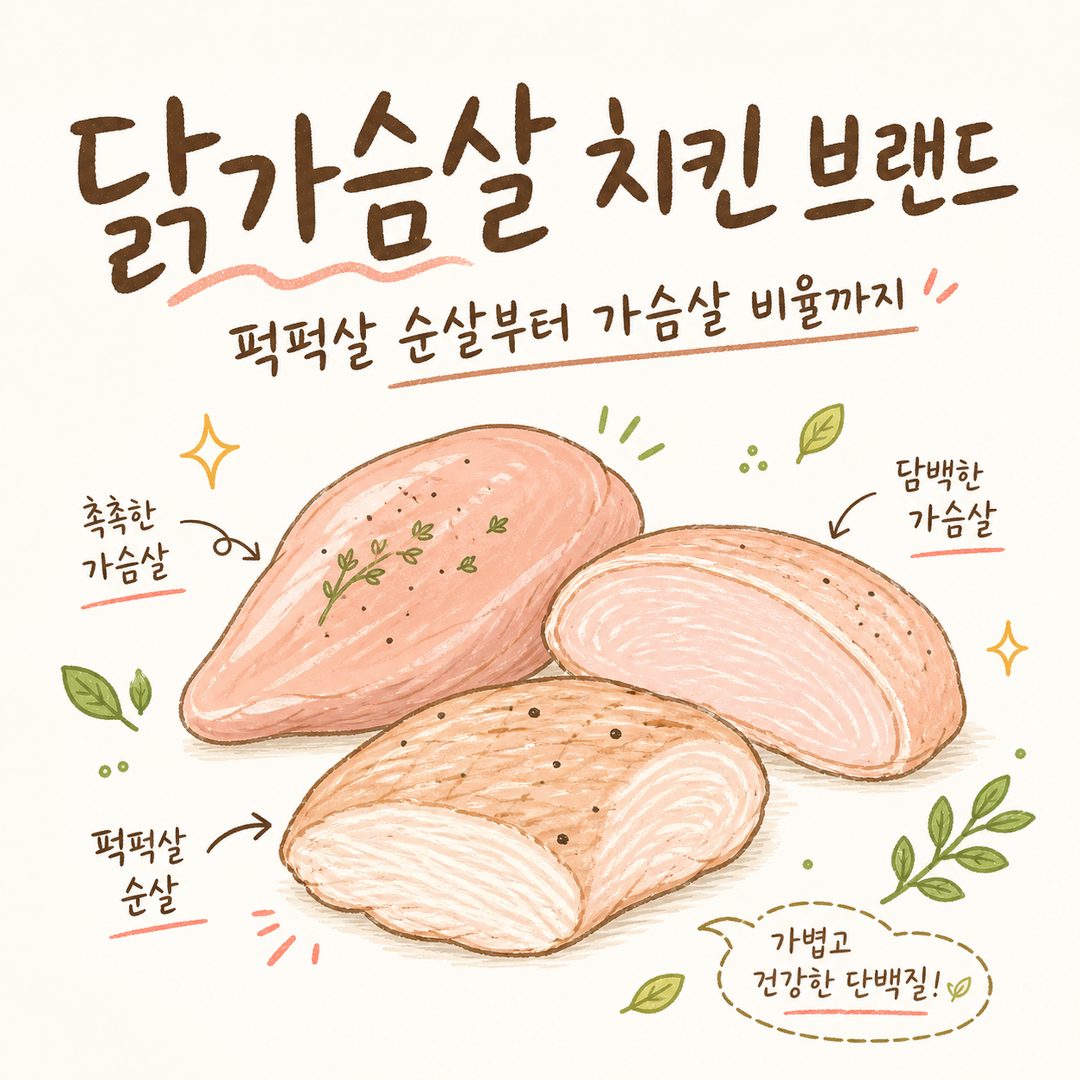
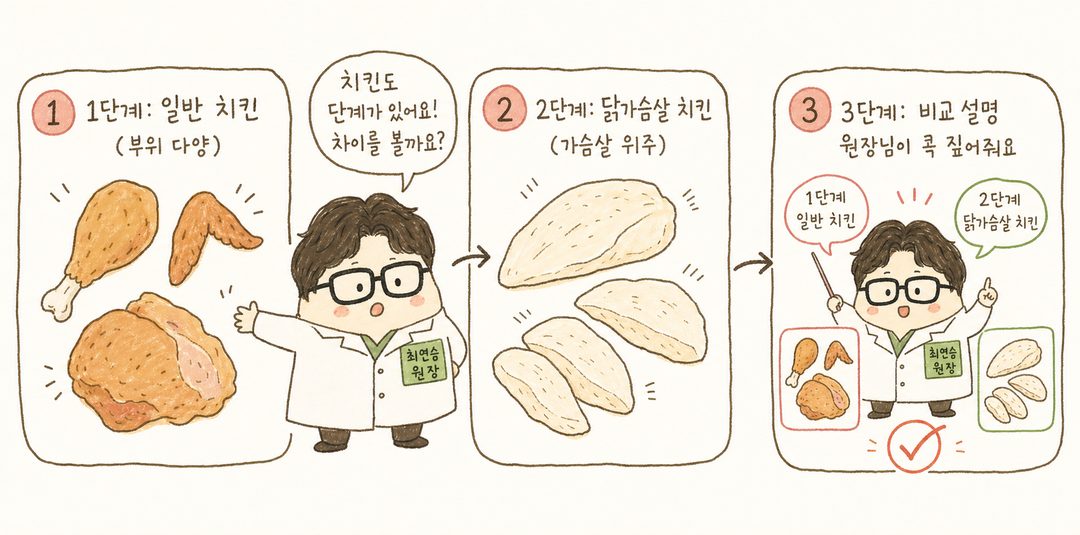
The reason is simple. Chicken breast is the pectoral muscle of the chicken, known as a high-protein, low-fat cut. While it may be drier in texture compared to dark meat, it's leaner, which is why it's often used in "dry meat boneless chicken" in Korean cuisine.
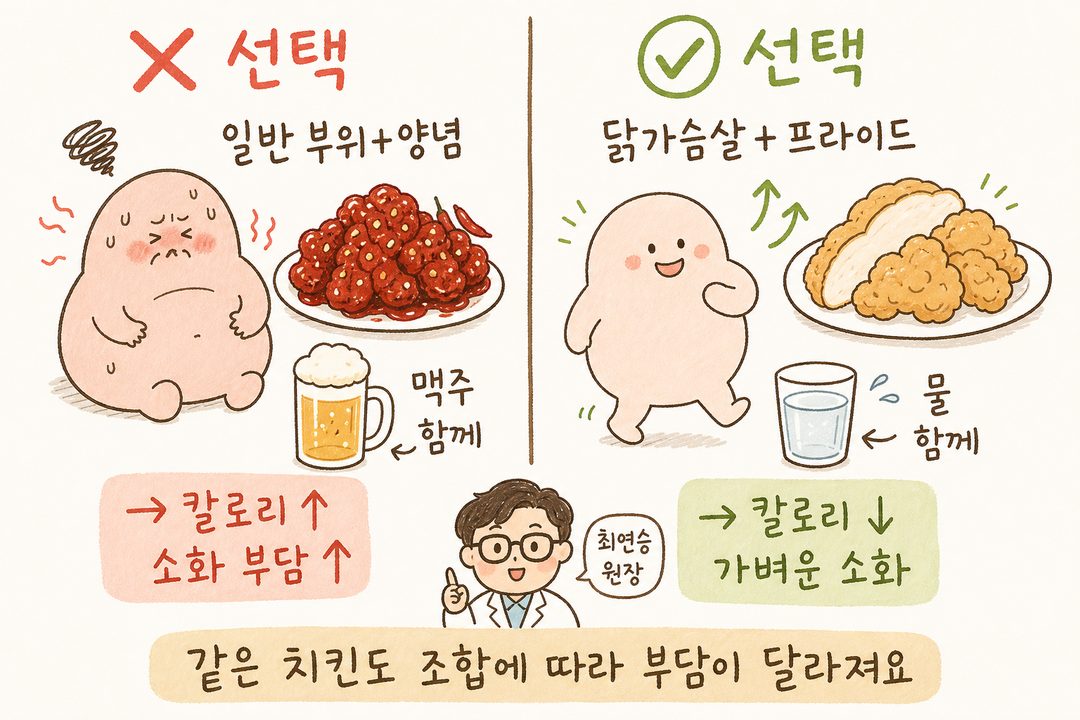
Here's an important point: while chicken breast itself is low in fat, the calorie count still increases significantly when fried. If you think "it's just chicken breast" and eat a whole chicken, you might not see the weight management results you're hoping for. I often tell my patients, "You've chosen the right part, but we need to consider portion size and cooking method too."

Which Brands Have the Highest Breast Meat Ratio?
Not all boneless chicken is created equal. The ratio of meat cuts varies by brand. Based on various reviews, here's how they compare:
Brands with particularly high breast meat ratio
BHC — Many reviews mention it's "close to 100% breast meat" and "very dry." Popular among those who prefer dry texture over tender dark meat.
Hosigi Dumarichicken — Often categorized alongside BHC as a "dry meat" brand in boneless chicken reviews. Frequently recommended for those who prefer drier meat.
Ttang Ttang Chicken — Classified as a breast meat user in franchise breakdowns, though some locations may use more dark meat. May vary by location.
Brands with mixed breast and dark meat (higher breast meat ratio)
- Nene Chicken — Their boneless chicken combines breast and thigh meat, with a higher proportion of breast meat. May not satisfy those who prefer only juicy dark meat.
For weight management purposes, BHC, Hosigi Dumari, and Nene boneless are safe choices. Remember that the meat ratio may vary by location and time, so it's best to confirm before ordering.

What Changes Have People Noticed After Switching?
From my clinical experience, patients who switch to breast meat chicken tend to feel less guilty about late-night eating since breast meat is naturally lower in fat than other cuts.
However, I also see many patients who say, "Doctor, I switched to boneless breast meat but I'm not losing weight." Upon closer look, they're often eating a whole box of heavily sauced chicken or pairing it with beer. The breading, sauce, and side drinks can keep the total calorie count high despite the healthier meat choice.
Conversely, patients who choose grilled options and reduce their portion size by half often see changes within a week. Brand choice is just the starting point—portion size and frequency are the real game-changers.
Baekrokdam's Korean Medicine Perspective
In Korean medicine, we don't just look at food in terms of calories. We consider digestive burden, internal dampness, and evening metabolism burden.
From a Korean medicine perspective, chicken breast is considered relatively light and easy to digest. It's a good protein source during weight management. However, when fried, the added oil can cause bloating and heaviness in some people. Late-night consumption often leads to facial puffiness, heartburn, and digestive discomfort the next day.
That's why I don't recommend completely giving up chicken breast. Instead, I suggest adjusting frequency and timing. Limit consumption to once a week, preferably during early evening rather than late at night. Sharing one chicken with family or friends is much better than eating a whole one alone.

Actionable Tips You Can Apply Today
Keep it simple—just remember these points for your next order:
Choosing a brand: Prioritize high breast meat ratio (BHC, Hosigi Dumari, Nene boneless)
Menu selection: Choose fried over sauced or glazed options for lower calories
Portion control: Eat half now, save the rest for another meal
Timing: Early evening is better than late-night snacking
Beverage pairing: Opt for sparkling water or warm water instead of beer or soda
These small changes can make a noticeable difference in how you feel the next day.
At Baekrokdam Korean Medicine Clinic, we help with body management without completely giving up foods you love. Our Baekrok Gambi-jung program combines herbal prescriptions with lifestyle coaching for those who find it difficult to change eating habits. If you feel guilty about every piece of chicken breast, consider scheduling a consultation to understand your body constitution better.