
Denmark Diet: Effects, Origins, and the 2-Week Plan

Table of Contents
You've likely heard that you can lose 10kg in just two weeks. Many patients bring their Denmark Diet meal plans to the clinic. Is this 15-day regimen of eggs, grapefruit, and black coffee truly safe? Today, we'll explore the origins and effectiveness of the Denmark Diet.

Where Did the Denmark Diet Come From?
The name makes it sound like a diet certified by a Northern European health authority. In reality, the most widely spread theory is that it was used at the Copenhagen National Hospital in Denmark to treat patients with morbid obesity. However, when you trace the source, there is no clear evidence. In the medical community, this is regarded as a modern urban legend. While there is no guarantee it even started in Denmark, the use of the country's name provides a sense of unearned credibility.
The core is the meal composition. The staples are boiled eggs, grapefruit, and black coffee. While lean meat and vegetables are included, grain-based carbohydrates like rice, bread, and noodles, as well as sugar, are almost entirely excluded. Salt and sugar are also effectively banned. The duration is typically a 2-week (14-day) course, and it is not recommended beyond that due to the risk of nutritional imbalance.
Why Does Weight Drop So Quickly?
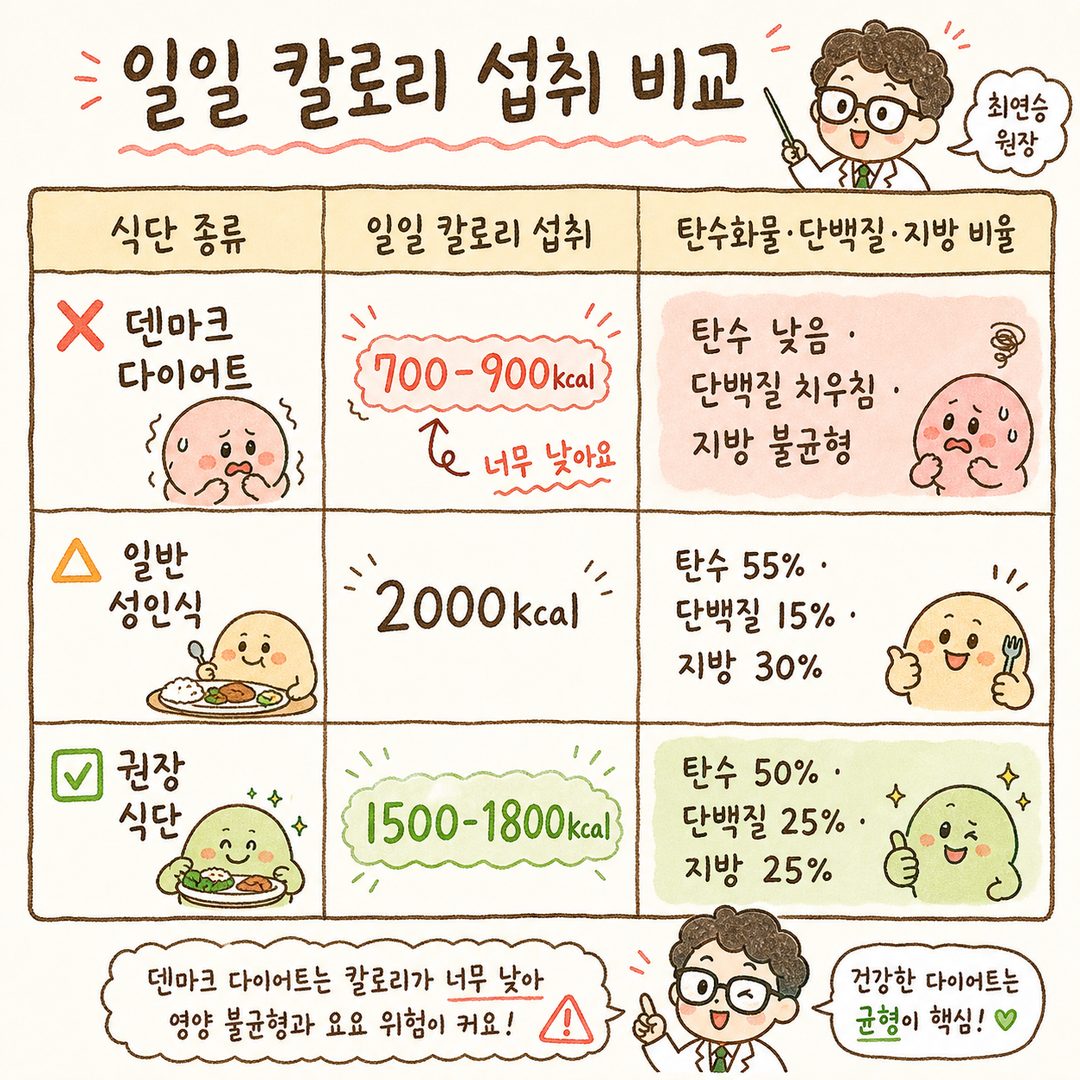
The principle is surprisingly simple. It is a Very Low-Calorie Diet (VLCD) averaging 700–900 kcal per day. Some records suggest it is as low as 200–250 kcal per meal, totaling about 700 kcal for three meals. Other data suggests it can be as strict as 600 kcal per day. This is less than one-third of what an average adult typically consumes. With such a drastic calorie reduction, weight loss is inevitable regardless of the specific food items.
Furthermore, by almost entirely blocking carbohydrates, the body increases ketone body production and ramps up the use of body fat. This is why the diet focuses on protein and vegetables. However, the medical evaluation is quite cold. The marketing claim that "your constitution changes in two weeks" is considered a claim lacking scientific evidence. In reality, a significant portion of the weight lost consists of water and muscle rather than just body fat.
What Happens to Those Who Actually Try It?
Reviews often report weight loss of 3 to 10 kg in a short period. The numbers alone are tempting. However, the stories from patients I see in the clinic are more complex.
Many say the first 3–4 days are surprisingly manageable because the high protein intake maintains a certain level of satiety. The problems usually start after the first week. There are frequent complaints of dizziness, headaches, cold hands and feet, constipation, and a sharp drop in concentration. I have even seen cases where menstrual cycles were disrupted.
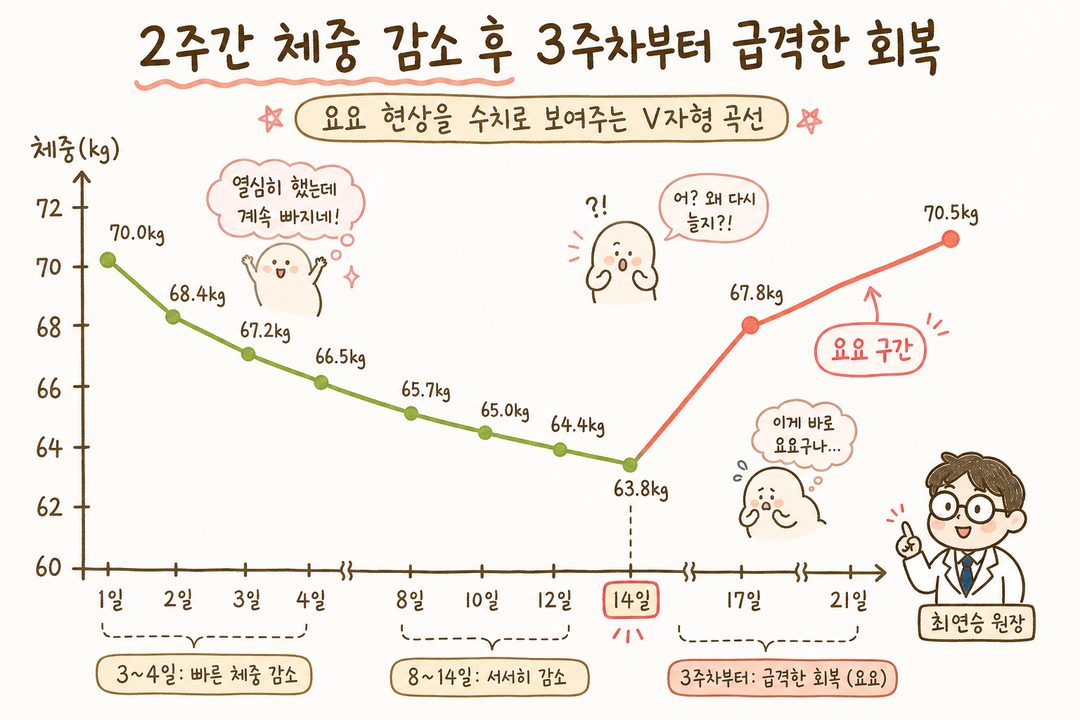
While it's true that weight is lost, the real challenge begins immediately after the 14 days. It is common for 2–3 kg to return in the first week of resuming a normal diet. Not a few people exceed their original weight within two months. This is why the medical community strongly warns of the yo-yo risk. By trying to lose weight quickly and intensely, one ends up disrupting the body's homeostasis.
How Does Korean Medicine View This Diet?
In Korean medicine, we look at the balance of Qi and Blood and Spleen and Stomach (digestive) function before the quantity of food. The Denmark Diet places a heavy burden on both. When you eat primarily protein and fat while excluding grains and appropriate salt, the Spleen and Stomach's ability to transport and transform (運化) nutrients is broken. This often leads to digestive symptoms like constipation, abdominal bloating, and heartburn.
This becomes even clearer when looking at body types. Those with Qi Deficiency or Yang Deficiency—who usually have cold hands and feet and low energy—simply lack the energy to endure a very low-calorie diet. Dizziness and lethargy occur almost immediately. For those with Phlegm-fluid or Damp-heat constitutions, even if they seem to lose weight in the short term, the underlying stagnation of fluids and waste remains, causing them to swell up as soon as the diet ends. This is why the Korean medicine diet approach focuses not on "how little you eat," but on "what and how you eat to revitalize the body's flow."

Practical Tips to Follow Right Now
Instead of extreme short-term diets, here are some standards you can maintain in your daily life:
Set a goal for gradual weight loss over 3 months, rather than several kilograms in 2 weeks. The slower the loss, the lower the yo-yo risk.
Do not cut out carbohydrates entirely. Maintain a portion of complex carbohydrates like multi-grain rice or sweet potatoes in your meals. It makes a difference in your brain function and mood.
For protein, aim for a portion the size of your palm at each meal—rotate between eggs, tofu, chicken breast, and fish. Repeating only one type leads to boredom and nutritional imbalance.
Adjust salt and sugar to about half of your usual level rather than "zero." Extreme salt deprivation can cause dizziness.
As you reduce food intake, increase sleep and walking. If you eat less and stay still, your basal metabolism will also drop.
If you experience dizziness, headaches, or menstrual irregularities, stop the diet immediately. Ignoring the signals your body sends will lead to a greater backlash.
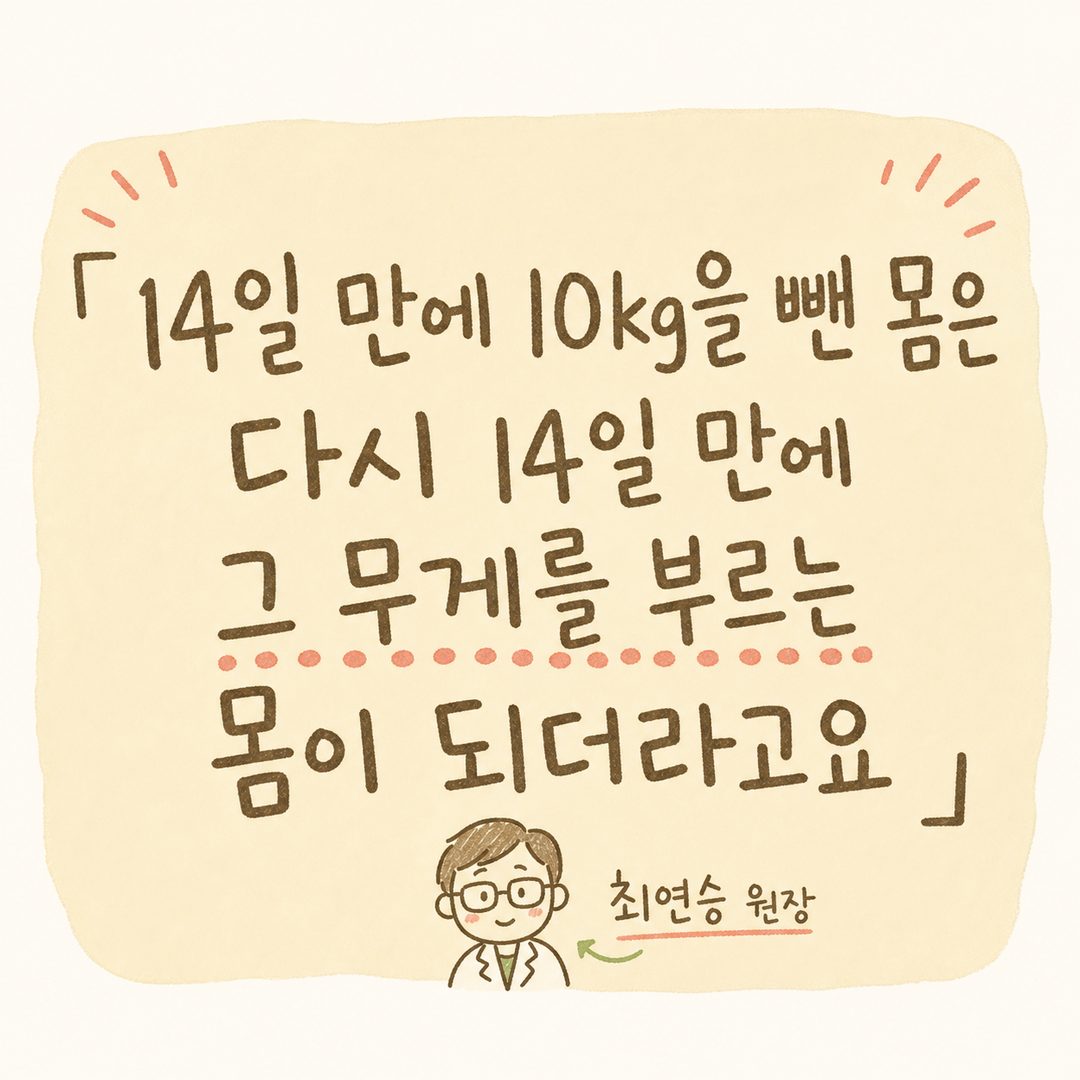
I understand the desire to lose weight quickly. However, a body that loses 10kg in 14 days often becomes a body that craves that weight back in another 14 days. At Baekrokdam Clinic, we first examine the patient's constitution and lifestyle patterns, then provide Baekrok Gambi-jung prescriptions to revitalize Spleen and Stomach function along with dietary and exercise advice. If short-term shock therapies like the Denmark Diet have been a burden, I encourage you to visit the clinic to first identify your specific constitution.