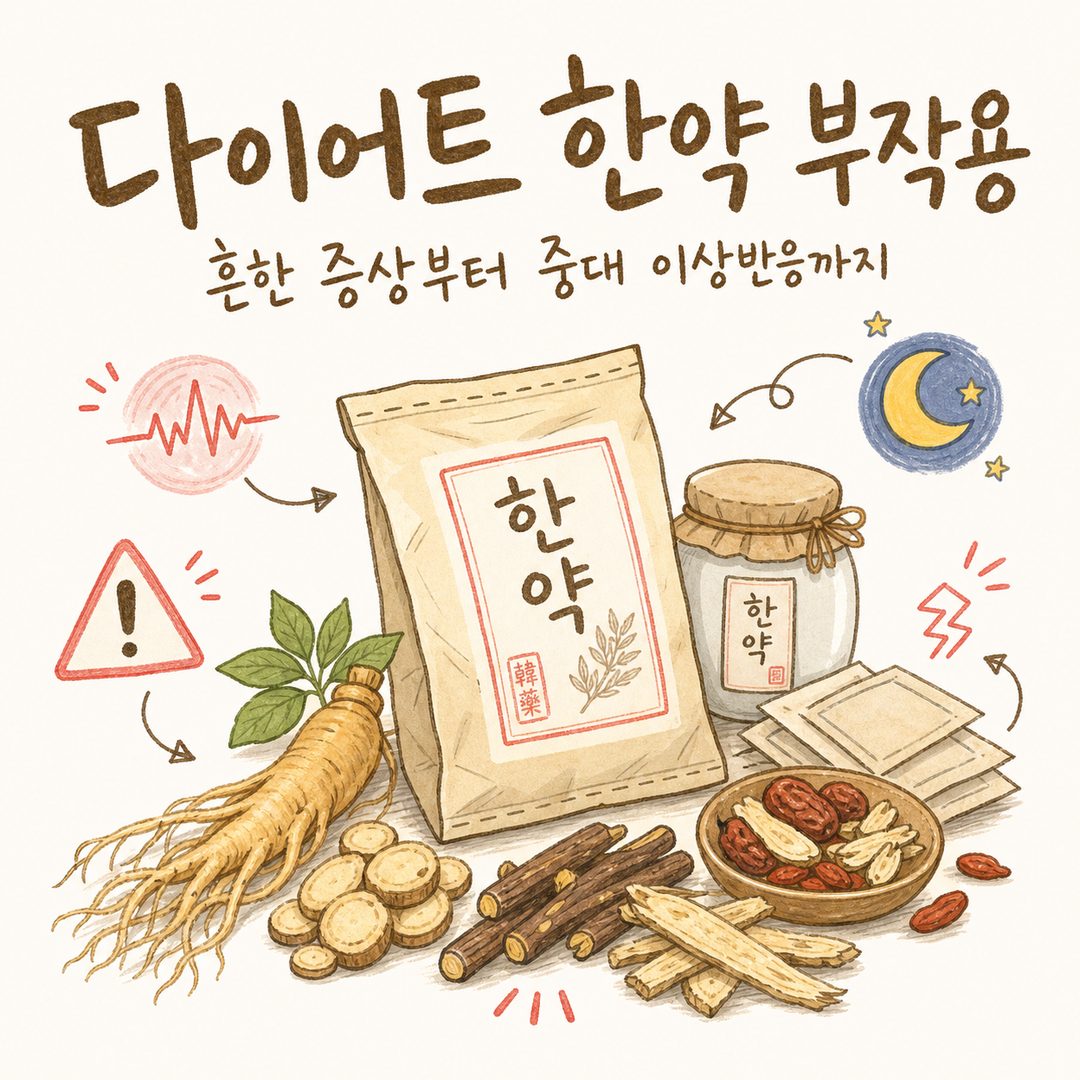
Side Effects of Korean Medicine Diet: A Safety Guide

Table of Contents
"Will herbal medicine strain my body?" This is a common question in the exam room. It's natural to hesitate when seeing reviews about dizziness, insomnia, or palpitations. I prioritize safety above all else when prescribing. Today, I'll honestly discuss reported side effects of Korean medicine diets and how to approach weight management safely.
Why Do Side Effects Occur in Korean Medicine Diets?
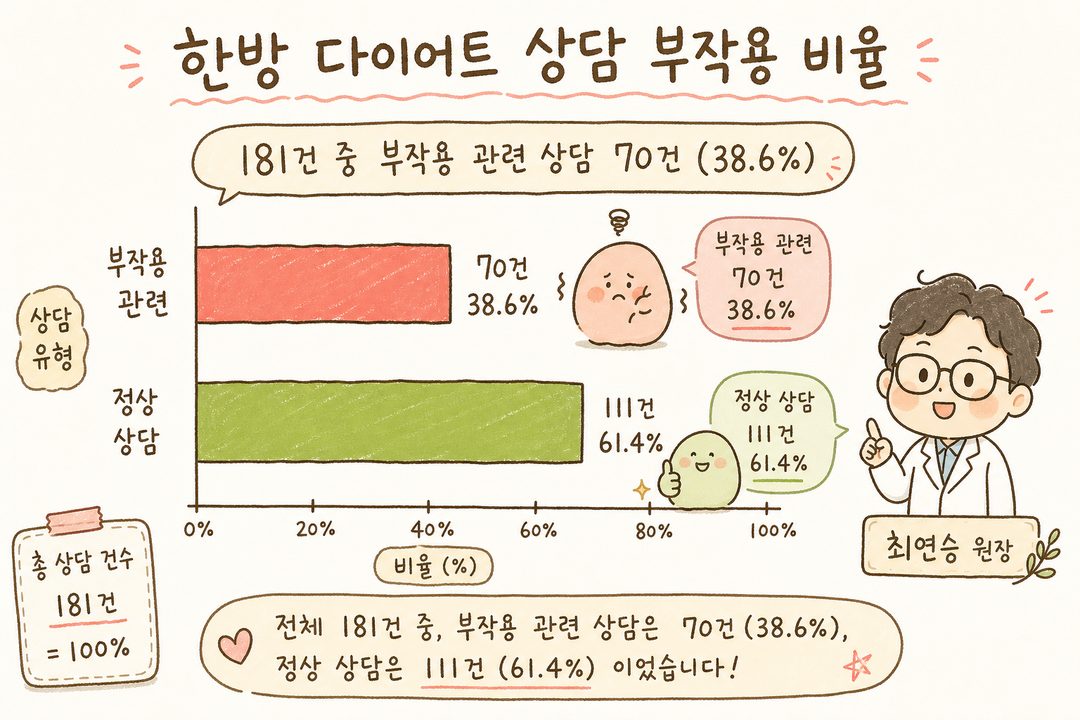
Korean medicine diet prescriptions are not just about suppressing appetite. They include medicinal herbs that boost metabolism, stimulate body fat burning, and aid in the discharge of moisture and waste. Therefore, if a prescription does not match the patient's physical condition or if their constitution is not carefully considered, the stimulation can become excessive. Furthermore, if one suddenly reduces food intake or exercises on an empty stomach while taking the medicine, hypoglycemia and dehydration can overlap, leading to headaches and dizziness. In one report, 70 out of 181 Korean medicine diet consultations were related to side effects, a rate of 38.6%. This is by no means a small number.
Commonly Occurring Uncomfortable Symptoms
Here are the most frequent complaints I hear in the clinic:
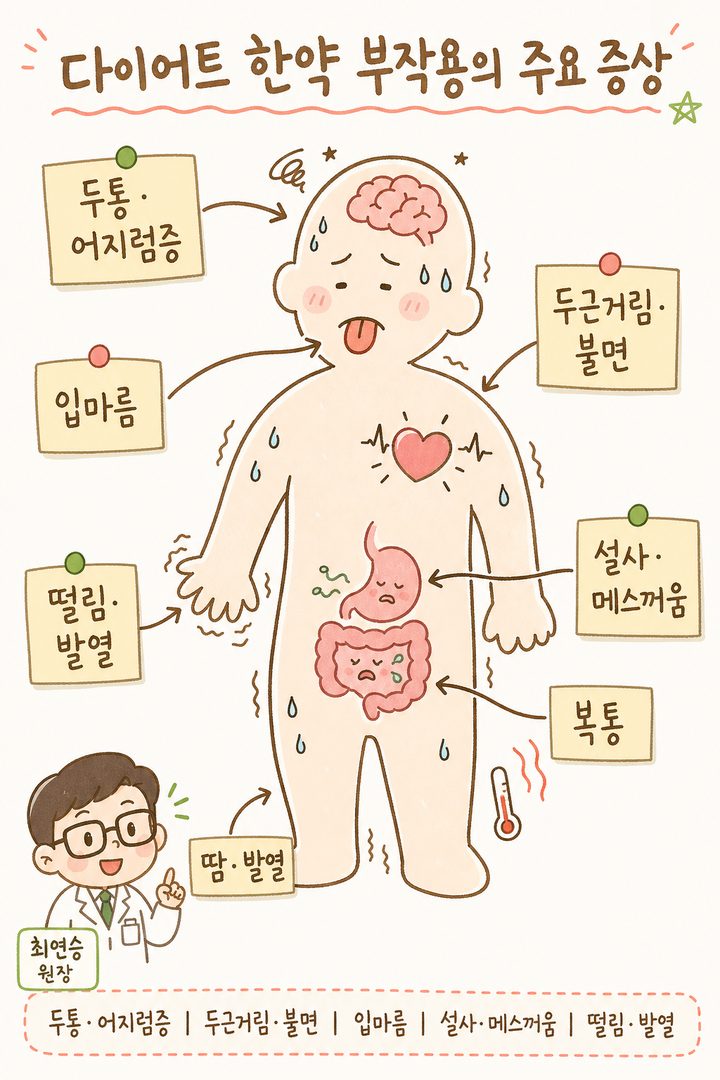
Headaches and Dizziness — Often occurs due to caffeine-based or nervous system stimulants, or hypoglycemia from a sudden drop in food intake.
Diarrhea, Nausea, and Abdominal Pain — Reactions caused by changes in gastric acid secretion and intestinal motility.
Insomnia, Palpitations, and Hand Tremors — Typical signals seen when the heart rate and metabolic rate increase as the sympathetic nervous system is activated.
Dry Mouth, Bad Breath, Increased Sweating, and Heat Sensation — Common accompaniments when metabolism becomes active during the body fat burning process.
Alternating Constipation or Diarrhea — Occurs while the intestines adapt to changing fiber and water intake patterns.
Fatigue and Lethargy — Happens when calorie restriction is prolonged or when there is a lack of sleep.
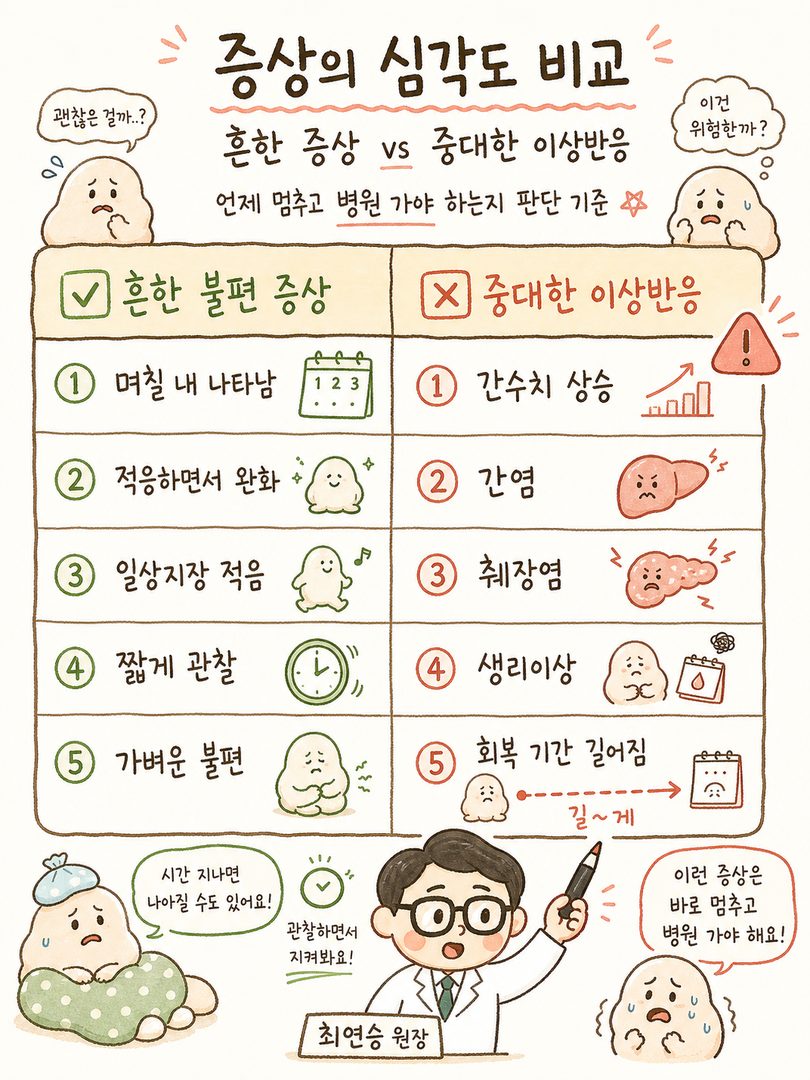
These symptoms usually appear within a few days of starting the medication and subside as the body adapts. However, if the intensity is severe or interferes with your daily life, do not just endure it; be sure to inform the prescribing Korean medicine doctor.
Serious Adverse Reactions That Shouldn't Be Ignored
The problem arises when it doesn't end with common discomforts. According to reports from consumer groups and medical institutions, cases such as elevated liver enzymes, hepatitis, pancreatitis, and menstrual irregularities have actually been reported. Although the frequency is not high, once they occur, they take a long time to recover from. These often stem from arbitrary intake or mixing with unverified drugs rather than the herbal medicine itself. I strongly advise against purchasing herbal medicine online based solely on advertisements or taking it with other diet supplements.
What Changed in Actual Cases?
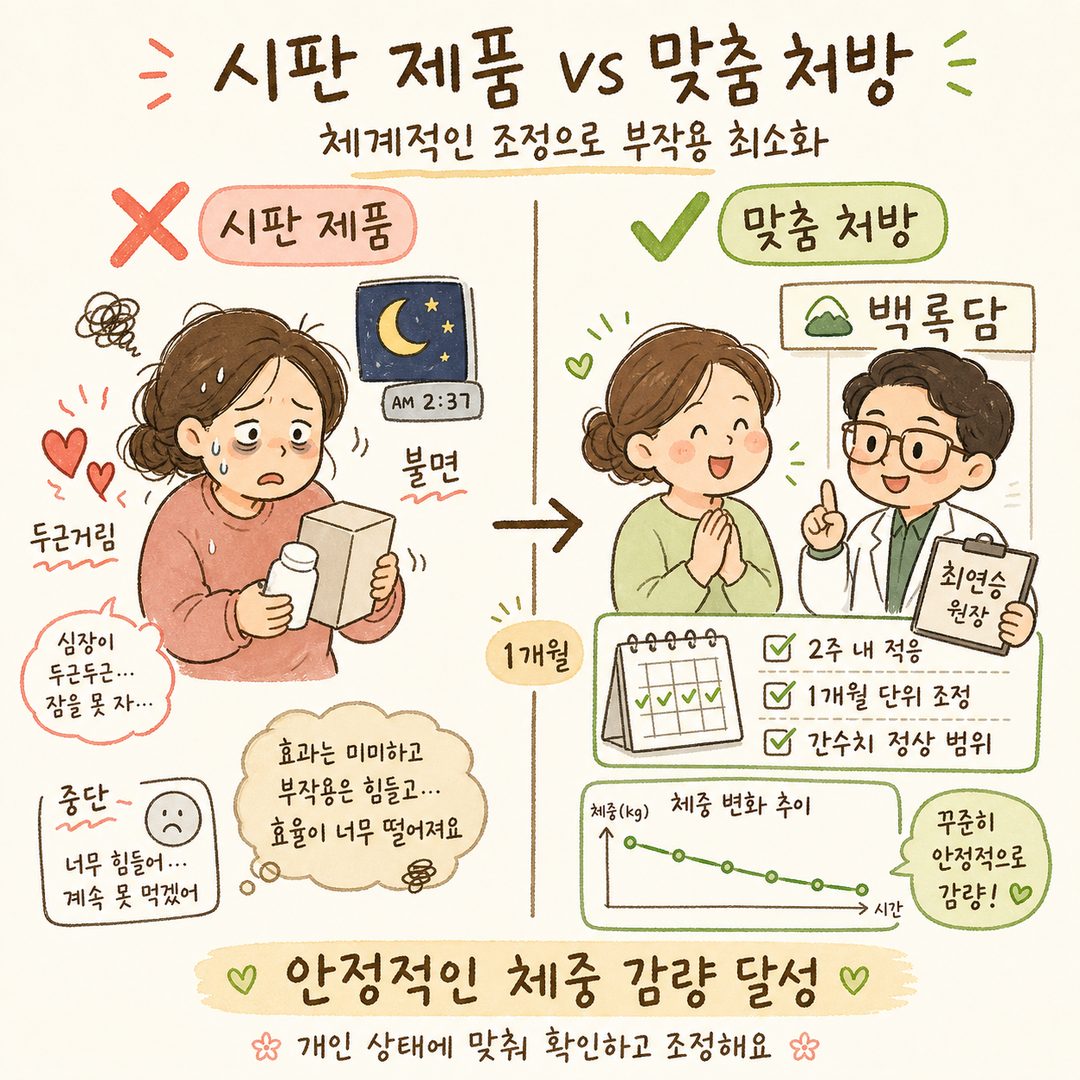
There was a woman in her 30s who visited the clinic after gaining more than 10kg. She had a history of stopping commercial diet products twice due to palpitations and insomnia. After confirming a tendency toward Qi deficiency and Phlegm-Dampness through pulse diagnosis and medical history, I started her on a prescription that lowered the proportion of highly stimulating herbs and supported digestive function. For about two weeks, she experienced dry mouth and mild headaches, but these subsided by increasing water intake and moving her dinner time earlier. By adjusting the prescription on a monthly basis, her weight decreased at a steady pace, and her liver enzymes remained within the stable range during mid-term checkups. The key is that it's not "one prescription fits all," but rather continuous adjustment according to the signals the body sends.
Baekrokdam Clinic's Perspective on Side Effects
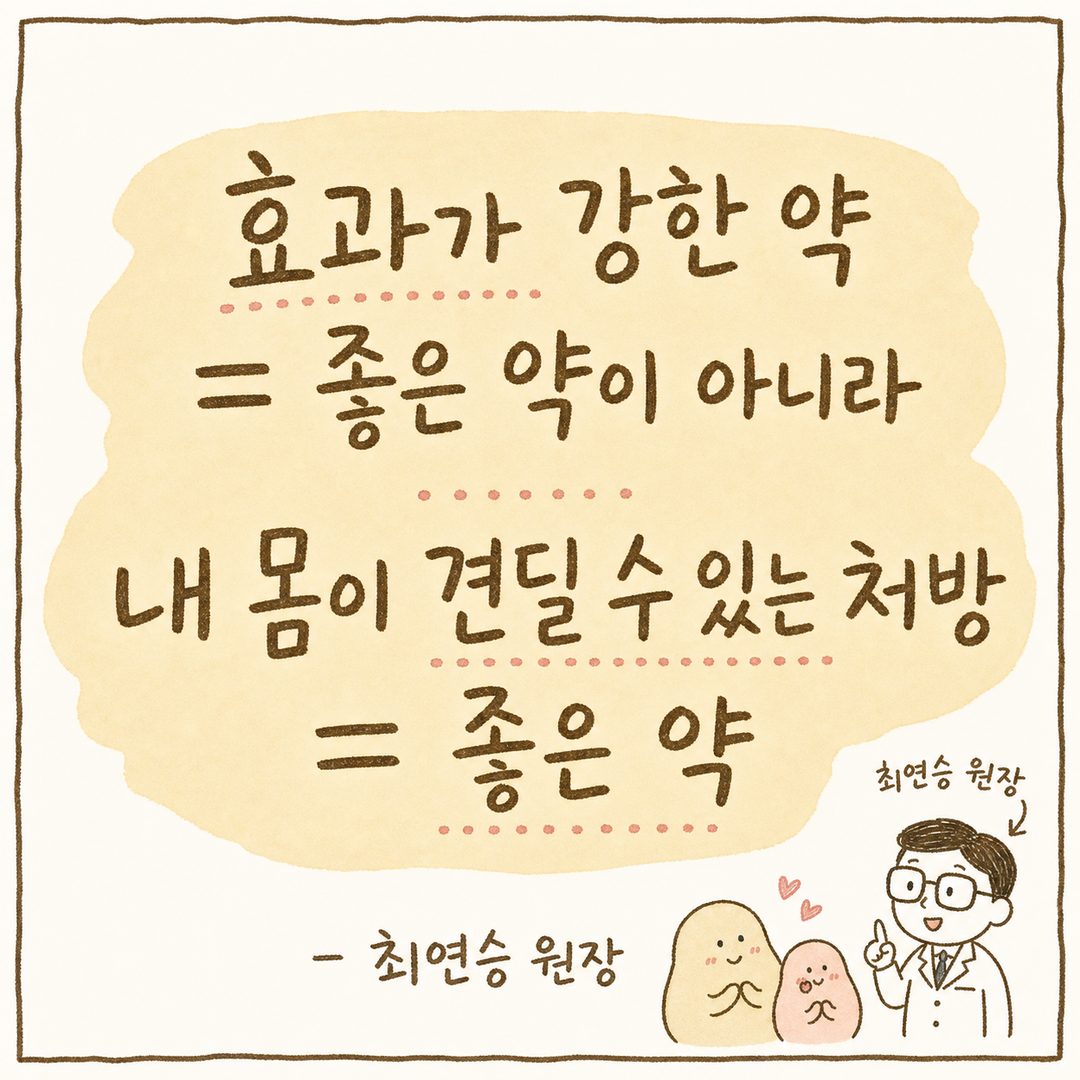
The first thing we look at is the constitution and current physical state. Even for the same obesity, using the same medicine for someone with a lot of heat versus someone who is cold and heavy will result in palpitations for one and lethargy for the other. Therefore, during the initial consultation, we meticulously check pulse diagnosis, abdominal palpation, lifestyle habits, and current medications, and even review blood test results if necessary. Even after prescribing, we check progress at one- or two-week intervals to adjust the herb proportions. If signs of side effects appear, we do not hesitate to change the prescription or temporarily stop it. Our perspective is that "a good medicine is a prescription my body can handle," not "a medicine with strong effects."
Action Points You Can Take Right Now
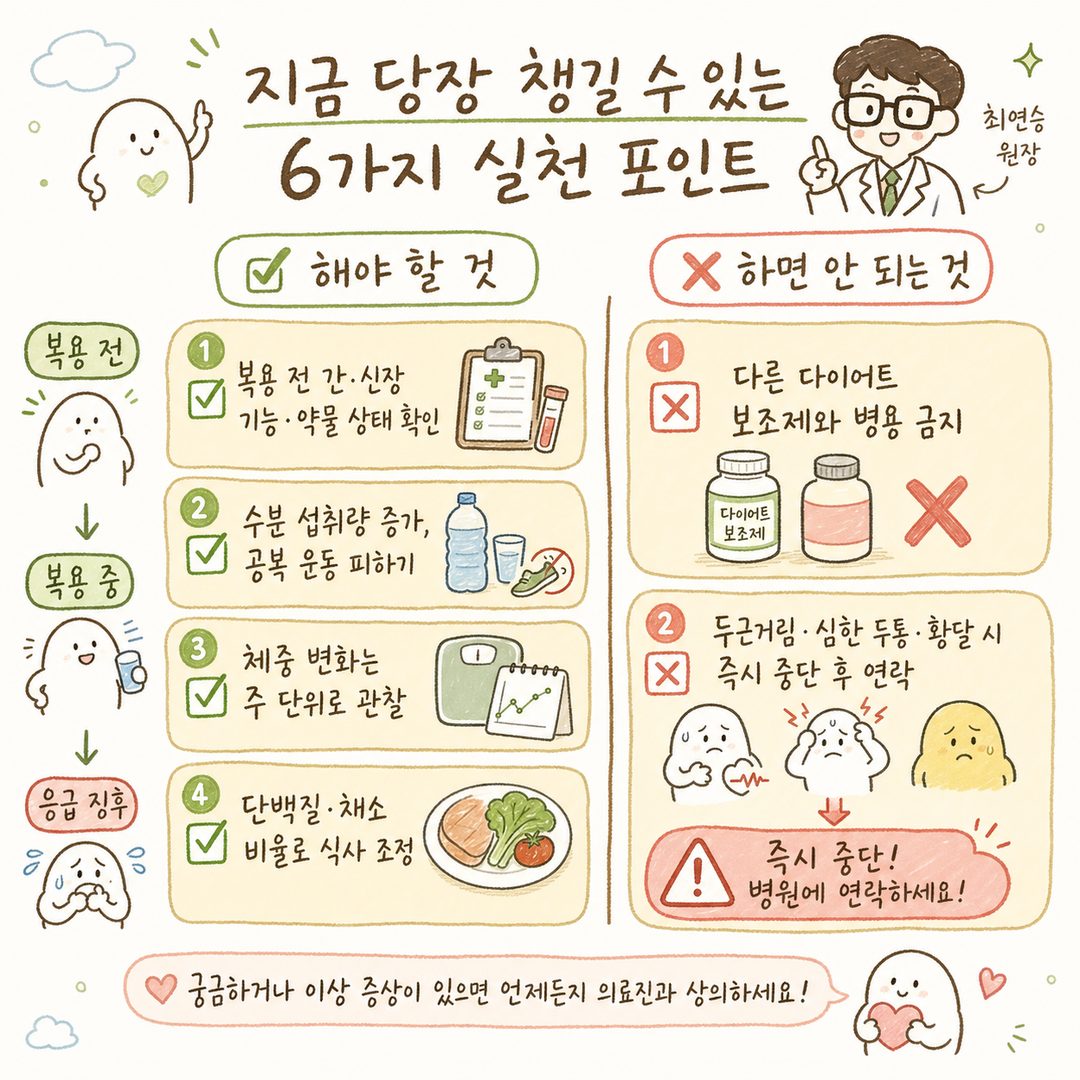
If you are considering a Korean medicine diet, please keep these points in mind:
Before taking it, inform the medical staff about your liver function, kidney function, and current medications.
Do not take other diet supplements or fat-loss nutrients alongside the prescribed herbal medicine.
Increase your daily water intake and avoid intense exercise on an empty stomach.
If palpitations, severe headache, jaundice, or abdominal pain suddenly occur, stop taking it immediately and contact the clinic.
Monitor weight changes weekly, not daily, and view excessively rapid weight loss as a warning signal.
Instead of skipping meals, adjust your diet by increasing the ratio of protein and vegetables to reduce side effects.
Although we have discussed side effects at length, the core message is "tailored to your body, together with a Korean medicine doctor by your side." Baekrok Gambi-jung is a prescription that considers both constitution and lifestyle, carefully monitoring progress during intake to ensure stimulation is not excessive. If you have been hesitating while searching alone, I recommend visiting a nearby Baekrokdam Clinic for a pulse diagnosis. You are welcome to come in for a consultation without any pressure.