How to Lose Male Belly Fat: Visceral Fat and Diet Tips

Table of Contents
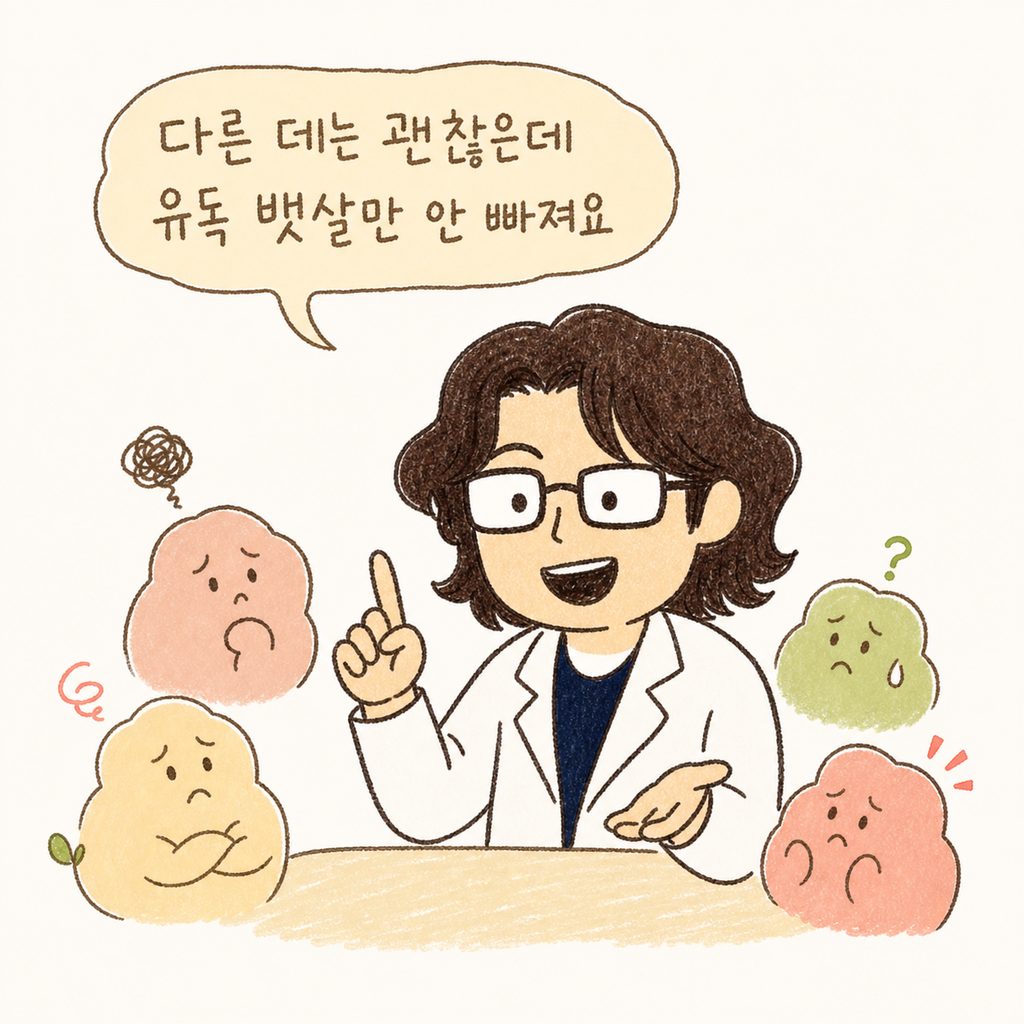
When I see male patients in the clinic, the most common concern is: "Doctor, everything else is fine, but I just can't lose my belly fat." Many come in with a 'tadpole body type'—thin arms and legs but a protruding belly. While it may feel unfair, this is actually a natural phenomenon due to male hormones and physical structure.
Why do men gain belly fat so easily?
Men are constitutionally more prone than women to accumulating visceral fat, which is fat that builds up around the internal organs. This visceral fat is more dangerous than subcutaneous fat (fat just under the skin) because it is closely linked to metabolic diseases such as cardiovascular disease and diabetes.
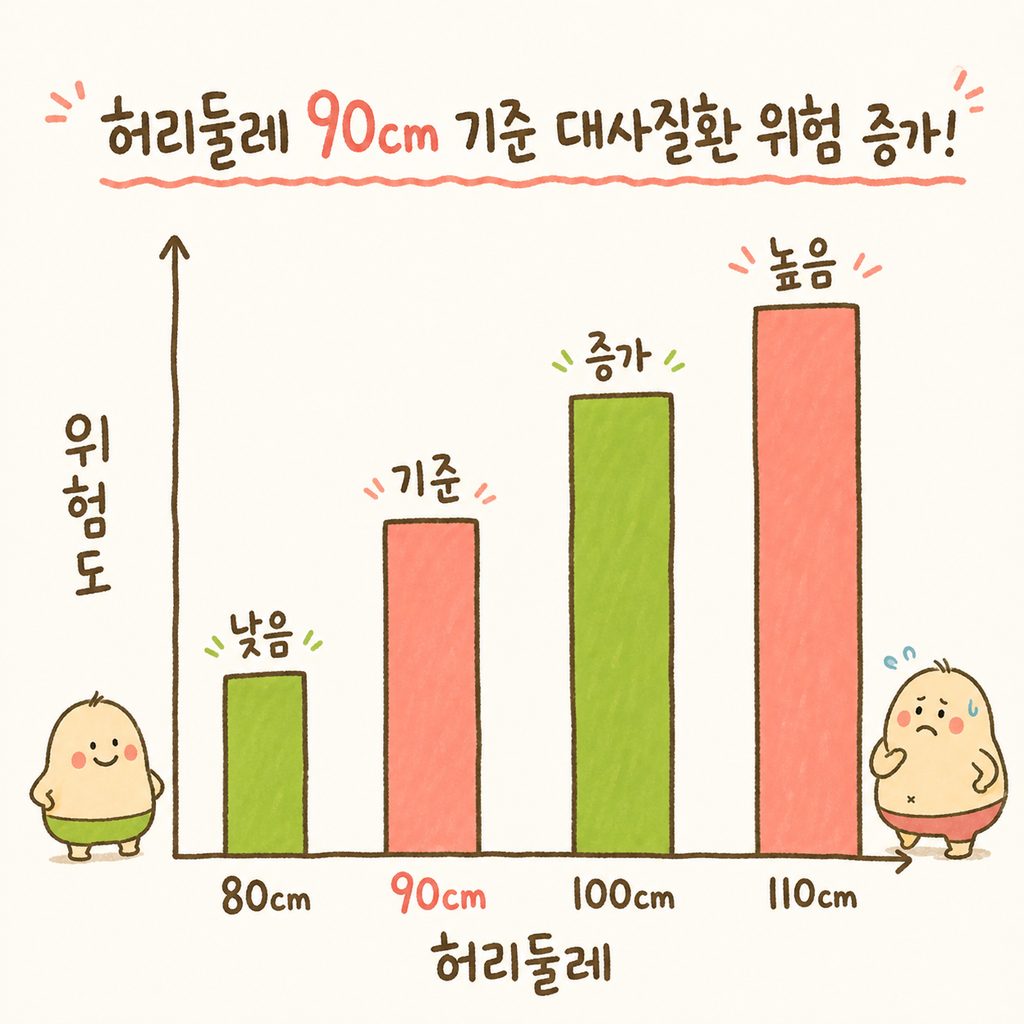
In fact, large-scale epidemiological studies show that the risk of metabolic syndrome increases significantly as a man's waist circumference reaches approximately 90cm. Furthermore, as men age, they naturally experience sarcopenia (loss of muscle mass) and decreased activity levels. This lowers the basal metabolic rate, causing fat to accumulate first in the abdomen even if they eat the same amount as before. Belly fat should be viewed not just as an aesthetic issue, but as a warning signal from the body regarding metabolic health.
Why ab workouts alone won't lose belly fat
During consultations, some patients say, "I do hundreds of sit-ups every day to lose belly fat." Unfortunately, it is impossible to lose fat from a specific area through targeted exercise alone. Fat loss is a systemic phenomenon that occurs as the body consumes energy as a whole.
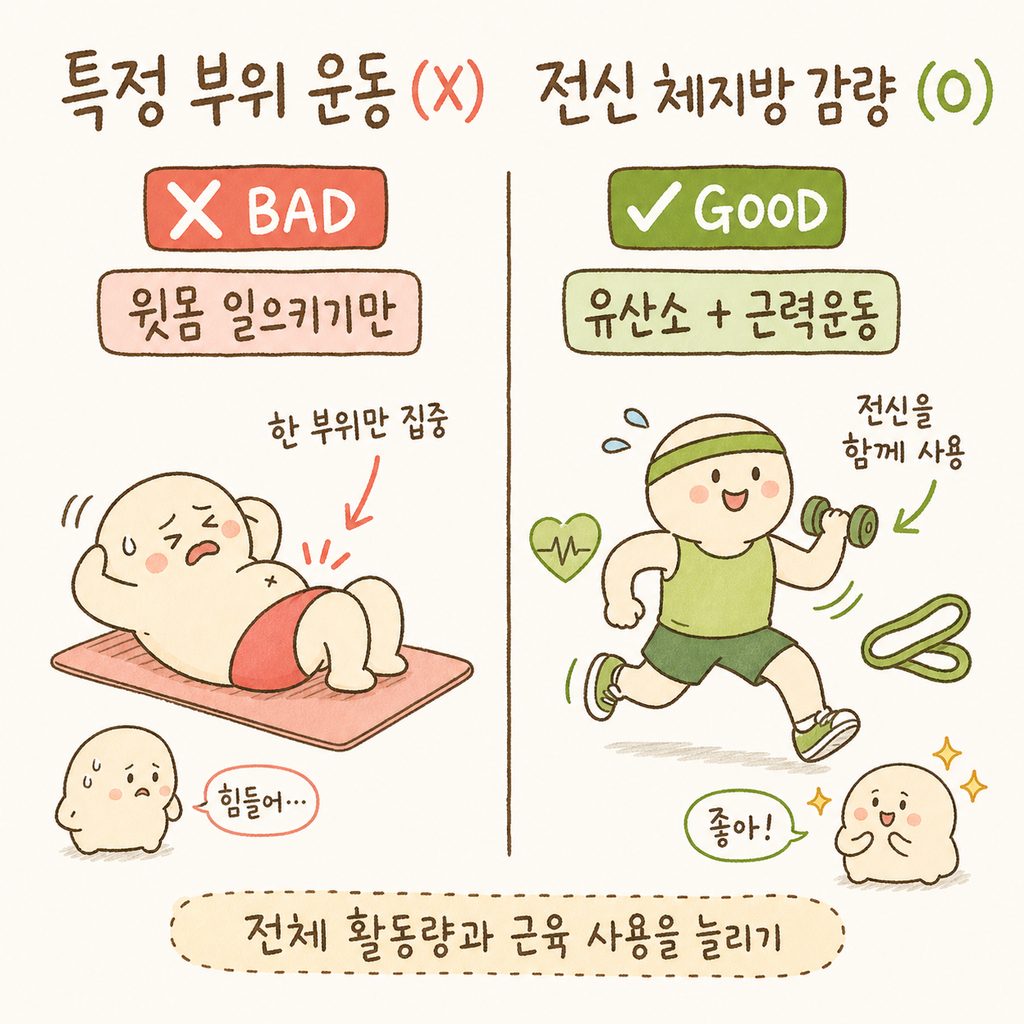
While abdominal exercises can strengthen and shape the muscles, the key to removing the layer of fat covering them is overall body fat reduction. It is much more efficient to establish a strategy that utilizes energy from the entire body rather than focusing solely on the belly.
Efficient exercise methods proven by research
So, how should you exercise? Health authorities and various research materials recommend a combination of dietary control, full-body aerobic exercise, strength training, and sleep/stress management.
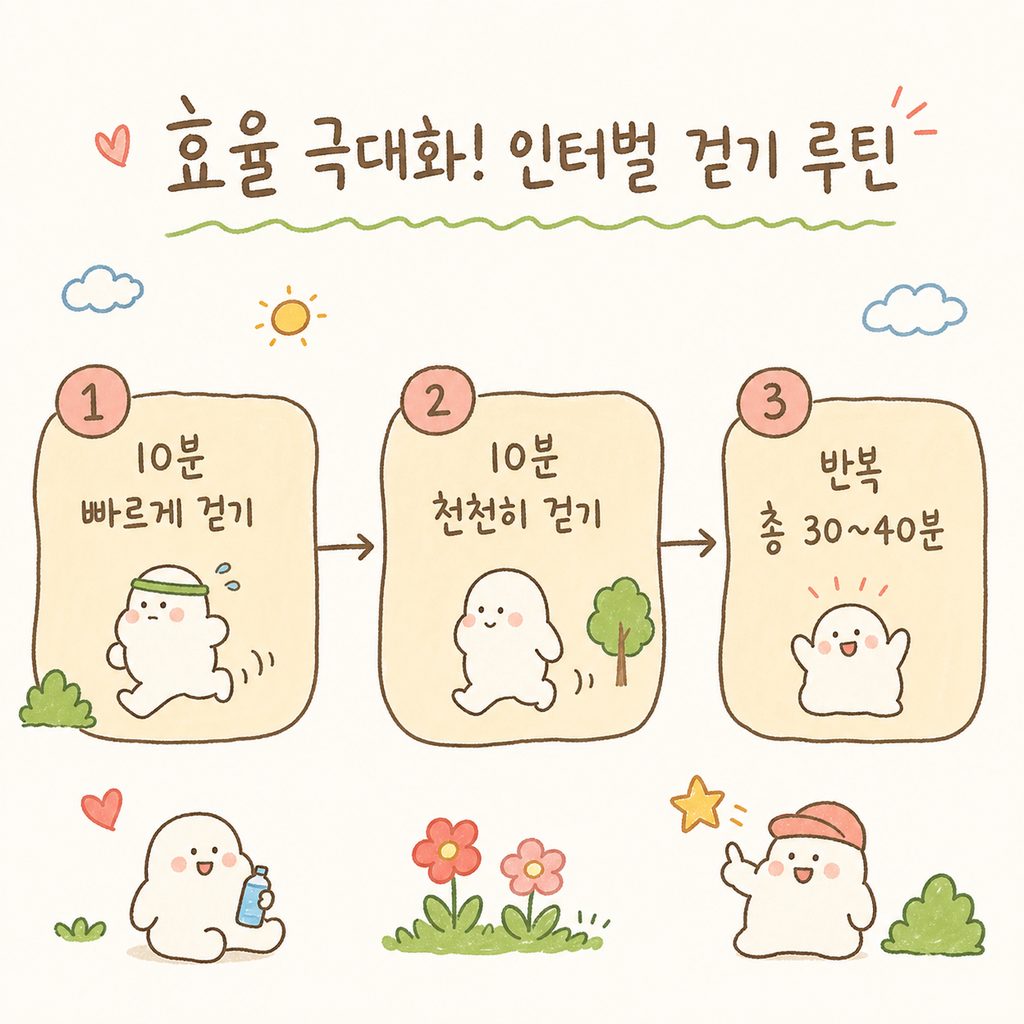
First, for aerobic exercise, it is best to engage in 150–300 minutes of moderate-intensity activity per week. Broken down daily, try to make it a habit to walk or jog for 30–60 minutes at a pace that leaves you slightly out of breath, at least 5 days a week. If your physical strength is low, I recommend starting with 40–60 minutes of brisk walking rather than a casual stroll.
To increase efficiency, try interval training. This involves repeating a cycle of 10 minutes of brisk walking or running followed by 10 minutes of slow walking, for a total of 30–40 minutes. Adding full-body strength exercises like squats or push-ups, along with core-strengthening exercises like planks, bird-dogs, and abdominal rotations, can accelerate the rate of body fat loss.
The core of diet management for belly fat
What you eat and the order in which you eat is just as important as exercise. To lose 1kg of body fat, a caloric deficit of approximately 7,000kcal is required. This means it takes about 2–3 weeks of consistent diet and exercise to lose just 1kg. This is why you must let go of impatience and create a long-term plan.
![A comparison table of foods to avoid vs. recommended foods: [White rice/Flour vs. Brown rice/Multigrain], [High-fat diet vs. Protein/Vegetables]](/api/files/assets/2026-07/fc78781e.jpg?sig=a404a8323bfb2b55a6910285fc19041cd869f9ad003aa73cb25493f7bd3a7409)
The first things to reduce are simple carbohydrates like white rice and flour, and high-fat foods. Reduce the amount of rice, bread, and noodles, and replace them with brown rice, multigrain, or whole grains. Increasing protein intake helps you feel full longer and is beneficial for maintaining muscle, which greatly aids in belly fat loss. Opt for high-quality proteins such as lean meat, fish, tofu, and eggs.
Additionally, eating plenty of vegetables and fruits rich in fiber promotes healthy bowel movements and positively impacts visceral fat reduction. Consistency in meal times is also crucial; many studies show that fasting for about 14 hours by finishing dinner by 6–7 PM is effective for improving abdominal obesity. Drink water frequently instead of sugary drinks, and develop habits of eating less sweet and less salty foods.
Male abdominal obesity in Korean medicine
In Korean medicine, concentrated belly fat is not viewed simply as a result of overeating. When the energy governing metabolism stagnates, or when unnecessary waste products like 'phlegm-dampness' and 'blood stasis' accumulate, energy circulation becomes sluggish, making it easy for fat to settle in the abdomen.
Particularly in middle-aged men, stress and overwork often lead to decreased liver and kidney function, which in turn lowers metabolic capacity. In such cases, rather than reckless fasting, it is important to correct the broken metabolic balance and create an environment where the body can burn fat on its own. By using a weight loss approach tailored to your constitution to regulate body heat and aid circulation, you can experience much easier reduction of stubborn belly fat.
Action points to start today
If you're unsure where to begin, try these steps:

First, reduce your carbohydrate intake by 20–30% at meals. Take out a spoonful or two of rice and fill that space with tofu or vegetable side dishes. Second, finish a light dinner before 6–7 PM and cut out late-night snacks. Third, start by walking briskly for at least 40 minutes a day and gradually increase the intensity.
Belly fat is honest, but it is also slow to disappear. Rather than obsessing over short-term results, you need a mindset of persisting for several months or more.
Managing diet and exercise through willpower alone can sometimes be exhausting and dizzying. In such cases, seeking professional help to find a metabolism-boosting method suited to your constitution can be an efficient path. With the Baekrok Gambi-jung program, you can expect healthier and more effective results by increasing metabolic efficiency. Try the methods I've mentioned today first, and feel free to tell me what challenges you faced when we meet in the clinic later.
References