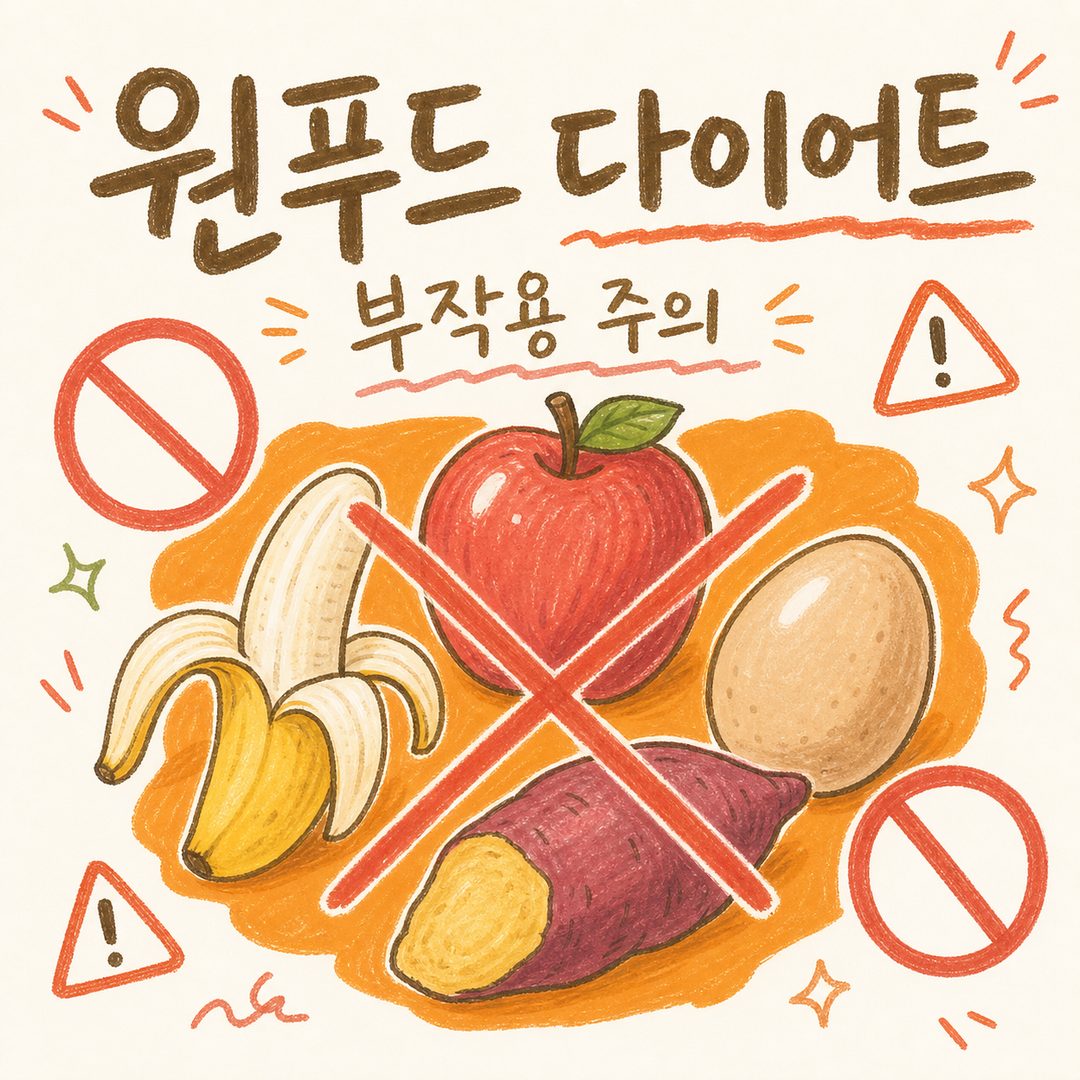
One-Food Diet Foods — From Bananas to Apples and Eggs

Table of Contents
While sitting in the consultation room, I very often hear questions like, "Director, I heard that eating only bananas makes you lose weight, is that true?" Since diets consisting of eating only one type of food circulate so much on SNS, I understand the feeling of being tempted. In fact, I once tried eating only apples for a few days in the past. I still vividly remember feeling dizzy back then.
What is a One-Food Diet
A one-food diet is, literally, a diet that relies almost entirely on one specific food for its meal plan. Usually, it is a method where two meals consist of one designated food and only one meal is a small amount of a general meal, or almost all meals are replaced by one food for a certain period. According to a summary by a medical medium, the core is to lower the daily calorie intake by repeatedly eating single, accessible foods such as bananas, apples, sweet potatoes, or eggs.
Looking only at the frequently mentioned types, banana diets, apple diets, potato diets, tomato diets, egg diets, and emperor (meat) diets all fall into this category. Because it is simple, it is easy to start. Accordingly, it is a method with many pitfalls.
Why does it feel like weight is lost in a short period
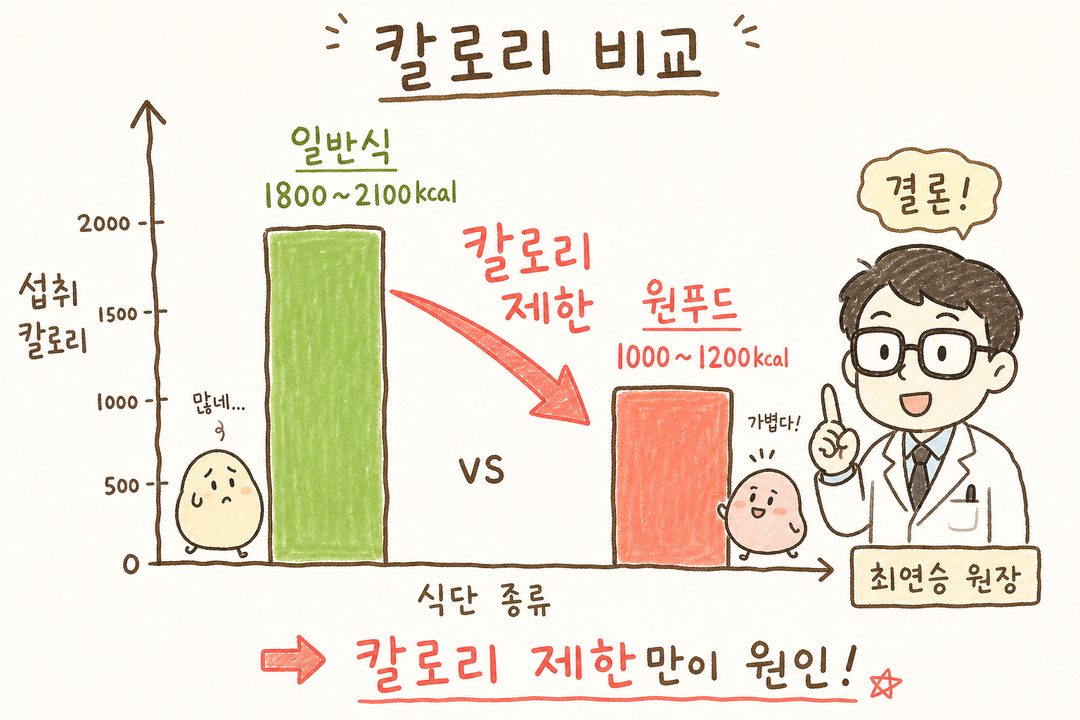
The principle is surprisingly simple. Based on an average adult of 60kg, the recommended daily energy is about 1800~2100kcal, but when doing a one-food diet, it becomes a low-calorie diet where the intake calories are significantly reduced to around 1000~1200kcal. In short, it is not thanks to the 'mysterious efficacy' of one food, but weight decreases temporarily due to calorie restriction.
By the same principle, similar results occur if you reduce the amount of any food. It is not that bananas performed magic. Because you reduced the amount by nearly half of what you usually ate, the number on the scale goes down for a moment. If you confuse this point, it is easy to fall into the misunderstanding that "this food makes you lose weight."
The Real Face of Popular One-Food Diet Foods
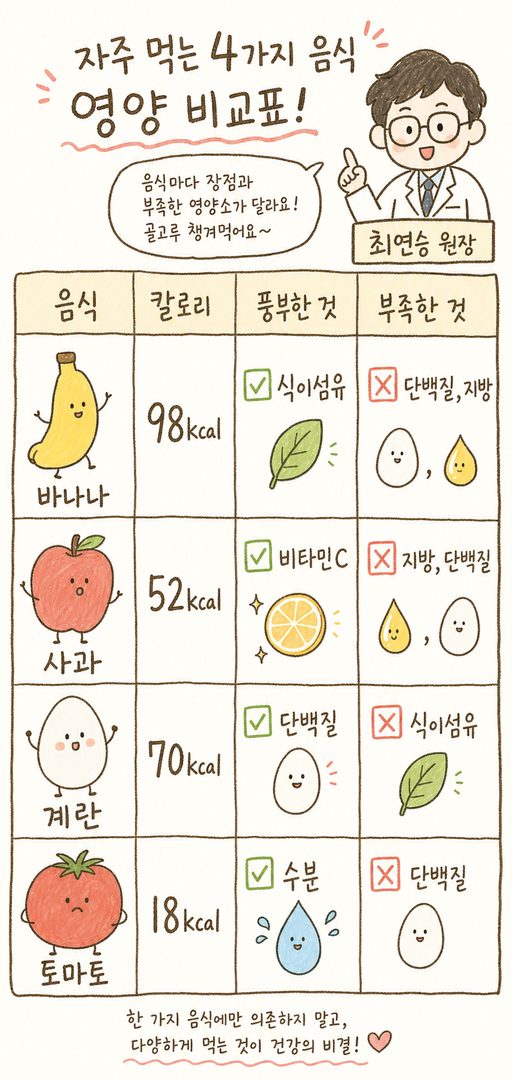
Let's start with the banana diet. A banana 1 piece is about 98kcal, so it seems light on the calories, but the nutritional composition is lopsided. While it's rich in carbohydrates, dietary fiber, and potassium, it's lacking in nutrients like protein, fat, and iron.
The apple diet is similar. Low calories do help reduce total calorie intake. However, it becomes a diet lacking in fat, protein, and fat-soluble vitamins aside from dietary fiber and vitamin C. Mono-diets like tangerines, watermelon, and mango that became popular on social media are the same. One source pointed out that such single-fruit diets have such a high rebound possibility that it prohibits continuing them for more than 2 weeks.
Even moving to the vegetable category, the situation isn't much different. Cucumbers and tomatoes have sufficient water and dietary fiber but almost no protein. Potatoes and sweet potatoes are carbohydrate-focused, making other nutrients relatively deficient. Eggs and tofu like protein foods are somewhat better, but since vitamins and dietary fiber are missing, in the end it becomes a diet where one side is lacking.
How Does It Actually Change — Observing Side Effects
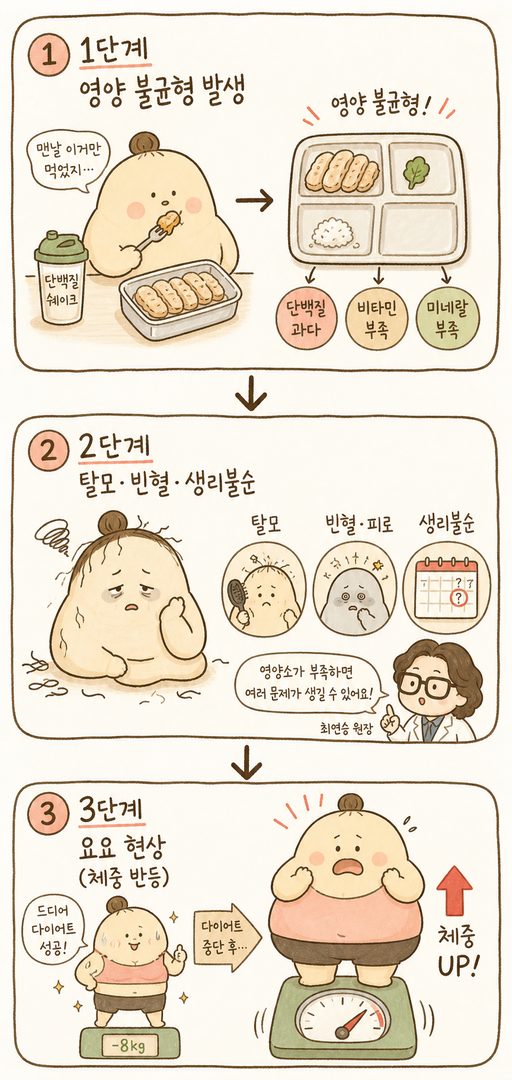
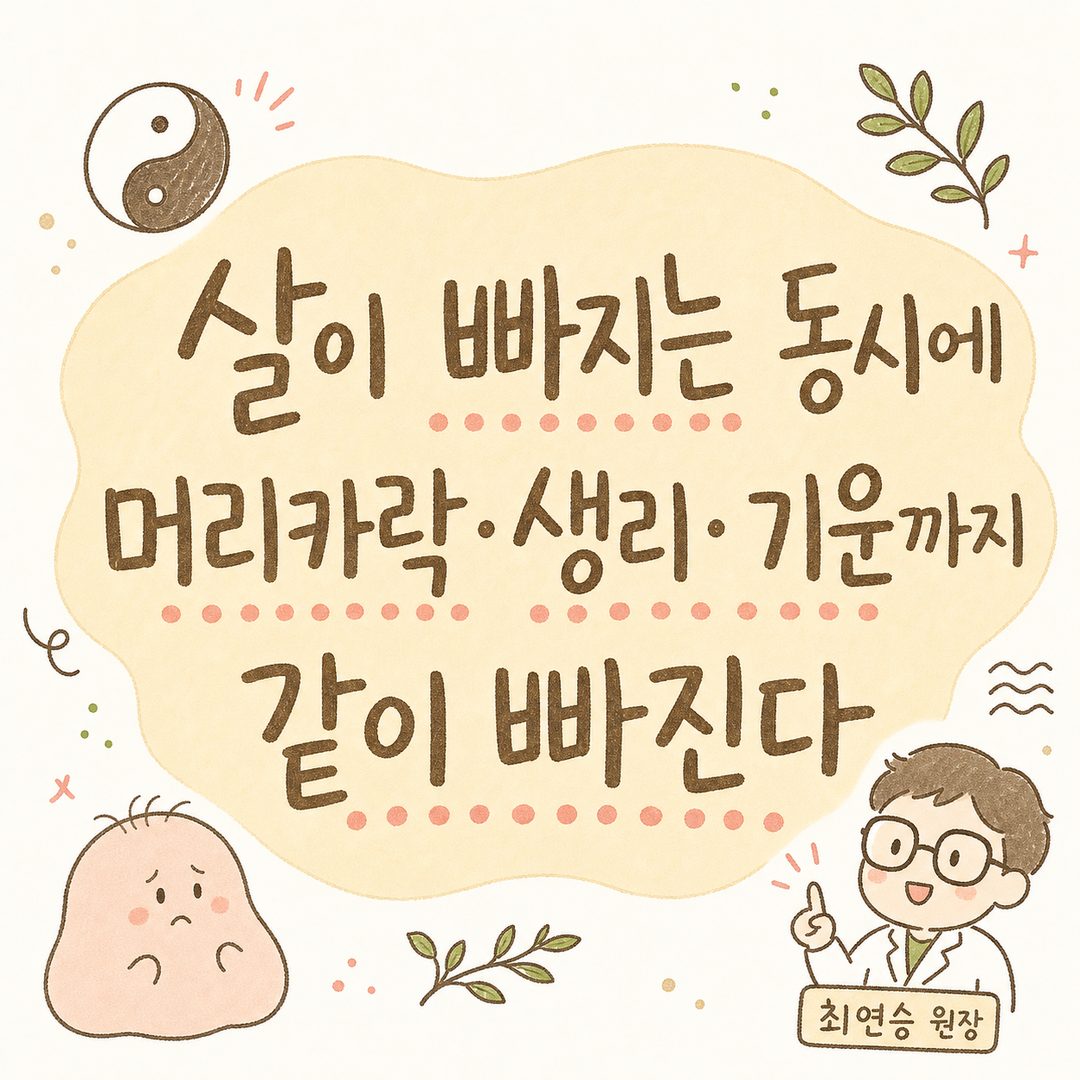
Looking only at the scale numbers, it seems like 1~2kg was lost in just a few days. But hearing the stories of patients we meet in the clinic, the scenery behind it unfolds quite differently. While short-term weight loss exists, as time passes nutritional imbalance, muscle loss, hair loss, anemia, constipation or diarrhea, menstrual irregularity, rebound phenomenon following along is quite common.
We've especially seen women who carried a single-fruit diet low in protein for a long time come in because their menstrual cycle became disrupted. There are also those who worry because their hair is falling out more than usual. More than anything, once it's over and you return to normal food, the weight comes back even more than what was lost—this rebound follows almost like a formula. This is why experts don't recommend one-food diets.
How does Traditional Korean Medicine view this?
In Traditional Korean Medicine, a diet of eating only one type of food for a long period is viewed as eating habits that break the balance of the spleen and stomach. The spleen and stomach are the pathways through which our body accepts food and converts it into energy. When the same food enters repeatedly, the digestion and absorption rhythm becomes monotonous, and energy becomes biased toward one side.
For example, if you eat fruits with cold properties, such as apples or bananas, for every meal, some people experience a cold stomach, leading to loose stools or cold hands and feet. Conversely, a diet consisting only of protein can lead to the drying up of fluids, resulting in constipation or dry skin. What started as a desire to lose weight ends up creating constitutional imbalances such as Qi deficiency, blood deficiency, and phlegm-fluid. Therefore, I advise my patients, "Instead of losing weight with one thing, try eating less and eating a variety of foods according to your constitution."
![Vertical list checklist format. In the top 'Do this' section, there are 3-4 items with green ✅ checkmarks; in the bottom 'Absolutely avoid' section, there are 3-4 items with red ✗ marks. Visualized with icons(contains]](/api/files/assets/2026-06/4a9c739e.jpg?sig=27ddb44b4333da2501b25124ed3c3ca44fecaca5a072f664074e411ddde69d97)
Practical points you can apply right now
To see effects while avoiding extremes, you only need to remember a few things.
Instead of replacing an entire meal with bananas or apples, please add protein (eggs, tofu, lean meat) and vegetables together.
If you must attempt a fruit-only diet, the safety line is not to continue for more than 2 weeks.
Rather than suddenly dropping your total daily intake below 1000 kcal, start by reducing processed foods and simple sugars from your usual diet. This has fewer side effects.
If constipation, irregular menstruation, or dizziness occurs, stop immediately and return to a general diet. The signals your body sends are the most accurate.
Even if you eat the same amount, if you chew thoroughly and eat slowly, satiety comes faster and the burden on the spleen and stomach is reduced.
I often meet people whose physical condition changes significantly after a month by changing just a few small habits.
One-food diets are methods where the price is as high as they seem fast and simple. No one would want to repeat the experience of losing hair, menstruation, and energy along with losing weight. At Baekrokdam Korean Medicine Clinic, we operate the Baekrok Gambi-jung tablet program, which provides herbal medicine and dietary coaching after examining each patient's constitution and life rhythm. If you want to control your weight healthily without relying on a single food, let's have a comfortable conversation in the consultation room.