LCHF Diet: Science, Benefits, and Precautions

Table of Contents
- LCHF Diet: Science, Benefits, and Precautions
- Why do some lose weight while others only feel drained?
- Spleen Deficiency (Bi-heo) and Digestive Limits Hindering LCHF Effects
- Risks of Phlegm-fluid (Dameum) and Blood Stasis (Eo-hyeol) in Fat Metabolism
- What are the essential elements to include in an LCHF diet?
- TKM Tips for Breaking Weight Loss Plateaus
- Frequently Asked Questions
LCHF Diet: Science, Benefits, and Precautions
In the clinic, I often hear patients ask, "Doctor, I cut out carbs and only ate pork belly, so why do I feel heavier and haven't lost weight?" It is frustrating to follow a popular diet trend and not see the expected LCHF (Low Carb High Fat) effects. When I first started this diet, I also struggled, stubbornly sticking to only butter and meat, thinking that simply reducing carbohydrates would automatically burn fat.
The ketogenic diet, as it is commonly known, is not just about "eating a lot of meat." It is a sophisticated metabolic transition that shifts the body's fuel system from glucose to fat (ketones). Today, I will explain why this diet works differently for everyone and what risks you should monitor, based on clinical data and Traditional Korean Medicine (TKM) perspectives.
Why do some lose weight while others only feel drained?
The core of the LCHF diet is entering a state of "ketosis," where insulin levels are kept low, prompting the body to use fat as its primary fuel. However, many people focus solely on reducing carbohydrates and overlook the crucial "fat metabolism capacity."
For our bodies to convert fat into energy, the liver and pancreas must function smoothly. In TKM, this is interpreted as the circulation of Qi and Blood (氣血) and metabolic capacity. If someone with a weak "metabolic fire" suddenly starts a high-fat diet, they take in fuel (fat) but lack the power to burn it, often resulting in the accumulation of metabolic waste.
Particularly for those with severe diabetes or insulin resistance, the "doors" to their cells are closed to energy, making them prone to extreme fatigue in the early stages. Rather than focusing on the scale, it is essential to check if your body is ready to convert fat into energy—that is, whether you have achieved "metabolic flexibility."
Spleen Deficiency (Bi-heo) and Digestive Limits Hindering LCHF Effects
If you experience bloating or frequent diarrhea after starting a high-fat diet, you should check your digestive health. In TKM, this is often diagnosed as Spleen Deficiency (Bi-heo, 脾虛), a state where the energy of the spleen and stomach is weakened. Fat requires a more complex breakdown process than carbohydrates and relies heavily on bile.
If someone with weak digestion suddenly increases fat intake to see LCHF effects, undigested fat can worsen the intestinal environment and create toxins.
Spleen Deficiency (Bi-heo): Lack of power to convert food into energy.
Phlegm-fluid (Dameum): Accumulation of waste products due to improper metabolism.
In this state, instead of losing weight, you are likely to experience swelling and skin breakouts. Rather than blindly increasing fat, it is important to adjust the amount gradually to a level your digestion can handle. If your stool quality declines after eating greasy food, consider it a warning signal from your body.
Risks of Phlegm-fluid (Dameum) and Blood Stasis (Eo-hyeol) in Fat Metabolism
If your weight remains stagnant despite strictly following the diet, there is a high possibility that stagnant flows in the body, such as Phlegm-fluid (Dameum, 痰飮) and Blood Stasis (Eo-hyeol, 瘀血), are causing a bottleneck. Waste products that should be excreted as fat burns stay in the blood, causing inflammatory responses.
Symptoms like headaches, muscle pain, and lethargy—often called the "Keto Flu"—can be a temporary adaptation process, but in TKM, they are also seen as resistance responses caused by blocked Qi and Blood circulation.
Phlegm-fluid (Dameum): Thick waste products formed when water metabolism is sluggish.
Blood Stasis (Eo-hyeol): A pathological state caused by stagnant blood circulation.
To reduce these risks, it is essential to maintain electrolyte balance and stay hydrated. Furthermore, when supplementary care to clear the blood and aid circulation is combined, you can finally break through plateaus and see the true LCHF effects.
What are the essential elements to include in an LCHF diet?
Many people focus so much on "fat" that they forget about "vegetables." However, the key to a successful LCHF diet lies in dietary fiber and minerals. When you limit carbs, the body sheds water, and with it, electrolytes like magnesium, sodium, and potassium are lost.
Lack of vegetable intake can disrupt the gut microbiome and lead to constipation, which is a major culprit in reducing metabolic efficiency.
Cruciferous Vegetables: Broccoli, cauliflower, etc., support liver detoxification and promote fat metabolism.
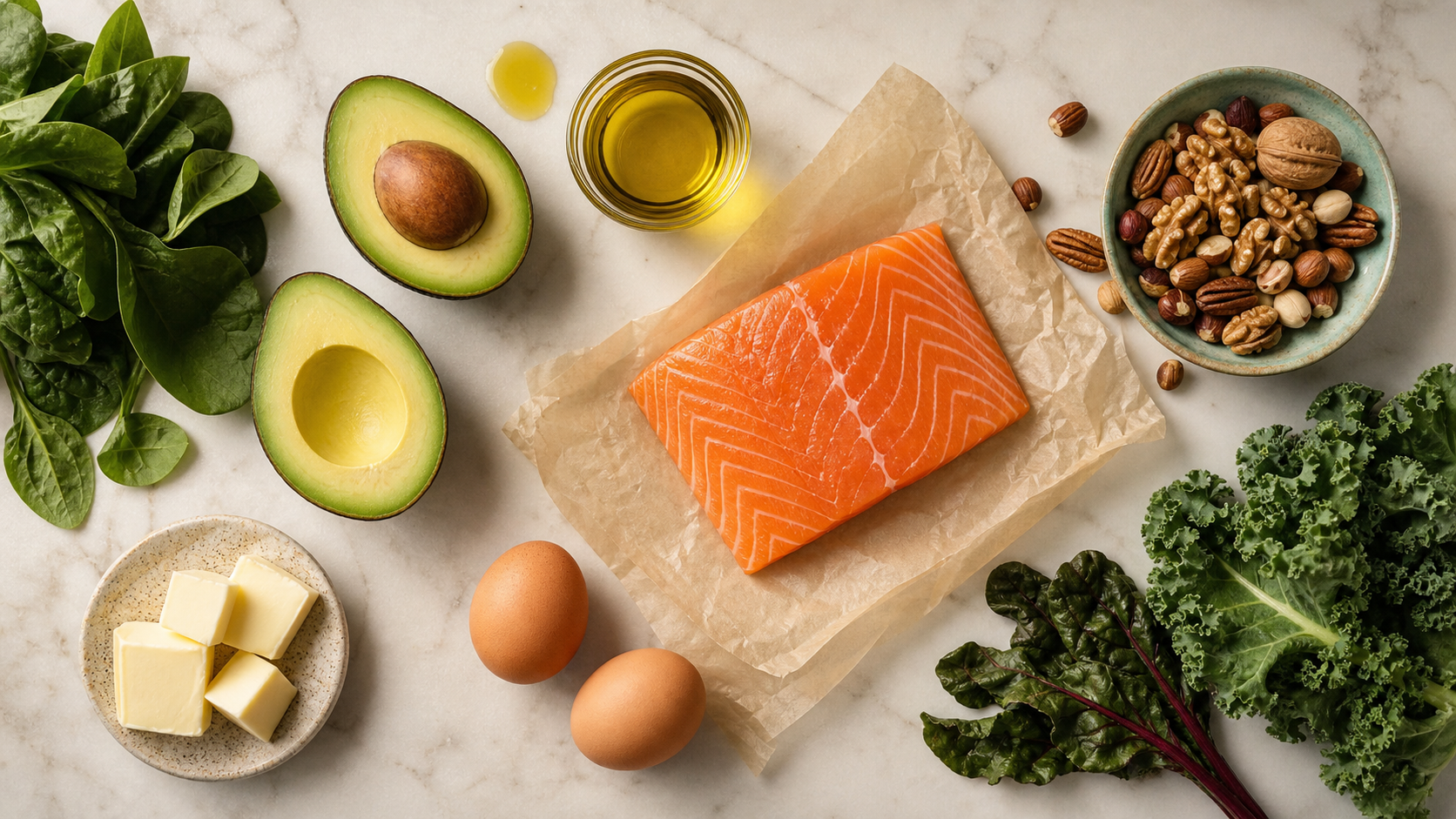
Quality Fats: Choose natural fats like avocado oil, olive oil, and grass-fed butter over processed vegetable oils.
A diet is less about "what not to eat" and more about "what to fill your body with." When a diet is nutritionally balanced, the body finally feels safe enough to start burning body fat.
TKM Tips for Breaking Weight Loss Plateaus
When you hit a limit with diet alone, intervention to directly flip the body's metabolic switch may be necessary. For example, for those with a constitution prone to internal heat and waste accumulation, prescriptions like Bangpungtongseong-san (防風通聖散) can help activate metabolism and discharge waste.
Additionally, similar to the mechanism of Semaglutide, which is gaining attention in obesity treatment, improving insulin sensitivity and stabilizing appetite rhythms is key to long-term success. In TKM, this is viewed not as simply suppressing appetite, but as correcting internal imbalances so the body can find its optimal weight naturally.
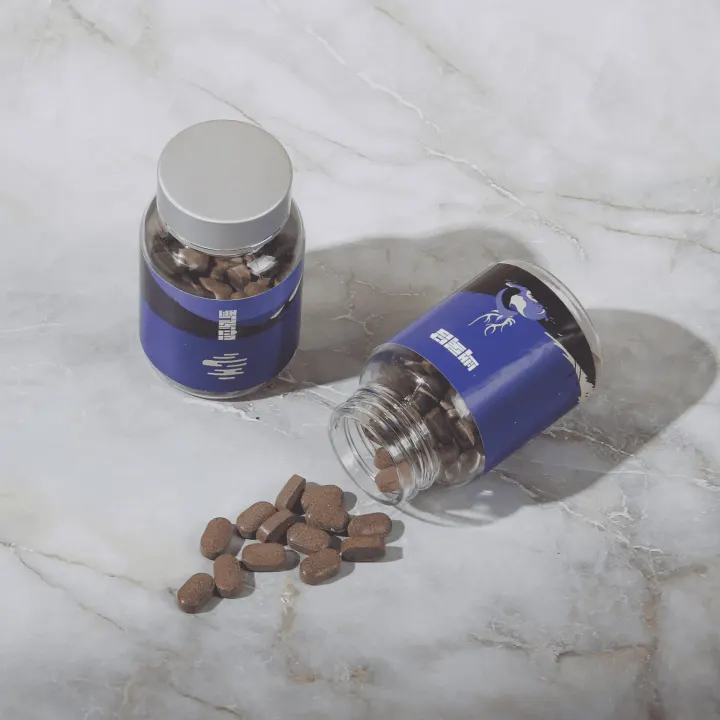
If dieting alone leads to binge eating or severe loss of energy, it is wise to check if your current metabolic state can handle the intensity of your diet. Using supplementary aids like Baekrok Gambi-jeong can help manage appetite and improve metabolic efficiency.
Frequently Asked Questions
Q. Why am I experiencing hair loss after starting LCHF?
Drastic dietary changes act as a stressor to the body. Hair loss can occur particularly if protein intake is insufficient or if there is a deficiency in minerals like B vitamins and zinc. In TKM, this is seen as Blood Deficiency (Hyeol-heo, 血虛), where nutrients are not sufficiently delivered to the hair follicles. Increasing protein proportions slightly and consuming mineral-rich seaweed or nuts can help.
Q. Can I expect LCHF effects if I have hyperlipidemia?
This is an area that requires the most caution. Increasing fat intake can temporarily raise LDL cholesterol levels. While there are positive changes like lower triglycerides and higher HDL, precise monitoring is essential if your vascular health is already fragile. Rather than blindly increasing fat, it is safer to adjust the ratio of saturated to unsaturated fats and approach the diet stepwise under professional consultation.
LCHF effects are not just a means to lose weight, but a process of repairing your body's metabolic engine. Don't get lost in the numbers; listen to your body's condition and digestion today. Healthy change always begins with understanding your own body.