Protein Bar Guide: Kalba vs. Wishier

Table of Contents
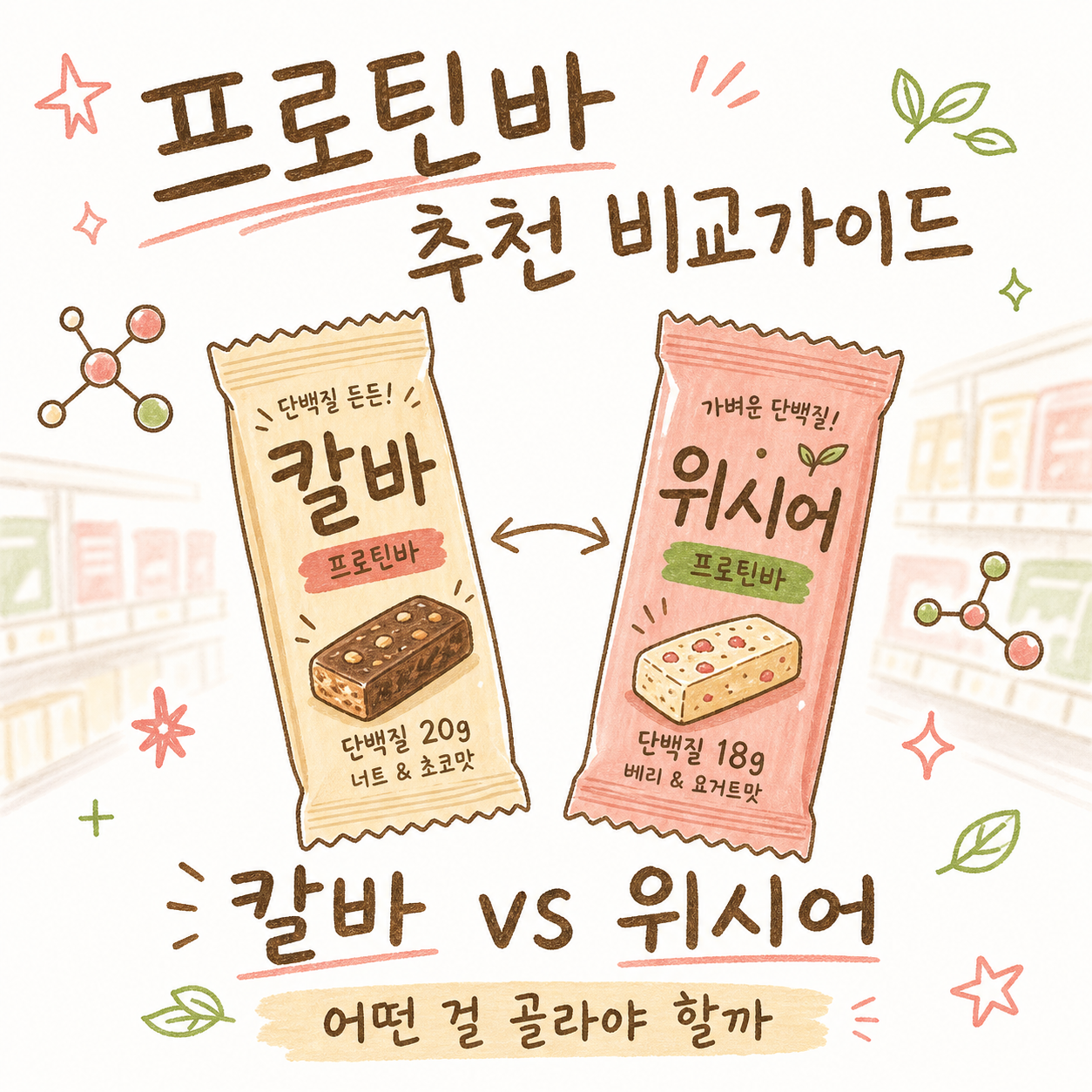
In my practice, I often hear from weight management patients: "Doctor, I just eat chocolate bars when I get hungry during night shifts." I completely understand the craving for sweets after long hours. Convenience stores are filled with colorful protein bars, but it's hard to tell which ones are truly protein snacks and which are just chocolate bars in disguise. Today, let's compare two popular choices: Kalba Protein Balance Cocoa Fudge and Wishier Real Crispy Protein Bar, and discuss what to look for when choosing a protein bar.

The Base - Understanding the Bar's Identity
Protein bars are "nutritional supplements in bar form with protein as the main ingredient," as described in the MyProtein category. They're packaged like chocolate bars for easy storage and portability. The key difference lies in whether they're designed as snack-type or diet-type bars.
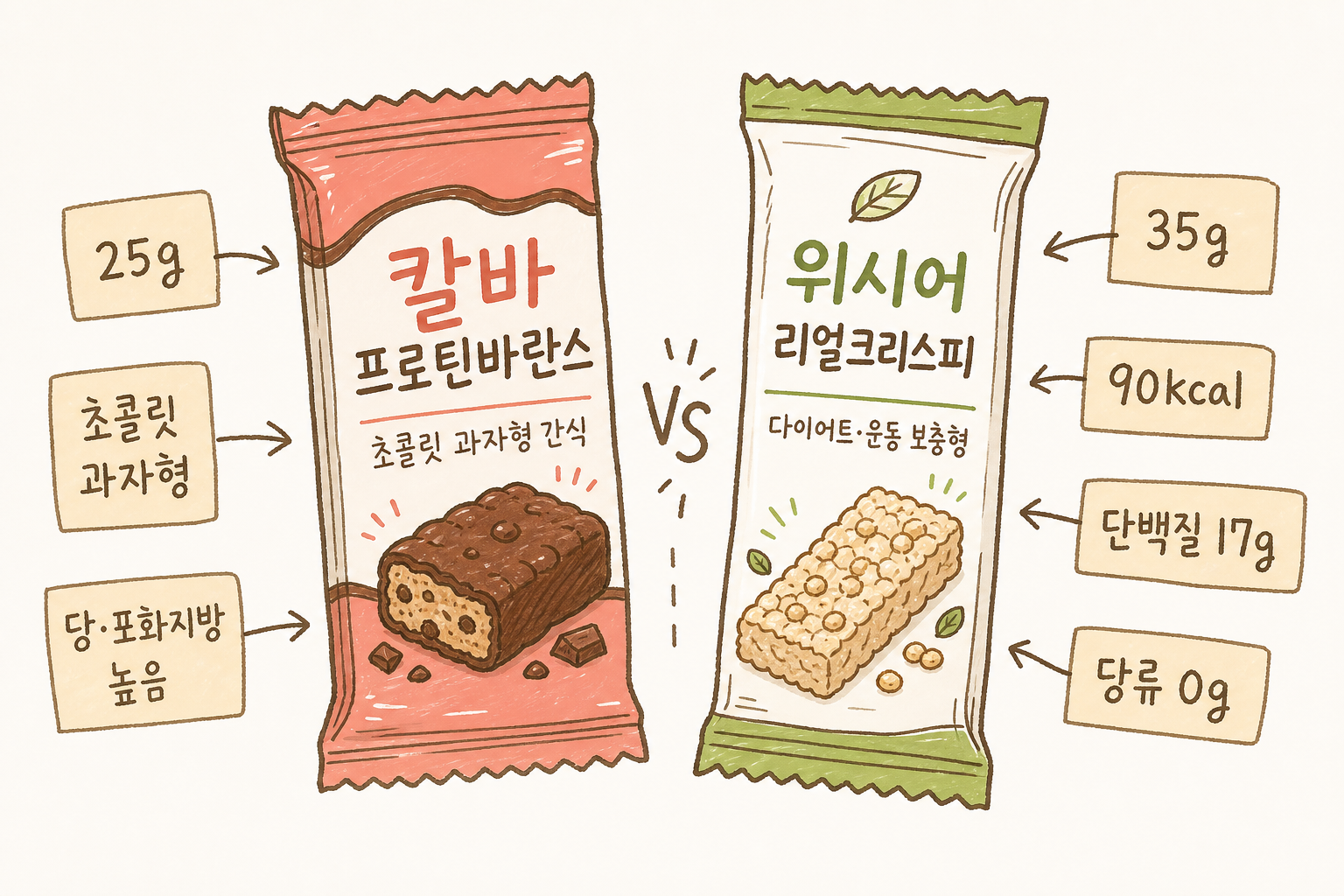
Kalba Protein Balance positions itself as a "chocolate snack with added protein," sold in 25g sizes, typically in packs of 3 or 6. Wishier Real Crispy Protein Bar weighs 35g and contains chocolate crunch balls and nuts, with a stronger focus on protein supplementation.
Protein Content - How Much Per Bar?
The most important number is protein content. According to MyProtein data, commercial protein bars typically contain 10-20g of protein per bar, with the recommended post-workout intake being 15-25g per serving.
Wishier Real Crispy Protein Bar contains 17g of protein per 90kcal bar, fitting well within the recommended range. Kalba Protein Balance doesn't clearly display its protein content or calories on major shopping platforms, so it's crucial to check the nutrition label before purchasing.
Additional Ingredients - Nuts and Crunch Factor
Additional ingredients affect texture, calories, and fat content. Wishier's bar includes macadamia nuts, pistachios, and chocolate crunch balls, providing a satisfying "chocolate snack" experience. Kalba's bar is categorized as a chocolate snack, with shopping guides noting it may be high in sugar and saturated fat.
Sweeteners - Sugar and Additives
For weight management, sugar content is as important as protein. Wishier boasts 0g of sugar, using allulose instead of sugar or maltitol, and avoids palm oil, dairy, and GMO ingredients. It contains 13g carbohydrates, 2g fat, 206mg sodium, and 3.2g dietary fiber. Kalba's bar carries a warning about potentially high sugar and saturated fat content.
Snack-Type vs. Diet-Type: An Honest Comparison
Kalba Protein Balance (Snack-Type)
A snack with slightly more protein than regular chocolate bars
Suitable as a convenient snack alternative
For those who want something sweet with some protein
May be high in sugar and saturated fat
Wishier Real Crispy (Diet/Exercise Supplement)
90kcal with 17g protein, 0g sugar
Fits within recommended post-workout protein range
Uses allulose-based sweeteners
Higher price point at approximately 21,700 KRW for 8 bars
Recommended Combinations
Night Shift Snack - Kalba Protein Balance + unsweetened soy milk
Post-Workout Recovery - Wishier Protein Bar + warm water (within 30-60 minutes after exercise)
Light Breakfast Alternative - Wishier Protein Bar + plain yogurt + blueberries
The key principle is to combine protein + hydration + fiber rather than relying solely on the protein bar.
Protein bars can be valuable allies in weight management when chosen wisely. Remember to check: protein content (10-20g per bar), calories (150-250kcal range), sugar content, and additional ingredients. If you're unsure about which approach suits your constitution or how to combine it with Korean medicine treatment, consider consulting at Baekrokdam Korean Medicine Clinic. Our Baekrok Gambi-jung prescription and dietary coaching can help tailor your entire eating plan to your constitution.