Post-GLP-1 Weight Management: A TKM Complementary Guide

Table of Contents
- Post-GLP-1 Weight Management: A TKM Complementary Guide
- The Gap Between 'Fake Satiety' and Actual Metabolism
- Two Variables for the Yo-Yo Effect: Muscle Mass and Metabolic Flexibility
- TKM Complementary Care: Focusing on 'Recovery,' Not Suppression
- The Path to Sustainable Maintenance
- Frequently Asked Questions
Post-GLP-1 Weight Management: A TKM Complementary Guide
"My appetite exploded as soon as I stopped the medication." "I lost weight, but I have no energy and feel lethargic." These are the most common complaints I hear in the clinic lately from patients who have used GLP-1 receptor agonists like Wegovy, Saxenda, or Ozempic. The sense of emptiness and the fear of the yo-yo effect that follows dramatic weight loss are very real challenges that many of my patients face.
These medications work by stimulating the brain's satiety centers and slowing gastric emptying to "force" a reduction in food intake. However, once the drug leaves the system, the problem shifts if the body's metabolic system has already adapted to that lower calorie intake. It is no longer just a matter of willpower; the body's energy set point has been altered.
The Gap Between 'Fake Satiety' and Actual Metabolism
GLP-1 medications are incredibly powerful at suppressing appetite. However, what we must not overlook is that while the drug suppresses hunger, the body's Spleen and Stomach (脾胃) functions—the core of digestion in Traditional Korean Medicine (TKM)—can actually weaken.
From a TKM perspective, the process of forcibly reducing intake often leads to a state of Spleen Deficiency (脾虛). When digestive and absorptive capacities decline and energy is depleted, if this is dismissed as just "part of losing weight," the body will send even more intense hunger signals for survival once the medication is stopped. This is the core mechanism of the yo-yo effect we commonly experience.
Two Variables for the Yo-Yo Effect: Muscle Mass and Metabolic Flexibility
The problem isn't just the number on the scale returning; it's what that weight consists of. Patients who experience severe yo-yoing after medical weight loss usually share two common variables.
First is muscle loss. When food intake is extremely restricted, the body burns not only fat but also muscle. Muscle is the body's energy-consuming factory; when the factory size shrinks, the basal metabolic rate (BMR) drops.
Second is the loss of metabolic flexibility. If the body loses its ability to efficiently switch between burning carbohydrates and fats for energy, it shifts into a constitution that gains weight easily even with small amounts of food. In TKM, this is viewed as a state where Phlegm-fluid (痰飲) accumulates and the circulation of Qi and Blood stagnates. Attempting to manage this with diet alone will inevitably lead to exhaustion and dizziness.
TKM Complementary Care: Focusing on 'Recovery,' Not Suppression
Post-medication management should not focus on suppressing something again, but rather on recovering the disrupted metabolic balance.
First, we must resolve the stagnated energy caused by Liver Qi Stagnation (肝鬱) and reinforce the weakened Spleen (脾胃) function to create an environment where the body can generate its own energy. Instead of simply suppressing appetite, we improve metabolic efficiency so the body feels, "I am receiving enough energy now."
In particular, the process of removing Blood Stasis (瘀血) to aid circulation and discharging accumulated metabolic waste is essential. Only then can we raise the BMR that was lowered by the medication and dampen the waves of the yo-yo effect.
The Path to Sustainable Maintenance
Life after medical weight loss is about creating a 'body that maintains itself without medication.' The most dangerous thing at this stage is relying on strong suppressants again.
Instead, you need an approach that flips the metabolic switch back on. This means normalizing metabolic function while providing proper nutrition that the body can handle, rather than excessive fasting. In this process, TKM complementary treatment serves as an excellent support system to reduce the body's overload and assist in natural weight maintenance.
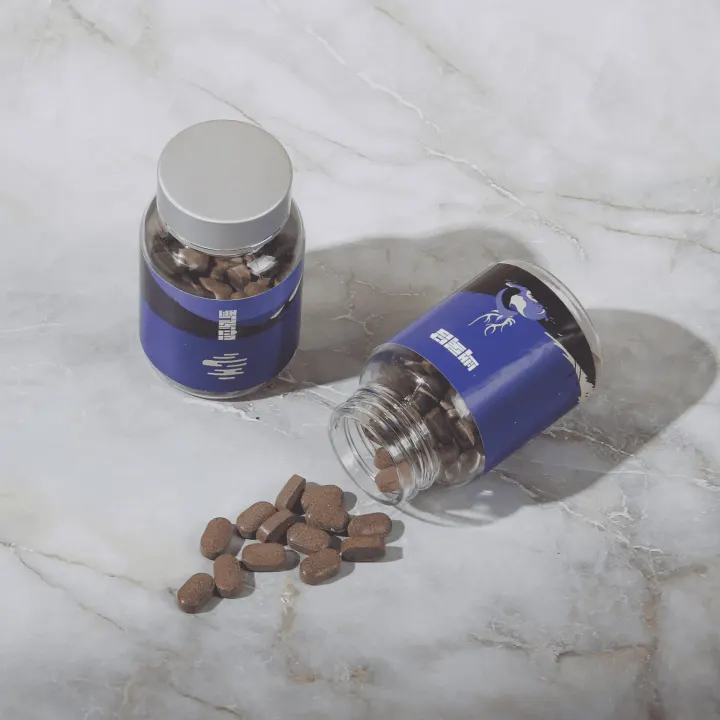
If you need systematic metabolic recovery and constitutional improvement, check your current physical condition and start customized management through Baekrok Gambi-jeong.
Frequently Asked Questions
Q. My appetite became uncontrollable as soon as I stopped the medication. Should I start it again?
Resuming the medication is only a temporary fix. Right now, the priority should be recovering Spleen and Stomach (脾胃) function and increasing metabolic rate to reduce 'fake hunger.' Once the body's nutritional imbalance is corrected, appetite will naturally regulate itself.
Q. I'm exercising hard, but I keep gaining weight. Why?
If your weight is increasing despite maintaining muscle mass, there is a high possibility that waste products like Phlegm-fluid (痰飲) or Blood Stasis (瘀血) are stagnating in your body. When metabolic efficiency is low, increasing exercise volume alone won't solve the problem. It is better to first undergo treatment that opens the body's circulatory pathways.