
People Who Get Diarrhea From Eating Greasy Foods | Incheon Chronic Diarrhea

If You Get Diarrhea Only After Eating Fatty Foods, Your Problem Isn't 'Fat'
| “Normally, my digestion is fine, but if I eat fatty foods like samgyeopsal or fried chicken, my stomach hurts and I get diarrhea. I always have to rush to the restroom after a tasty meal, so I even dread company dinners.” |
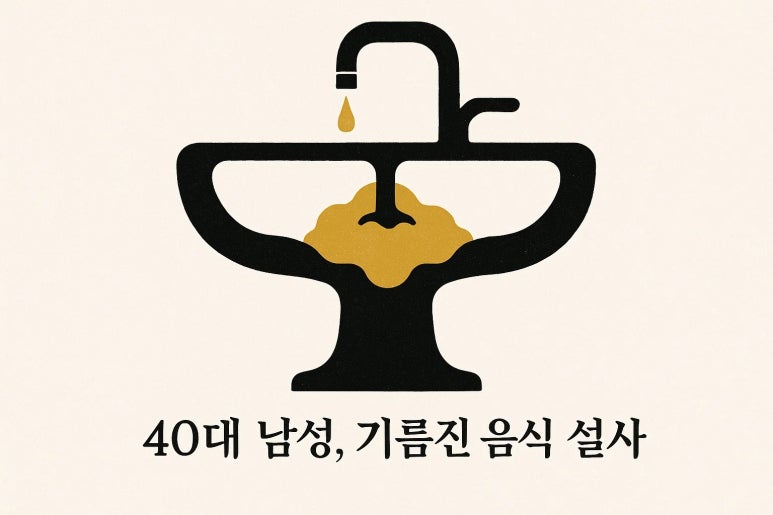
Mr. G, a man in his 40s, expressed his frustration. He consistently experienced these symptoms only after eating fatty foods. He often took antidiarrheal medication, thinking he just had an upset stomach, but reported minimal effectiveness. In his case, the symptoms typically occurred 1-2 hours after consuming fatty foods.
The Sink That Can't Break Down Fat: The Role of Bile
Many people assume that an upset stomach after eating fatty foods is simply due to a weak stomach or enteritis. However, it's important to check whether a crucial substance called 'bile' is being properly secreted in your body. Bile is produced in the liver and stored in the gallbladder. When fatty foods enter the small intestine, bile is secreted to 'emulsify' fats, breaking them down into smaller particles. This process is akin to a detergent that washes away grease when doing dishes.
| Imagine your digestive system as a 'food processing plant'. Fat is like hardened grease. In a healthy body, sufficient bile is secreted to effectively wash away fat. However, if there's a problem with bile secretion, fat cannot be properly broken down and travels along the digestive tract. This is the true nature of diarrhea after consuming fatty foods. |
What Happens When Fat Remains in the Intestines
Undigested fat passes directly through the small intestine and moves into the large intestine. Although the large intestine is primarily responsible for absorbing water, when it detects undigested fat, it interprets it as an irritant and tries to expel it quickly. In this process, the fat is broken down by large intestine microbes, causing diarrhea along with a large amount of gas. This phenomenon can also manifest as 'steatorrhea' (fatty stool), characterized by stools that float, are pale in color, and sticky. This frequently occurs in cases where there are gallstones in the gallbladder or after gallbladder removal surgery.
| 💡 Digestive aids are not detergents that dissolve fat. Most over-the-counter digestive aids contain enzymes that break down carbohydrates or proteins, so they don't significantly help with fat digestion. Antidiarrheal medication only temporarily stops the symptoms and does not address the root cause of fat maldigestion. |
Conclusion: You Need to Clear the Path for Bile
Diarrhea after consuming fatty foods is not a sign of a weak gut, but rather a strong indication that there's likely a problem with bile secretion, which is crucial for fat digestion. If the flow of bile is not smooth, it can put a strain not only on the intestines but also on the liver. Managing your gallbladder health is the first step to escaping the discomfort caused by fatty foods.
If you also suffer from chronic diarrhea that reacts specifically to fatty foods, instead of simply reaching for digestive aids or antidiarrheal medications, try to make efforts to support bile secretion. Alongside regular eating habits, appropriate fat intake can actually stimulate the gallbladder, promoting smooth bile secretion. While excessive fat intake should be avoided, 'completely shunning it' is not always the best solution. Clearing the path for your gallbladder—that is the true solution.