Intermittent Fasting: Why Results Vary by Person

Table of Contents
When providing diet consultations in the clinic, one of the most frequent questions I hear is, "Doctor, will intermittent fasting work for me?" On YouTube or social media, you see people raving about losing 10kg, but many others share experiences of giving up quickly because they felt exhausted and dizzy.
I remember trying a 16:8 fast myself out of curiosity years ago. I ended up binge eating around 4 PM, unable to withstand the intense hunger. That is when I realized: intermittent fasting isn't just about 'enduring time without eating'; it is an adaptation process where your body's 'energy factory' switches its fuel source. Today, I will explain why the effects of intermittent fasting vary by individual and what constitutional support is needed from a Traditional Korean Medicine (TKM) perspective.
Intermittent Fasting: Why Results Vary by Person
When you start intermittent fasting, your body enters a state of confusion. Usually, it uses glucose from food as its primary fuel. When that supply is suddenly cut off, it must switch to using stored fat. This is called 'metabolic flexibility.'
However, for those with a Spleen Deficiency (脾虛) constitution—meaning weak digestive fire—or those lacking overall energy, this transition is not smooth. It is like having a rusty switch for changing fuels. If these individuals forcibly extend their fasting window, the body declares an emergency before it even begins burning fat. Instead, it may break down muscle for energy or drastically lower the metabolic rate. Consequently, they don't lose weight but instead suffer from cold hands and feet or dizziness.
Ultimately, to see the true effects of intermittent fasting, it is crucial to first check if your body is in a state capable of adapting to a 'fasting' environment.
The Principle of 'Metabolic Flexibility': Switching Energy Sources
The core of intermittent fasting is maintaining low insulin levels to create an environment where the body can easily burn fat. When you go without food for more than 12 hours, blood sugar drops and glycogen stored in the liver begins to deplete. At this point, the body starts breaking down body fat to use as energy.
I often compare this process to a 'hybrid car.' If the electricity runs out, the engine must switch to gasoline; if this transition mechanism is broken, the car stops. The effect of intermittent fasting is essentially the process of retraining this transition mechanism—your metabolic system.
After 12 Hours: Blood sugar stabilizes, and insulin levels begin to drop.
After 16 Hours: Fat burning becomes active, and growth hormone levels rise.
After 24 Hours: Autophagy, the process of cleaning out cellular waste, reaches its peak.
However, these stages are theoretical; in reality, the speed varies greatly depending on an individual's Qi and Blood (氣血) status.
Spleen Deficiency (脾虛) and Phlegm-Dampness (痰飮): Barriers to Success
In Traditional Korean Medicine, a state where metabolic waste accumulates and stagnates is called Phlegm-Dampness (痰飮). If your body feels heavy, you don't feel refreshed after sleep, and you feel bloated even after drinking water, there is a high probability that Phlegm-Dampness has accumulated. For these individuals, intermittent fasting can be an excellent 'cleaning tool' to clear the stagnation.
On the other hand, if you are in a state of Spleen Deficiency (脾虛), where the digestive system is too weak to absorb nutrients, the story is different. Because those with a Spleen Deficiency lack the 'basic stamina' to endure fasting, they need a strategy of slowly increasing fasting time while revitalizing gastrointestinal function rather than simply starving.
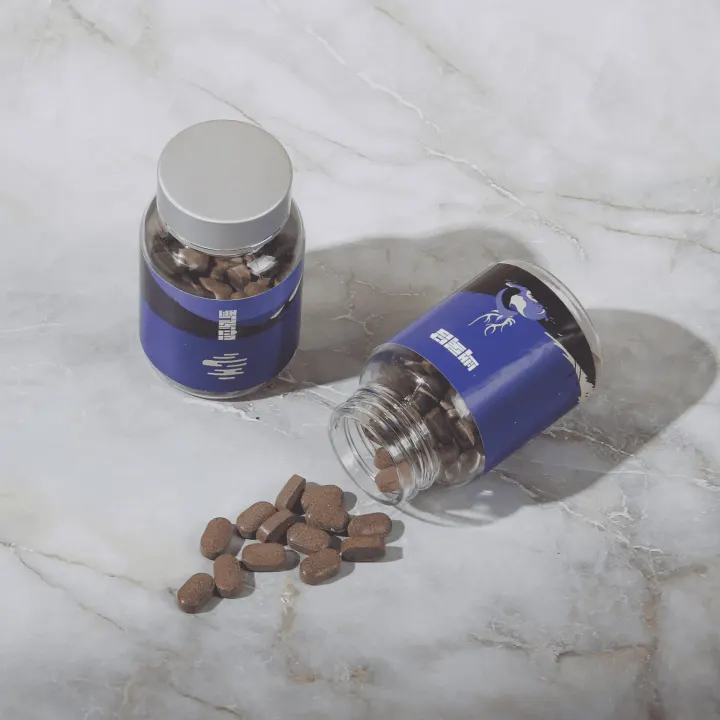
If you experience heartburn, loud stomach growling, or extreme lethargy during fasting, these are red flags from your body. In such cases, rather than forcing yourself to endure, it is more efficient to first balance the body with prescriptions like Baekrok Gambi-jeong, which aids metabolism.
Step-by-Step Changes During Fasting
If you are starting intermittent fasting for the first time, I recommend beginning with the 12:12 rule. If you finish dinner at 7 PM, do not eat anything except water until 7 AM the next day. This alone allows the body to enter 'detox mode' overnight.
Once you have adapted, gradually increase the time to 14:10 and then 16:8. By maintaining a 16-hour fast, your body finally begins to recognize stored fat as its primary energy source. At this stage, try to view mild hunger as a signal that 'my body is burning fat,' which may help you feel more at ease.
However, there is a caveat. What you eat during the 'eating window' is just as important as the fasting duration. If you binge on processed foods or high-sugar items during the 8-hour window after fasting for 16 hours, your insulin levels will spike, neutralizing the benefits of the fast.
Healthy Fasting Strategies for Your Constitution
To maximize the effects of intermittent fasting, you need a 'custom strategy' that considers your lifestyle and constitution.
Morning People: A pattern of eating a hearty breakfast and ending dinner early is advantageous.
Night Owls: Skipping breakfast and eating lunch and dinner is often easier to maintain.
High-Stress Individuals: For those with Liver Qi Stagnation (肝鬱)—where energy is clumped due to stress—fasting can actually increase stress levels. In this case, it is better to first have time to stabilize the mind and body with warm tea.
Ultimately, the success of a diet depends not on 'how long you can endure,' but on 'how well you listen to your body.' Instead of obsessing over numbers, carefully observe your condition today—whether the hunger feels unpleasant or if your mind feels clearer.
If you find it exceptionally hard to endure hunger or if your metabolism is so slow that you've hit a plateau, it is a good idea to check your Qi and Blood status through a consultation with a specialist. TKM intervention aims to improve the body's environment so the metabolic switch turns on easily, rather than simply suppressing appetite.
Frequently Asked Questions
Q. Can I drink coffee or tea during intermittent fasting?
Black coffee or unsweetened tea is fine. Caffeine can even promote metabolism and aid fat burning. However, if you have a Spleen Deficiency (脾虛) constitution with a weak stomach, coffee on an empty stomach can irritate the gastric lining and cause heartburn. I recommend starting with warm barley tea or corn silk tea.
Q. I developed constipation after starting fasting. What should I do?
As food intake decreases, bowel movements may temporarily slow down. In this case, you must consume enough fiber-rich vegetables during your eating window and increase your water intake. From a TKM perspective, this could be due to excess heat in the intestines or a lack of Blood making the intestines dry. If symptoms persist, proper adjustment is necessary.
Intermittent fasting is not just a trend; it is a process of restoring your body's original functions. Don't be too impatient; give your body enough time to adapt and create healthy changes.