Severe Obesity Exercise: Low-Impact Cardio & Joint Care

Table of Contents
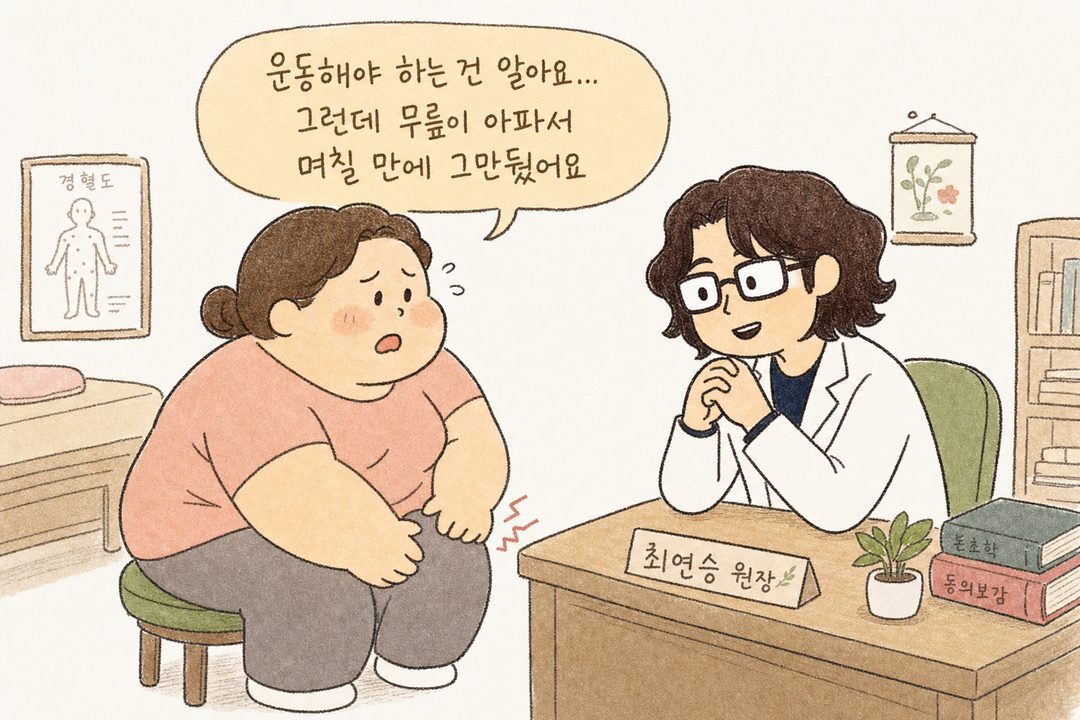
In the clinic, I often hear patients say, "I know I need to exercise, but my knees hurt as soon as I start, so I quit after a few days." Talking with patients about this makes me feel their frustration. In the stage of severe obesity, the body's signals often arrive before willpower does.
Why is Exercise So Difficult for Severe Obesity?
Let's start with the criteria. According to the Korean Society for the Study of Obesity (KASO) and Seoul National University Hospital, Class 1 obesity is a BMI of 25.0–29.9, Class 2 is 30.0–34.9, and Class 3 (BMI 35 or higher) is considered severe obesity. Since some institutions follow the WHO Asia-Pacific standards, which define severe obesity starting from a BMI of 30, it is important to check which criteria your hospital uses. Abdominal obesity is defined as a waist circumference of 90 cm or more for men and 85 cm or more for women.
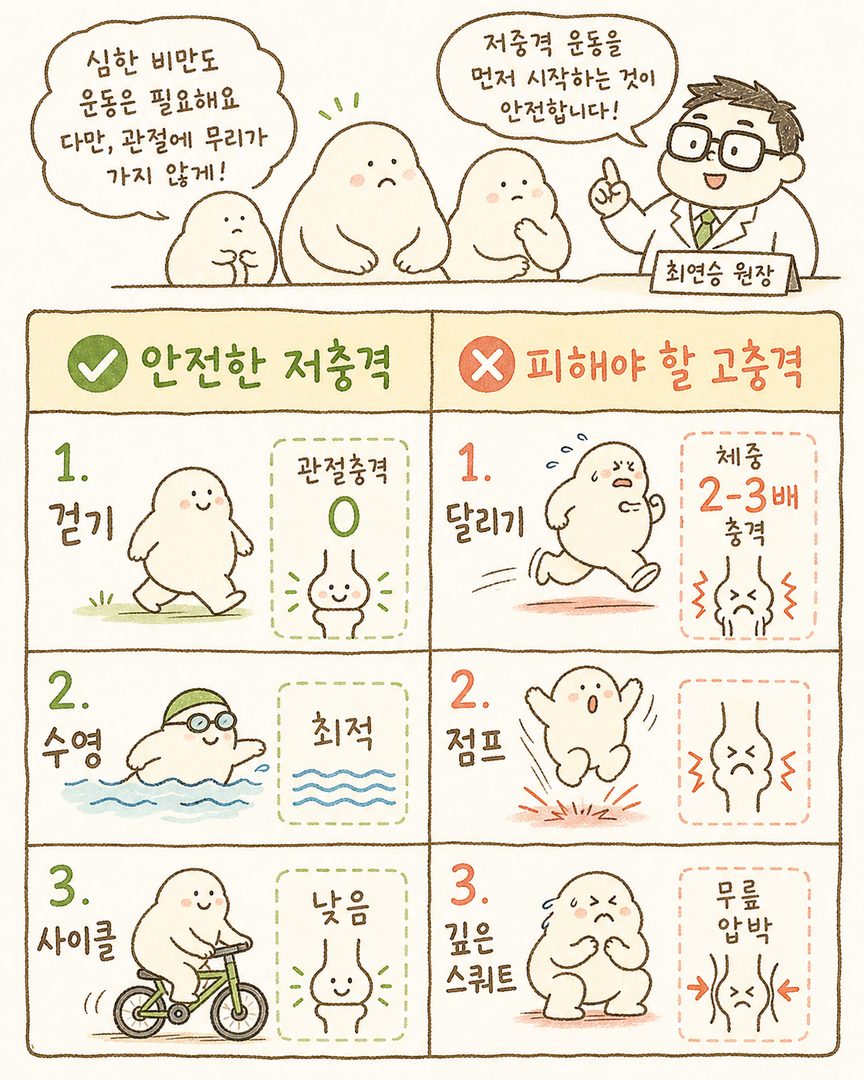
At this stage, the biggest obstacle is joint burden. Performing running or jumping exercises with heavy body weight puts immense pressure on the knees, ankles, and lower back. If you start with high-intensity movements like treadmill running, burpees, jumping jacks, or deep squats out of sheer motivation, you are likely to experience pain within days and give up on exercise altogether. If you choose the wrong starting point, your knees may give out before you lose any weight.
Essential Exercise Principles for Starting Out
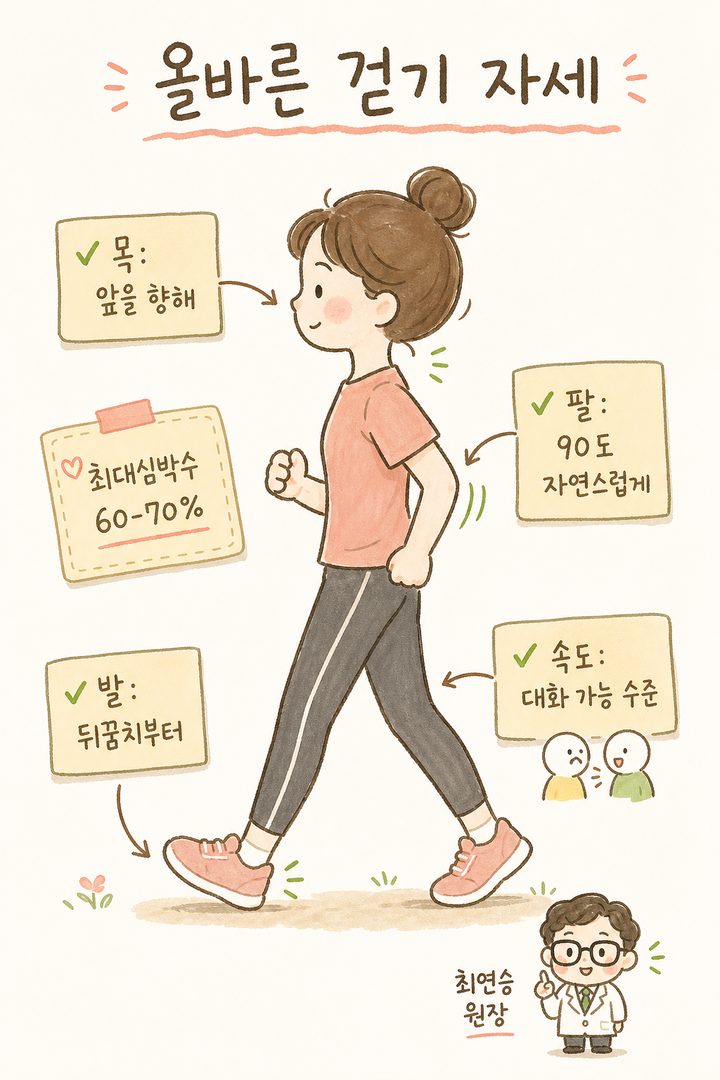
The core strategy is simple: Low-impact cardio + light strength training. Slowly build up these two pillars. Walking, swimming, and cycling are safe starting points. The intensity should be at a moderate level (60–70% of maximum heart rate), where you are slightly out of breath but can still hold a conversation with someone next to you.
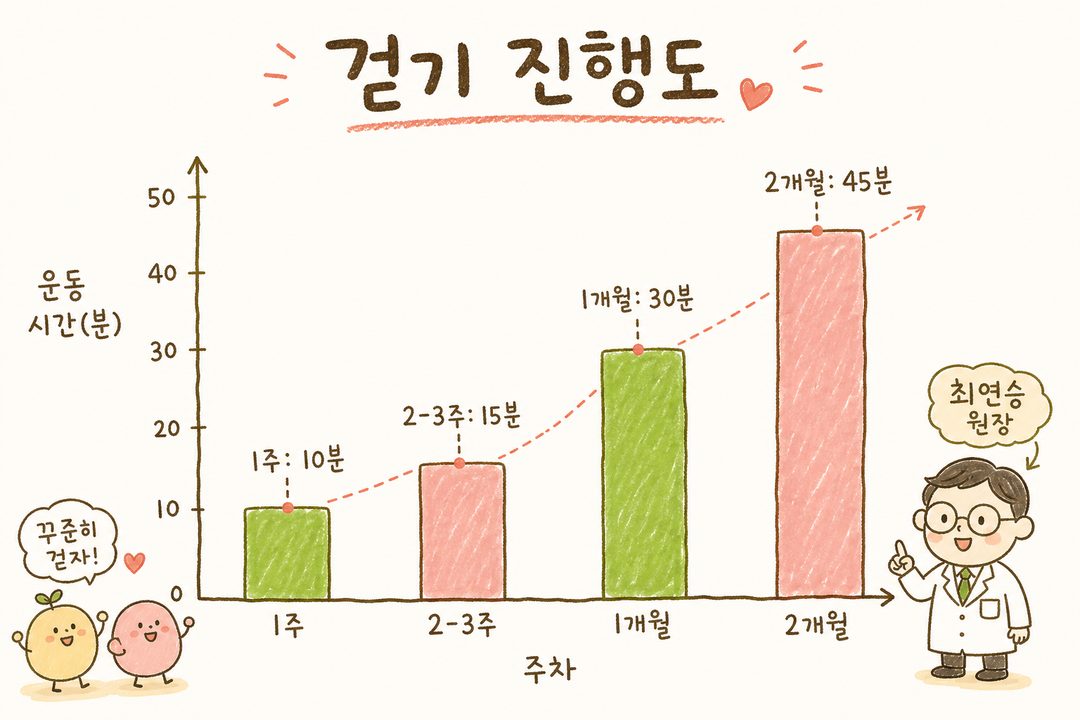
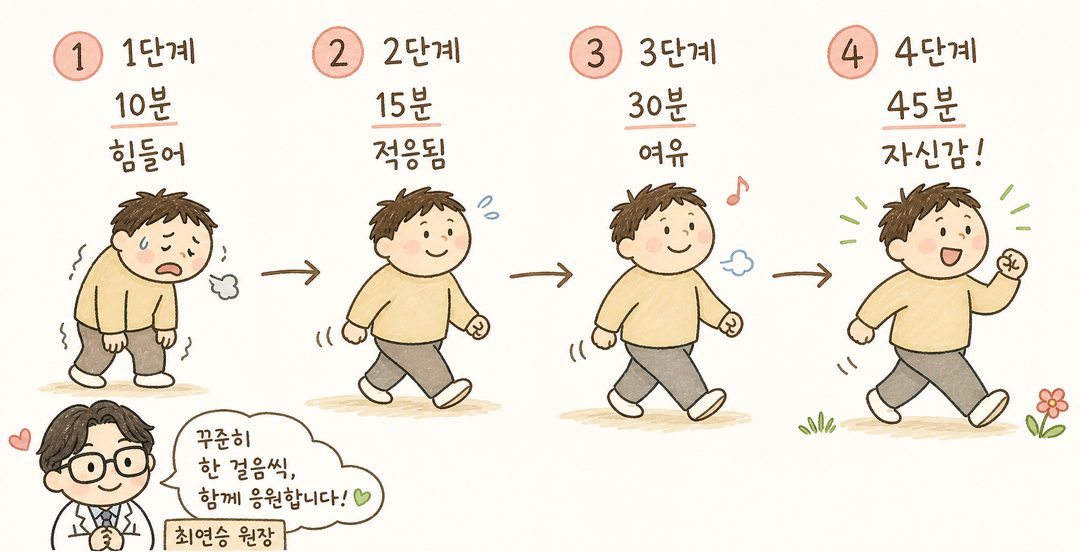
When it comes to walking, do not try to complete 30 minutes right away. Start with 10–15 minutes a day. Observe how your body adapts over one or two weeks, then gradually increase the duration to 30–45 minutes. Some guidelines recommend 30–40 minutes of walking per day, so you can set that as a goal for after the first month once your body has adjusted.
Do not overreach with strength training either. Excessive weights will worsen joint pain. It is best to start with dumbbells at a light weight that you can lift more than 15 times without strain. For frequency, aim for 5 or more days a week for cardio. Start with 30 minutes a day and eventually work your way up to 60 minutes (split into two 30-minute sessions).
The Progress That Begins with Walking
Most people I meet in the clinic ask, "Isn't 10 minutes too little?" However, once they start, they find that even 10 minutes of walking makes their legs feel heavy during the first week. That is normal. If you continue consistently without overexerting yourself at that stage, you will eventually reach a point where walking for 30 minutes feels natural.
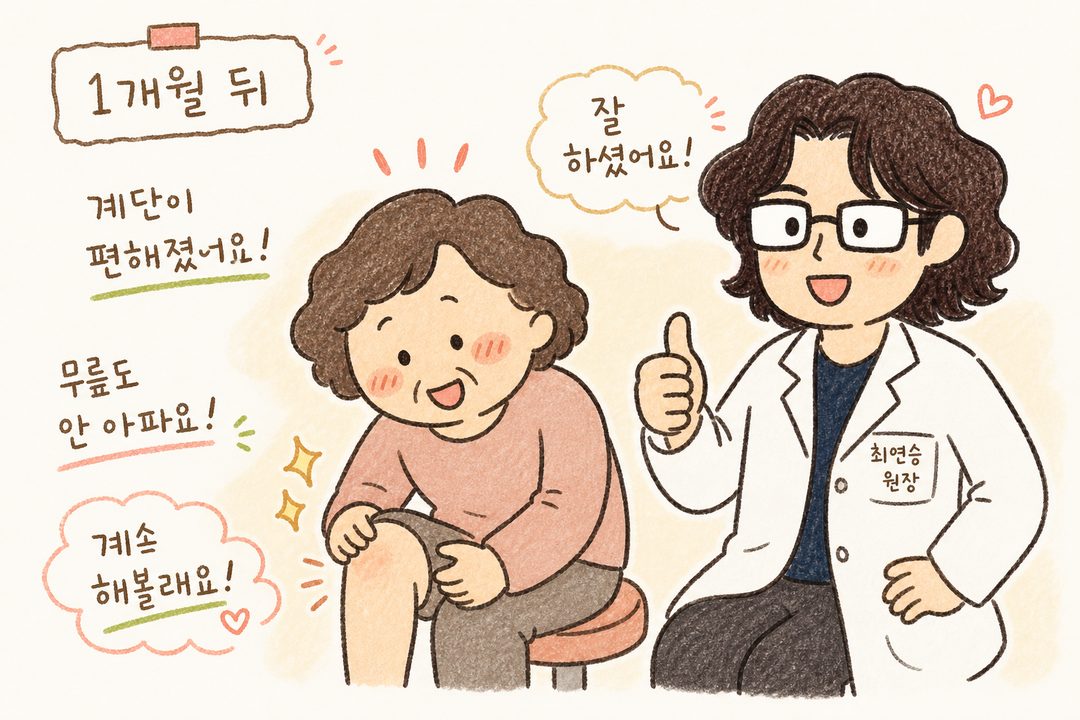
For those who have increased their intensity this way, the first changes they notice aren't necessarily on the scale, but rather signals like feeling less winded when climbing stairs, reduced knee aching, and less leg swelling at night. Do not get discouraged if the numbers don't drop quickly. National Health Insurance Service (NHIS) data also warns that excessive short-term weight loss carries a high risk of nutritional imbalance and the yo-yo effect, recommending a long-term plan of about one year.
The Baekrokdam Clinic Perspective
In Korean medicine, we first examine the constitution and physical condition, even for individuals with the same level of severe obesity. Even with the same BMI of 35, the approach must differ depending on whether the patient has severe edema, difficulty controlling appetite, or a habit of late-night snacking. Physical signals vary: some feel exhausted as soon as they start exercising, some experience recurring knee pain, and others suffer from severe constipation after reducing their food intake.
As a director, the flow I recommend is simple. First, establish low-intensity cardio that protects the joints. Second, reduce food intake reasonably to lower the calorie burden. Third, organize the body's energy, edema, and appetite patterns according to the individual's constitution to support consistent exercise. Korean medicine helps with this third pillar. It doesn't replace exercise and diet; rather, it plays a supporting role to ensure the momentum doesn't stop.
Action Points You Can Start Today
Plans that are too grand can become a burden. Here is a summary of what you can start right now:
Start with 10 minutes of walking and increase by 5 minutes every 2–3 weeks.
Postpone running, jumping, and deep squats for now; choose walking, swimming, or cycling as your fixed routine.
Reduce your usual food intake by 20–30%, or adjust one meal to about 2/3 of its usual size. Do not reduce it drastically all at once.
Cut out calories from late-night snacks, snacks, soda, and juice first—this is where you see the fastest results.
Reduce fried and instant foods, and adjust your diet to focus on brown rice, seasoned greens, and vegetables.
Eat three regular meals a day. Skipping meals leads to binge eating at the next meal.
For strength training, start with weights you can lift easily for 15+ reps, and perform movements slowly while watching yourself in a mirror.
Exercise and Diet Must Go Hand in Hand
If you try to lose weight through exercise alone when dealing with severe obesity, your joints will wear out first. If you only adjust your diet, you will lose muscle, making your body feel more lethargic. Carrying out both pillars together is the least taxing approach. At the stage of severe obesity, it is crucial to monitor comorbidities such as hypertension, diabetes, fatty liver, and sleep apnea alongside weight. If lifestyle modification is insufficient, the general course of action is to consult with medical professionals regarding pharmacotherapy or bariatric surgery.
Do not blame yourself if you miss a few days of exercise. Simply return to your 10-minute walk. As I always say in the clinic, taking a few days off in a one-year plan is just a normal part of the curve. Those who protect their knees and take the long view are the ones who go the furthest. If your exercise routine keeps breaking due to issues with appetite, edema, or energy levels, consider looking into Baekrok Gambi-jung, a Korean medicine prescription tailored to your constitution. At Baekrokdam Clinic, we analyze BMI, comorbidities, and lifestyle patterns to find the right weight management approach for each individual.