
Denmark Diet Guide: Low-Calorie, High-Protein Rules

Table of Contents
- Core Principles and Structure of the Denmark Diet
- Why Short-Term Weight Management Works and Precautions
- Physical Changes During the Denmark Diet
- Dangers of Extreme Low-Calorie Diets from a Korean Medicine Perspective
- Practical Tips for Adapting the Denmark Diet to Korean Body Types
- Transitioning Off the Diet Without Rebound
- References
When you need to drop weight quickly for an important event, you've likely heard of the Denmark Diet. Many people start it enticed by promises of rapid results, only to abandon it within days because the rules are too strict. I hear similar confessions often in the clinic.

Core Principles and Structure of the Denmark Diet
The Denmark Diet centers on low-carbohydrate, high-protein, and low-calorie intake. By reducing fat and focusing meals on protein and vegetables, it aims to decrease body fat and recompose the physique. This method is particularly popular among those seeking rapid weight management over a short period.
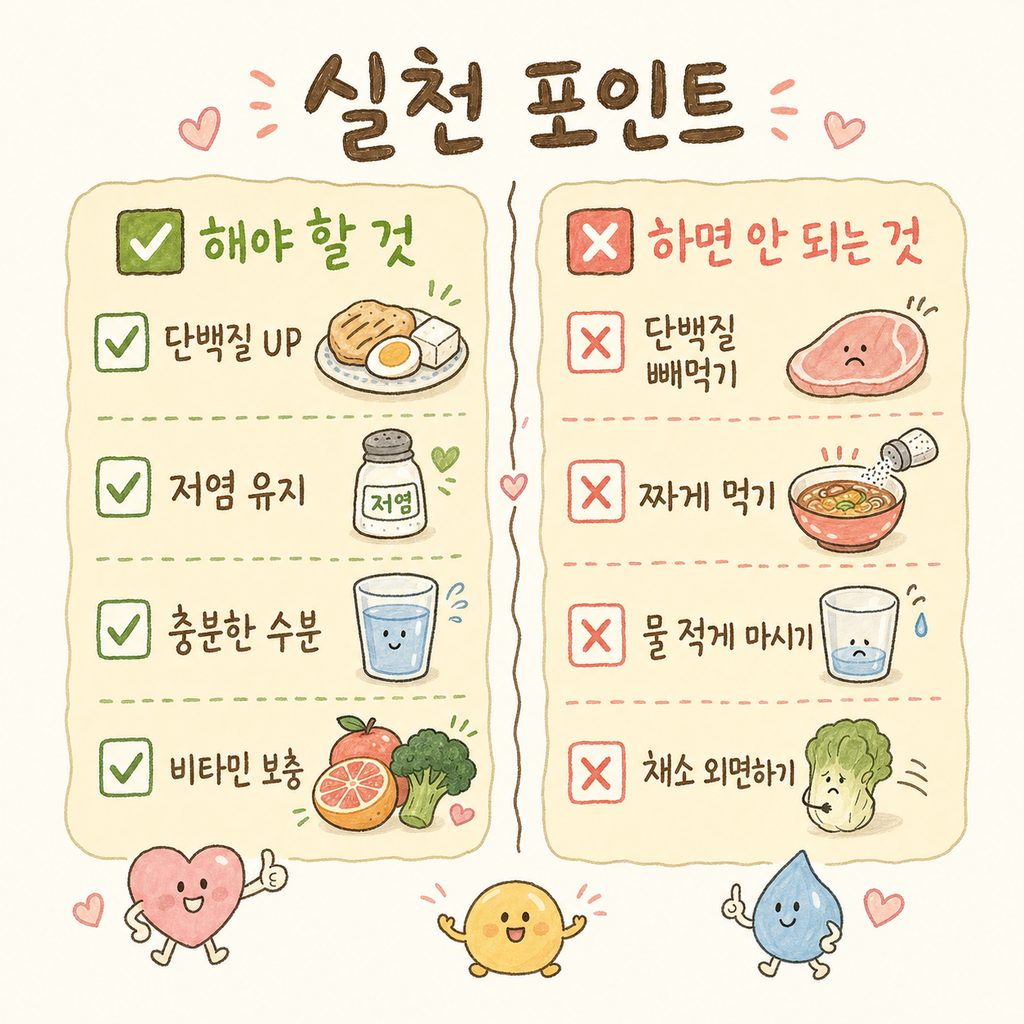
According to Komedi.com, there's a "Danish Hospital Diet" promoted as useful for short-term weight management. This approach involves following very strict rules for approximately 13 days, maintaining an ultra-low-calorie intake of under 600 calories per day to kickstart metabolism.
The prohibited foods are clear: avoid fruits, potatoes, sugar, pasta, and cereals. Instead, manage hunger and nutrition with eggs, meat, salad, fish, and black coffee.
Why Short-Term Weight Management Works and Precautions
Why do such strict diets produce quick results? When carbohydrates and fats are extremely limited, the body rapidly taps into stored glycogen and body fat for energy. However, this approach is a double-edged sword.
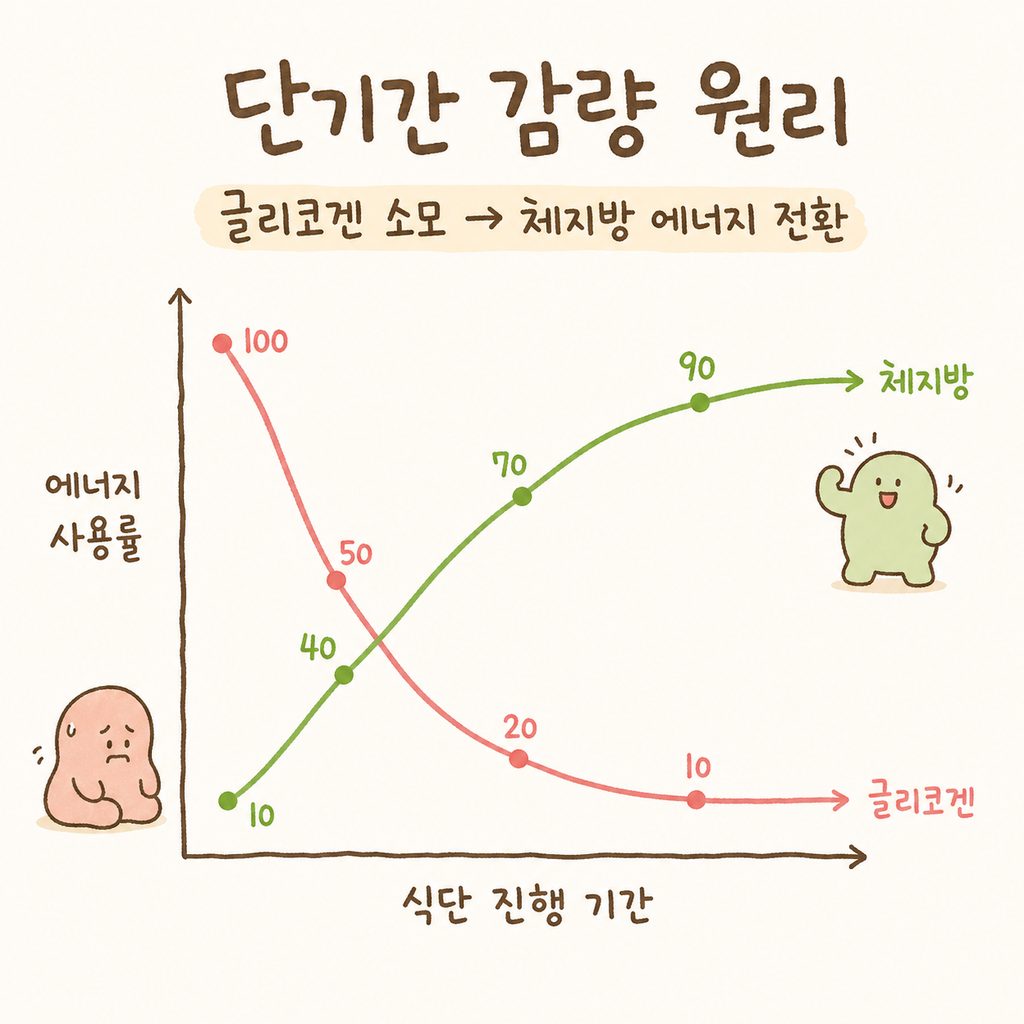
Some sources suggest a slightly more relaxed approach, limiting daily intake to around 1,200–1,500 calories. Regardless of the form, the core principle is "restriction." The problem is that essential nutrients become insufficient. Since you can't meet all the nutrients your body needs, maintaining this long-term is difficult.
Many people follow this intensively for about three weeks, but you must take a break after this period. Continuing beyond three weeks can cause various side effects due to carbohydrate deficiency, potentially harming your health.
Physical Changes During the Denmark Diet
In the first few days, you'll likely experience rapid weight loss. This happens because water and glycogen are shed first. While many feel a sense of achievement at this point, a significant number also report decreased energy and dizziness. 600 calories per day will make you lightheaded.
A low-salt diet is essential, so those accustomed to bold, flavorful foods may find the taste bland. However, once you become accustomed to the natural flavors of ingredients, you may start to feel healthier.
In the Nordic diet of Northern Europe, omega-3 from fish is emphasized. They recommend consuming fish like mackerel or herring in dried, fermented, or salted forms 2–3 times per week to supplement healthy fats.
Dangers of Extreme Low-Calorie Diets from a Korean Medicine Perspective
When I see patients in the clinic, many come in with severely depleted energy after following these short-term diets. In Korean medicine, this isn't simply viewed as "having lost weight." It's interpreted as a state where the body's vital energy (正氣) has been damaged. While extreme low-calorie diets may briefly boost metabolism, in the long run, they lower basal metabolic rate and lead to rebound weight gain.
Obesity isn't a problem that can be solved simply by eating less. A study analyzing the correlation between sleep duration, nutritional intake, obesity, and dyslipidemia in Koreans found statistical significance at a 95% confidence interval. This indicates that a healthy metabolism requires balance across overall lifestyle—including sleep—rather than just diet alone.
A method of arbitrarily starving and restricting the body causes it to perceive a "famine state." This significantly increases the risk of becoming a body type that gains weight more easily when normal food is consumed later.
Practical Tips for Adapting the Denmark Diet to Korean Body Types
If you'd like to try the Denmark Diet adapted to Korean eating habits, first and foremost, pay attention to your condition rather than mechanically following the rules. Instead of rigidly sticking to 600 calories, try approaching it by increasing the proportion of protein and vegetables.
Let me share key points to remember when implementing:
Protein-focused composition: Make good use of quality protein sources like boiled eggs, chicken breast, and white fish.
Maintain low-salt principles: Reducing salt helps reduce swelling and creates a favorable environment for detoxification.
Increase hydration: Beyond black coffee, drink warm water frequently to help eliminate waste products.
Utilize grapefruit and vegetables: Grapefruit and fresh salads help supplement vitamins and maintain satiety.
Transitioning Off the Diet Without Rebound
The most dangerous moment is immediately after completing a 13-day or 3-week diet. When you suddenly return to normal eating, your body tries to store all incoming nutrients. This is the main culprit behind the rebound we commonly experience.
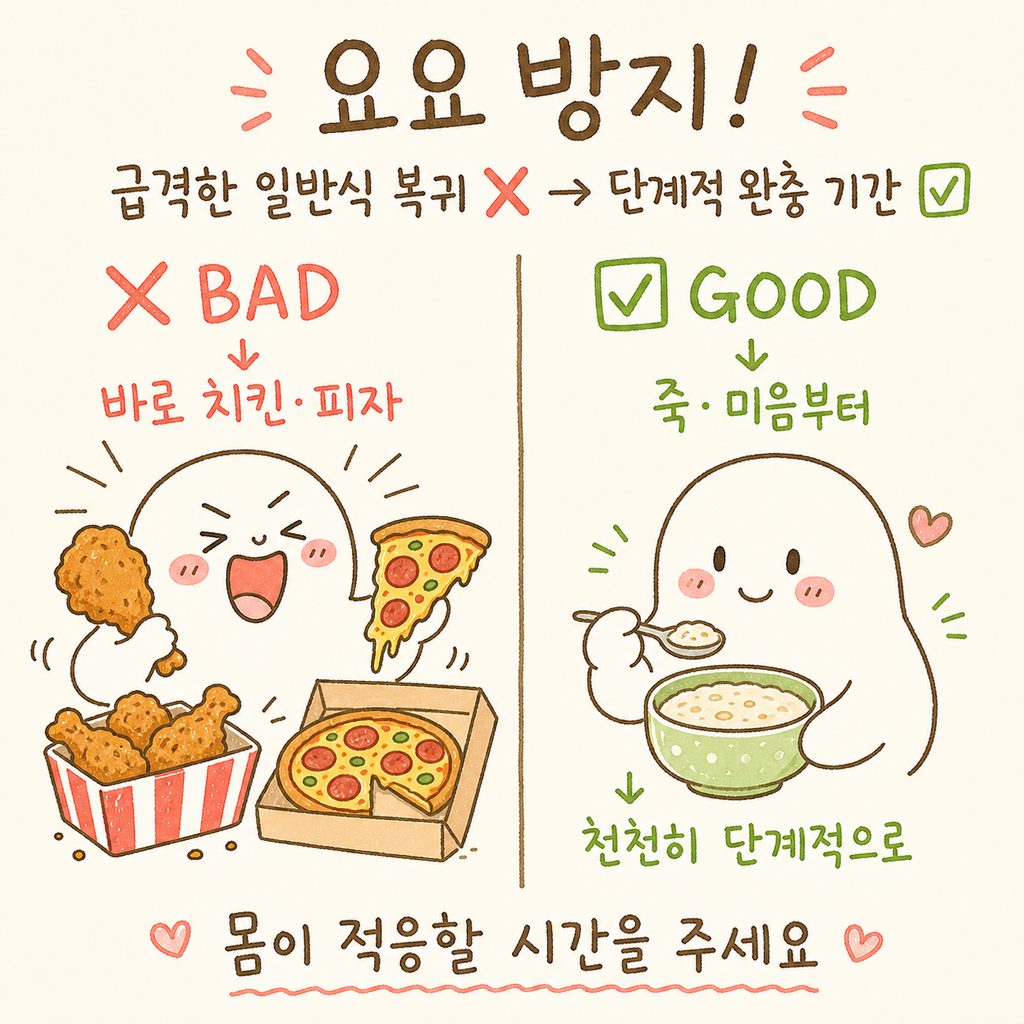

I recommend taking a "buffer period" of about two weeks. Start with soft foods like porridge or rice gruel for the first few days to give your digestive system time to adapt. Then gradually increase carbohydrates as you slowly transition back to a normal diet.
Think of this not as simply reducing the number on the scale, but as a process of restoring your body's metabolic capacity. Weight lost quickly tends to return quickly, but by slowly changing your body type, the maintenance period extends.
If your body feels heavy or you're low on energy from drastic dietary changes, it's safer to seek professional help rather than pushing through. Healthy weight management is achieved when personalized prescriptions and care go hand in hand.
By combining with the Baekrokdam Baekrok Gambi-jung program, you can prevent metabolism decline while expecting more effective results. After trying this diet, be sure to share how your body changed during your next visit.
References
[1] Associations of daily sleep duration and dietary macronutrient consumption with obesity and dyslipidemia in Koreans: A cross-sectional study. (Medicine, 2016) — https://pubmed.ncbi.nlm.nih.gov/27828860/
References