Subway Cheese Guide for Weight Management

Table of Contents
Haven't we all paused at the Subway kiosk, wondering "I'm on a diet, but what about the cheese?" In my practice, I frequently hear patients ask, "Isn't Subway still a relatively healthy option?" While it may seem simple, just one slice of cheese can significantly impact your daily calorie intake. Let's break down these choices today.
Why Subway Cheese Is a Weight Management Crossroads
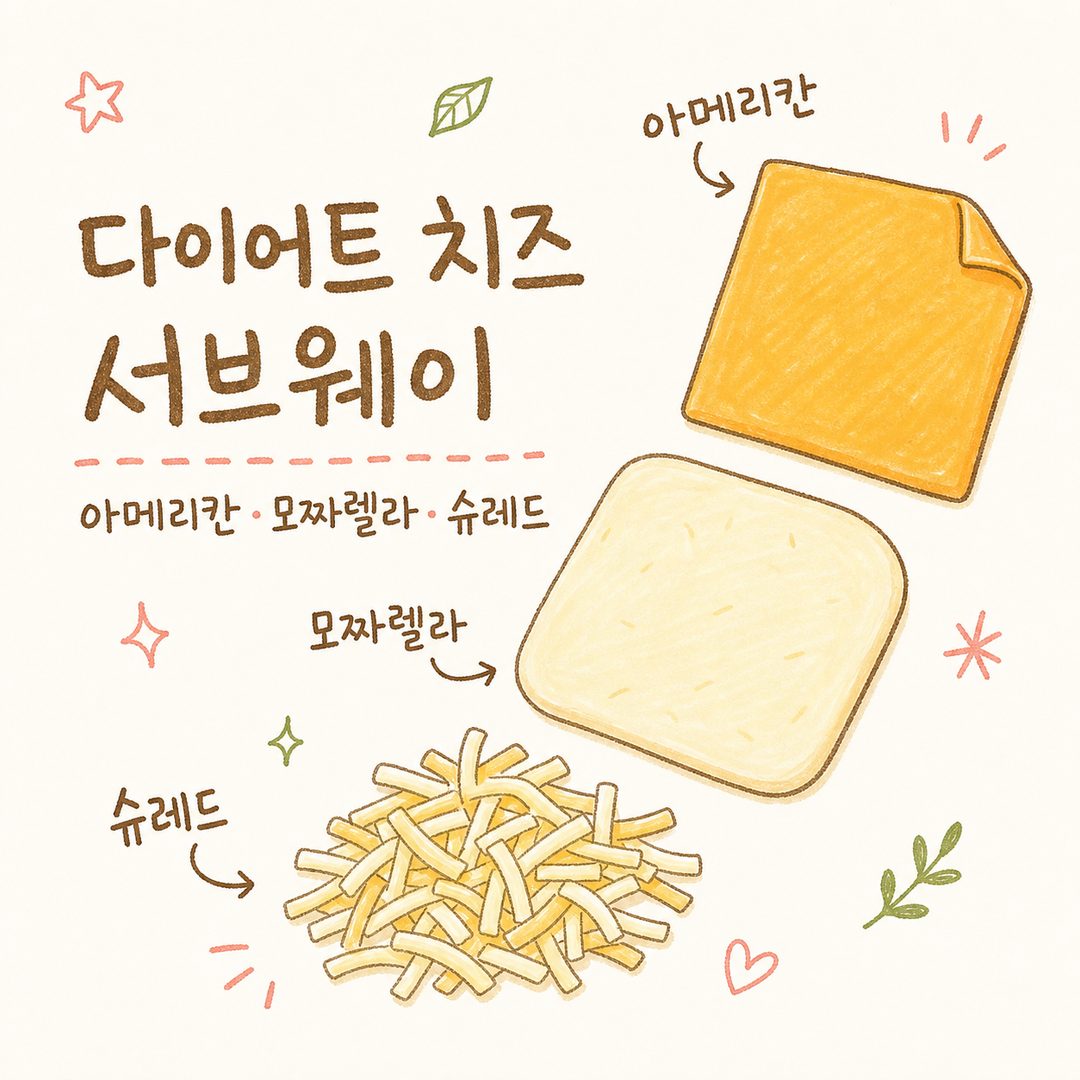
Subway doesn't offer a specific "diet cheese" option. Looking at the menu, you won't find such a choice. Researching diet blogs and nutritional resources reveals a common theme: managing cheese selection, portion control, and sauce combinations to regulate total calorie intake. The recommended order for weight management is generally: no cheese → American cheese → mozzarella cheese.
So why does one slice matter? According to Subway's official nutritional information, adding one slice of cheese to a 15cm (6-inch) sub adds approximately 35-50kcal. While 35kcal per meal might seem insignificant, it accumulates to nearly 250kcal per week if consumed daily. Many patients struggling with weight loss often have these "insignificant" calories adding up in their diet.
American vs. Mozzarella vs. Shredded — A Numerical Comparison
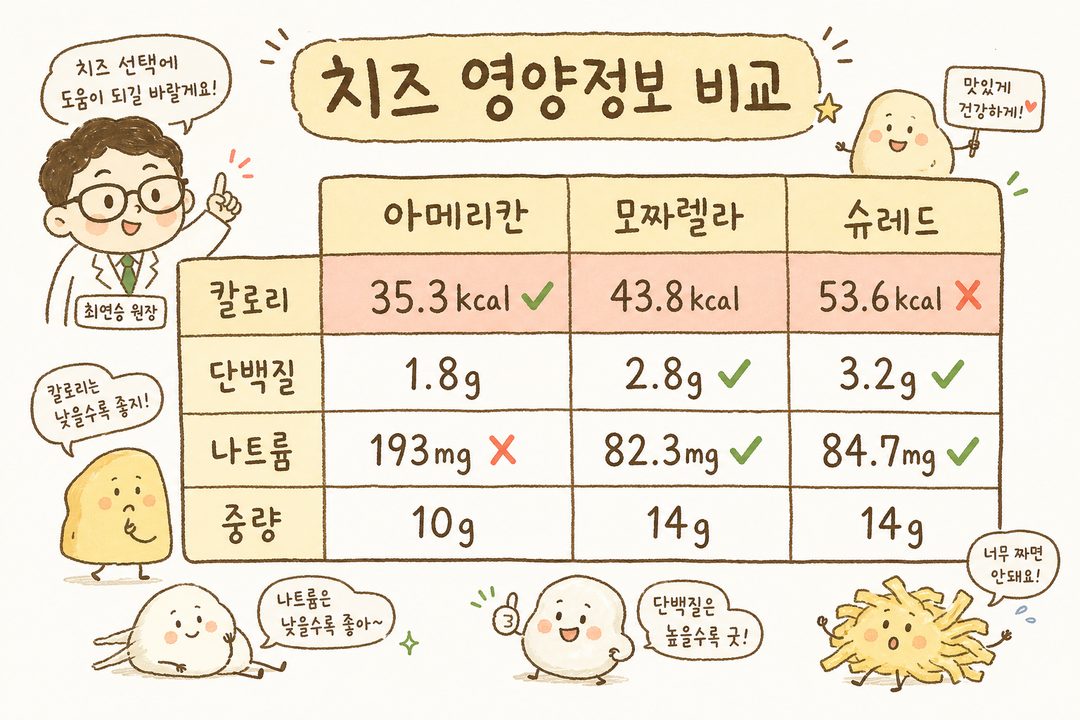
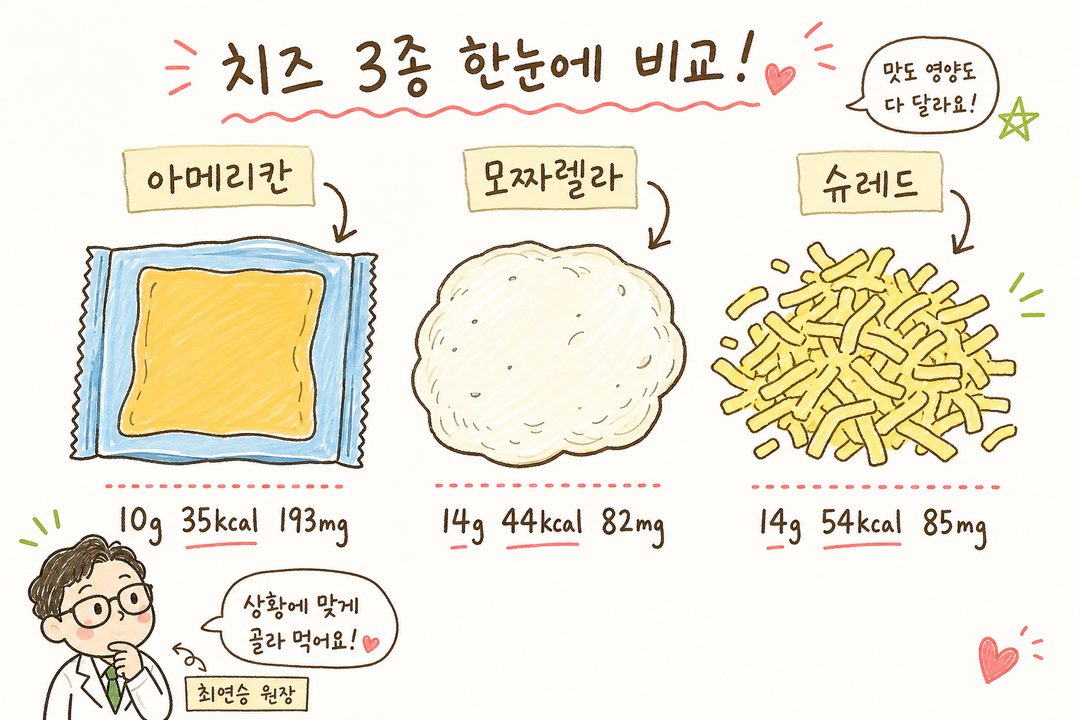
Based on domestic nutritional data and Subway's official information, here are the values per slice:
American cheese: 10g, approximately 35.3 kcal, 1.8g protein, 193 mg sodium
Mozzarella cheese: 14g, approximately 43.8 kcal, 2.8g protein, 82.3 mg sodium
Shredded cheese: 14g, approximately 53.6 kcal, 3.2g protein, 84.7 mg sodium
In terms of calories alone, American cheese is the lowest. Therefore, if calories are your priority, choosing American or skipping cheese entirely is best. However, there's a catch: American cheese, while only 10g, contains 193mg of sodium—the highest among the three. When adjusted for equal weight, this is more than double that of mozzarella.
If you're prone to edema or concerned about blood pressure, choosing American cheese solely based on calories might not be the best option. Mozzarella (2.8g) and shredded cheese (3.2g) also contain more protein than American cheese, making mozzarella a balanced choice when considering both satiety and nutritional balance.

Clinical Observations — Small Decisions Add Up
At Baekrokdam Korean Medicine Clinic, we often see patients who say, "I mainly eat salads and Subway, so why aren't I losing weight?" Reviewing their food diaries often reveals similar patterns: one slice of American cheese at lunch, one slice of store-bought cheese at dinner, and another as a snack. Considering that regular sliced cheese contains approximately 67kcal per 20g (one slice), the calories add up significantly.
This isn't to say you should eliminate cheese entirely. One patient simply removed cheese from their Subway lunch while keeping their evening cheese slice, and after about a week, they noticed reduced morning puffiness and felt lighter. While this only created a daily calorie deficit of about 70kcal, this manageable change became sustainable. Consistent small choices often last longer than one grand resolution.
Baekrokdam's Perspective — Beyond Calories: Two Key Factors
In Korean medicine, we don't just look at calories. We consider how food affects digestion and absorption and its impact on circulation (fluid retention, edema).
From a Korean medicine perspective, cheese falls into the category of foods that easily create dampness-phlegm (濕痰)—essentially, it can lead to the accumulation of sticky waste products in the body. Those who frequently experience bloating, morning facial puffiness, or sluggish digestion often don't tolerate cheese well. For these individuals, consuming sodium-rich American cheese daily might reduce calories but prolong the edema cycle.
Conversely, for those with a typically cold, dry constitution and insufficient protein intake, a slice of mozzarella might be beneficial. The key is that answers vary based on individual constitution and current physical condition. This is why we can't provide a one-size-fits-all answer like "this is the best diet cheese."
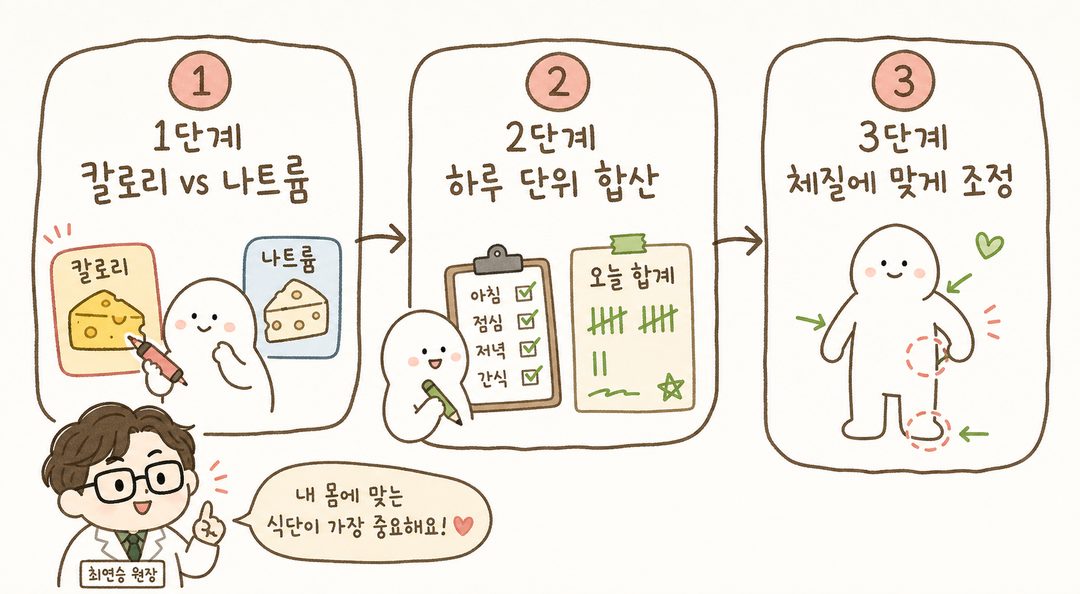

Practical Tips You Can Apply Starting Today
Keep it simple with these key points:
If calorie reduction is your priority, start by omitting cheese. You can immediately save 35-50kcal per meal.
If you really want cheese, choose one slice of American. However, if you're concerned about edema or blood pressure, switch to one slice of mozzarella.
When eating cheese at home, opt for natural cheeses (cottage, ricotta, mozzarella) in small portions: 1-2 servings per day, 30-100g per serving. Cottage cheese, at approximately 103kcal and 10g protein per 100g, is often recommended for weight management.
Track your daily total to avoid consuming sliced cheese, Subway cheese, and snack cheese all in one day. One type per day is sufficient.
Pay attention to sauces. If you skip cheese but add high-calorie, high-sodium sauces, the benefit diminishes.
Subway can be quite diet-friendly when ordered wisely. However, don't underestimate the impact of one slice of cheese. The same 35kcal affects people differently based on their constitution and condition. If you're not seeing results despite dietary changes or constantly feel bloated, it might be worth having your constitution evaluated. At Baekrokdam Korean Medicine Clinic, we offer personalized diet consultations with Baekrok Gambi-jung, tailored to your constitution and lifestyle. If you've been feeling stuck, please don't hesitate to reach out.