
Diet Korean Herbal Medicine: What to Check First, Even Before Your Body Constitution

Table of Contents
Patients inquiring about combining Hanbang often start with this question: "I don't even know my body constitution; would Hanbang still be suitable for me?" While Sasang constitutional medicine is a crucial framework in traditional Korean medicine, when considering Hanbang for weight loss, there are things to check even before that. Today, prior to constitutional diagnosis, I'd like to outline the objective indicators that determine the effectiveness of Hanbang.
Metabolic State: A Priority Over Constitutional Type
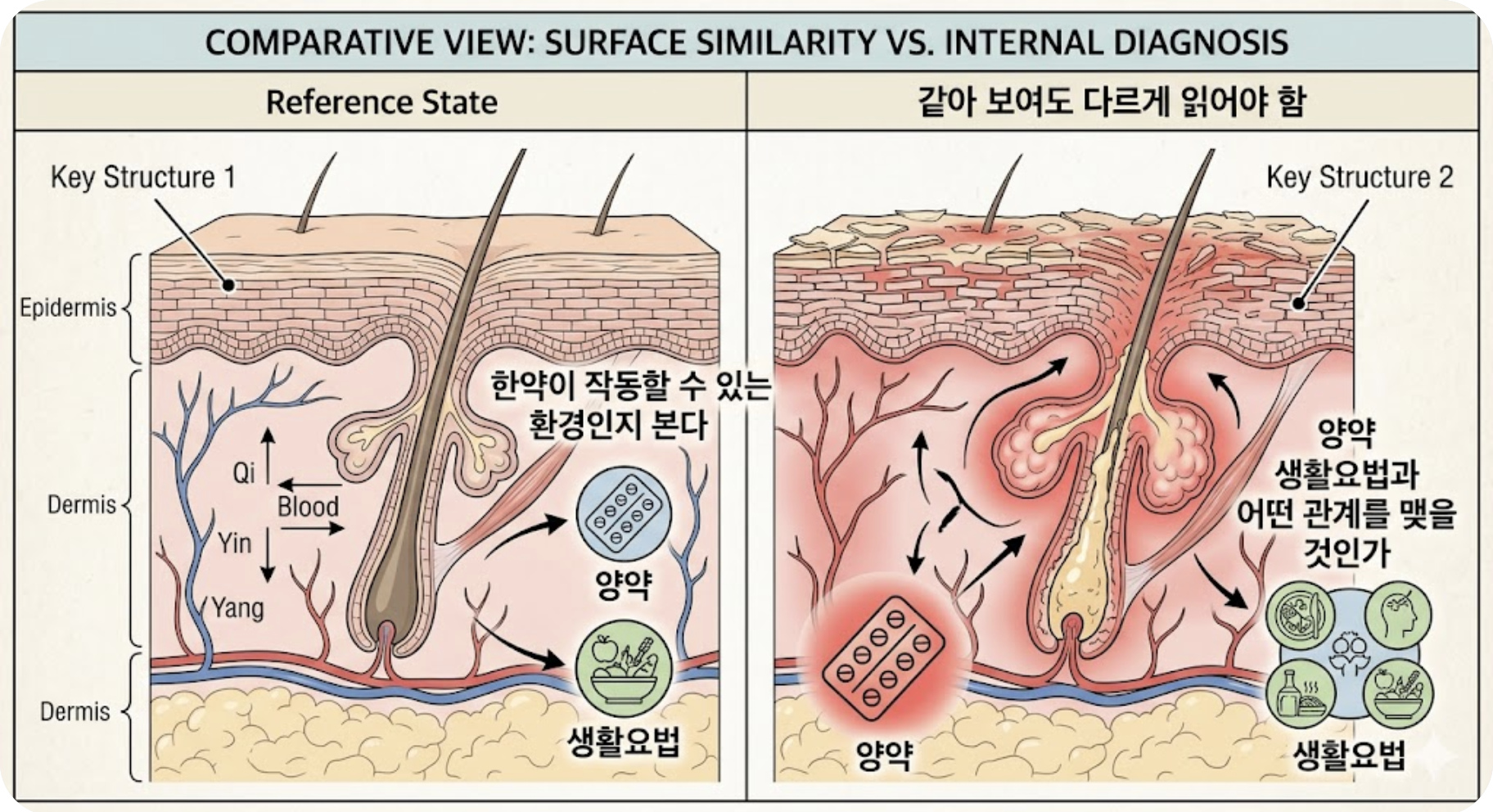
The point where Hanbang can intervene is not so much in fundamentally changing one's constitution, but rather in addressing current stagnation points in metabolic flow. While body constitution refers to long-term tendencies, metabolic state shows how the body is processing energy at this very moment.
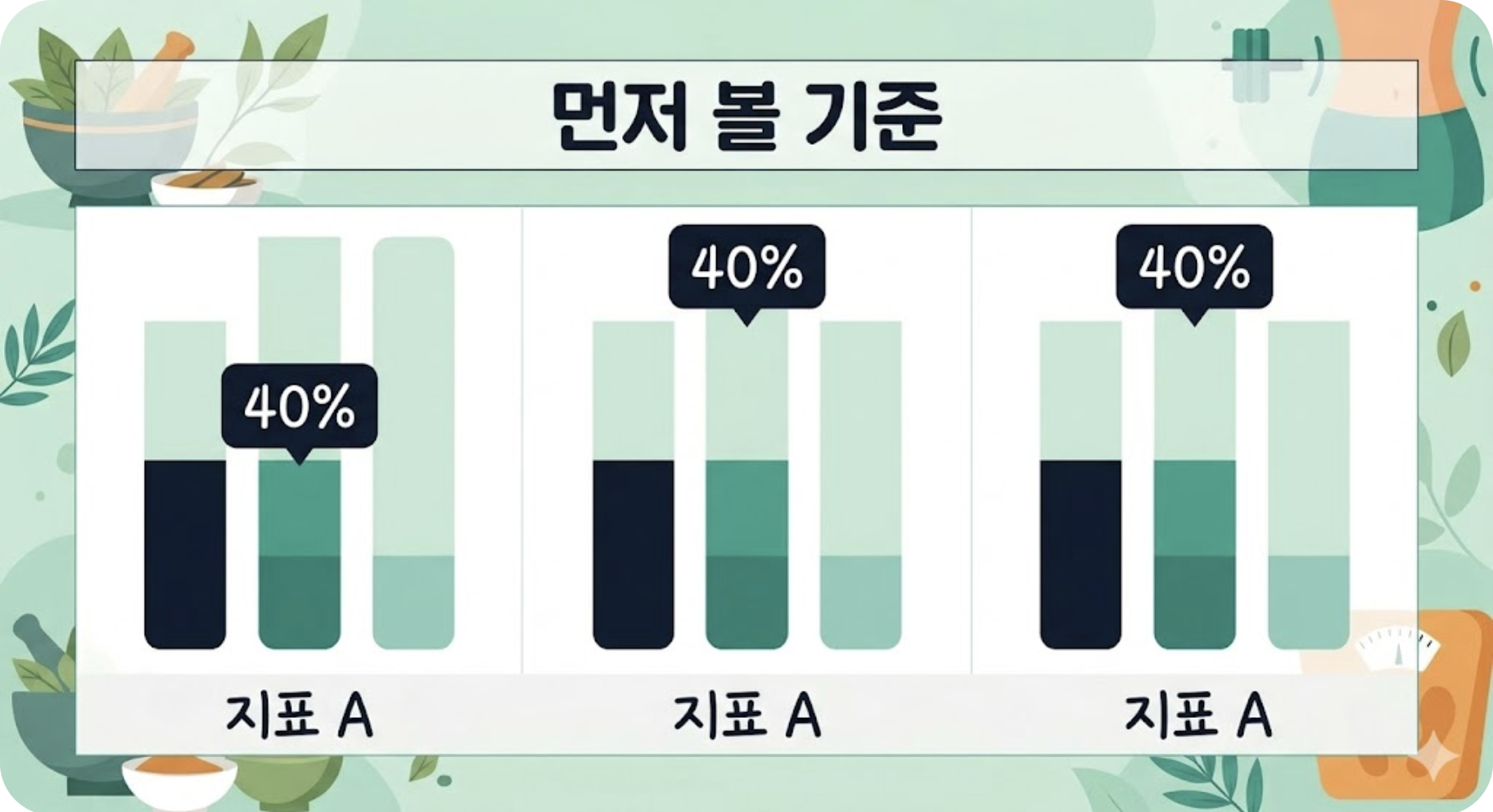
The first indicator to check before starting weight-loss Hanbang is the basal metabolic rate and body composition ratios. This is why we don't just look at body weight, but rather the fat-to-muscle ratio and the level of visceral fat. Even at the same weight, a body with more muscle and a body with more body fat have completely different energy expenditure patterns. We ascertain whether the metabolic pathways that the Hanbang prescription aims to influence align with the body's actual current state.
The second is eating patterns and bowel rhythm. Asking if you skip breakfast, eat late-night snacks, or when you feel hungriest during the day is not just about giving lifestyle advice. It's to align with the physiological rhythms where insulin sensitivity changes over time, and the motility of the digestive system where Hanbang ingredients act. Bowel movements are an indirect indicator of intestinal motility and water metabolism, serving as a baseline to detect changes when Hanbang intervenes.
Interactions with Hospital Prescriptions
If you are already taking medication prescribed by a doctor for weight loss, you must check for potential interactions with Hanbang. Especially if you are taking medication for diabetes, high blood pressure, or thyroid conditions, certain components in Hanbang may affect drug-metabolizing enzymes.
This does not mean Hanbang is dangerous. Rather, clarifying whether Western medical treatment and Hanbang can be combined, and if so, what intervals to take them at, is the way to ensure patient safety. The reason your Hanbang practitioner thoroughly assesses your current Western medical prescriptions is not merely a formality, but to consider actual pharmacokinetic interactions.
If you are taking medication for blood pressure or blood sugar control, it's necessary to monitor these levels every 2-4 weeks after starting Hanbang. This is because blood pressure or blood sugar can fluctuate with weight loss. This doesn't indicate a side effect of Hanbang, but rather that existing medication dosages may need adjustment as the body's metabolic state changes.
Realistic Criteria for Judging Effectiveness
The most common misconception when judging the effectiveness of weight-loss Hanbang is to solely focus on "Is the weight going down?" However, in the initial 4-8 weeks when Hanbang intervenes, it is more accurate to observe changes in metabolic indicators rather than just weight changes.
Firstly, there are cases where body fat percentage decreases, and muscle mass is maintained or even increases, without a change in body weight. This is an intermediate stage where the body's composition is being rearranged, forming a basis for preventing long-term weight regain (yo-yo effect).
Secondly, changes in bowel rhythm and a reduction in post-digestion heaviness. These are signs that intestinal motility and digestive efficiency are improving, a positive change that appears even before the numbers on the scale.
Thirdly, changes in appetite timing. Hanbang doesn't suppress appetite; rather, it shows a pattern where the timing or intensity of sharp appetite surges is regulated. This signifies that the rhythm of energy metabolism is stabilizing.
If changes are detected in two or more of these three indicators, then Hanbang is having an effect. Weight loss is a result that appears after these changes have accumulated.
When to Conduct Constitutional Diagnosis
So, when is it appropriate to consider constitutional type? Constitutional diagnosis is a reference point for guiding the initial prescription, not an absolute determining factor. However, if there isn't sufficient change after 8-12 weeks with a standard metabolic regulating prescription, then we consider adjusting the prescription to more deeply account for constitutional characteristics.
Furthermore, constitutional type is not simply a classification like "I am a Tae-yang-in (Greater Yang type)"; it's a comprehensive framework for observing the tendencies of current symptoms and lifestyle patterns. This is because even within the same constitutional classification, each individual's current metabolic state can differ. Constitutional type is a background tendency, while the metabolic state at this very moment is the variable actively moving in the foreground.
Frequently Asked Questions
Q. How much exercise or dietary control is necessary while taking Hanbang?
Hanbang is a supplementary means to improve metabolic flow. The basic balance of energy intake and expenditure is still necessary. However, with Hanbang intervention, body fat reduction may become possible without extreme calorie restriction. Specific exercise amounts and meal composition should be individually adjusted after assessing current body composition and lifestyle rhythm.
Q. Will I immediately gain weight if I stop taking Hanbang?
The cause of the yo-yo effect is more often due to not maintaining the metabolic rhythm established during Hanbang administration, rather than the cessation of Hanbang itself. If eating times, sleep patterns, and stress management have improved during the Hanbang period, it is important to maintain those rhythms. Hanbang changes the starting point of metabolism, but subsequent "driving" is still managed by lifestyle habits.
Q. How long should I take it?
Generally, the initial 4 weeks are considered a trial period to observe metabolic responses, and 8-12 weeks are viewed as the basic regulation cycle. Afterwards, we evaluate whether the target body composition has been reached and if lifestyle patterns that can maintain that state have been established. While long-term administration may be necessary in some cases, this depends on the individual's metabolic recovery speed and goals.
The feeling of being overwhelmed by not knowing one's body constitution is a common starting point when considering weight-loss Hanbang. However, it is a greater priority to objectively check the current metabolic state before constitutional type, clarify its relationship with existing medical treatments, and establish realistic criteria for judging effectiveness. Baekrok-gam Korean Medicine Clinic provides Baekrok-gam Weight Loss Program consultations based on these objective indicators. Even without knowing the name of your constitutional type, your current body state can be thoroughly assessed.