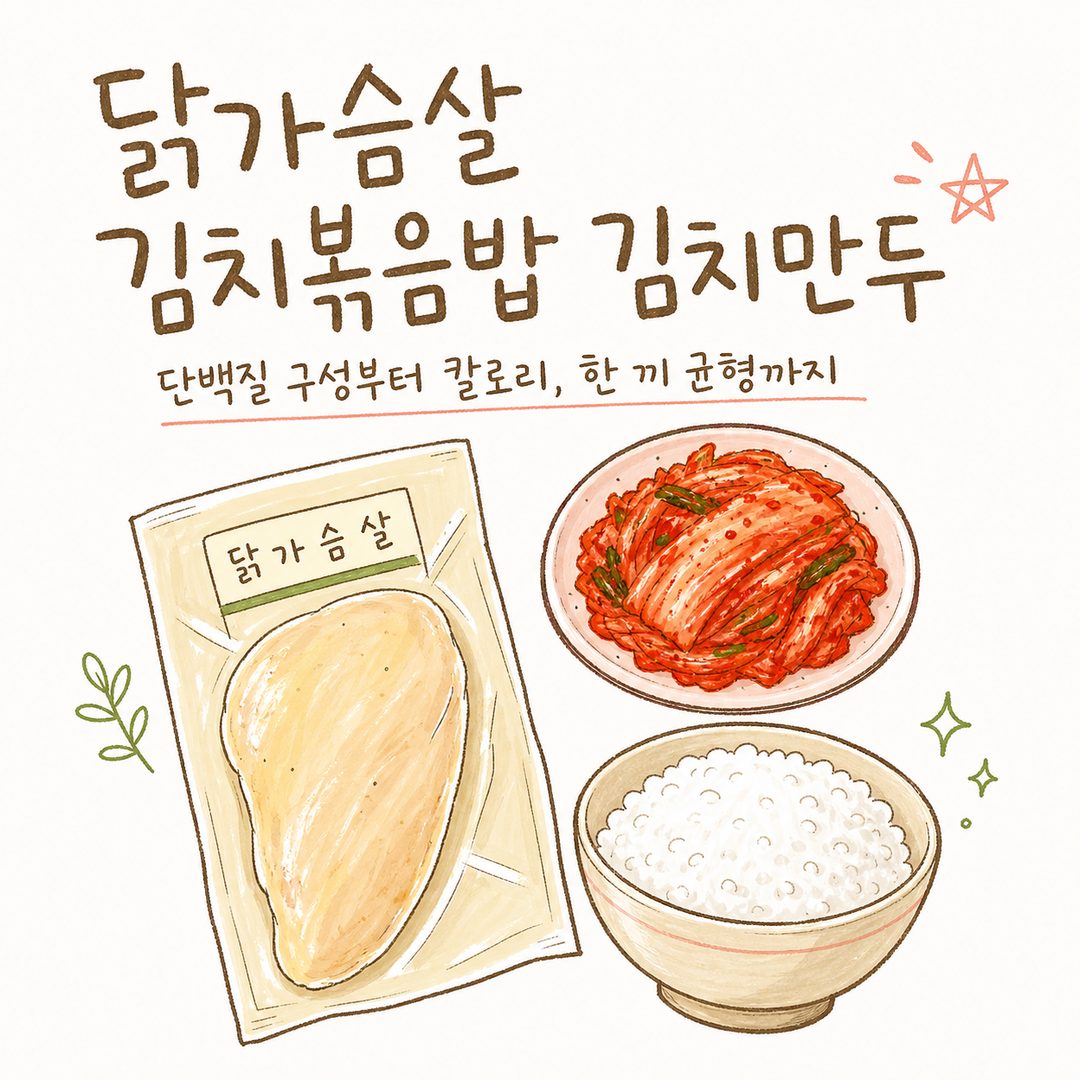
Chicken Breast Kimchi Fried Rice & Dumplings: Nutrition Guide

Table of Contents
When dieting, we all have those days when we crave something hearty. In my practice, I often hear patients say, 'I'm tired of chicken breast, and I feel guilty mixing rice into my kimchi stew.' That's why the combination of chicken breast kimchi fried rice and chicken breast kimchi dumplings has become so popular lately. Today, I'll share a Korean medicine perspective on what to consider when having these two dishes together as a meal.
Why Has This Combination Become a Diet Staple?
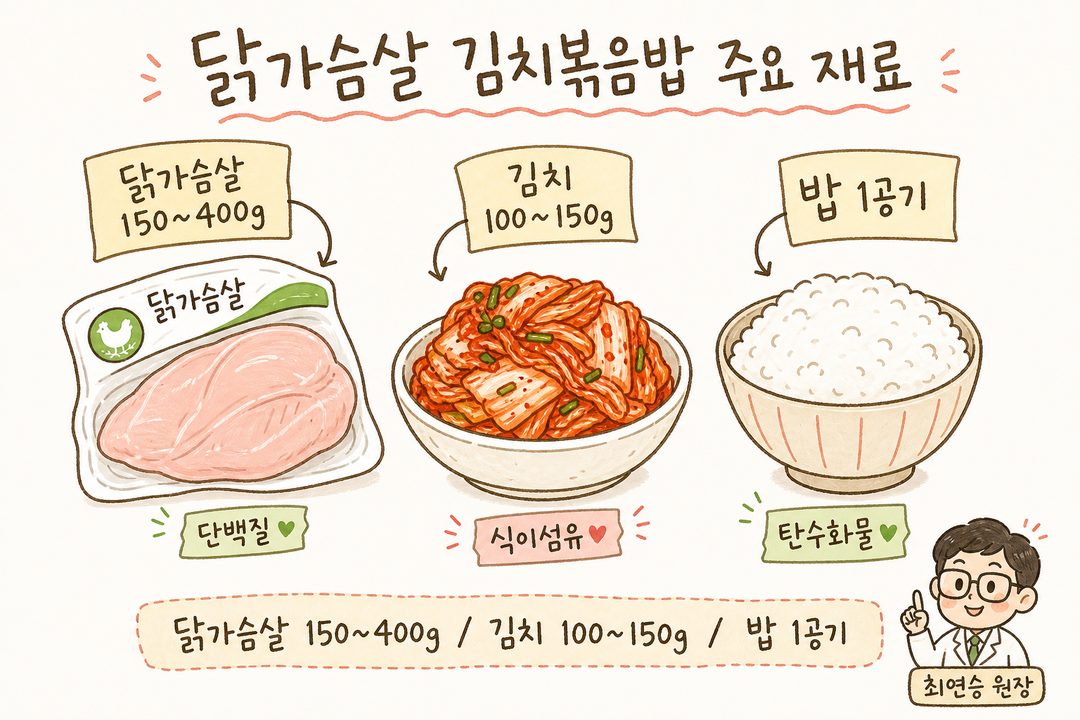
Chicken breast kimchi fried rice is a one-pan dish combining chicken breast, kimchi, and rice, making it popular as a high-protein meal for weight management. Most recipes call for 1 cup of kimchi (about 100-150g), 1 bowl of rice, and 1 pack or 150-400g of chicken breast. Adding chicken breast kimchi dumplings makes it even more convenient while boosting protein intake, making it a favorite among students and office workers.
Chicken breast kimchi dumplings contain less fat and fewer calories than traditional pork kimchi dumplings, with a higher protein ratio. This makes them a popular post-workout meal. Many reviews mention they're "similar in taste but less guilt-inducing" than regular dumplings.
Breaking Down the Nutritional Numbers
While products vary slightly, commercial chicken breast kimchi dumplings generally follow this pattern:
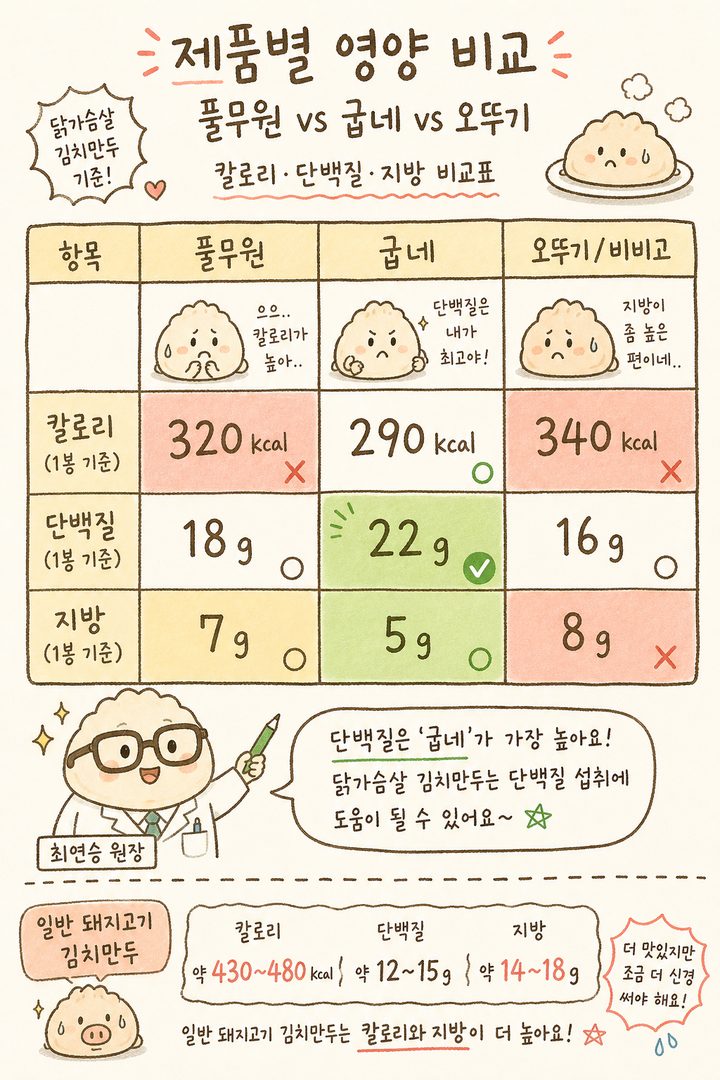
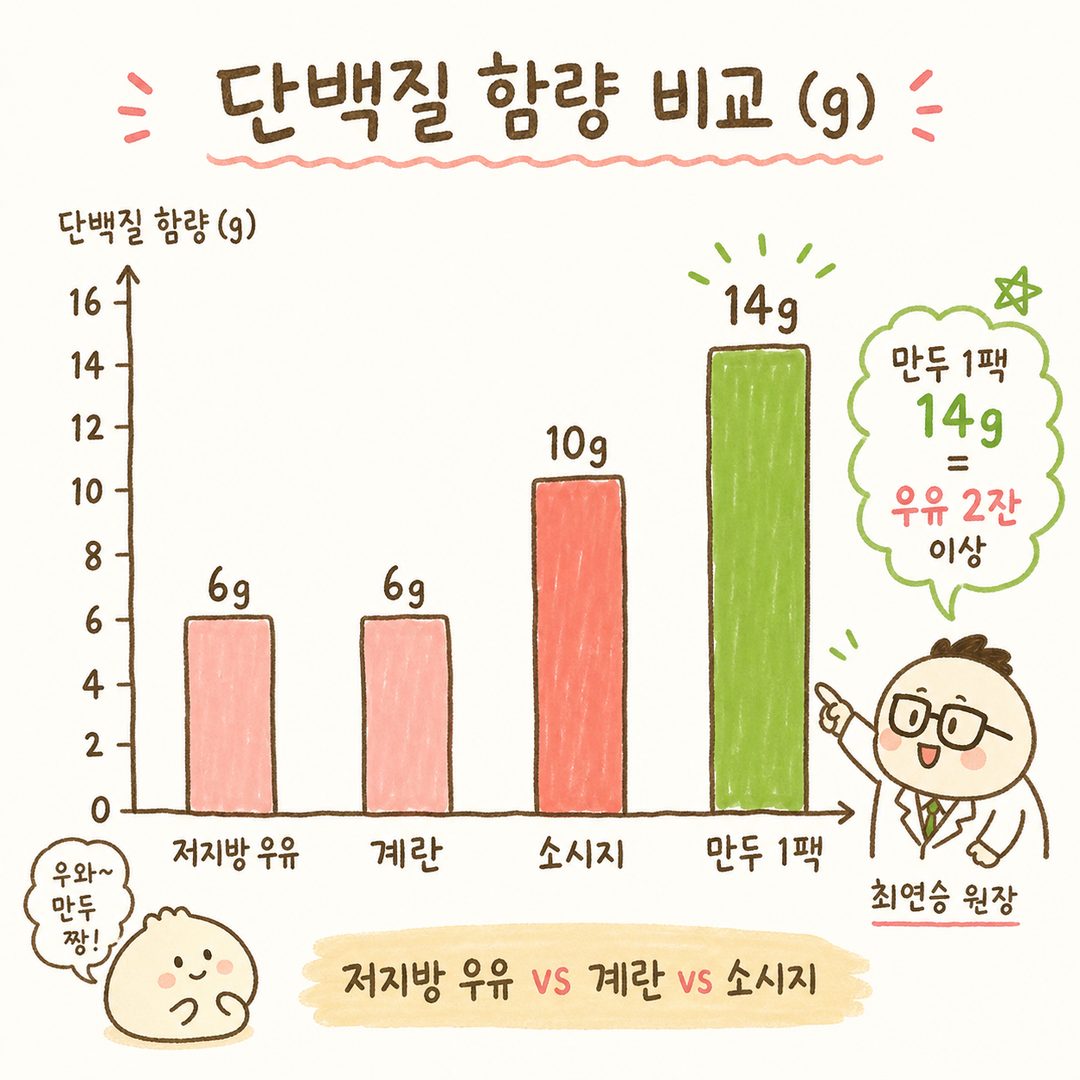
Pulmuone Moist Chicken Breast Kimchi Dumplings: 275kcal per 180g pack, 14g protein
Goobne Chicken Breast Kimchi Dumplings: 275kcal per 180g pack (6 dumplings)
Ottogi/Bibigo products: 250-300kcal per 160-180g pack
Regular frozen kimchi dumplings (pork-based) typically contain 350-450kcal per serving (5-6 pieces). In comparison, chicken breast versions have slightly fewer calories and better protein-to-fat ratios. With 14g of protein per pack, they contain more than double the protein in 200ml of low-fat milk (about 6.9g protein). That's like getting two glasses of milk's worth of protein in one pack of dumplings.
The real issue is the total calorie count. The fried rice provides carbohydrates and protein, while the dumplings add more carbohydrates and sodium, causing the meal's calorie count to skyrocket. Even just 1 serving of fried rice + 3-5 dumplings can easily reach around 700kcal or more. Portion control is crucial.
What Happens in Real Meal Plans?
In my practice, I often hear patients say, "I eat chicken breast but can't lose weight." When they write down their meals, I frequently see patterns of chicken breast fried rice with 5-6 dumplings and even a pack of dried seaweed. While the protein content seems adequate, the total easily exceeds 750kcal per meal.
Patients who reduce their rice to half a bowl and limit dumplings to 3 pieces report maintaining fullness while noticing lighter weight trends over weeks. The same ingredients yield different results based on portions and combinations. Since chicken breast kimchi dumplings are known for their lasting satiety, they can work well as a diet snack or meal replacement when portions are controlled.
Baekrokdam's Korean Medicine Perspective
In Korean medicine, we don't just look at food in terms of calories. We consider the burden on the spleen and stomach (脾胃) and patterns of dampness-phlegm (濕痰) accumulation. Chicken breast has a warm nature and supplements energy, making it suitable for those with weak digestive systems. While kimchi, as a fermented food, aids digestion, consuming large amounts of heavily seasoned, salty kimchi can irritate the stomach.
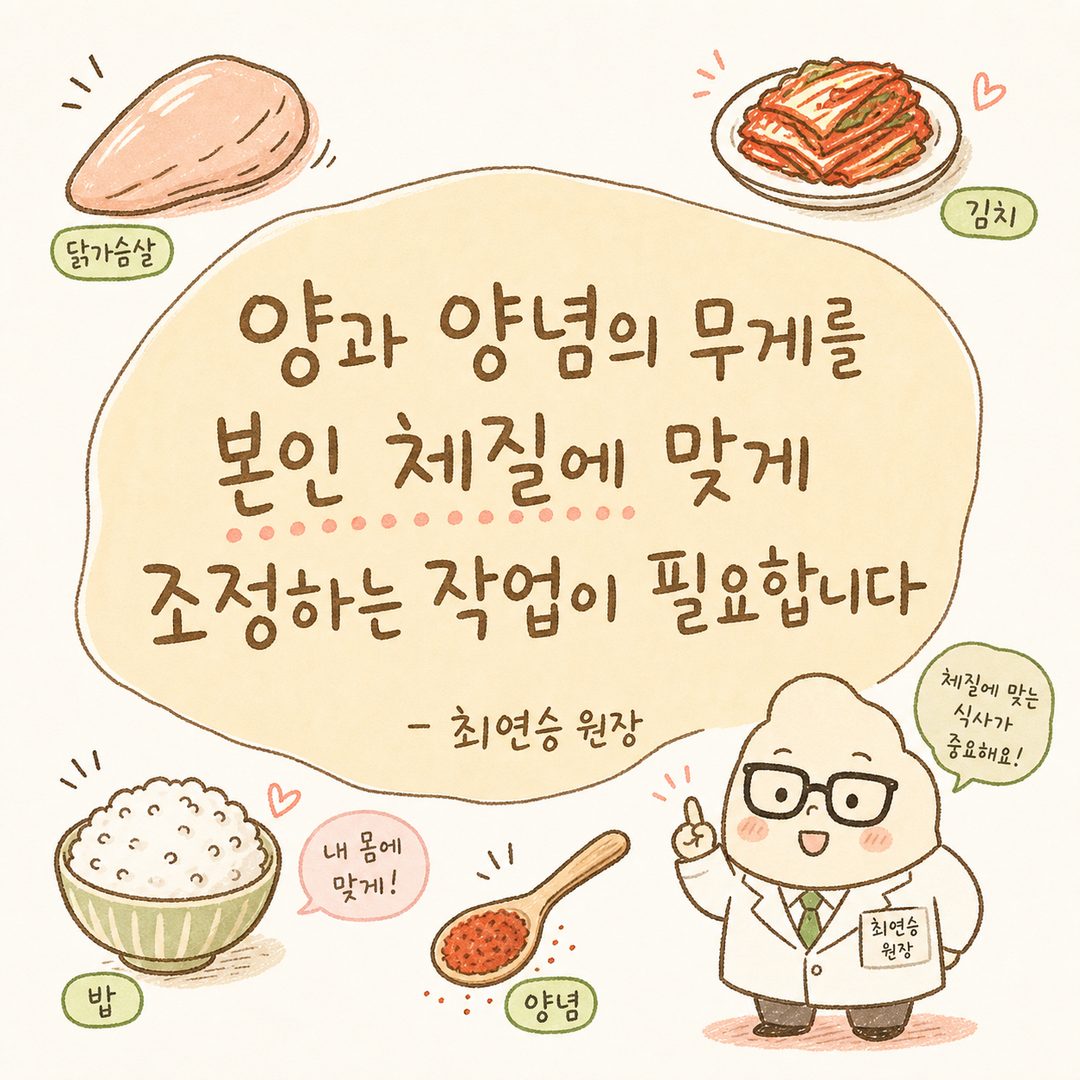
The main weakness of the fried rice + dumpling combination is the simultaneous excess of sodium and carbohydrates. In Korean medicine, people who tend to retain water often have prolonged exposure to salty foods and refined carbohydrates. Even at the same 700kcal, those who eat protein and vegetable-focused meals show significantly less swelling and better energy levels the next day compared to those who consume heavily seasoned fried rice and dumplings. Therefore, I don't prohibit this menu but advise adjusting seasoning intensity and portion sizes.
Practical Tips You Can Apply Now
Here are ways to make this meal lighter when preparing at home:
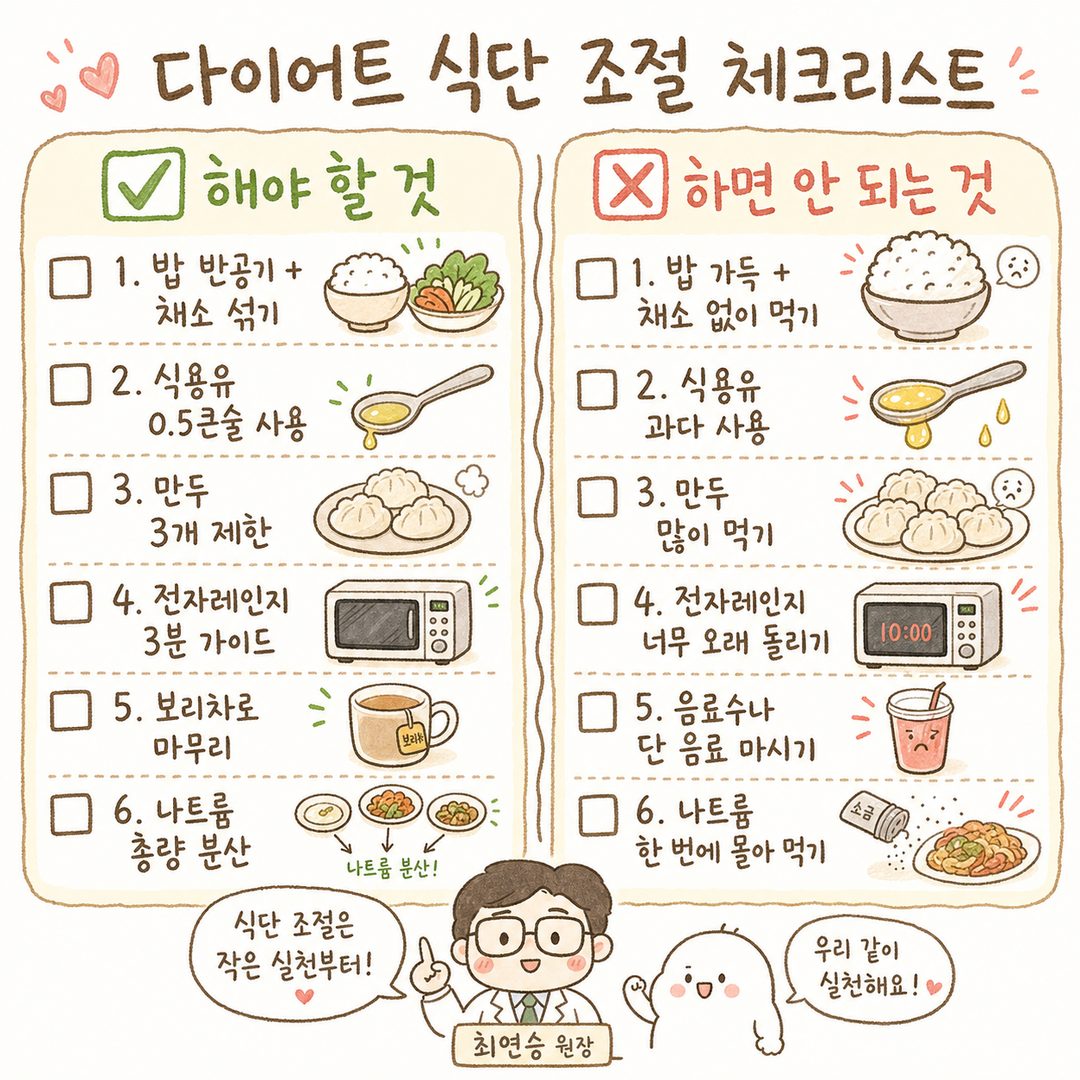
Instead of using a full bowl of rice, try half a bowl + shredded cabbage or tofu to increase volume.
Use 0.5 tbsp oil + a little water instead of 1 tbsp oil when stir-frying to maintain flavor with less oil.
Limit dumplings to 3 pieces per meal. For Pulmuone or Goobne products, that's half a pack (6 pieces).
When reheating, follow package instructions for 3 minutes in the microwave, but steaming leaves less oil.
If the meal tastes too salty, finish with a cup of warm barley tea to reduce swelling.
Avoid soups or stews in other meals the same day to distribute total sodium intake.
Many patients see changes in their weight trends by following these simple adjustments.
Chicken breast kimchi fried rice and dumplings can be a satisfying meal when consumed mindfully. The key is adjusting portions and seasoning to suit your constitution. If you've been struggling with "eating right but not losing weight," consider a consultation at Baekrokdam for personalized treatment that considers both your constitution and eating patterns. With professional guidance, you can enjoy the same meals while achieving better results.