
Denmark Diet Meal Plan - 14-Day Breakdown & Precautions

Table of Contents
Lately, more patients have been asking, 'Doctor, will I really lose weight by following the Denmark diet meal plan for just 2 weeks?' I understand the desire for quick body transformation. Today, I'll explain the Denmark diet plan, why Korean nutrition and medical articles don't recommend it, and the Korean medicine perspective.
What is the Denmark Diet Meal Plan?
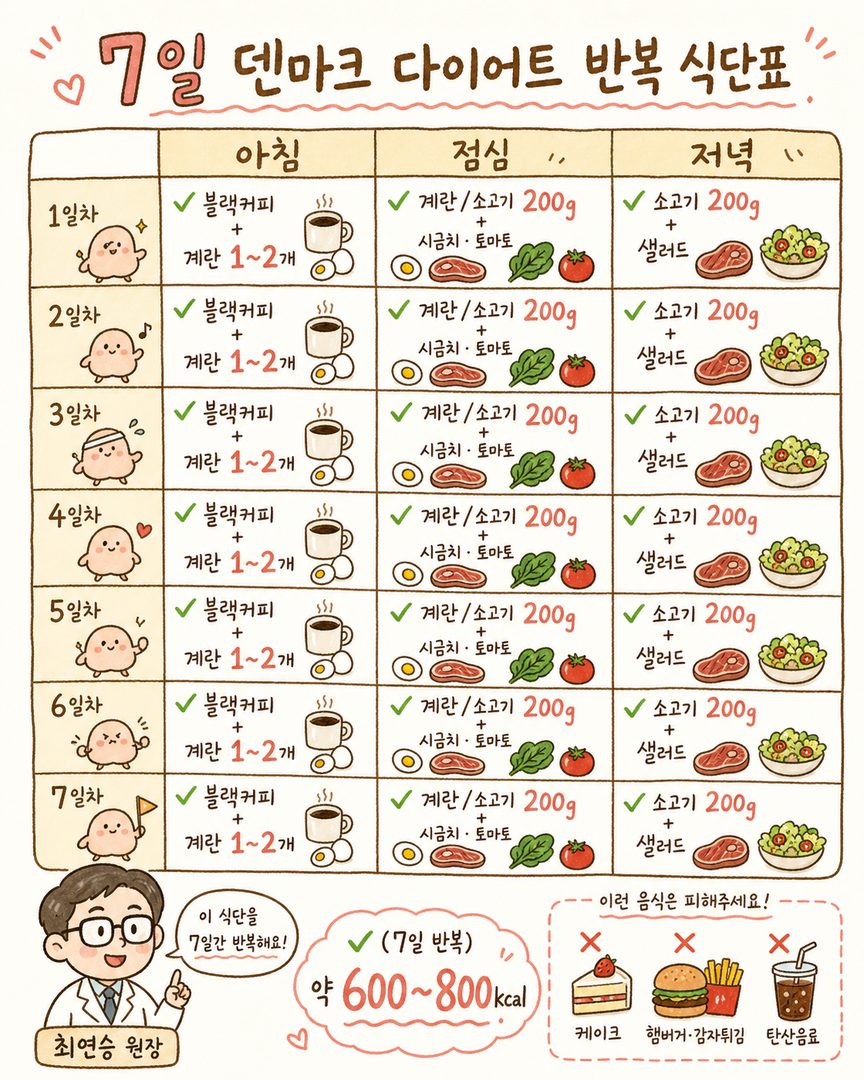
The Denmark diet is a high-protein, low-carb, very low-calorie diet of approximately 600-800kcal per day for 2 weeks (14 days), primarily consisting of eggs, grapefruit, lean meat, and black coffee. Some modified versions range from 600-900kcal over 13-14 days. The typical structure repeats a 7-day meal plan once or twice to complete 13-14 days.
A brief look at the meal plan shows: Breakfast is usually 1 cup of black coffee and 1-2 boiled eggs. Lunch is boiled eggs or 200g beef steak + spinach/tomatoes. Dinner repeats with 200g beef steak and salad. Around day 4, plain yogurt (unsweetened) is introduced, and on day 5, white fish and tomatoes may appear. Grapefruit, toast, chicken, and spinach side dishes rotate throughout the plan.
Why Does It Feel Like Rapid Weight Loss?
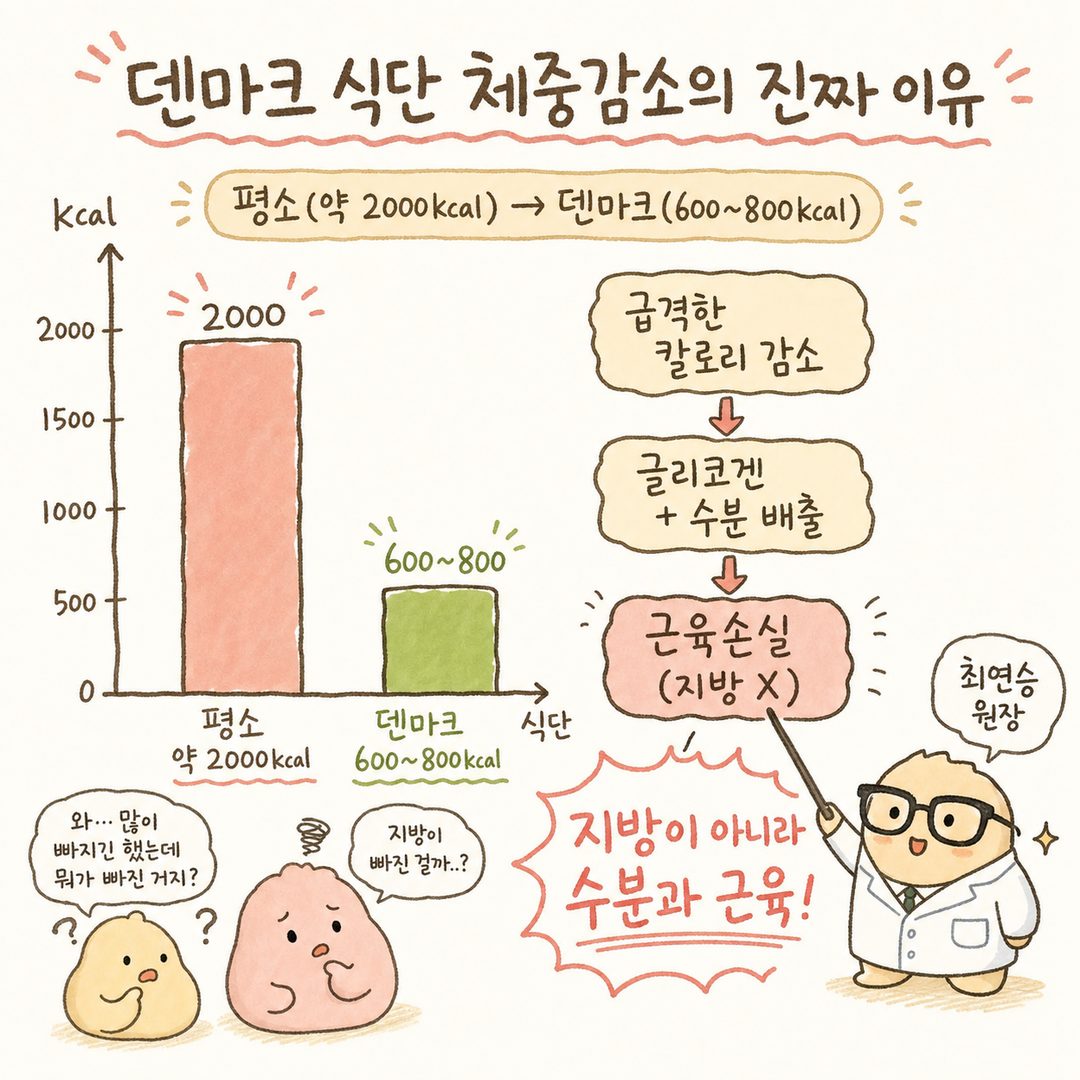
The reason is simple: a drastic calorie reduction from your usual intake. 600-800kcal per day is far below what an active adult needs. With carbohydrates nearly eliminated and only protein remaining, the body first releases stored glycogen and its bound water. This explains the rapid drop in scale numbers within 1-2 weeks.
The problem lies in what these numbers represent. A significant portion of the lost weight is water and muscle. Korean nutrition and medical articles don't recommend the Denmark diet as a healthy weight management approach due to risks of yo-yo effect, muscle loss, and nutritional imbalance. With low calories and insufficient vitamins, minerals, and fiber, many experience headaches, dizziness, constipation, and skin problems.
What Happens After the 2 Weeks?
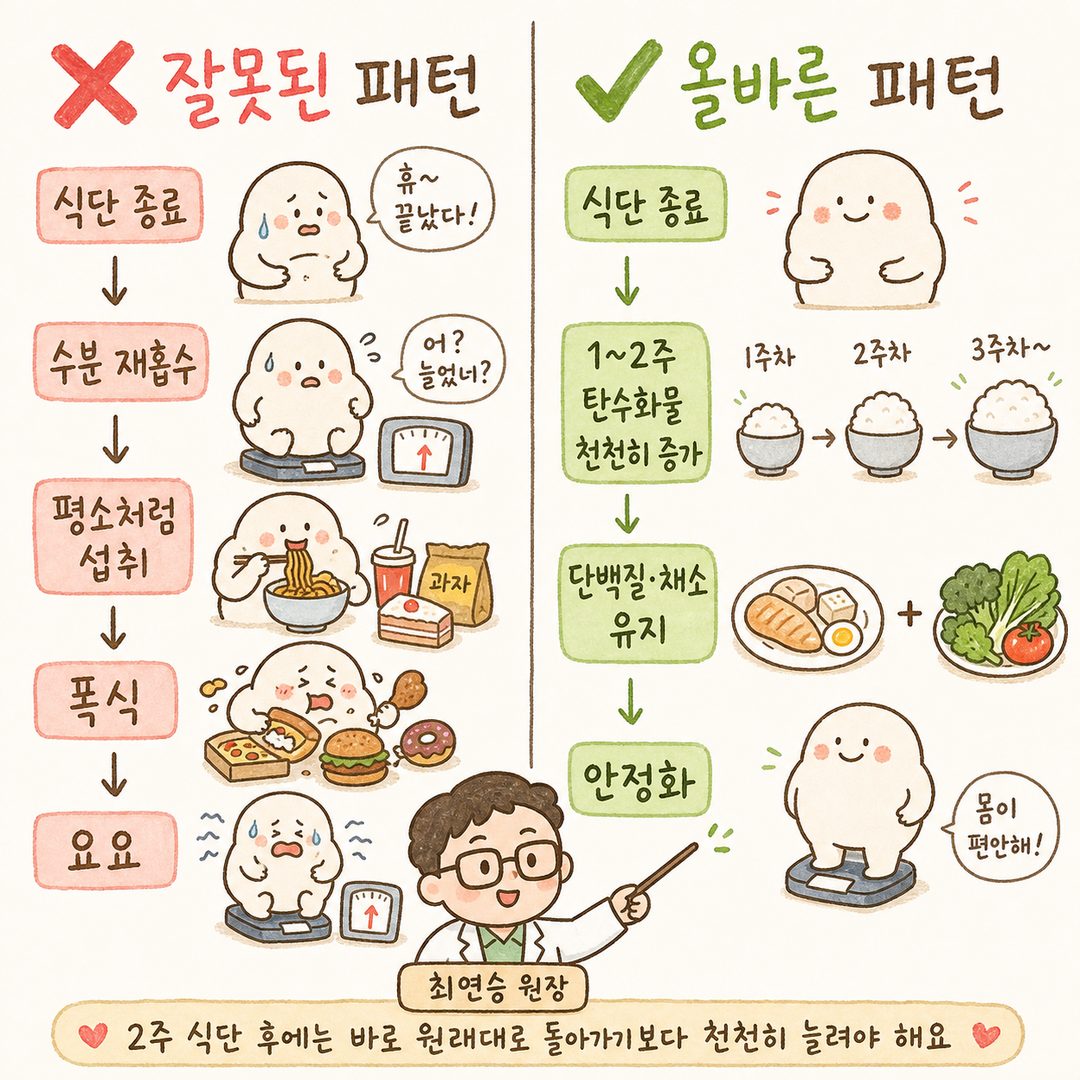
Patient testimonials follow similar patterns. Those who complete the full 14 days do lose weight. However, when returning to normal eating, nearly half the lost weight often returns within days. Since much of the loss was water rather than fat, it's natural for water weight to return with carbohydrate intake.
Another common issue is binge eating after the diet. After two weeks of only grapefruit and eggs, food becomes more tempting. "It's overwhelming." Having tried a similar short-term diet myself, I remember the intense hunger on the final evening. Therefore, how you spend the week after the diet matters more than the diet itself.

Baekrokdam's Korean Medicine Perspective
We always tell our patients that short-term very low-calorie diets are more like a major shock to the body than a weight management tool. In Korean medicine, we believe each person has different constitutional tendencies like Qi deficiency, Dampness, or Yin deficiency. Those with pre-existing fatigue and weak digestion often exhaust themselves before completing the 14-day 600-800kcal diet.
A diet focused on grapefruit, eggs, and lean meat also increases protein metabolism burden. In our clinic, we often see patients who experience worsened edema or disrupted menstrual cycles after such diets. This is why we recommend tailoring meal structures and metabolic flow to individual constitutions rather than focusing solely on rapid weight loss. Even if weight loss is slower, you'll maintain muscle and energy levels.
Immediate Action Points
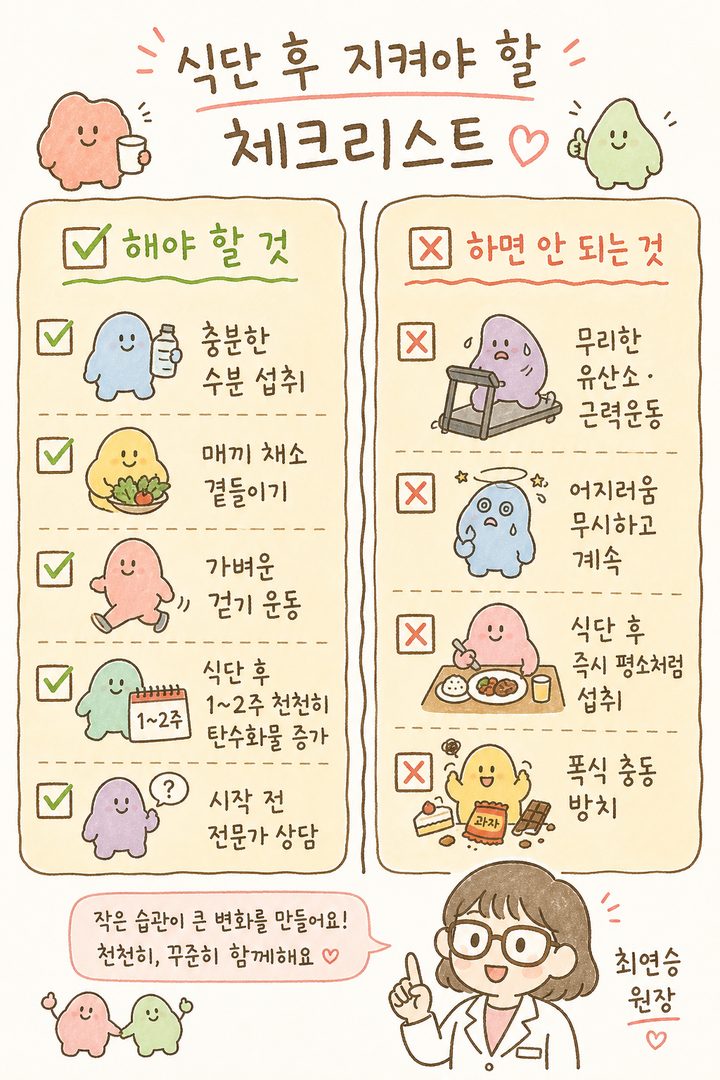
If you've already started the Denmark diet or are considering a similar very low-calorie plan, be sure to follow these guidelines:
Stay well-hydrated and stop immediately if you feel dizzy
Include vegetables like spinach, tomatoes, and salads with each meal, not just protein
Focus on light walking rather than intense cardio; keep strength training brief
Avoid binging on white rice, noodles, or desserts for 1-2 weeks after the diet
Consult a specialist before starting if you have pre-existing dizziness, irregular periods, or digestive issues
The most crucial aspect is your diet after the 2 weeks. If you return to normal eating immediately after losing weight, regaining is inevitable. For the first week after finishing, gradually increase carbohydrates while maintaining protein and vegetable ratios. This period is the turning point for preventing yo-yo effects.
The Denmark diet does produce short-term weight loss. However, you must consider whether these numbers represent lasting change or temporary water loss. I always tell patients, "Let's focus on your body after 2 months, not just 2 weeks." If you've tried multiple short-term diets with recurring yo-yo effects, or want to examine your constitution first, visit Baekrokdam Korean Medicine Clinic. We'll help you establish a sustainable diet structure with Baekrok Gambi-jung, tailored to your constitution. It's okay to take it slow—visit us before you get discouraged.