The Real Reason You Can't Stop Late-Night Snacking Has Nothing to Do with Willpower

Table of Contents
"I managed to hold out until dinner, but when 10 PM hits, it feels like a seal breaks." During diet consultations, I hear this struggle from so many people. Despite your daytime resolve, nighttime comes and you find yourself opening delivery apps without thinking, only to regret it the next morning.
Honestly, I feel the urge to open the refrigerator too on stressful days. It's not that your willpower is weak—you're just confused about why hunger hits so hard at night.
Many people blame this on lack of willpower, but there are physiological reasons behind those nighttime cravings. There are fundamental causes that can't be controlled by willpower alone.
Why Do Cravings Explode at Night?
Our bodies secrete various hormones according to daily cycles. Most relevant to late-night snacking are the stress hormone cortisol and the happiness hormone serotonin.
Cortisol and serotonin, actively secreted during the day, naturally decrease in the evening. This is your body's natural process of resting and preparing for sleep. But here's the problem: as cortisol drops, your brain's resistance to stress temporarily weakens, and as serotonin decreases, emotional hunger and carbohydrate cravings increase.
In other words, nighttime hunger is likely a hormonal trick. Refined carbohydrates and sugary foods temporarily boost serotonin levels, so your brain seeks the easiest solution—tteokbokki, cake, or chips.
Stress and Sleep Deprivation: The Hidden Controllers
Hormonal changes happen to everyone, so why is it so hard for you to stop snacking? Chronic stress and sleep quality play major roles.
When you're stressed, cortisol is excessively secreted during the day and drops sharply at night. The larger this drop, the hungrier you feel and the stronger your reward psychology becomes. "Today was hard, so this much is okay"—it's easy to justify late-night eating.
Sleep deprivation also directly causes cravings. Insufficient sleep decreases leptin (the hormone that suppresses appetite) and increases ghrelin (the hormone that stimulates appetite). That's why greasy, sugary foods are especially tempting the day after a poor night's sleep. A vicious cycle begins where last night's lack of sleep leads to tonight's snacking.
Traditional Korean Medicine: The Cause of 'Fake Hunger'
Traditional Korean Medicine explains late-night snacking tendencies through the concepts of Xinhuo (心火/Heart Fire) and Weire (胃熱/Stomach Heat).
Xinhuo (Heart Fire) is a state where excessive thinking or stress accumulates heat in the heart. Symptoms include chest tightness, anxiety, difficulty sleeping, and a tendency to eat to fill an emptiness. Rather than true stomach hunger, it's the 'fake hunger' caused by boredom and emotional emptiness.
Weire (Stomach Heat) is when unnecessary heat accumulates in the stomach, causing digestive function to become overactive. You feel hungry soon after eating, with strong appetite that's hard to control. If you tend to prefer stimulating, greasy foods, Weire may be the cause.
Practical Ways to Escape the Willpower Battle
To win the battle against late-night snacking, changing your environment and systems is far more effective than relying on willpower alone.
First, check your dinner. Meals rich in protein and dietary fiber help maintain satiety longer and stabilize blood sugar, reducing nighttime hunger. If you eat too little or skip dinner, compensation psychology is much more likely to explode at night.
1-2 hours before bed, put your smartphone away and create your own sleep ritual—drink warm tea or do light stretching. Relaxing your body and mind can calm Xinhuo (Heart Fire) and improve sleep quality.
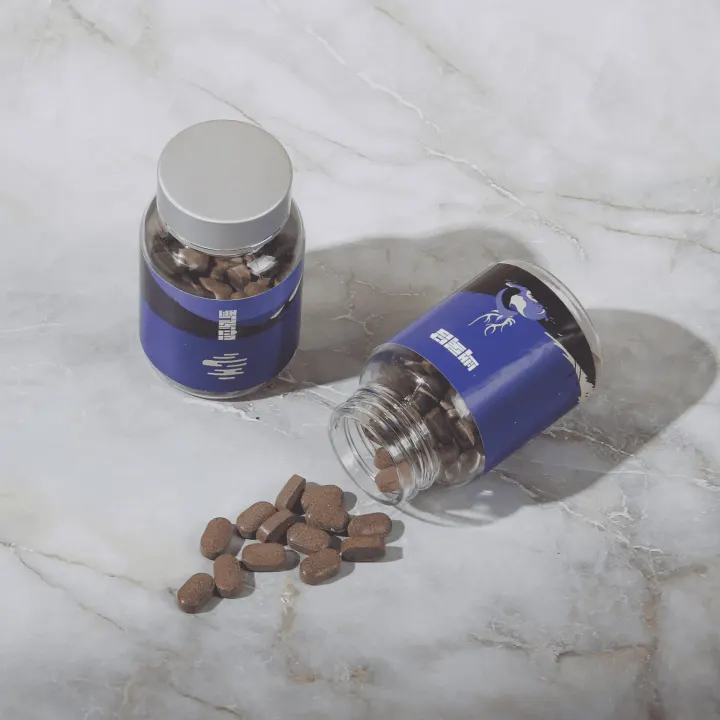
If you still struggle with recurring nighttime cravings despite these efforts, professional help to correct bodily imbalances may be needed. The important thing is to approach this from the perspective of restoring hormonal and metabolic balance, rather than simply suppressing appetite. Baekrokdam's Baekrok Gambijeong program focuses on understanding your individual body condition and improving root causes from this perspective.
Frequently Asked Questions
Q. I eat a substantial dinner, but I'm still hungry at night. Why?
Quality matters more than quantity. For example, if you had a carbohydrate-heavy meal, blood sugar may spike and then drop quickly, causing hunger. Or you may have simply developed a habit of feeling hungry at certain times. As explained with Xinhuo (Heart Fire), emotional emptiness rather than physical hunger may be the cause.
Q. If I really can't resist late-night snacking, are there better alternatives?
Avoid foods that spike blood sugar and burden the stomach, like fried chicken, ramen, or tteokbokki. Instead, try a glass of warm milk, plain yogurt, or a small amount of nuts. Foods containing protein and healthy fats provide satiety with less impact on blood sugar.