
Pain or burning sensation in the epigastric area (pit of the stomach)
Recurring pain or burning in the center of the abdomen above the navel; this may be consistent regardless of meals or may occur on an empty stomach.
Indigestion typically manifests as pain, burning, or discomfort in the upper abdomen, particularly in the epigastric region (the area just below the sternum), early satiety (feeling full quickly after eating very little), and a prolonged sense of unpleasant fullness after meals. While abdominal bloating, nausea, and belching may occur, heartburn is categorized as a representative symptom of gastroesophageal reflux. Functional dyspepsia cannot be confirmed by symptoms alone; causes such as medications, Helicobacter pylori, or ulcers must be evaluated. Prompt medical evaluation is required for chest pain, shortness of breath, vomiting blood, black stools, repeated vomiting, weight loss, or difficulty swallowing.
Indigestion Symptoms
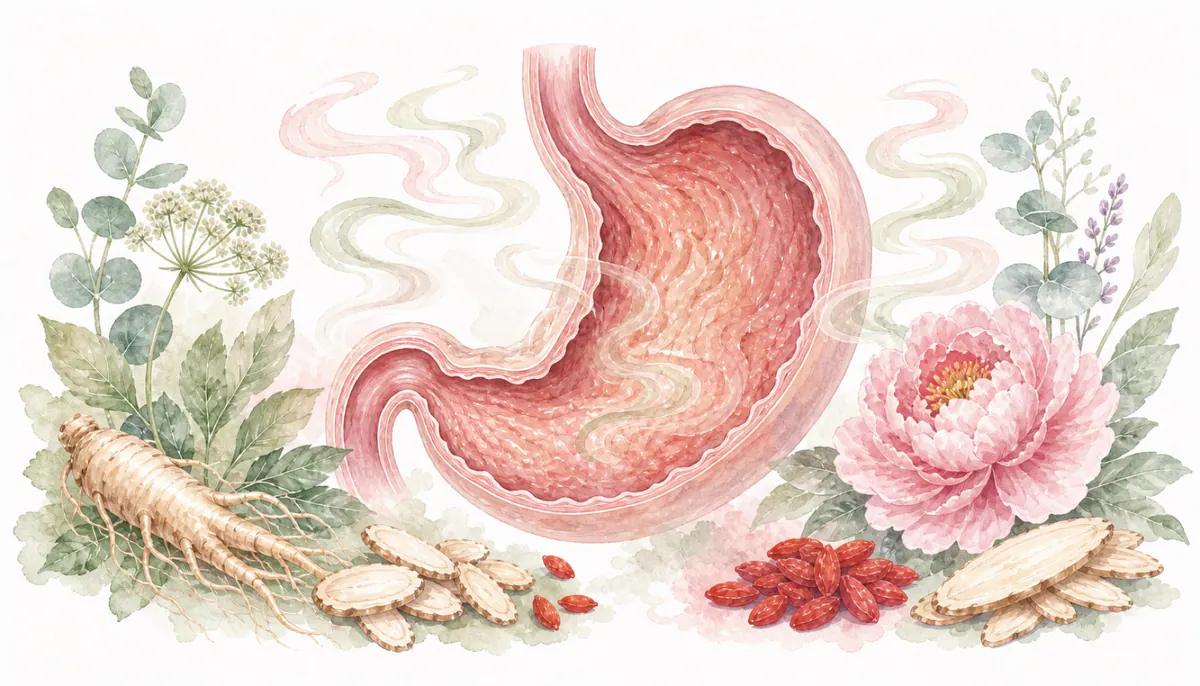
Next steps by symptom
| Symptom Combination | Possible Interpretation | Next Step |
|---|---|---|
| Recurring epigastric pain or burning, no systemic warning signs | Indigestion category, such as epigastric pain syndrome | Review medications, alcohol intake, and NSAID use; consult about H. pylori testing during a medical evaluation |
| Early satiety or prolonged bloating after meals | Possibility of functional disorders, such as postprandial distress syndrome | Record intake, weight, and vomiting; evaluate for structural causes |
| Primarily acid reflux or heartburn | Gastroesophageal reflux may be the primary symptom | Report nighttime symptoms or relationship to posture; evaluate for reflux |
| Severe pain in the upper right abdomen or radiating to the back | Other upper abdominal diseases, such as gallbladder or pancreatic issues | Seek medical evaluation on the same day if there is persistent pain, fever, or jaundice |
| Chest pressure, jaw or arm pain, cold sweats, or shortness of breath | Possibility of cardiac ischemia | Immediately call 119 or go to the emergency room |
What the clinic checks first
Dyspepsia is defined primarily by upper abdominal pain, burning sensations, postprandial fullness, and early satiety. Bloating, nausea, and belching may accompany these, but their location and timing should be recorded separately. The term "functional" does not mean there is no problem; rather, it refers to a gut-brain interaction disorder where no structural disease is identified through medical history, physical examination, and necessary tests.
Recurring pain or burning in the center of the abdomen above the navel; this may be consistent regardless of meals or may occur on an empty stomach.
Early satiety, where you feel full before finishing your usual portion, is evaluated alongside actual food intake and changes in weight.
Unpleasant bloating after meals may overlap with nausea or belching; record the frequency, duration, and impact on daily life rather than the types of food.
If heartburn and the sensation of acid rising into the throat are the primary symptoms, the extent of reflux is evaluated separately.
Structural causes are checked in cases of NSAID use, nighttime pain, bleeding, jaundice, or pain in the upper right abdomen radiating to the back.
Chest or epigastric pressure, shortness of breath, cold sweats, and jaw or arm pain—especially those occurring during exercise—are not dismissed as simple gastrointestinal symptoms.
Distinguishing whether the discomfort is in the center of the upper abdomen or a burning sensation behind the chest helps differentiate between the primary symptoms of reflux and indigestion.
Recording separately whether you are unable to finish a meal or how many hours the discomfort lasts after eating makes it easier to compare evaluations and treatment responses.
In addition to bloating, belching, and nausea, changes in bowel movements, pain in the upper right abdomen, medication use, and alcohol consumption are also checked.
Do not arbitrarily stop medications that may cause symptoms, such as NSAIDs or iron supplements; coordinate with your prescriber.
Depending on age, regional risk, warning signs, and treatment history, testing may be done via non-invasive methods or during a gastroscopy.
If there is difficulty swallowing, bleeding, weight loss, persistent vomiting, or individual risk factors, tests are prioritized to identify structural causes.
If you experience chest pressure, cold sweats, shortness of breath, or pain in the jaw or arms, an emergency cardiac evaluation takes priority.
Vomiting blood, black stools, repeated vomiting, or difficulty swallowing should not be viewed as simple indigestion; seek prompt medical evaluation.
Do not delay endoscopy or H. pylori treatment for Korean herbal medicine; consult on the supplementary role of herbal medicine for remaining postprandial discomfort after standard evaluation.
Consultation for indigestion symptoms at Baekrokdam
We check for chest pain, shortness of breath, vomiting blood, black stools, difficulty swallowing, and persistent vomiting to determine the priority between emergency care and gastroenterological evaluation.
We review current medications, previous test results, and history of eradication therapy to ensure all necessary evaluations are complete before concluding the condition is functional.
Following standard treatment, we record the number of symptomatic days per week, the ability to finish meals, and weight to determine the effectiveness of supportive management and the criteria for discontinuation.
Please prepare information regarding the location of symptoms, timing relative to meals, weight changes, current medications, H. pylori and endoscopy results, and whether any warning signs are present.
When to seek urgent care
These may accompany indigestion, but the core symptoms are pain or burning in the epigastric area (upper center of the abdomen), early satiety, and postprandial fullness. Other potential causes are also examined.
They can overlap, but heartburn and acid reflux are representative symptoms of gastroesophageal reflux disease (GERD). Please specify the primary location and the situations that trigger the symptoms when informing your provider.
Medical staff determine this based on age, individual risk factors, and warning signs such as bleeding, difficulty swallowing, weight loss, or persistent vomiting.
Emergency signs and necessary H. pylori or endoscopic evaluations are performed first. Korean herbal medicine treatment is used as a supportive measure for chronic symptoms following a standard evaluation.
Content reviewed:
This information supports, but does not replace, diagnosis or treatment by a qualified healthcare professional.