BRD Clinic
Only people currently living in Korea with their own Korean 010 mobile number can apply. Overseas residents are not eligible.

Indigestion Treatment: Distinguishing Between H. pylori, Medication-Induced, and Functional Causes

Treatment for indigestion varies depending on the cause. If H. pylori is confirmed, combined antibacterial therapy is administered; if certain medications are causing the symptoms, they are adjusted with the prescribing physician; and if another medical condition is the cause, that condition is treated first. For functional dyspepsia where no specific cause is identified, PPIs, H2 blockers, and depending on the situation, gastrointestinal prokinetics, anti-nausea treatments, or low-dose gut-brain neuromodulators are considered. If symptoms are linked with anxiety or depression, mental health treatments such as counseling or relaxation techniques may be connected. Responses and side effects are regularly re-evaluated, and supplements or Korean herbal medicine are not used to replace eradication therapy or necessary pharmacological treatments.

Guide to Indigestion Treatment

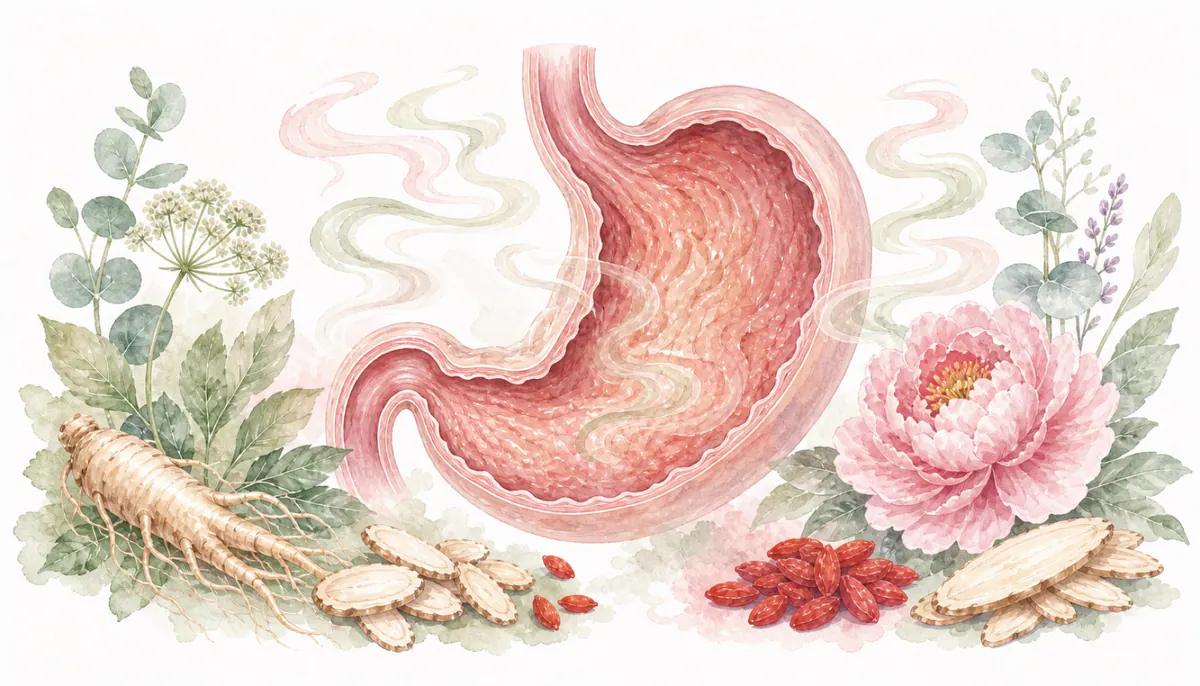
Indigestion: Illustration for this condition

Key points

  1. 1If H. pylori, causative medications, or other diseases are present, the corresponding cause is treated first.
  2. 2For functional dyspepsia, acid suppression, gastrointestinal motility, and gut-brain treatments are phased based on primary symptoms and response.
  3. 3Long-term medications are regularly re-evaluated, and standard treatments are not replaced with Korean herbal medicine or supplements.

Treatment Selection

Proceed based on the main symptoms and response after confirming the cause

Rather than layering medications that were ineffective, we re-confirm the cause and current goals.
Current SituationPriority TreatmentBaekrokdam Consultation Scope
H. pylori positiveCombination antibacterial therapy and follow-up confirmationDoes not replace eradication therapy
Suspected medication causing symptomsCoordinate necessity and alternatives with the prescriberRecord dietary reactions without arbitrary discontinuation
Functional epigastric discomfortEvaluate response to primary medications such as acid suppressantsConsult on recurring discomfort after standard treatment
Early satiety, nausea, or non-responsivenessReview gastrointestinal motility, anti-nausea, or gut-brain axis therapiesTrack meal portion size and recovery time
Bleeding, chest pain, jaundice, or persistent vomitingEmergency or gastrointestinal cause treatmentPostpone herbal medicine consultation and seek immediate medical evaluation

What the clinic checks first

If stomach acid medication doesn't work, is the treatment for indigestion over?

No. H. pylori, causative medications, and other diseases can be re-verified, and depending on the primary pattern of functional symptoms, gastrointestinal motility, gut-brain therapy, and nutritional/lifestyle support can be considered.

More detail

Treatable causes are addressed first

H. pylori is treated after confirmation

If the result is positive, combined antibacterial therapy is received; infection status is not determined solely by whether symptoms have decreased.

Causative medications are adjusted with the prescriber

The start and dosage increase of all medications are aligned with the timing of symptoms, but necessary medications must not be stopped arbitrarily.

Other diseases are prioritized for treatment

If there are explainable causes such as ulcers, reflux, or biliary tract issues, treatment is not limited to repeating indigestion medications.

Functional symptoms are phased according to response

Evaluate the response to acid suppression therapy

PPIs and H2 blockers are used according to the medical team's plan while monitoring expected effects and side effects.

Consider the next medication based on primary symptoms

Depending on early satiety, nausea, or pain, gastrointestinal motility, anti-nausea, or low-dose gut-brain neuromodulator treatments are selected.

Connect gut-brain behavioral therapy and nutrition

If the condition is unresponsive or if symptoms are linked with anxiety or depression, counseling, relaxation, and nutritional/lifestyle support are considered together.

Baekrokdam focuses on functional recovery after standard treatment

Does not replace eradication or necessary medications

Korean herbal medicine treatment is not used to delay H. pylori treatment, adjustment of causative medications, or necessary pharmacological treatment for functional dyspepsia.

Measure changes in diet and daily life

We monitor whether the amount of a single meal, recovery time after eating, and the ability to dine out, attend meetings, or sleep actually improve.

Re-evaluate diagnosis if there is no response

If chronic discomfort persists or new warning signs appear, the same supportive treatment is not repeated.

Treatment and follow-up

Dyspepsia treatment begins by first ruling out risks of bleeding, cardiac issues, or biliary tract problems, and treating explainable causes such as H. pylori, ulcers, or causative medications. Treatment then proceeds based on the primary symptoms of functional dyspepsia. Acid suppressants, gastrointestinal motility agents, anti-nausea medications, and gut-brain axis therapies are adjusted based on response and side effects. Korean herbal medicine treatment does not replace or delay diagnostic tests, eradication therapy, or pharmacological treatment.

Options to discuss

Treat H. pylori and underlying diseases

If an infection is confirmed, receive combination antibacterial therapy; if another disease is the cause, prioritize the treatment for that condition.

Coordinate causative medications with the prescriber

Even if the onset of symptoms coincides with a change in medication, do not stop necessary medications on your own; instead, discuss the purpose of the prescription and possible alternatives.

Manage functional symptoms step-by-step

Evaluate responses sequentially to PPIs, H2 blockers, and situation-specific gastrointestinal motility, anti-nausea, or low-dose gut-brain neuromodulation therapies.

Integrate lifestyle, nutrition, and gut-brain therapy for non-responsive cases

Rather than repeatedly trying medications alone, consider a combination of dietary and activity adjustments, nutritional support, and mental health treatments such as counseling and relaxation.

Limits and cautions

Do not wait for digestive medicine if bleeding or chest pain occurs

Vomiting blood, black stools, feeling of fainting, or new chest pain and shortness of breath require immediate emergency or specialized medical evaluation rather than outpatient medication adjustment.

Do not arbitrarily change H. pylori treatment

Follow the medical staff's guidance for combination prescriptions; do not use Korean herbal medicine or supplements to replace eradication therapy or shorten the treatment period.

Do not stop or increase long-term medications on your own

Regularly check underlying conditions, concomitant medications, responses, and side effects, then adjust dosage and usage with your medical provider.

Do not overlap supplements and alternative therapies

Do not arbitrarily add vitamins, herbs, supplements, or Korean herbal medicine before confirming safety and potential interactions.

What to track

  • Meal portion size and timing of early satiety
  • Recovery time for postprandial fullness and epigastric pain
  • Medication start/change dates, responses, and side effects
  • Changes in weight, vomiting, black stools, or jaundice
  • Ability to eat out, go to work, and sleep

How Baekrokdam approaches care

Baekrokdam prioritizes emergency or gastroenterological evaluation over herbal medicine consultations for acute hematemesis (vomiting blood), black stools, fainting, chest pain, shortness of breath, persistent vomiting, jaundice, or weight loss. For chronic or recurrent indigestion, we maintain H. pylori eradication, adjustment of causative medications, and standard functional treatments. Only when early satiety, postprandial fullness, or epigastric discomfort persist after these steps do we consult on the limited supportive goals of herbal medicine treatment.

  • H. pylori, gastroscopy, and diagnosis of the cause
  • All prescribed medications, over-the-counter drugs, supplements, and herbal medicine
  • Meal portion size, postprandial recovery time, and epigastric discomfort
  • Weight, vomiting, black stools, jaundice, and chest pain
  • Ability to go to work, eat out, and sleep

We first verify the cause-based treatment and current medications

We verify whether the goals and responses to eradication, causative medication adjustment, and functional medications have been clarified to prevent arbitrary changes.

We evaluate recurring mealtime experiences using consistent criteria

We record whether the portion size of a single lunch, the time it takes for postprandial discomfort to resolve, and interference with meetings, eating out, or sleep change before and after treatment.

We define the scope of supportive care and criteria for reassessment

If bleeding, vomiting, weight loss, or lack of response occurs during herbal medicine treatment, we do not repeat supportive care but instead reassess the diagnosis.

Hematemesis, coffee-ground vomiting, black stools, fainting, new oppressive chest pain with shortness of breath and cold sweats, persistent vomiting, difficulty swallowing, jaundice, weight loss, or sudden severe abdominal pain require immediate evaluation. Herbal medicine treatment does not replace or delay H. pylori eradication, necessary tests, or standard treatments such as acid suppressants, gastrointestinal motility agents, or gut-brain axis therapies.

Baekrokdam's Indigestion Treatment Consultation

We prioritize cause-based treatment, then evaluate the recovery of meals and daily life using consistent criteria

Acute hematemesis, black stools, fainting, chest pain, shortness of breath, persistent vomiting, jaundice, and weight loss require immediate evaluation before herbal medicine treatment. For chronic or recurrent indigestion, we maintain H. pylori eradication, management of causative medications, and standard functional treatments. At Baekrokdam, herbal medicine is consulted only as a supportive measure for remaining early satiety, postprandial fullness, or epigastric discomfort.
01 · Acute Safety

Screening for bleeding, cardiac, and biliary risks first

Hematemesis, black stools, fainting, chest pain, shortness of breath, jaundice, and persistent vomiting are immediately referred to the relevant medical care.

02 · Cause-based Treatment

Verifying eradication, causative medications, and functional treatments

We review all medications, H. pylori results, and current treatment goals, responses, and side effects together.

03 · Herbal Medicine Treatment

Supportive care only for remaining recurrent discomfort and function

We track whether meal portion size, postprandial recovery time, and the ability to eat out, go to work, and sleep are actually improving.

Please prepare your H. pylori and gastroscopy results, a list of all medications, supplements, and herbal medicines, and records of your meal portion sizes, postprandial recovery time, epigastric discomfort, weight, vomiting, and stool color.

When to seek urgent care

Signs that require immediate evaluation over treatment adjustment

Risks of bleeding, cardiac issues, biliary tract problems, or obstruction are checked first.
  • Vomiting blood, coffee-ground emesis, black stools, dizziness, or feeling of fainting
  • New oppressive chest pain, shortness of breath, or cold sweats
  • Persistent vomiting, difficulty swallowing, jaundice, or weight loss
  • Sudden, persistent severe abdominal pain and abdominal bloating

Frequently asked questions

What medications are used to treat indigestion?

Depending on the cause, we select H. pylori treatment, acid suppressants, gastrointestinal motility agents, anti-nausea medication, or gut-brain axis treatments based on the patient's response.

Do I have to keep taking acid-reducing medication?

It depends on your underlying condition, response, and side effects. Long-term use should be regularly re-evaluated; do not stop or increase the dosage on your own.

If it is functional indigestion, is it just in my head?

No. These are actual symptoms resulting from gut-brain interactions, and medication, nutritional, and behavioral therapies are used together if necessary.

Can I take Korean herbal medicine together with my other medications?

Please share your full list of medications and test results to check for interactions. Consultations are provided only within a scope that does not replace eradication therapy, necessary tests, or standard medical treatments.

Sources

  1. NIDDK — Treatment of IndigestionH. pylori, acid suppression, gastrointestinal motility, anti-nausea, and gut-brain treatments by cause, and adjustment of causative medications
    Open source
  2. NICE — GORD and Dyspepsia RecommendationsH. pylori testing and treatment, acid suppression therapy, and regular re-evaluation of long-term medications
    Open source
  3. BSG — Functional Dyspepsia GuidelineStepwise medical, nutritional, lifestyle, and gut-brain behavioral therapy for functional dyspepsia
    Open source

Content reviewed:

This information supports, but does not replace, diagnosis or treatment by a qualified healthcare professional.

The clinic is outside telephone hours

You can leave your inquiry now.

Leave an inquiry Call anyway