
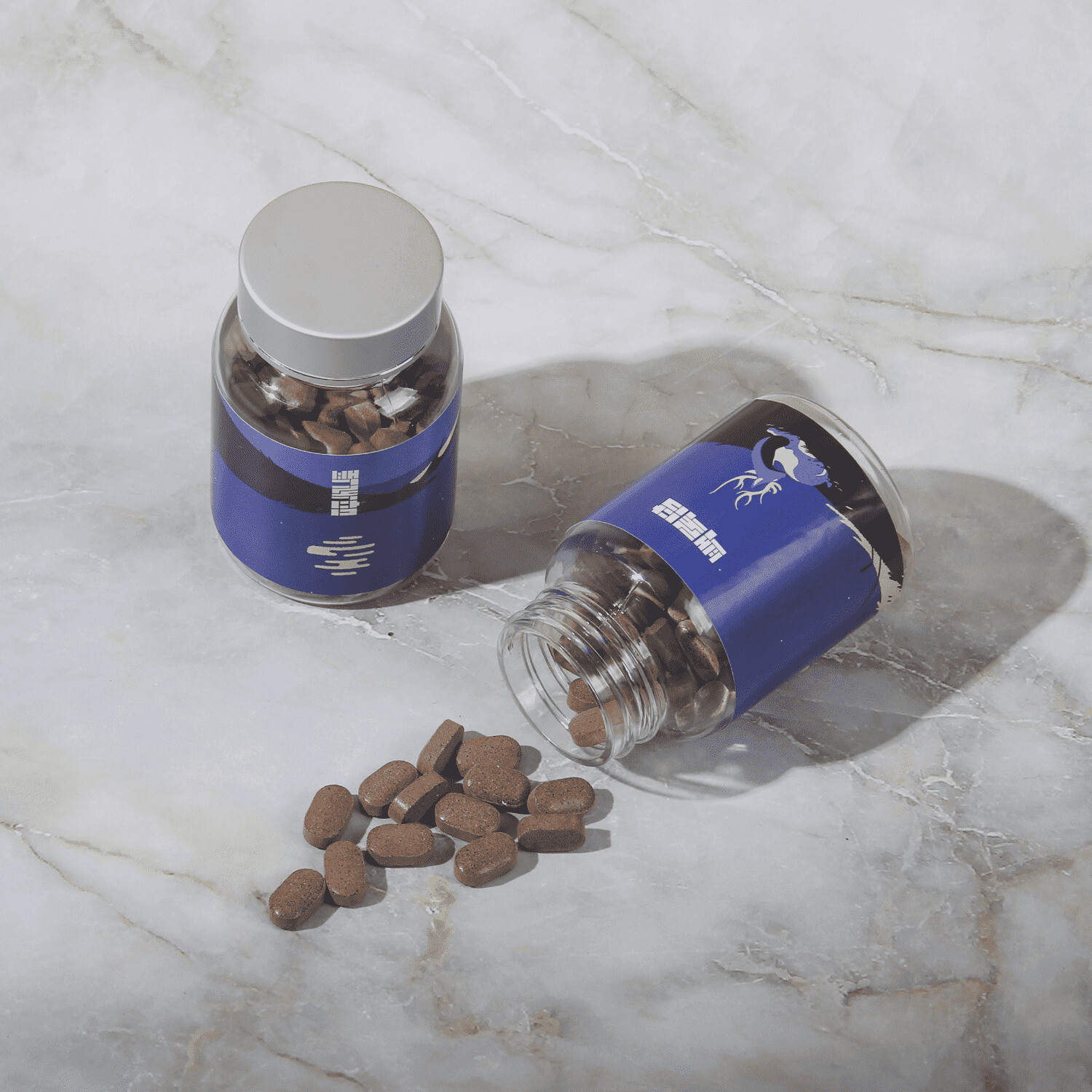
한약 병행·약물 상호작용
Q. Is it okay to take my usual medications or supplements while taking diet herbal medicine?
A.
Yes, it is possible, but you must check for drug interactions. The advantage is that herbal medicine can assist digestion and metabolism, aiding weight loss. The disadvantage is that there may be side effects due to competition in liver metabolism or overlapping ingredients. Ultimately, the safest approach is to review your current medications and the herbal formula together before deciding.
📝 Detailed Answer
Diet herbal medicine is usually prescribed to improve constitutional imbalances such as spleen deficiency (biheo) or phlegm-fluid retention (dameum). Therefore, it often contains herbs that aid digestive function or regulate water metabolism. When taken with existing medications, the most important concern is competition in liver metabolism. Drugs metabolized by the liver (e.g., some blood pressure medications, antidepressants) and herbal components can affect each other, sometimes requiring dose adjustments. Additionally, some supplements may overlap with herbal ingredients. For example, taking potassium supplements with herbal medicine containing licorice (gamcho) can increase the risk of elevated blood potassium levels. On the other hand, there are clear advantages. Herbal medicine itself can improve the gut environment to aid nutrient absorption, or reduce edema, thereby supporting the diet process. In fact, many patients taking blood pressure or diabetes medications use them together; in such cases, drug concentrations are monitored periodically and adjusted. In conclusion, it cannot be said that it is absolutely unsafe or absolutely safe. It depends on the types and doses of your current medications and the composition of the herbal prescription. Therefore, when you visit, please bring a list of all medications and supplements you are taking. It is our role to review them together and find the safest approach.
#feasibility
#pros-cons

Expert Verified
Dr. Yeonseung Choe
Chief Director