
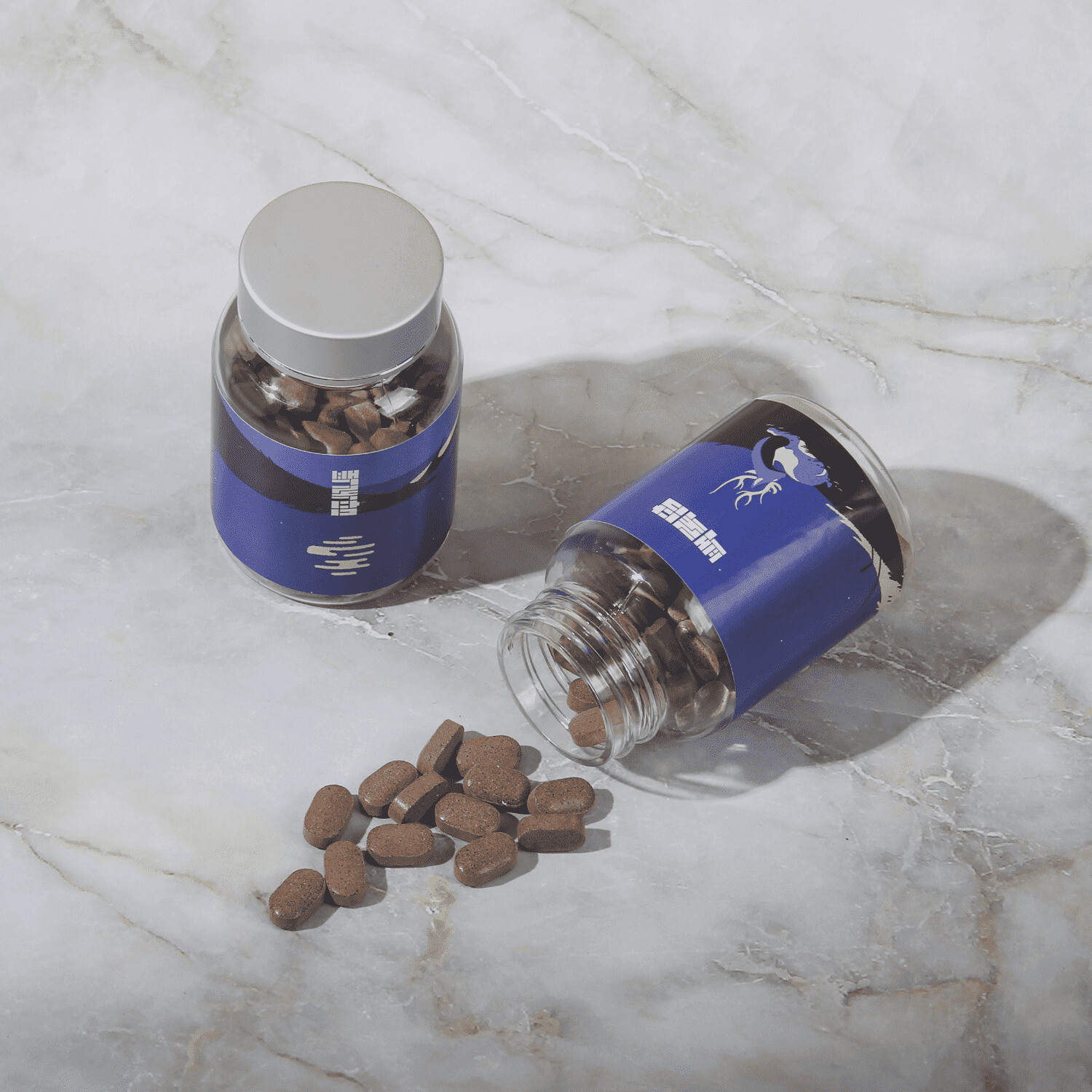
한약 병행·약물 상호작용
Q. Is it okay to take my usual medications or supplements while taking diet herbal medicine?
A.
Yes, it is possible but there are precautions. The advantage is easier lifestyle management; the disadvantage is that the herbal medicine's effect may weaken or unexpected interactions may occur. You must inform me of all medications you are taking before prescription.
📝 Detailed Answer
In many cases, it is fine to take them together, but I cannot simply say it is always safe. On the plus side, combining herbal medicine with Western medications can sometimes help maintain stable diet effects. For example, patients on blood pressure or diabetes medications may find that the herbal medicine regulates metabolism without interfering, and may even complement the drug's action. Supplements like vitamin B or omega-3 are often taken without major issues. However, there are clear drawbacks. Herbal components can alter the absorption or metabolism of certain drugs, especially those processed through the liver (gan). If metabolic pathways overlap, blood levels of drugs like anticoagulants (e.g., warfarin) or antidepressants may rise or fall unpredictably, requiring careful review by a Korean medicine doctor. Additionally, diet herbal medicine is often aimed at regulating Spleen deficiency (pi xu, 脾虛) or Phlegm-fluid retention (tam eum, 痰飮). Adding iron supplements or probiotics indiscriminately may cause bloating and reduce effectiveness. I have personally seen cases where patients took extra supplements and the herbal medicine did not work well. Ultimately, the answer is 'it depends.' Even the same medication requires consideration of the herbal formula, the patient's constitution, and timing. Please bring a list of all your current medications and supplements when you visit, and I will review each one to ensure safe concurrent use.
#feasibility
#pros-cons

Expert Verified
Dr. Yeonseung Choe
Chief Director