
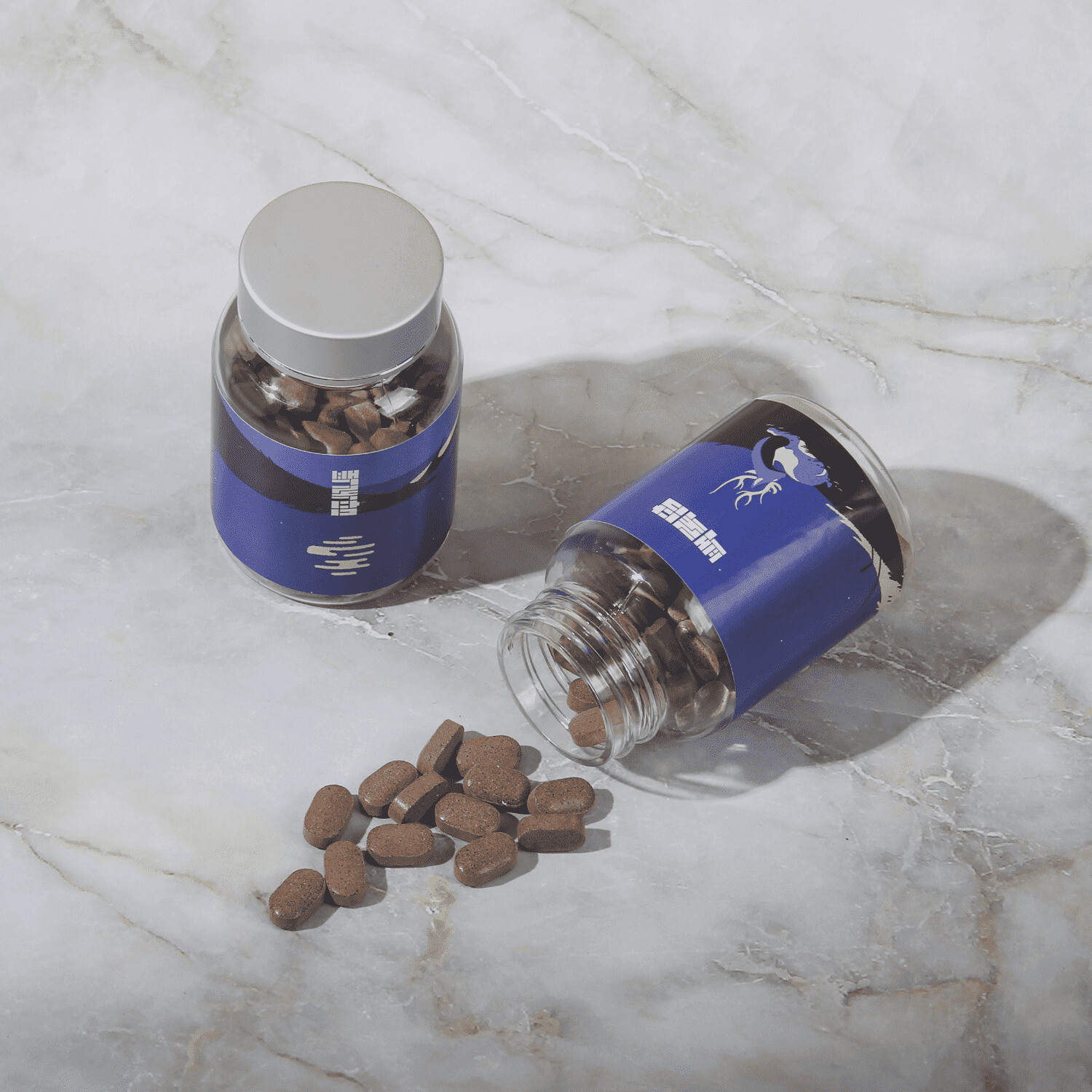
한약 병행·약물 상호작용
Q. Can I take my regular medications or supplements while on diet herbal medicine?
A.
It is generally possible, but caution is needed due to the risk of drug interactions. Herbal medicine can affect the absorption or metabolism of certain drugs. Always inform your doctor of all current medications and consult a professional before combining.
📝 Detailed Answer
Yes, it is often possible, but careful consideration is required. The advantage is that herbal medicine can help balance the body and may alleviate side effects of conventional drugs, such as gastrointestinal discomfort or nutritional imbalances from appetite suppression. Some herbal components may even enhance absorption of certain supplements. However, there are risks: herbal and conventional drugs may compete for the same liver enzyme system (cytochrome P450), altering blood concentrations. Specific herbs like licorice (甘草, Glycyrrhiza uralensis) and ephedra (麻黃, Ephedra sinica) can interact with blood pressure medications, diabetes drugs, and anticoagulants. Supplements like iron or calcium may also affect herbal absorption. In Traditional Korean Medicine, such interactions are categorized as 'mutual antagonism' (相反, sangban) or 'mutual inhibition' (相惡, sangak), which can reduce efficacy or cause toxicity, while harmonious combinations are termed 'mutual reinforcement' (相須, sangsu) to enhance effects. Therefore, it is crucial to disclose all medications and supplements to your Korean medicine doctor, who can review potential interactions and adjust the prescription accordingly. Do not self-judge; always seek professional guidance before combining.
#feasibility
#pros-cons

Expert Verified
Dr. Yeonseung Choe
Chief Director