
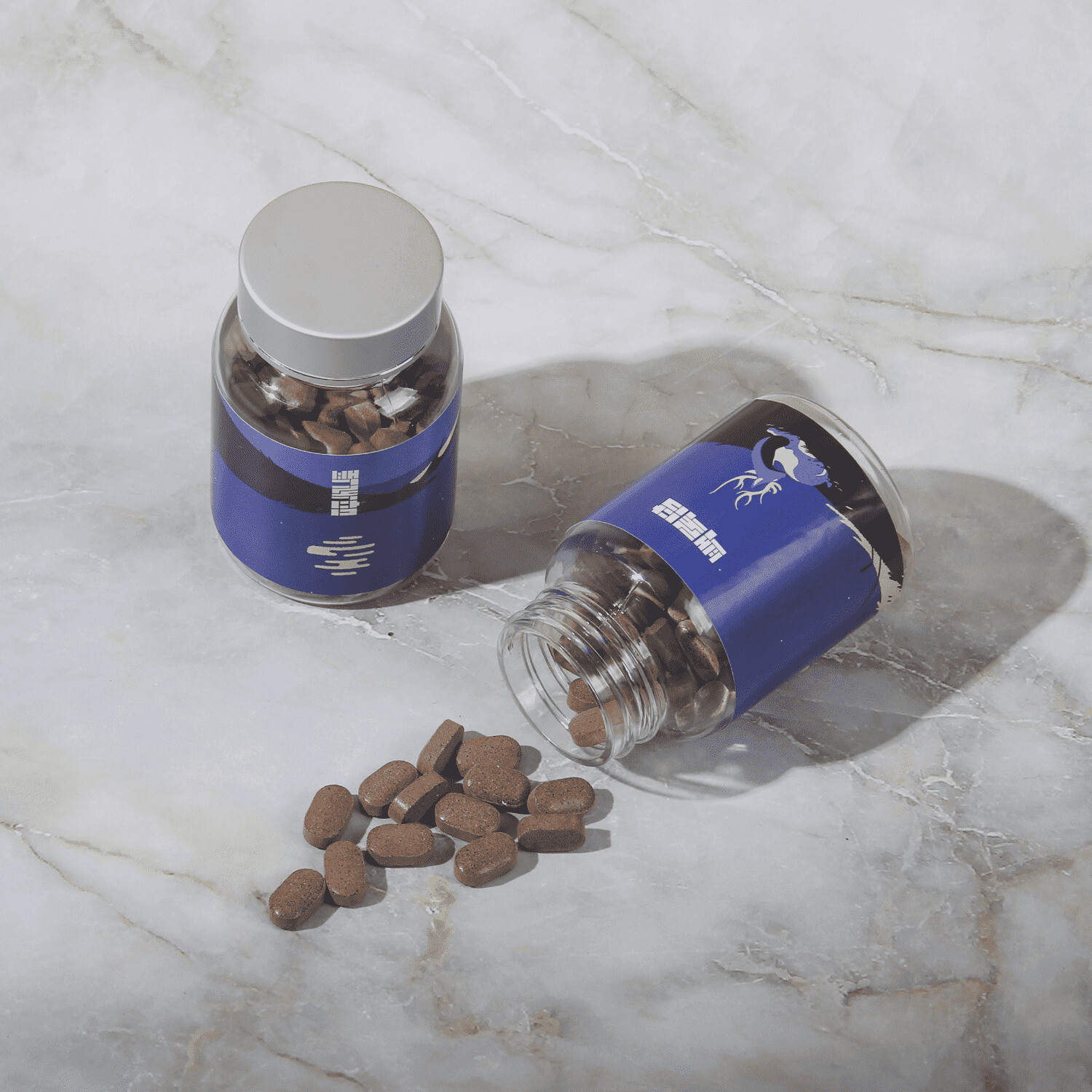
한약 병행·약물 상호작용
Q. Is it possible to lose weight with herbal medicine? I'm curious about the pros and cons when combined with diet control.
A.
It is possible, but the weight won't drop drastically with just the medicine. The advantage is help with appetite control and metabolism; the disadvantage is that effects appear slowly and if lifestyle habits don't change, yo-yo effect can occur. I know from some past struggles—combining it with diet control works much better.
📝 Detailed Answer
Many people are curious about herbal medicine for weight loss. At first, I also thought, 'If I take herbal medicine, won't the weight just fall off?' But after trying it myself, I found that's not the case. The advantage of herbal medicine is that it approaches weight loss according to one's constitution and condition. For example, someone with Spleen Qi Deficiency (脾虛) tends to have poor digestion and easy bloating. Using herbs that tonify the Spleen (補脾) can boost metabolism and reduce appetite. In cases where weight gain is due to Blood Stasis (瘀血) or Phlegm-Fluid (痰飮), the medicine helps improve blood circulation and dissolve stubborn fat. You may experience a noticeable reduction in hunger and cravings during diet control. The disadvantages: first, effects are not rapid—since herbal medicine primarily aims to improve constitution, it takes 2 to 3 weeks for the body to start changing. Second, the cost of herbal medicine can be a burden. Third, if you take only the medicine without managing your diet, the likelihood of yo-yo effect is high. The medicine doesn't lose weight for you; it creates a better metabolic environment, so lifestyle habits must follow. The conclusion is 'it depends on the situation.' Those who have already tried other weight-loss methods like Wegovy or Saxenda often develop resistance to appetite suppressants, so herbal medicine may work better for them. Conversely, people who have difficulty managing their diet alone may find it much easier when combining with herbal medicine. I experienced this too—struggling the most with controlling my eating, but while taking herbal medicine, I thought, 'Ah, I can eat a little less, and it's okay?' Ultimately, finding the method that suits your body is key.
#feasibility
#pros-cons

Expert Verified
Dr. Yeonseung Choe
Chief Director