
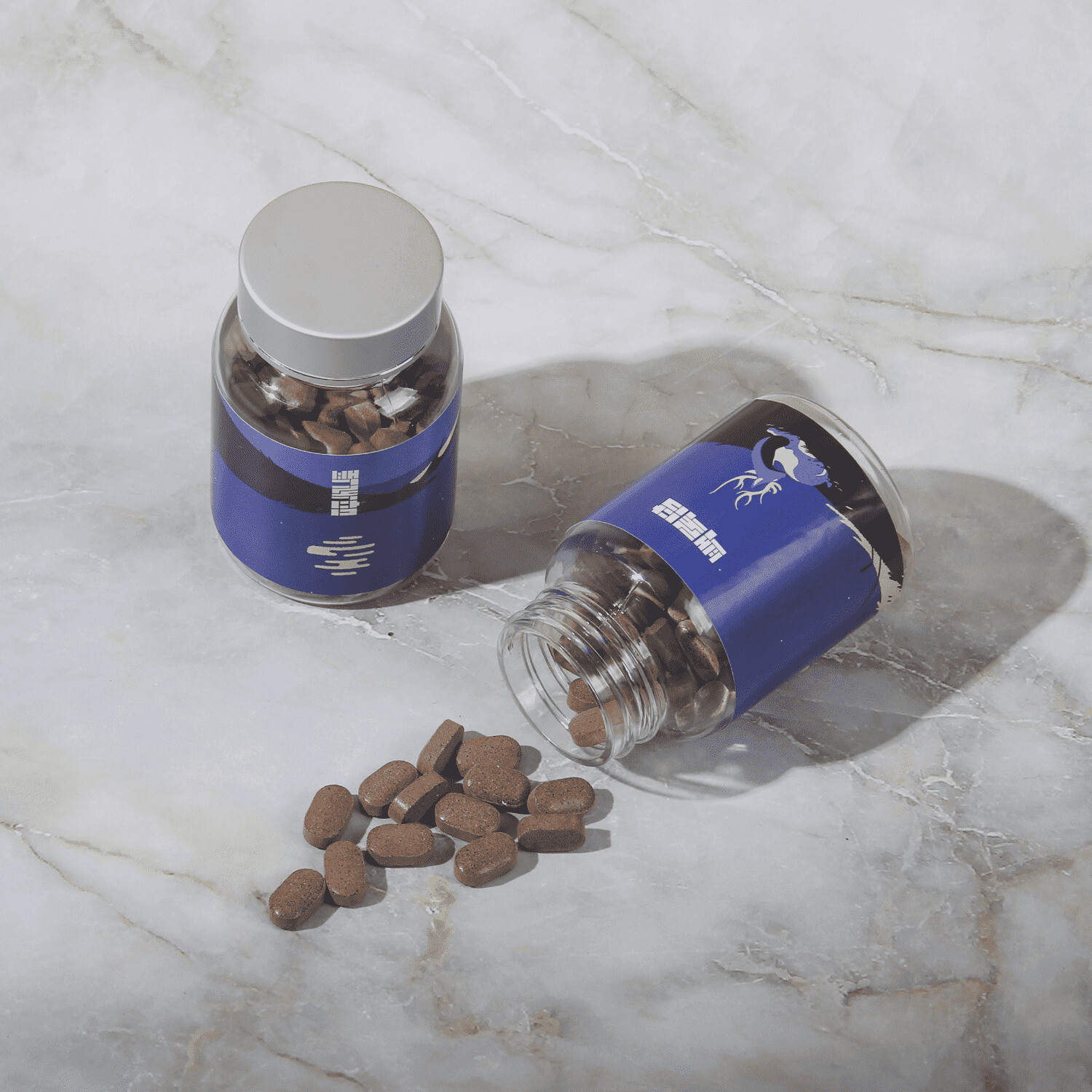
한약 병행·약물 상호작용
Q. Can herbal medicine really help control appetite for dieting? I'm curious about the effects and precautions.
A.
Yes, it is possible, but 'appetite control' is not solved by a single medicine. Herbal medicine helps naturally regulate appetite by improving constitutional imbalances such as spleen deficiency (biheo) or phlegm-fluid (dameum). The advantage is fewer side effects and overall body strengthening; the disadvantage is that effects appear gradually and consistent management is required.
📝 Detailed Answer
I also used to wonder, 'How can herbal medicine reduce appetite?' However, after some trial and error, I realized appetite is not simply a matter of willpower. In Traditional Korean Medicine, increased appetite is seen as a sign of constitutional imbalance such as spleen deficiency (biheo) or phlegm-fluid (dameum). For example, when spleen function weakens (biheo), food is not properly digested, leading to frequent cravings; when dampness-phlegm accumulates (dameum), the palate becomes excessively stimulated. Herbal medicine works by adjusting these root causes to naturally stabilize appetite. Advantages include: first, unlike appetite suppressants, it does not stimulate the central nervous system, so side effects are minimal; second, it improves overall constitution, reducing the likelihood of weight regain; third, it can also aid energy metabolism and water regulation. Disadvantages: it takes about 2 to 4 weeks for effects to appear, responses vary by individual constitution, so results are not uniform for everyone. Also, herbal medicine requires continuous intake, which may be a burden in terms of cost and time. When used concurrently with Western medications like Wegovy or Saxenda, there is a potential for interactions, so you must consult a Korean medicine doctor. In conclusion, rather than asking whether it ‘works or not,’ it is important to first determine whether the approach suits your constitution and lifestyle. I recommend consulting a practitioner to diagnose patterns such as spleen deficiency, phlegm-fluid, or liver qi stagnation (gan gi ulgyeol) before proceeding.
#feasibility
#pros-cons

Expert Verified
Dr. Yeonseung Choe
Chief Director