
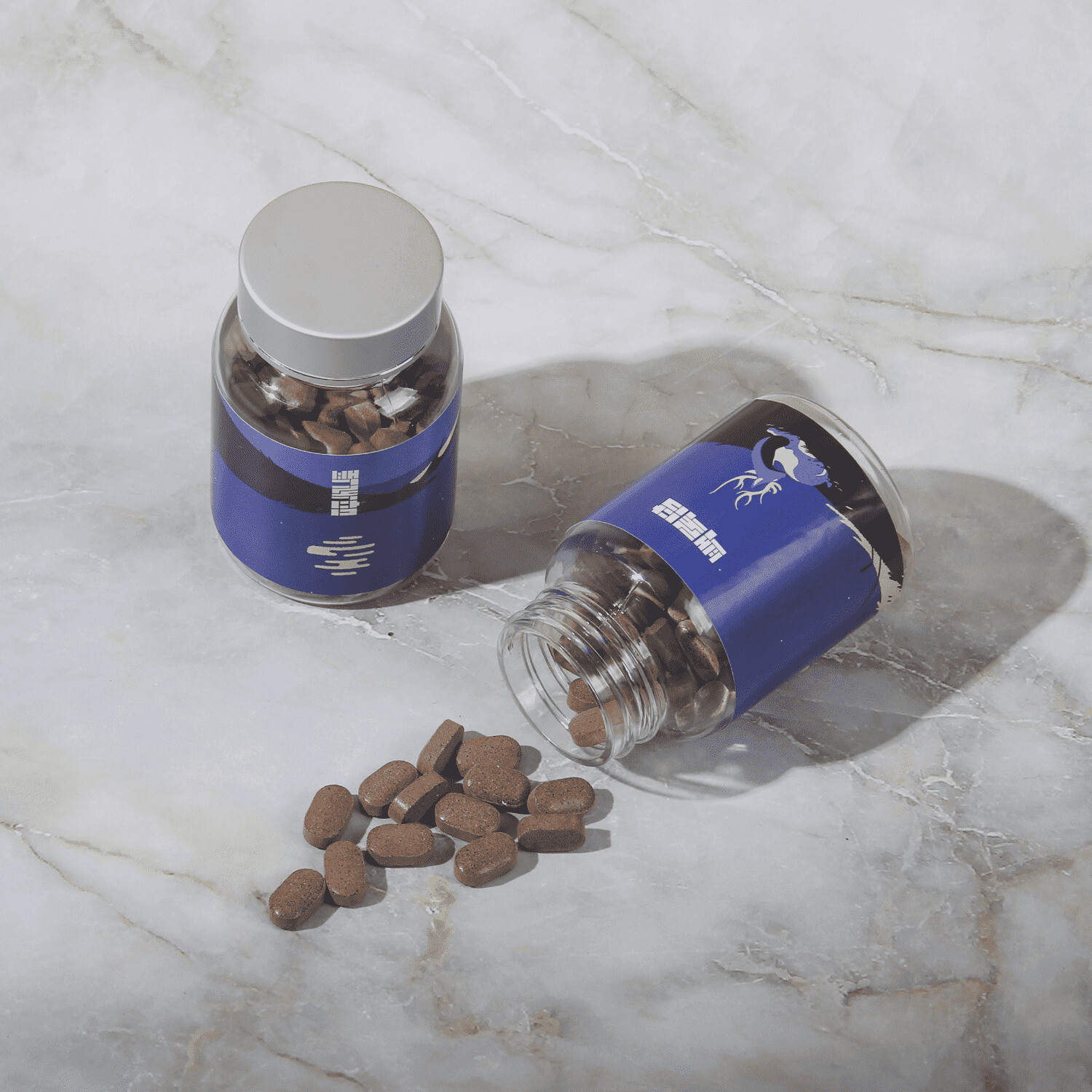
Remote Prescription Process
Q. How can I get a non-face-to-face Korean medicine diet prescription in Suwon?
A.
1. Make a telemedicine appointment via the Baekrokdam Korean Medicine Clinic website or phone. 2. Before the consultation, prepare your symptoms, current medications, and past diet history. 3. During the 1:1 video consultation, the Korean medicine doctor identifies causes like spleen deficiency (bi xu) or phlegm-rheum (dam eum) based on constitution, pulse, and tongue diagnosis. 4. After the consultation, customized herbal medicine is shipped to you, along with dietary and lifestyle tips. 5. Follow-up every 2–4 weeks to adjust the prescription. The entire process is contactless.
📝 Detailed Answer
If you are new to telemedicine, you might wonder if a Korean medicine doctor can accurately diagnose via screen. In fact, within the legal scope, it is entirely feasible, relying heavily on patient-provided information and real-time dialogue. Here is the detailed process:
1. **Booking**: Schedule a 20–30 minute telemedicine session via the Baekrokdam website or phone. It helps to note past diet drug side effects (e.g., Wegovy) or constitution improvement goals beforehand.
2. **Pre-consultation data collection**: You will be asked to submit a brief questionnaire and photos (tongue and face). Tongue diagnosis (seoljin) is crucial: tongue color, coating, and shape indicate spleen deficiency (bi xu), damp-heat (seupyeol), or phlegm-rheum (dam eum).
3. **1:1 video consultation**: The doctor asks about lifestyle, eating habits, sleep, and bowel movements. For example, 'Do you often feel indigestion or bloating?' to assess spleen-stomach (bi-wi) function. Pulse diagnosis (maekjin) is supplemented with wrist photos/videos, but inquiry and tongue diagnosis are primary. Your constitution (e.g., Soeumin, Taeumin) is roughly identified.
4. **Prescription and delivery**: Based on the diagnosis, customized herbal medicine is prescribed. For metabolic decline from spleen deficiency, Bojungikgi-tang (補中益氣湯) variants are common; for phlegm-rheum, Yijin-tang (二陳湯) modifications. The medicine is prepared and shipped with dosing instructions and simple diet/lifestyle rules.
5. **Follow-up and adjustment**: Every 2–4 weeks, you have a follow-up telemedicine session. Feedback on changes (e.g., better digestion, less fatigue) is gathered, and the prescription may be slightly adjusted. If blood stasis (eohyeol) is suspected, a formula like Hyulbuchuk-eo-tang (血府逐瘀湯) may be added.
6. **Maintenance**: The essence of Korean medicine diet therapy is not weight loss alone but restoring body balance. Thus, improvements in digestion and reduced fatigue are prioritized over numbers. Consistent telemedicine counseling enables constitution improvement without yo-yo effects.
※ Korean medicine diet therapy works not by directly burning fat but by normalizing spleen-stomach function to boost metabolism. Therefore, it is important to take the medicine steadily for one or two months while correcting lifestyle habits, rather than expecting rapid effects.
#step-guide
#ordered-list

Expert Verified
Dr. Yeonseung Choe
Chief Director