
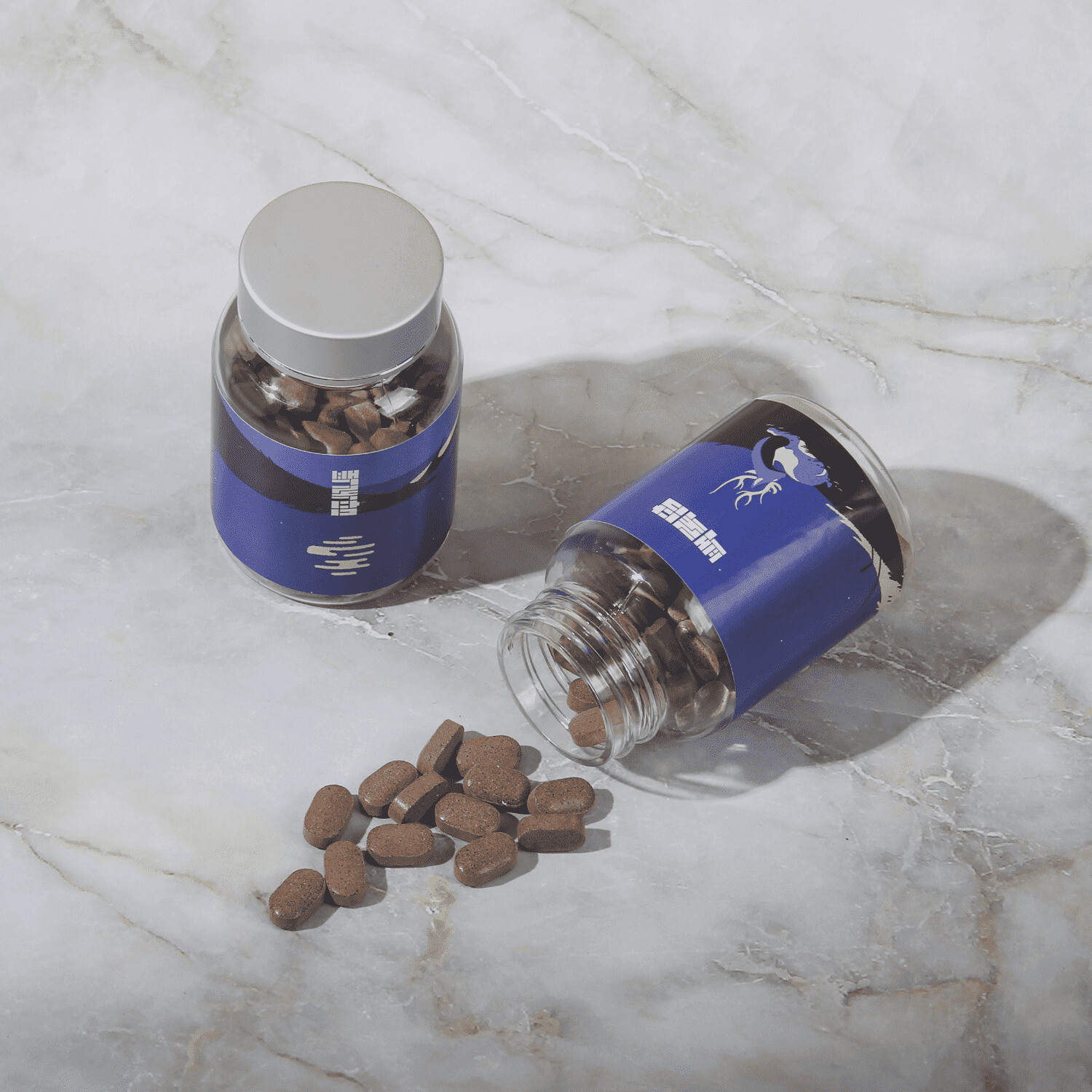
비대면 처방 과정
Q. What do I need to prepare to receive a non-face-to-face diet herbal prescription in Mokdong?
A.
Prepare your weight and body fat change records, a list of current medications and supplements, recent health checkup results (blood pressure, blood sugar, liver function, etc.) from the past year, and a stable internet connection with a smartphone or PC. Also write down any concerns or questions about herbal medicine to make the consultation efficient.
📝 Detailed Answer
When preparing for a non-face-to-face diet herbal prescription, the most important thing is to provide as detailed a picture of your past and present health as possible. As we rely on consultation and video examination (visual diagnosis) in remote settings, small details like weight change patterns, dietary habits, and bowel movements are crucial for differentiating patterns such as Spleen qi deficiency (脾虛, bi xu) — where digestion is poor and bloating occurs easily — or Phlegm-fluid retention (痰飮, dam eum) — where accumulated fluids cause fullness and fatigue. If you have used Western diet medications (e.g., Wegovy, Saxenda), please also report any side effects or rebound weight gain. In my experience, some patients assume just taking the medicine is enough, but without such information, the treatment can be ineffective. Under medical law, a Korean medicine doctor must perform direct examination (inquiry and visual diagnosis) to prescribe herbal medicine. Even in non-face-to-face settings, video allows sufficient assessment of facial complexion, tongue coating, and body shape for accurate TKM pattern differentiation. If blood tests or imaging are needed, we can guide you to a nearby screening facility. In summary, prepare: (1) weight and body fat records (at least 1–3 months), (2) current medications and supplements list, (3) health checkup results (if available), and (4) a brief note on your usual diet, exercise, and stress patterns. With these four items, your consultation will go much more smoothly. Don't overthink it—come with a willingness to discuss, and feel free to ask any questions during the session.
#step-guide
#checklist

Expert Verified
Dr. Yeonseung Choe
Chief Director