This service is only for foreign residents in Korea. Overseas residents are not eligible.
EN

English consultation available — No language barrier

비대면 처방 과정
비대면 처방 과정

Q. What should I prepare to receive a non-face-to-face diet herbal prescription in Mokdong?

A.

Here's a checklist for your non-face-to-face consultation. Please prepare the following: ✓ **Current body condition log** – note morning fasting weight, meal times and amounts, snack habits, sleep duration, daily activity for 3–5 days. This helps identify spleen deficiency (Pi Xu) or phlegm-fluid retention (Tan Yin) patterns. ✓ **List of medications/supplements** – include all Western drugs (especially GLP-1 agonists like Wegovy or Saxenda), health functional foods, and any herbal medicines to check for interactions. ✓ **Past diet history** – briefly note successes, failures, side effects (nausea, diarrhea, palpitations), and rebound weight gain. I’ve found this information critical for diagnosis.

📝 Detailed Answer

Many people worry whether a non-face-to-face consultation can be thorough—I did too at first. However, traditional Korean medicine (TKM) has long relied on inquiry diagnosis (munjin) as a core diagnostic tool. In a non-face-to-face setting, if you carefully record your daily habits, we can often assess your condition in more detail than an in-person visit. TKM views diet not simply as calorie restriction but as addressing imbalances. Abnormal accumulation of fluids and waste is called 'phlegm-fluid retention' (Tan Yin), and impaired digestion and energy production is 'spleen deficiency' (Pi Xu). A weakened spleen (Pi) fails to process food properly, leading to dampness and phlegm instead of fat loss. During the teleconsultation, I will focus on signs of spleen deficiency such as post-meal bloating, loose stools, cold extremities, and fatigue. Another key factor is blood stasis (Yu Xue). Poor circulation lowers metabolism and can cause localized fat to resist loss—common in those who have long used diet drugs (especially sympathomimetics) or experienced severe rebound after Western diet medications. In such cases, I add blood-moving herbs like Angelica sinensis (Dang Gui) and Cnidium (Chuan Xiong) to the formula. The process: after you prepare the checklist above, we conduct a 20–30 minute video consultation. I then synthesize the findings, prepare a customized herbal decoction, and ship it to your home. Follow-up is every 2–4 weeks to adjust the prescription if needed; changes can be made remotely, and once symptoms improve, we may shift to intermittent dosing. A key point: herbal diet therapy is about restoring the body’s balance, not rapid weight loss. As spleen deficiency and phlegm-fluid retention resolve, appetite naturally regulates and energy metabolism rises, leading to stable weight management. While I cannot promise specific monthly weight loss due to medical regulations, many patients report that they now lose weight while eating three meals a day, whereas before they would not lose even when starving. Finally, non-face-to-face care does not compromise quality, but your honest, detailed records determine diagnostic accuracy. I recommend making a habit of noting daily changes. As someone who has worked alongside many patients, I have often seen initial skeptics become satisfied with the results.
#step-guide #checklist
Dr. Yeonseung Choe

Expert Verified

Dr. Yeonseung Choe

Chief Director

← Back to 비대면 처방 과정

Related Resources

Useful Next Reads

Current page What should I prepare to receive a non-face-to-face diet herbal prescription in Mokdong?

Continue with the most relevant guides and care pages.

Best Next Read Program

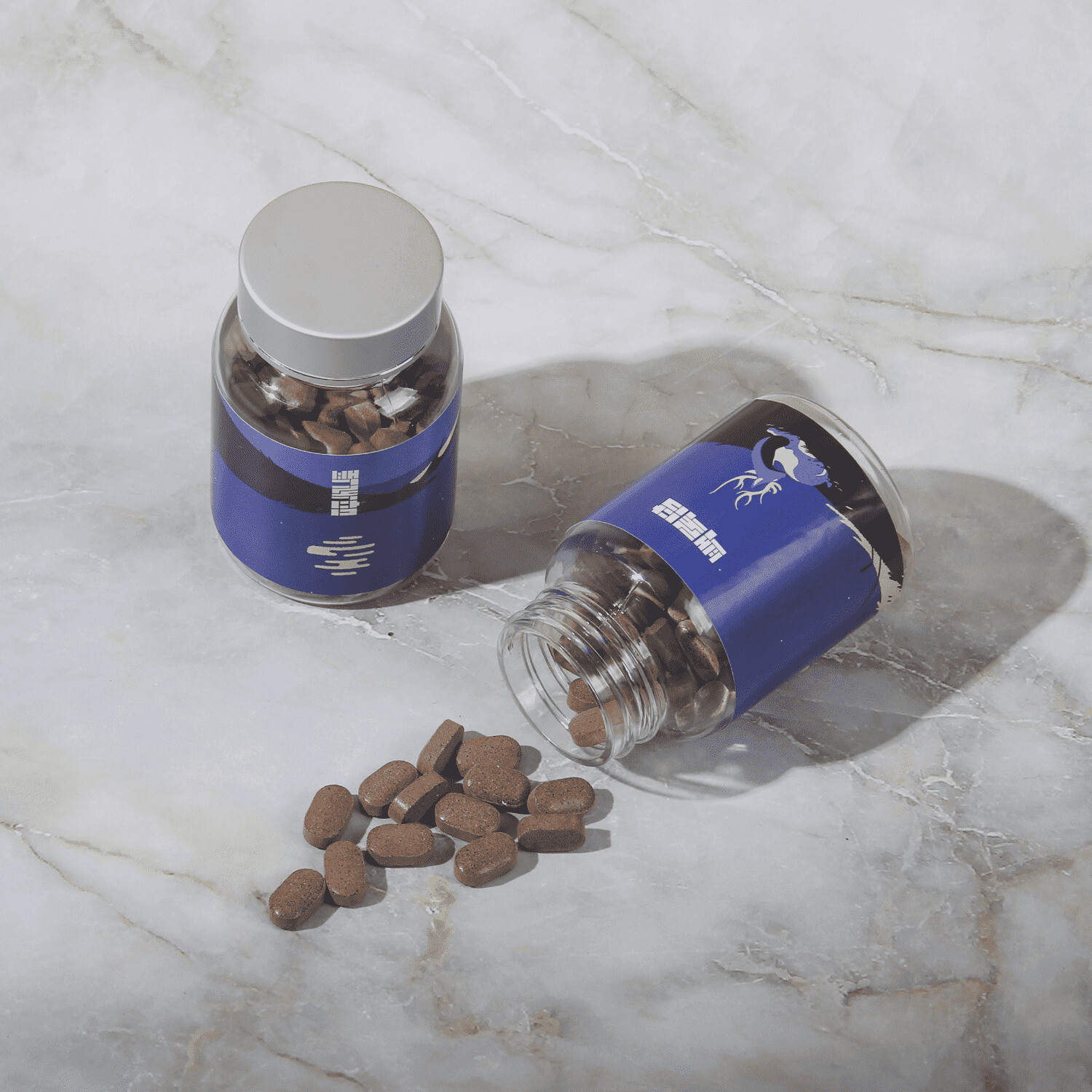
백록감비정

굶지 않고, 힘들지 않게. 표준 처방 태블릿으로 복용 설계(용량·시간)로 개인화하여 요요 없이 건강하게 체중 관리를 도와드립니다.

View program