
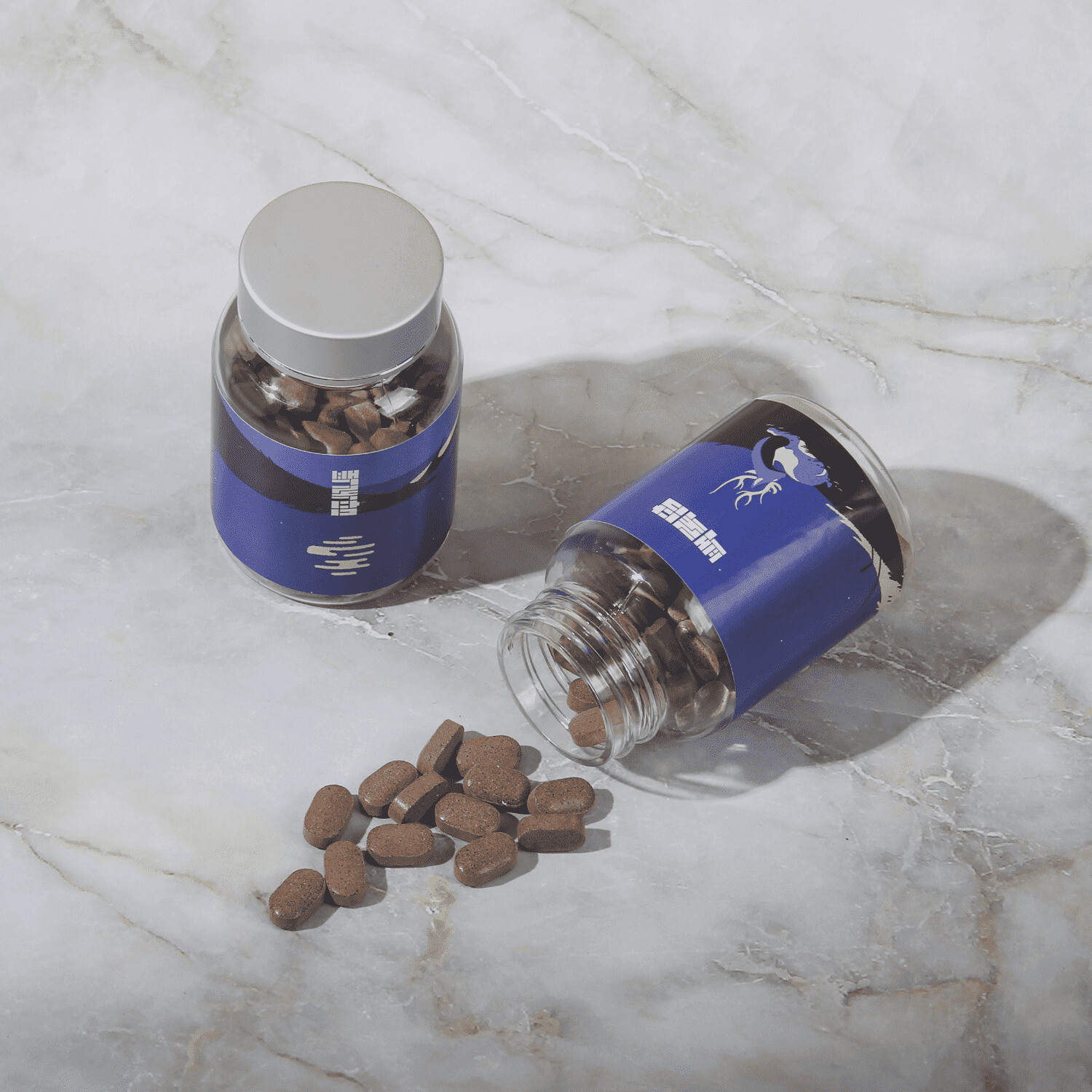
비대면 처방 과정
Q. How can I receive a non-face-to-face diet herbal medicine prescription in Gangseo-gu, Seoul?
A.
Yes, it is fully possible through remote consultation. Our Baengnokdam Korean Medicine Clinic in Gangseo-gu offers initial consultations by phone or video for those unable to visit. In the first week, a detailed history taking, constitution questionnaire, and photo-based assessment allow the Korean medicine doctor to make a diagnosis and prescribe customized herbal medicine, which is then delivered. From week two, online follow-ups are conducted every 1–2 weeks to monitor progress. Many patients report feeling lighter and having better digestion within a month.
📝 Detailed Answer
Non-face-to-face diet herbal medicine? Honestly, you might wonder, 'Will it really work?' I felt the same at first. But after over a decade of practice, I have found clear advantages to remote consultations. For example, when patients can have a comfortable consultation at home and we have a system for thorough evaluation, they often become more focused on the treatment. The remote process is divided into three stages. First, initial consultation (week 1): a 30-minute phone or video call covering lifestyle, eating habits, bowel movements, sleep, stress, etc. At this stage, I make a TKM diagnosis such as spleen deficiency (Biheo, 脾虛) or phlegm-fluid retention (Dameum, 痰飮). I may also request photos of the abdomen or tongue. Second, prescription and intake (weeks 2–4): based on the diagnosis, a customized herbal formula is prepared and delivered. During the first 1–2 weeks, mild reactions like gurgling stomach or frequent urination may occur—this is seen as the medicine clearing blood stasis (Eohyeol, 瘀血) and phlegm-fluid from the body. One or two online follow-ups help adjust dosage or address side effects. Third, stabilization phase (months 1–2): beyond weight changes, patients often experience improved appetite regulation and reduced fatigue as overall balance is restored. Gradually reducing the herbal medicine while maintaining healthy habits is key. The core of remote care is the patient’s willingness to communicate consistently. Initially, I was skeptical about diagnosing without physical palpation, but patient-recorded food diaries and photos often provide more objective data. Thus, while I recommend an in-person first visit when possible, remote care is fully effective for those who are far away or short on time. Feel free to ask any further questions.
#step-guide
#timeline

Expert Verified
Dr. Yeonseung Choe
Chief Director