
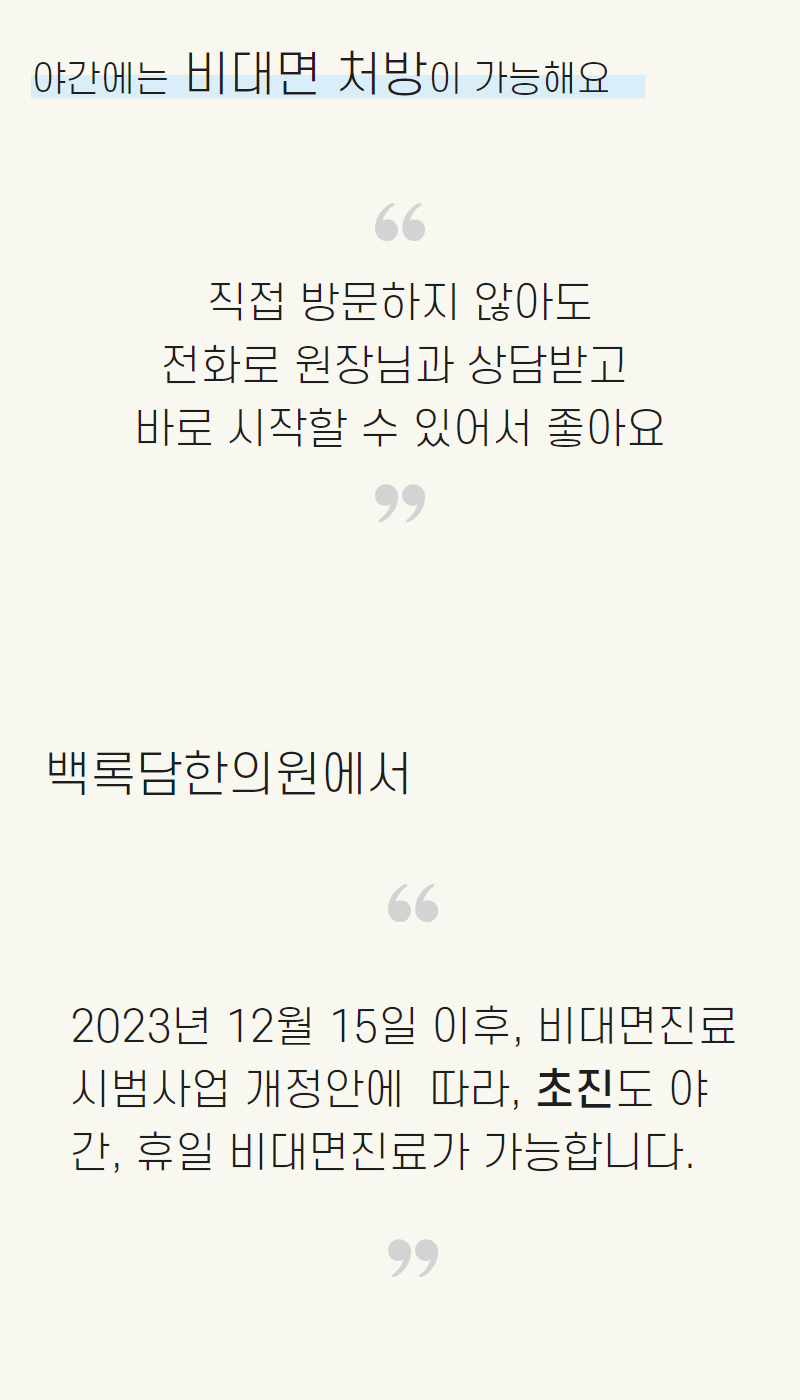
비대면 vs 대면
Q. There are so many non-face-to-face diet herbal medicine options these days; what is the actual difference compared to visiting a clinic in person?
A.
While telemedicine offers unmatched convenience, weight loss is about repairing the body's imbalances, not just losing weight. In-person visits allow me to perform pulse diagnosis and tongue diagnosis (seol-jin) to precisely determine your constitution. It is the difference between wearing a perfectly tailored suit versus off-the-rack clothing.
📝 Detailed Answer
Early in my career, I remember the trial and error of prescribing based solely on data, only to be surprised by unexpected patient reactions. This experience solidified my belief: diet medicine should not merely suppress appetite, but clear stagnant waste from the body.
In Traditional Korean Medicine (TKM), prescriptions vary drastically depending on where 'Eohyeol' (blood stasis/stagnant blood) or 'Dameum' (phlegm-fluid retention caused by poor fluid metabolism) has accumulated. We must also determine if you are in a state of 'Bi-heo' (Spleen deficiency), where digestive and absorptive functions are impaired. Applying potent herbs to someone with a weak Spleen can lead to extreme fatigue and dizziness.
Such nuanced details can only be accurately captured through direct examination. Here is a summary of the differences:
| Category | Telemedicine Prescription | In-Person Consultation (Baekrokdam) |
| :--- | :--- | :--- |
| **Accessibility** | Extremely convenient | Requires travel time |
| **Diagnostic Method** | Questionnaires/Consultation | Comprehensive (Pulse, Tongue, and Palpation diagnosis) |
| **Personalization** | Based on standardized formulas | Custom formulation reflecting real-time condition |
| **Side Effect Management** | Via text/phone | Immediate observation and herbal adjustment |
| **Psychological Bond** | Low | Emotional support and shared goals |
Ultimately, the best choice depends on your current situation. However, if you have experienced repeated diet failures or feel your general physical condition has declined, I highly recommend an in-person consultation to truly understand your body's needs.
#comparison
#comparison-table

Expert Verified
Dr. Yeonseung Choe
Chief Director