
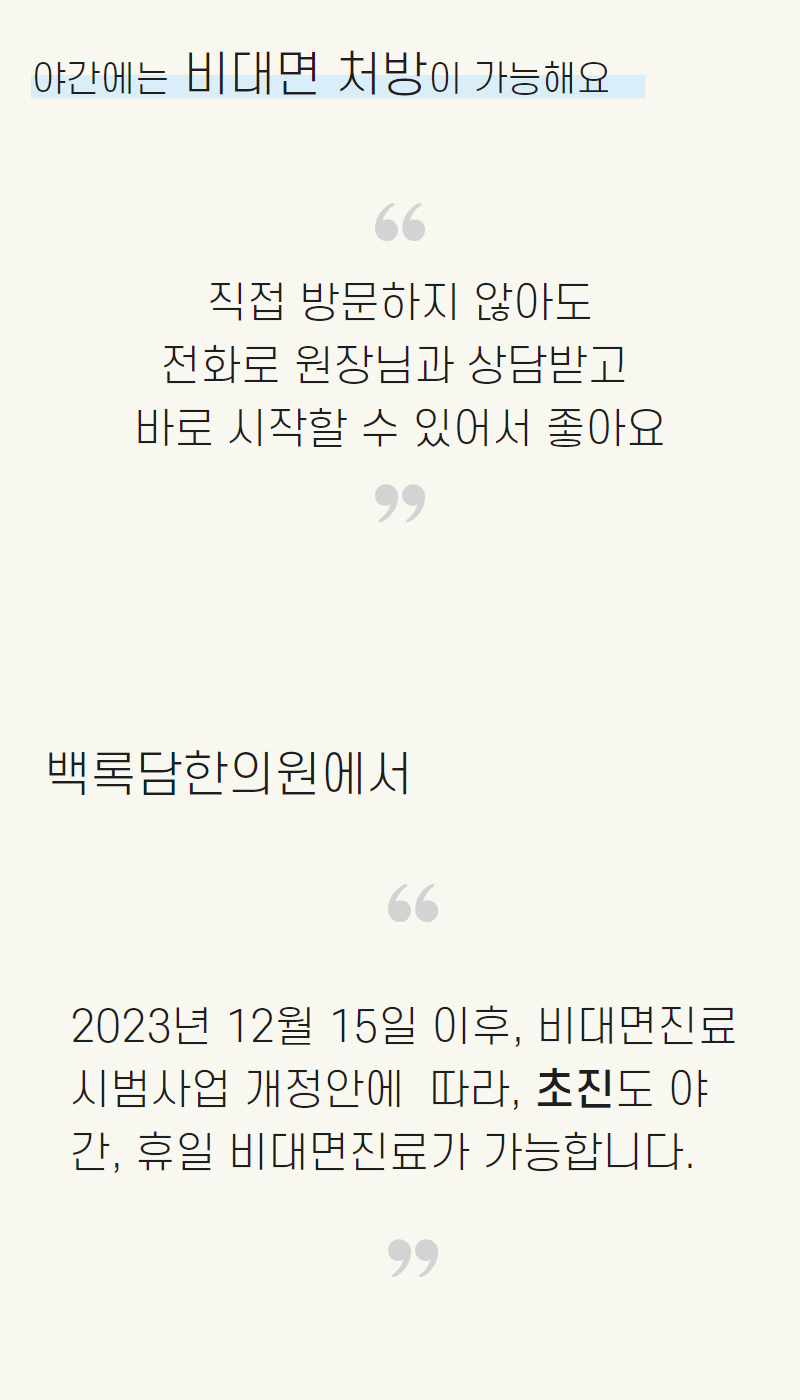
비대면 vs 대면
Q. I live near Iksan and was wondering—is there a significant difference between remote weight loss consultations and visiting the clinic in person? I’m worried it might be a hassle to travel every time.
A.
While telemedicine offers convenience, an in-person visit allows for a much more granular view of your internal health. By utilizing traditional diagnostic techniques such as Pulse Diagnosis (診脈) and Tongue Diagnosis (舌診), we can pinpoint your unique body constitution (體質) with high accuracy. This direct approach is crucial for maximizing therapeutic efficiency while minimizing potential side effects. We strongly recommend visiting the clinic for your initial diagnosis to ensure the most effective path toward your health goals.
📝 Detailed Answer
The desire to lose weight quickly is understandable, but Traditional Korean Medicine (TKM) views obesity not just as a matter of caloric intake, but as a symptom of internal imbalance. Weight gain is often rooted in conditions like Damyum (痰飮), where metabolic waste accumulates due to poor circulation, or Bi-heo (脾虛), a deficiency in Spleen Qi that causes metabolism to stall. It can also be hindered by Eo-hyeol (瘀血), or Blood Stasis, which acts as a barrier to healthy circulation.
Capturing these subtle clinical nuances through a phone call alone is challenging. During a face-to-face consultation, we employ the Four Diagnostic Methods, specifically Pulse Diagnosis (診脈), Tongue Diagnosis (舌診), and Abdominal Palpation (腹診). These allow us to determine whether your treatment should first focus on tonifying your vital energy or clearing out accumulated toxins. While telemedicine is accessible for a busy lifestyle, it cannot match the depth of a precision-tailored prescription provided in person.
| Category | Telemedicine (Remote) | In-person Visit (Clinic) |
| :--- | :--- | :--- |
| Diagnosis Method | Medical history and phone interview | Pulse/Tongue/Abdominal diagnosis, Body composition analysis |
| Precision | Relies primarily on patient description | Direct clinical examination by the physician |
| Constitution | Focuses on core symptoms | Multi-dimensional precision analysis of constitution |
| Counseling Depth | Concise and key-point focused | In-depth review including lifestyle and habits |
| Accessibility | No constraints on time or location | Requires a scheduled clinic visit |
This doesn't mean you must visit the clinic for every single refill. However, the first step—identifying the root cause of your health issues—should be done correctly through a face-to-face meeting. Let's work together to ensure your weight loss journey starts on the right track.
#comparison
#comparison-table

Expert Verified
Dr. Yeonseung Choe
Chief Director