7-Day Egg Diet: Weight Loss Range, Meal Plan & Safety

Table of Contents
When you sigh in front of the mirror, you might think, 'Should I try the egg diet for just a week?' In the clinic, many patients ask, 'Doctor, is the one-week egg diet really effective?' I understand the desire for quick results. However, there are important points to consider before starting, which I'll explain honestly.
Why the Focus on Eggs for a Week?
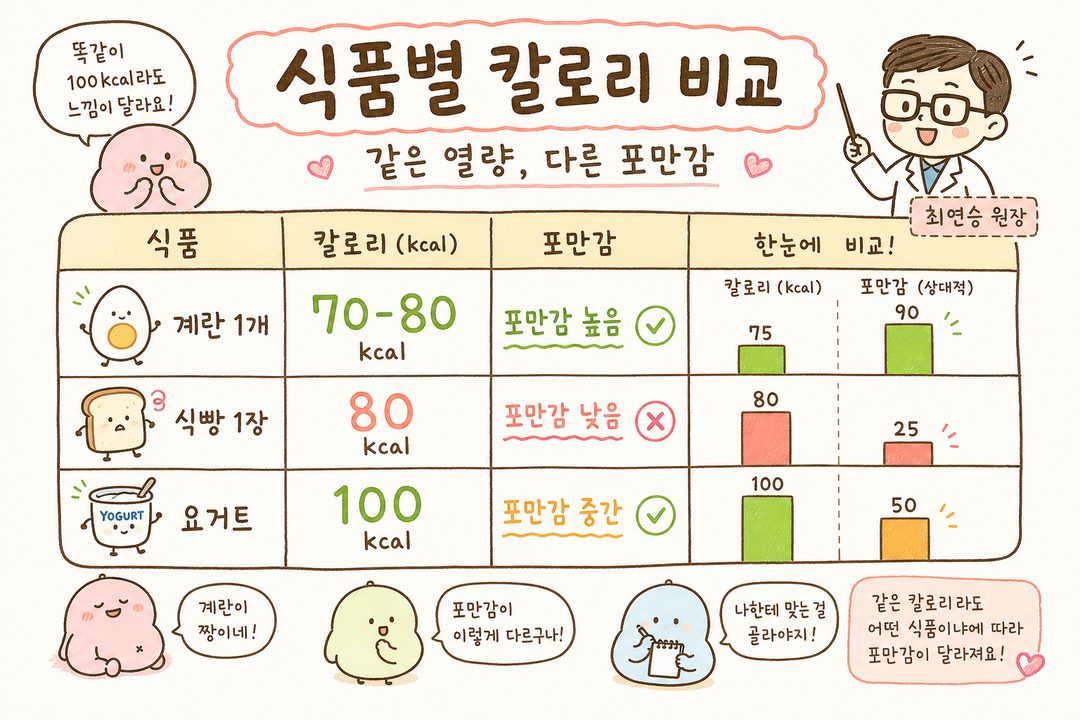
There's a reason the egg diet has become so popular. First, one boiled egg (about 50g) contains only 70-80kcal, making it low in calories relative to its volume. The combination of protein and fat provides better satiety than bread or snacks, and many report feeling less hungry even with the same caloric intake. A U.S. study even showed that a group eating two eggs for breakfast lost more weight than a bread-eating group.
This diet typically involves structuring three daily meals around eggs as the main protein source with vegetables, while eliminating starchy foods like white rice, bread, noodles, potatoes, and sweet potatoes, along with snacks and sugary drinks. This naturally leads to a significant drop in daily caloric intake. However, it's important to understand that weight loss occurs due to caloric restriction and reduced carbohydrate intake, not because eggs burn fat.
Realistic Weight Loss in One Week
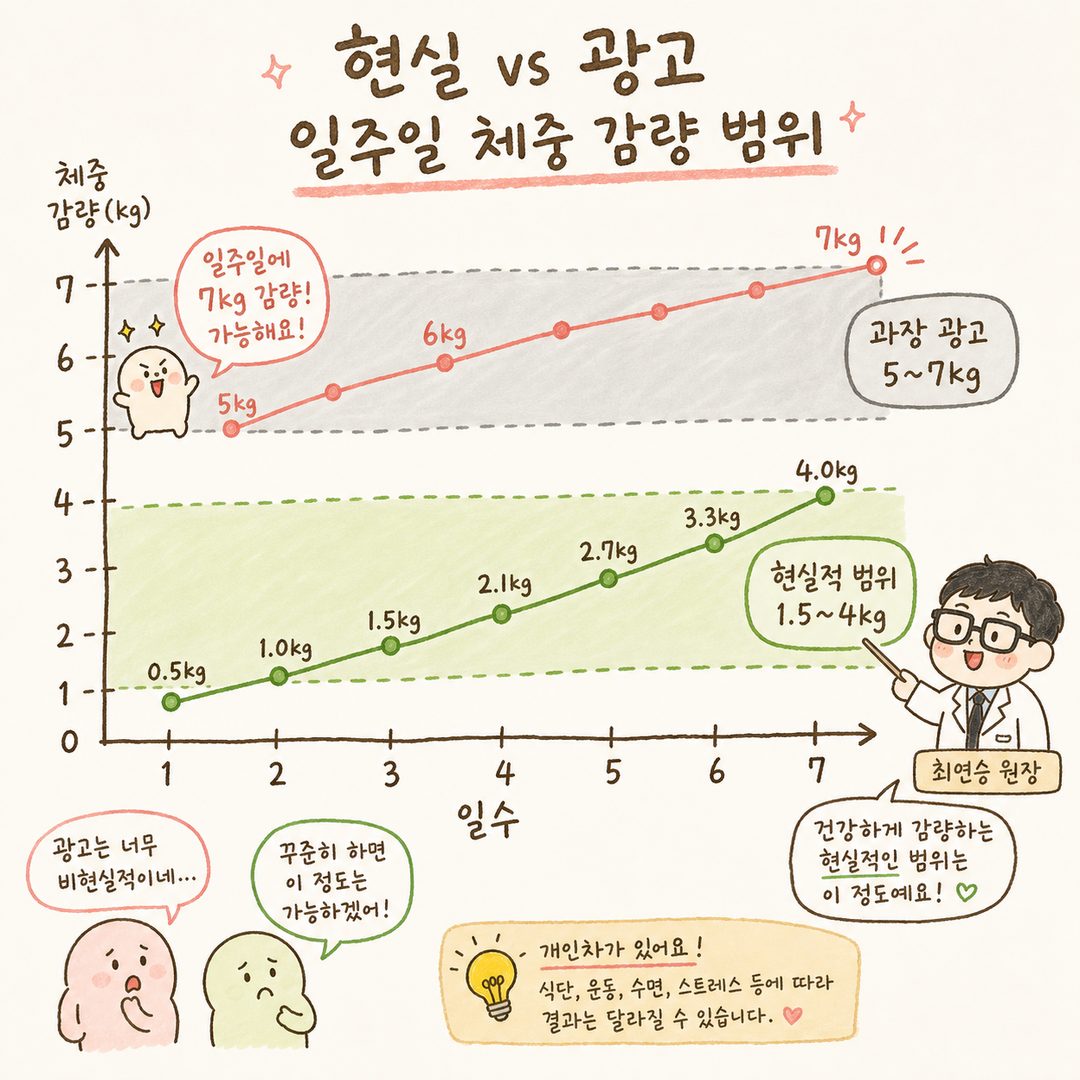
Results vary significantly among individuals. While some online sources claim 3-7kg weight loss in a week, most real experiences show 1.5-4kg. One blog review reported -1.6kg after one week of the egg diet. YouTube reviews also suggest that while short-term weight loss of 1-3kg is possible with significant caloric reduction, claims beyond this are often exaggerated.
It's crucial to understand what the lost weight consists of. The number on the scale includes not just body fat but also water and glycogen (stored carbohydrates) loss. Reducing carbohydrates causes the body to shed stored glycogen along with the water bound to it. This is why some weight often returns when resuming normal eating. Expecting to lose 5kg in a week as some claim often leads to disappointment by day four.

The Reality of One-Week Diet Plans from Clinical Experience
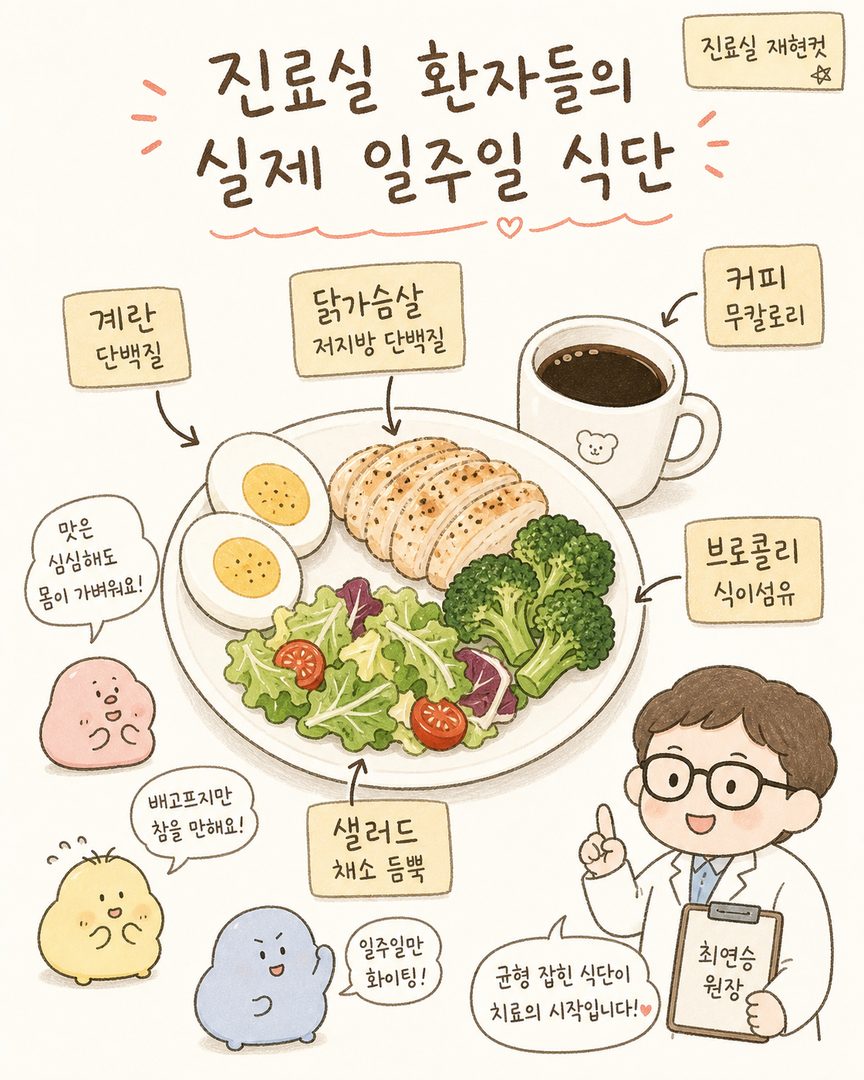
Looking at actual meal plans from patients, daily caloric intake typically ranges from 724-964kcal based on blog standards. Each meal includes 2-3 eggs with proteins like chicken breast, fish, or beef, with rice either eliminated or limited to about 50g of brown rice. Vegetables include broccoli, salad, and carrots, with nuts as snacks. Drinks are limited to water, unsweetened tea, and black coffee.
This represents a 500-800kcal reduction from normal intake, making weight loss inevitable. However, common complaints in the clinic include constipation starting around day three, bad breath, and afternoon brain fog. These symptoms worsen with insufficient fiber from vegetables or inadequate water intake. Many also experience a 1-2kg weight rebound the following week after returning to normal eating - the beginning of the dreaded yo-yo effect.
Traditional Korean Medicine Perspective on Short-Term Fasting
In Korean medicine, weight gain isn't simply viewed as eating too much. Some people accumulate dampness (痰飮) leading to heaviness and swelling, while others have qi deficiency (氣虛) making them feel sluggish and exercise-intolerant even with small meals. While rapid caloric restriction like the one-week egg diet may show quick results for dampness types through reduced swelling, those with qi or yang deficiency may experience more severe side effects like dizziness, cold sensitivity, and menstrual irregularities.
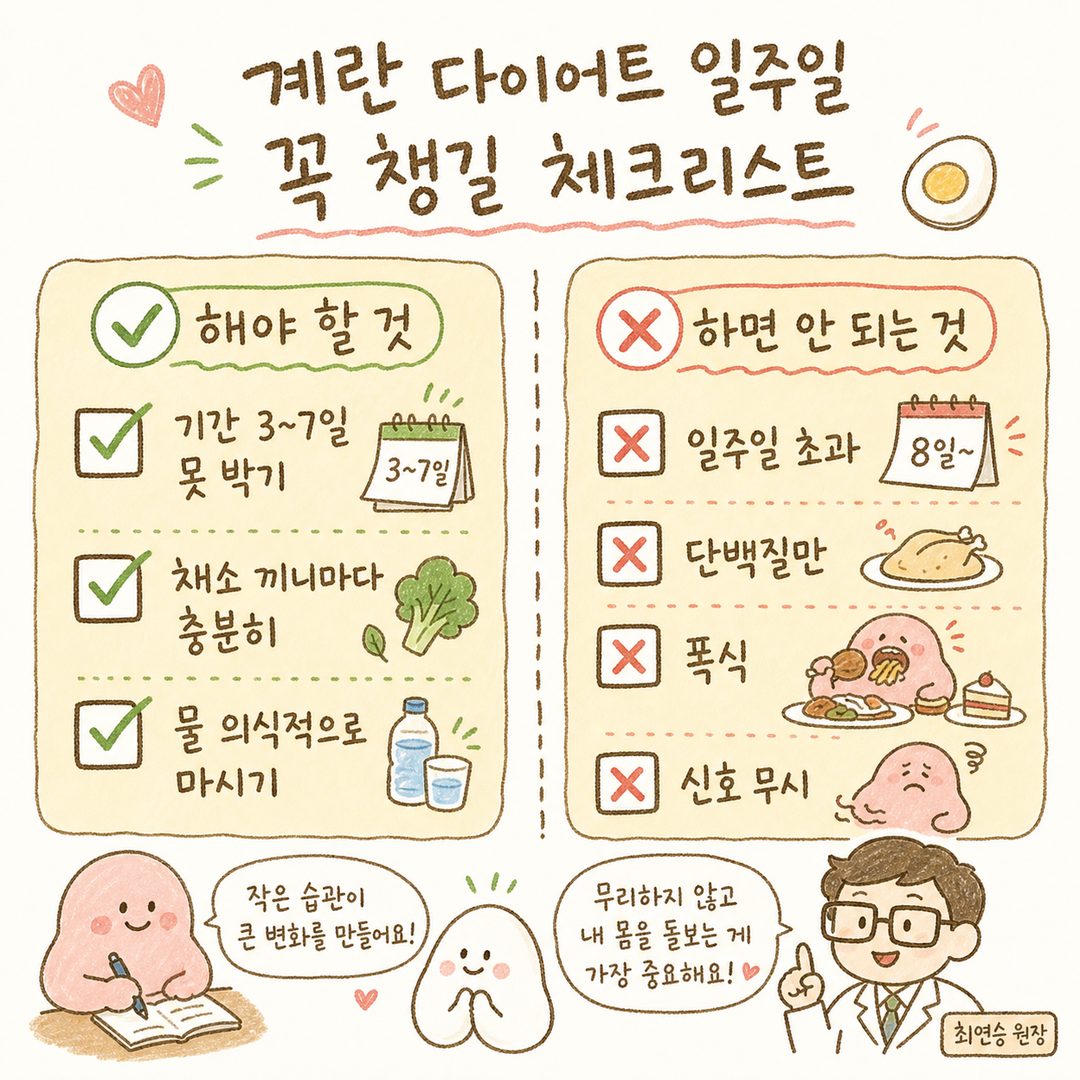
Long-term high-protein diets can weaken digestive function and lead to constipation and bad breath. In the clinic, we don't necessarily discourage one-week plans, but emphasize limiting them to 3-7 days followed by a return to balanced eating. For some constitutions, modifying meal composition from the start works much better than fasting.
Practical Implementation Tips
If you're trying the one-week egg diet, be sure to follow these guidelines:
Limit to 3-7 days. Beyond one week, nutritional imbalance risks increase rapidly.
Keep eggs to 2-3 per meal. Rotate proteins like chicken breast, fish, and tofu to avoid monotony.
Include at least one handful of vegetables per meal. Non-starchy vegetables like broccoli, spinach, and bell peppers help prevent constipation.
Drink water consciously and frequently. Sip throughout the day before feeling thirsty. Unsweetened tea is also good.
Avoid snacks, processed foods, and sugary drinks for the week. Black coffee is acceptable.
No binge eating on the last day. Return to normal eating gradually with light meals like porridge or vegetable rice.
Stop immediately if experiencing dizziness, severe constipation, or menstrual irregularities. Don't ignore your body's signals.
The one-week egg diet is merely a short-term tool for quick results, not a method to change your constitution. If your real concern is 'how to maintain after losing weight,' developing a sustainable diet, exercise, and lifestyle rhythm tailored to your constitution is much less exhausting. At Baekrokdam Korean Medicine Clinic, we examine constitutional types like dampness, qi deficiency, and yang deficiency to establish a sustainable weight loss approach, using Baekrok Gambi-jung to support areas difficult to address through diet alone. If you keep returning to your starting point after the one-week trial, consider scheduling a consultation.