Male Diet Pills — Understanding Male Obesity, Protein, and Personalized Approaches

Table of Contents
- Why Male Obesity Is Particularly Challenging
- The Close Relationship Between Weight Loss and Sleep
- Key Metrics for Effective Diet Management
- Dangers of Reckless Diet/Weight Management Pill Use
- The Traditional Korean Medicine Perspective on Male Obesity
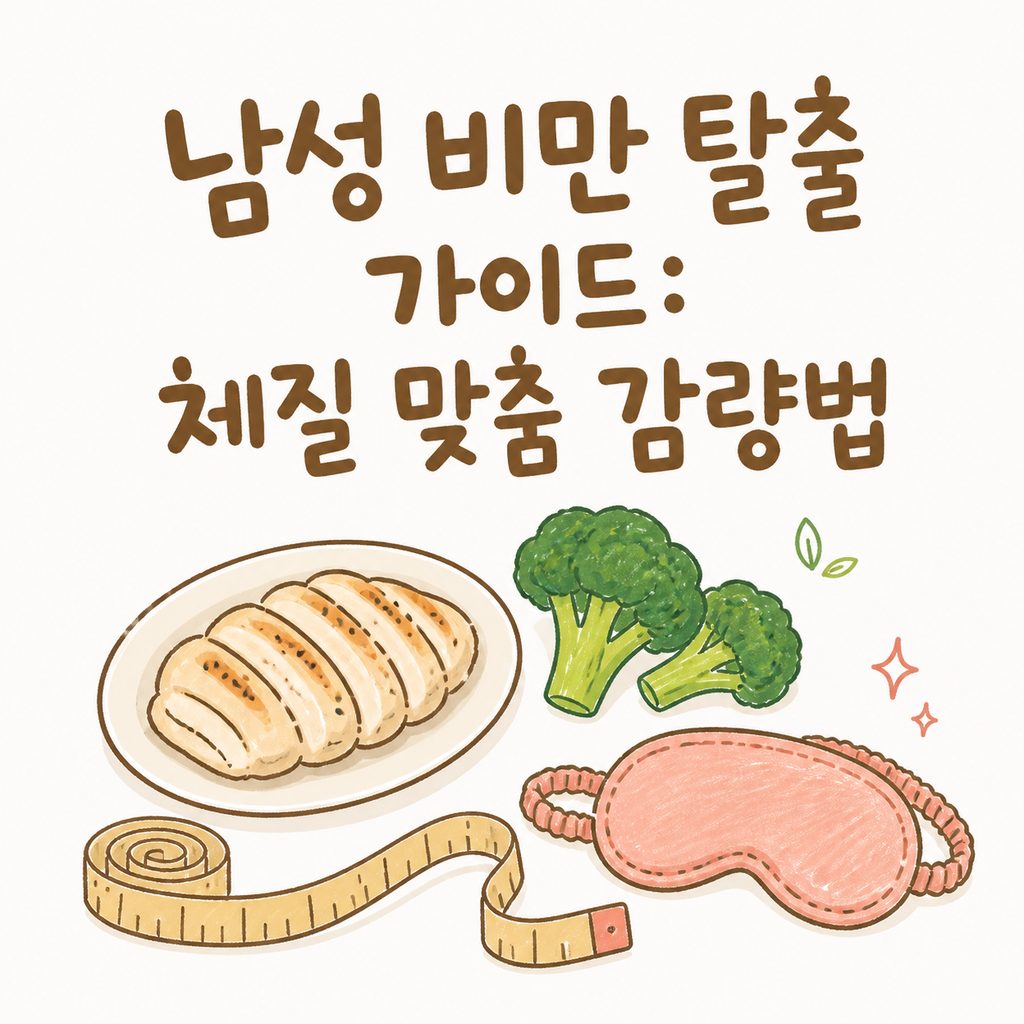
- Weight Loss Points to Practice Starting Today
- References
Many male patients visit our clinic with concerns like "I can't help this middle-aged weight" or "Exercise alone isn't working, so maybe I should try supplements." Particularly when a busy work life and frequent social drinking lead to belly fat accumulation, the anxiety extends beyond mere appearance to serious health concerns.
Why Male Obesity Is Particularly Challenging
Unlike women, men are structurally more prone to visceral fat accumulation rather than subcutaneous fat. It starts with slight belly protrusion, but when severe, this often leads to metabolic syndrome or blood pressure issues. Attempting extreme "starvation diets" rapidly reduces muscle mass, lowering basal metabolism, making one prone to gaining weight even from small meals.
Many patients I see in clinic ask, "Why am I not losing weight even though I'm moving as much as before?" This is often due to hormonal changes and declining metabolic function.
The Close Relationship Between Weight Loss and Sleep
When thinking about diet/weight management, most people only consider diet and exercise, but sleep quality is actually very important. According to one study, when dietary interventions were conducted for 6 months on overweight and obese men with BMI ≥ 25 kg/m², positive changes in sleep symptoms were observed.
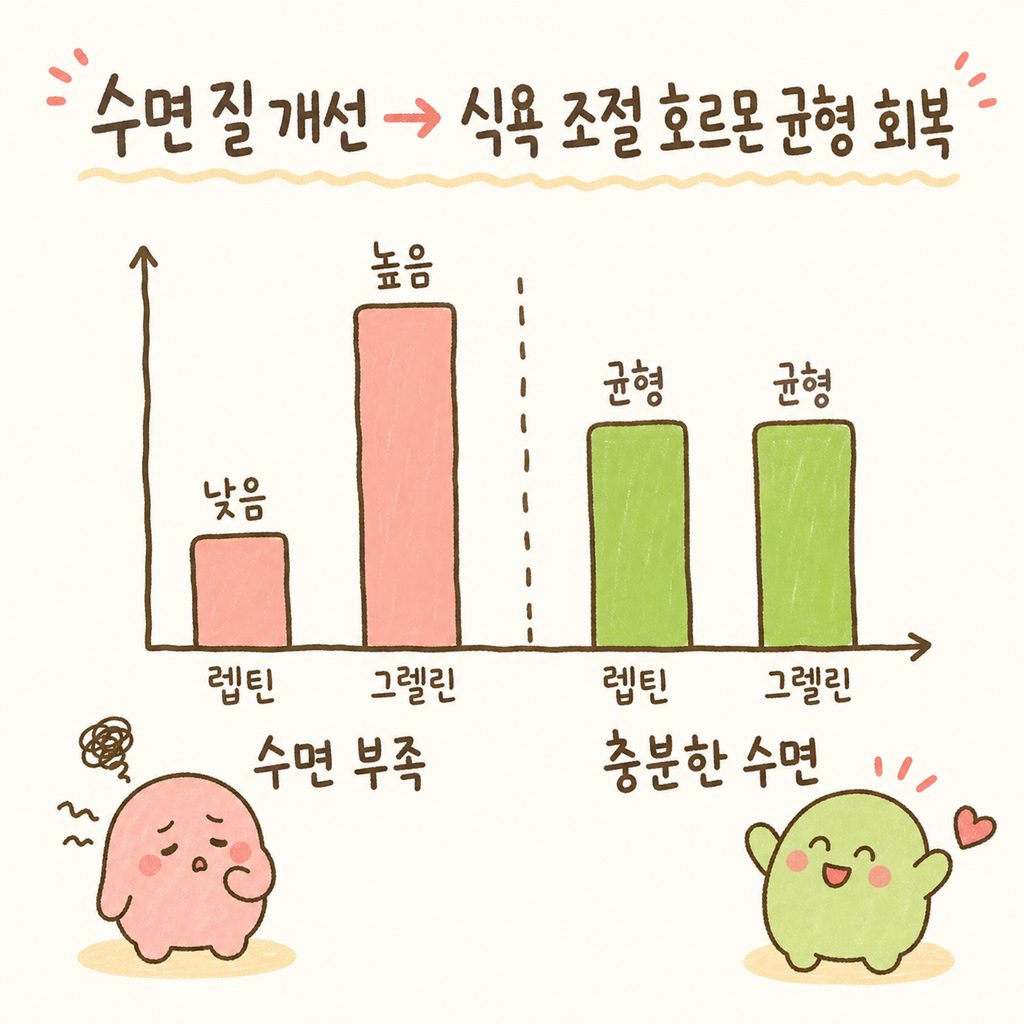
Especially in men with chronic insomnia symptoms, as their weight was regulated, their sleep quality tended to improve. When you don't get enough sleep, the balance of appetite-regulating hormones—leptin and ghrelin—is disrupted, making you seek out high-calorie foods. Ultimately, the saying "sleep well to lose well" does have scientific merit.
Key Metrics for Effective Diet Management
Random starvation methods are fatal for men. The aforementioned study applied individualized dietary therapy that limited calories by approximately 300-500 kcal per day while combining weekly 1-3 online monitoring and face-to-face consultations. Rather than cutting too drastically, reducing from your normal intake by an appropriate amount makes it sustainable.
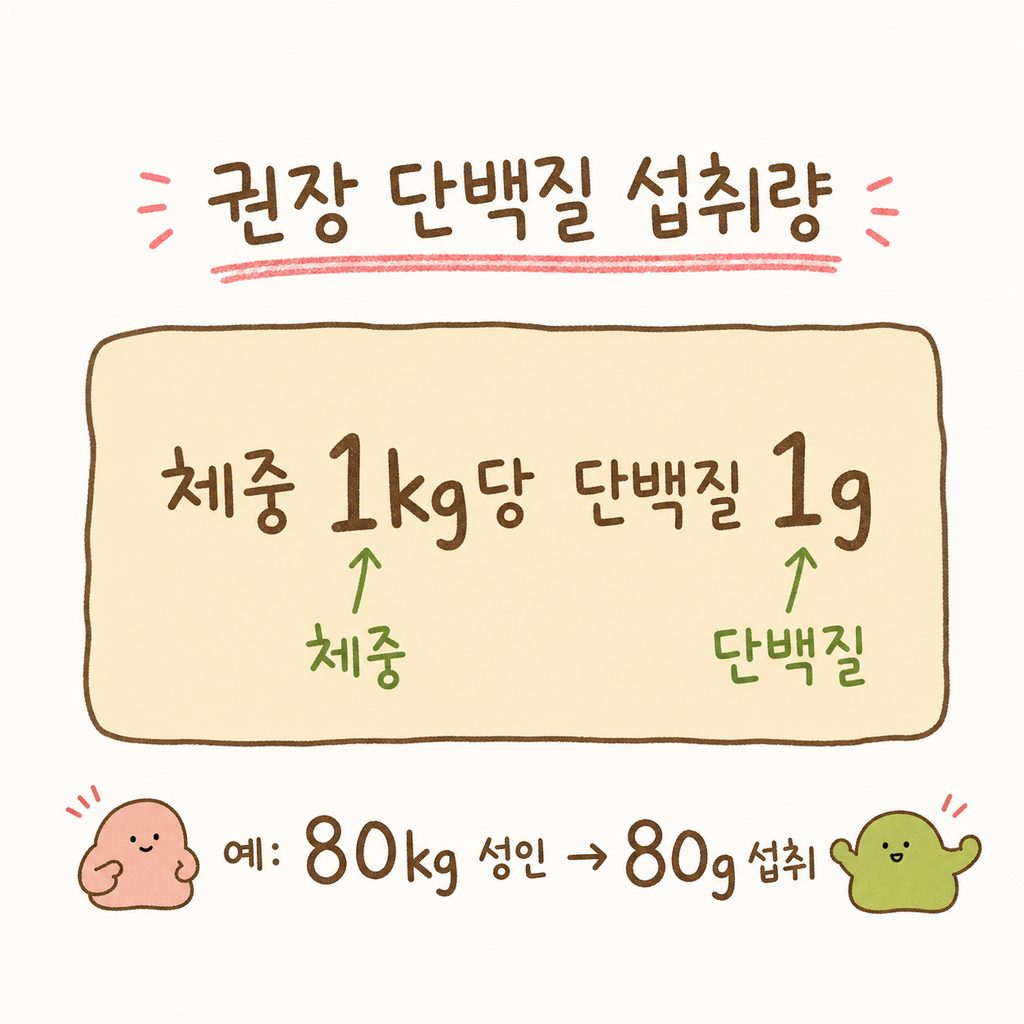
Additionally, during the weight loss period, you need to pay attention to protein intake to prevent muscle loss. According to nutritional data, it is recommended to consume approximately 1g of protein per kilogram of body weight per day during weight loss. If it's difficult to manage in your busy daily life, using a small tuna can containing about 20g of protein is also a good approach.
Dangers of Reckless Diet/Weight Management Pill Use
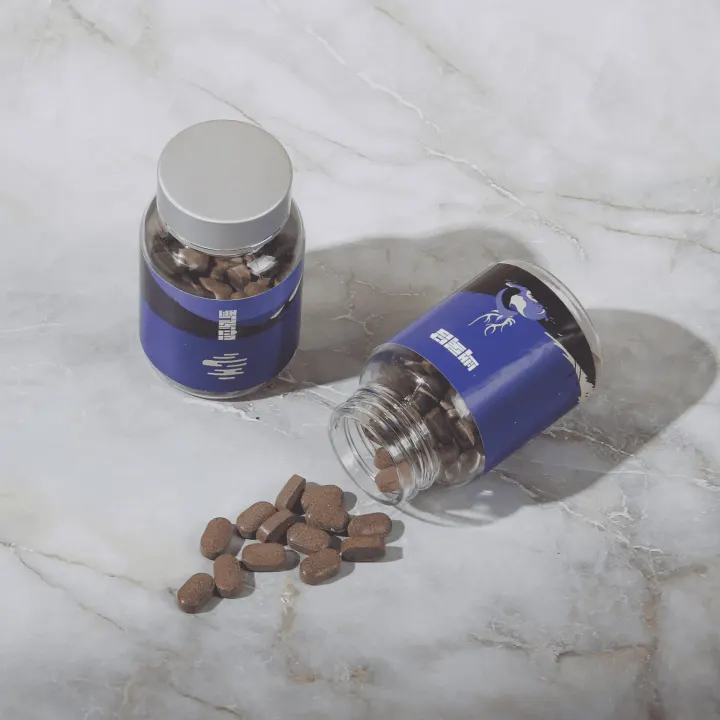
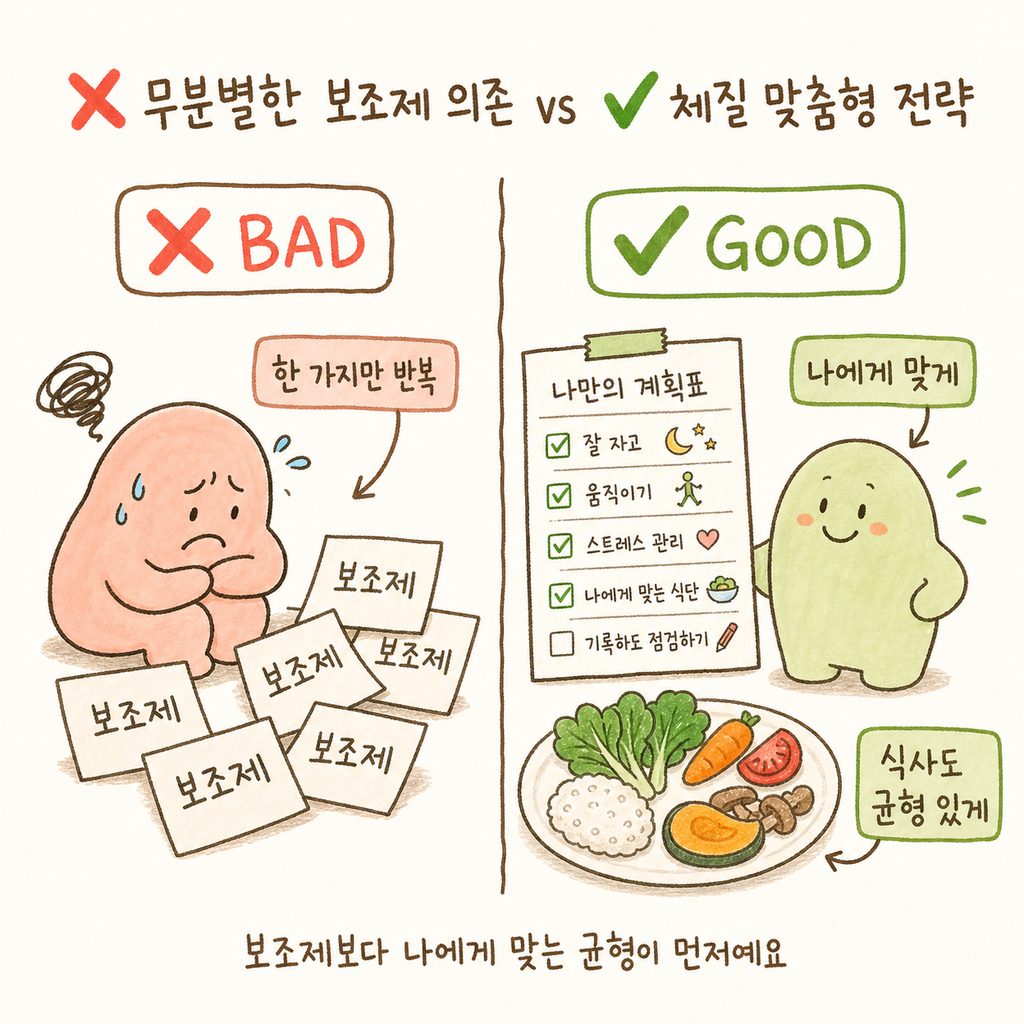
Many people rely on various male-oriented diet/weight management pills or supplements available on the market. However, taking them without knowing the exact ingredients can cause side effects like heart palpitations, insomnia, and anxiety. Those with underlying conditions or taking blood pressure medication need to be especially careful.
Some guidelines state that if a drug doesn't reduce body weight by at least 5% even at maximum dosage, the strategy should be modified or discontinued. Supplements are merely auxiliary tools and cannot be the definitive answer. Using one-size-fits-all products without considering your body's condition may actually disrupt metabolic balance.
The Traditional Korean Medicine Perspective on Male Obesity
In Korean medicine diet approaches, rather than simply reducing the number on the scale, we analyze why fat accumulates in the first place. Male obesity is often associated with "damship (痰濕)," a condition where unnecessary waste products accumulate in the body and circulation stagnates.
Especially for modern men under high stress, liver qi tends to stagnate, causing metabolism to become sluggish. In such cases, rather than forcefully suppressing appetite, the priority is to release the stagnated qi and activate metabolism to create an internal environment where the body can burn energy on its own. If constitutional herbal treatment is included, entering the weight loss phase becomes much smoother.
Weight Loss Points to Practice Starting Today
I recommend starting with small habit changes rather than grand plans. Here are some practical tips I often share with patients:

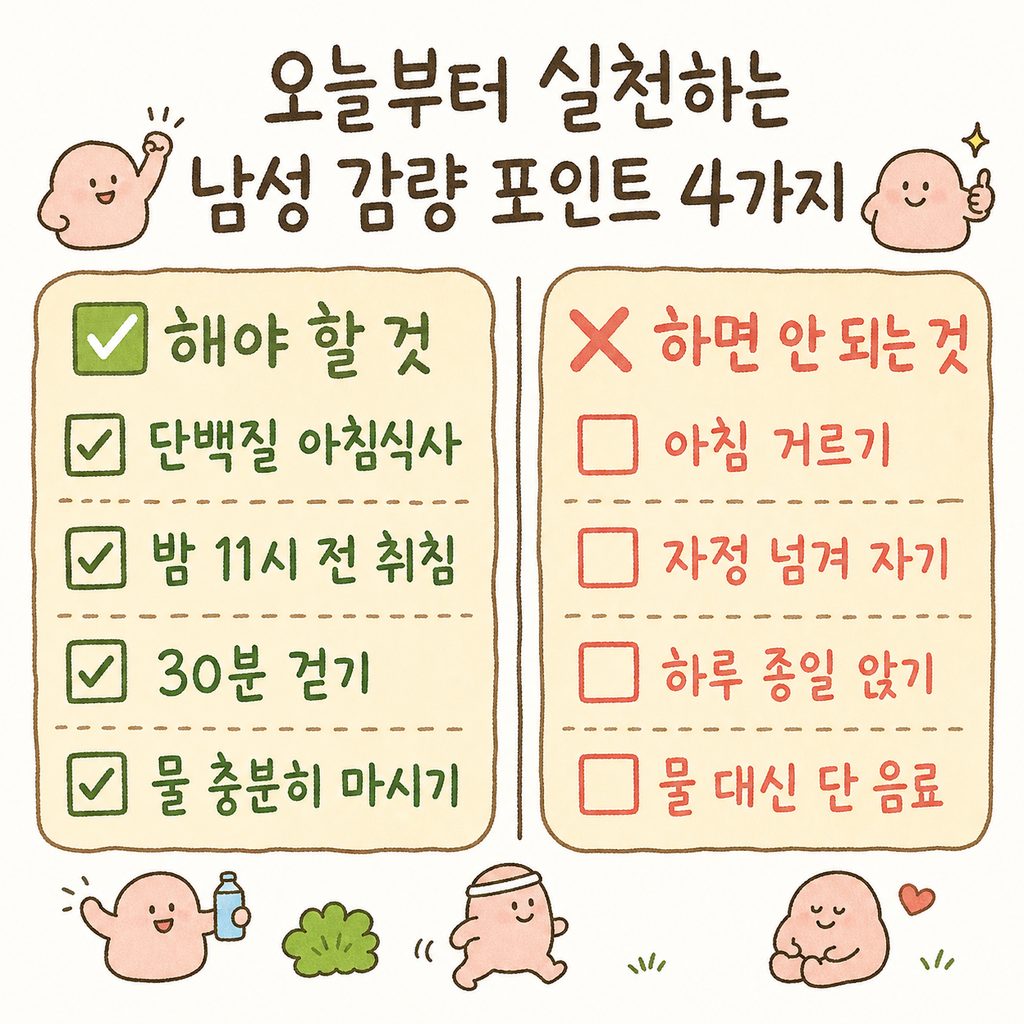
Protein-focused breakfast: Getting sufficient protein in the morning helps prevent overeating during lunch and dinner.
Improve sleep environment: Get into bed before 11 PM to allow sleep hormones to be released smoothly.
Incorporate light walking: If high-intensity exercise is burdensome, start with brisk walking for about 30 minutes a day.
Adequate hydration: Since thirst is often mistaken for hunger, making you seek food, drink water frequently.
Diet/weight management is not simply a process of losing weight—it's a process of regaining your body's lost balance. Rather than rushing to rely on strong medications, accurately understanding your constitution and establishing a suitable strategy is the shortcut to sustainable weight loss without rebound.
Rather than struggling alone, consider seeking professional help to establish a direction tailored to your body. Combining the /en/programs/diet with personalized care can enable detailed management suited to your constitution and metabolic state, leading to even more effective results. Try it next time and let us know how it goes during your visit.
References
[1] Effect of Six-Month Diet Intervention on Sleep among Overweight and Obese Men with Chronic Insomnia Symptoms: A Randomized Controlled Trial. (Nutrients, 2016) — https://pubmed.ncbi.nlm.nih.gov/27886073/
References