How to Lose Male Belly Fat: Visceral Fat & Diet Tips

Table of Contents
- Is There a Specific Way to Lose Only Belly Fat?
- Body Changes Through a Systematic Approach
- Abdominal Obesity from a Korean Medicine Perspective
- The Core of Diet Management: Calorie Deficit and Sugar Restriction
- Nutritional Strategy: Protecting Muscle and Burning Only Fat
- Efficient Exercise: Harmony of Cardio and Strength
- The Final Puzzle: Sleep and Lifestyle Habits
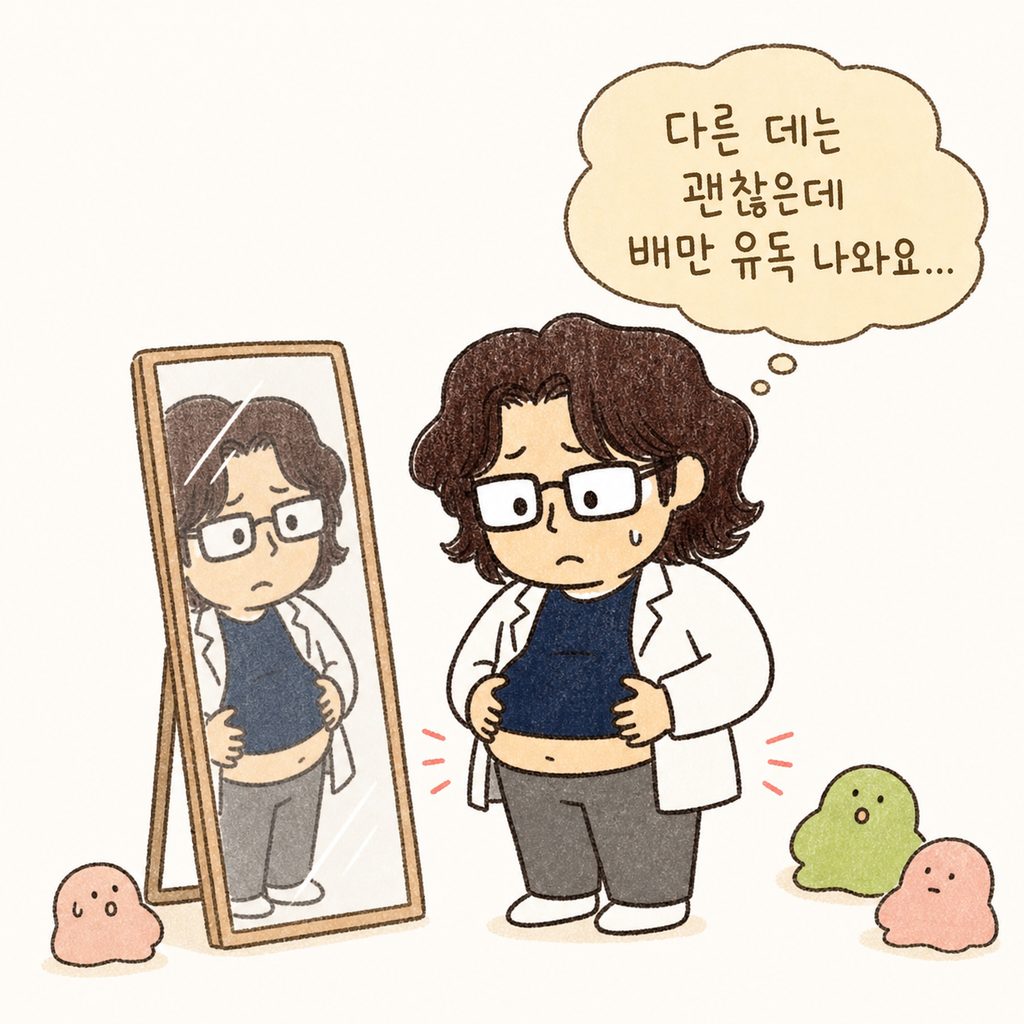
When I see male patients in the clinic, the most common concern I hear is, "Doctor, everything else is fine, but my belly is sticking out." For men, belly fat is more than just an aesthetic issue; it's a red flag for health, which often causes significant stress.
Is There a Specific Way to Lose Only Belly Fat?
Many people focus on abdominal exercises like sit-ups or planks. Unfortunately, it is impossible for our bodies to selectively remove fat from only one specific area. The key to losing male belly fat is not a localized approach, but rather reducing overall body fat while shedding abdominal fat simultaneously.
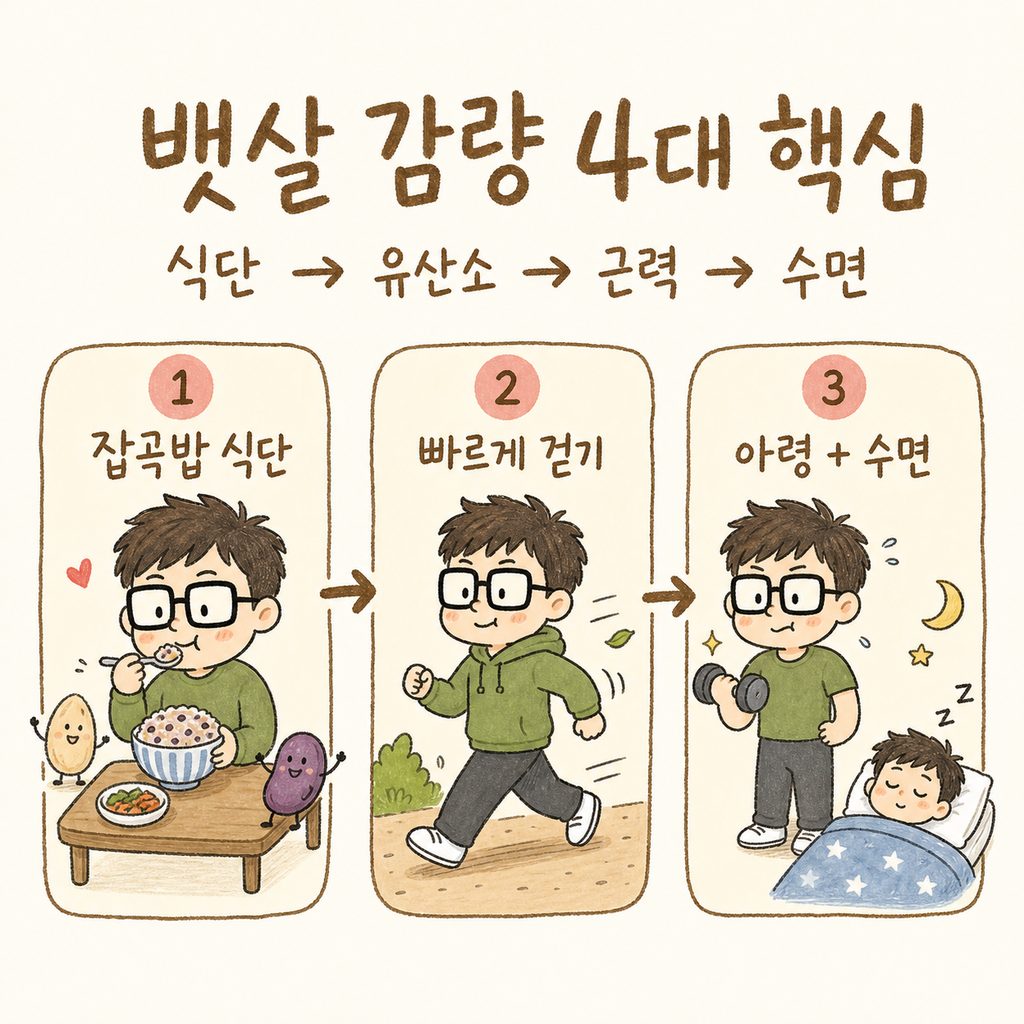
To reduce visceral fat concentrated in the abdomen, simply sweating is not enough. Diet/weight management, aerobic exercise, strength training, and sleep management must all work together like interlocking gears. It is important to balance your overall lifestyle rather than focusing on just one aspect.
Body Changes Through a Systematic Approach
While you may start with the goal of only reducing belly fat, when managed in the right direction, you will experience a change in your overall physical condition. By following a diet/weight management strategy that maintains muscle mass while shedding body fat—rather than reckless fasting—you will notice a decrease in waist circumference and feel lighter when waking up in the morning.
In particular, as visceral fat begins to decrease, positive changes such as easier blood sugar control and lower inflammation levels occur. However, this process is a battle of consistency, not a short-term sprint. It is much more effective to approach it from the perspective of restoring your body's metabolism rather than with an impatient mindset.
Abdominal Obesity from a Korean Medicine Perspective
In Korean medicine, the accumulation of belly fat, especially visceral fat, is not seen merely as a result of overeating. It is often identified as "Dameum" (phlegm-dampness), where waste products accumulate due to stagnant circulation of Qi and Blood, or a state where energy cannot be used efficiently due to a decline in metabolism.
For men in particular, stress or overwork can lead to decreased liver function or digestive capacity, turning the body into a constitution that accumulates abdominal fat more easily. Therefore, rather than simply advising to eat less, we focus on creating an environment where the body can burn fat on its own by boosting metabolism according to one's constitution.
The Core of Diet Management: Calorie Deficit and Sugar Restriction
The first thing to take care of is creating a calorie deficit. You don't have to starve yourself excessively. Eating just 100–200 kcal less per day can help prevent weight gain or assist in loss. If you want to lose weight more actively, I suggest a strategy of reducing about 400–500 kcal per day.
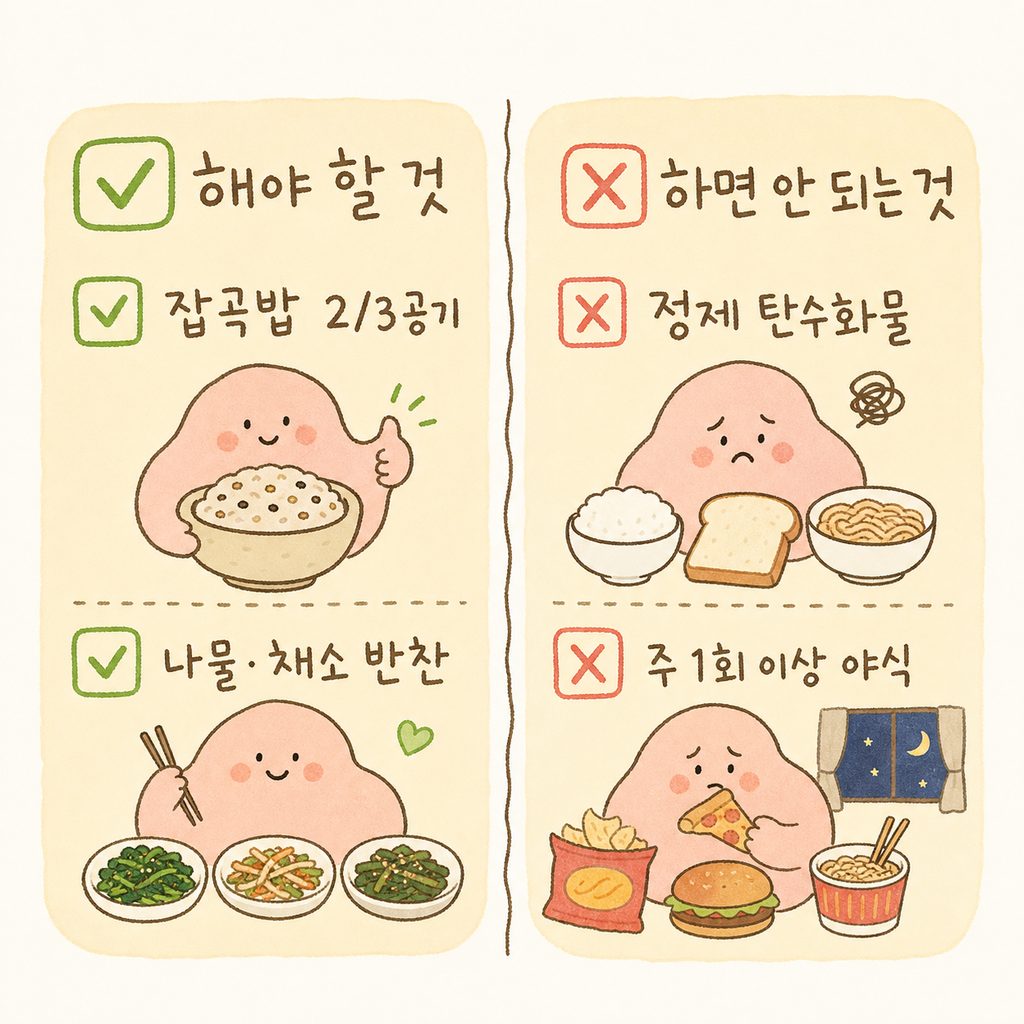
The most important things to watch out for in your diet are refined carbohydrates and sugar. According to one study, following a low-sugar diet for more than 12 weeks—reducing sugary drinks, fruit juices, sweetened coffee, bread, and snacks—showed significant results in reducing abdominal fat.
Here are some practical tips:
Try adjusting your portion size to about 2/3 of a bowl of multigrain rice instead of white rice.
Limit late-night snacks or food delivery to 0–1 time per week.
Increase satiety by eating more side dishes focused on herbs and vegetables rather than fried or flour-based foods.
Nutritional Strategy: Protecting Muscle and Burning Only Fat
If you reduce protein while trying to lose fat, you will lose muscle, which lowers your basal metabolic rate. This makes your body prone to the yo-yo effect. Therefore, a protein-centered diet is crucial.
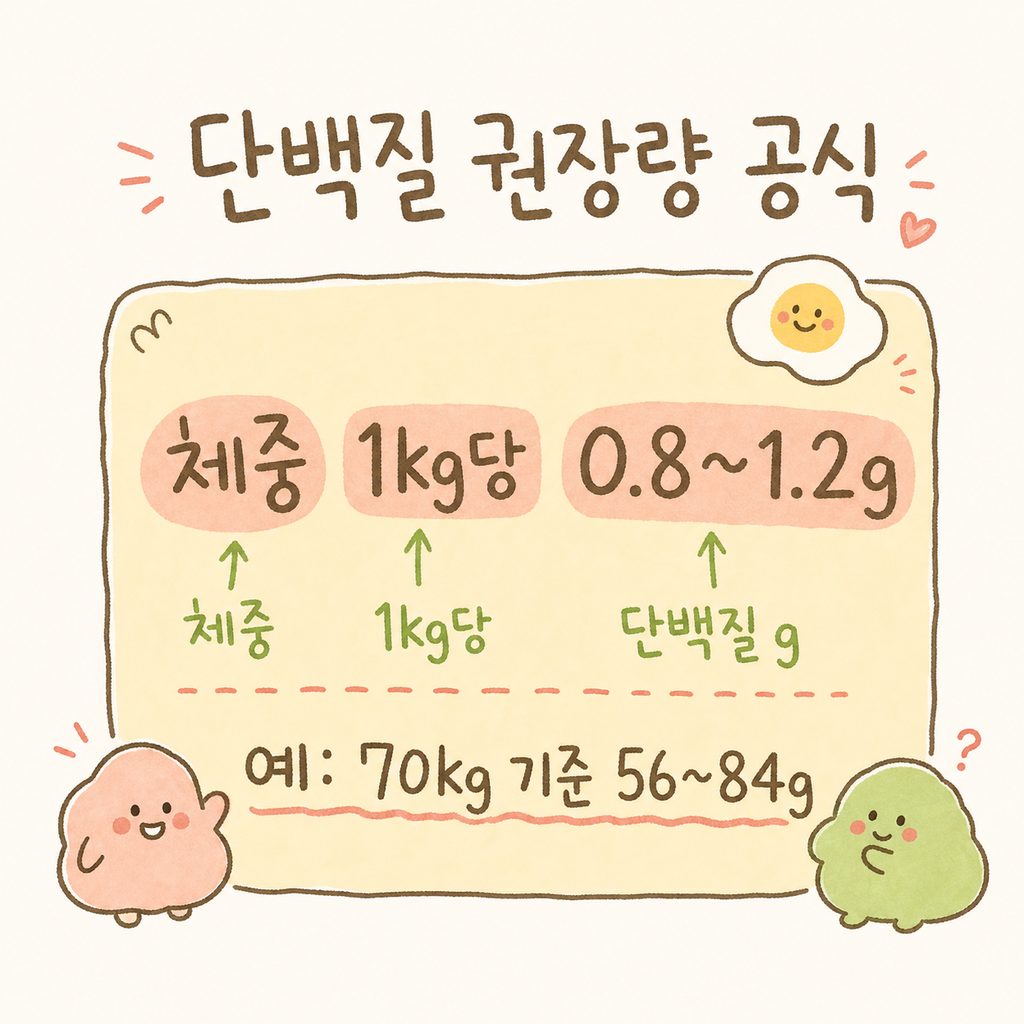
In particular, having a high-protein breakfast, such as 1–2 eggs, greatly helps with appetite control. The recommended protein intake should be set at approximately 0.8–1.2g per 1kg of body weight. For example, if you weigh 70kg, you should consume about 56–84g of protein per day.
Try to divide and consume low-fat meat, fish, tofu, and egg whites appropriately with each meal. Filling up on enough protein reduces "fake hunger," making diet/weight management much easier.
Efficient Exercise: Harmony of Cardio and Strength
Exercise creates synergy when cardio and strength training go together. It is known that combining strength training and aerobic exercise is more effective for losing belly fat than doing cardio alone.
For aerobic exercise, I recommend fast walking or running 2–4 times a week for 30–60 minutes at a time. In particular, an interval method that mixes walking and running is effective for reducing abdominal fat. Various sources, including WHO guidelines, recommend performing at least 150–300 minutes of moderate-intensity aerobic exercise per week.
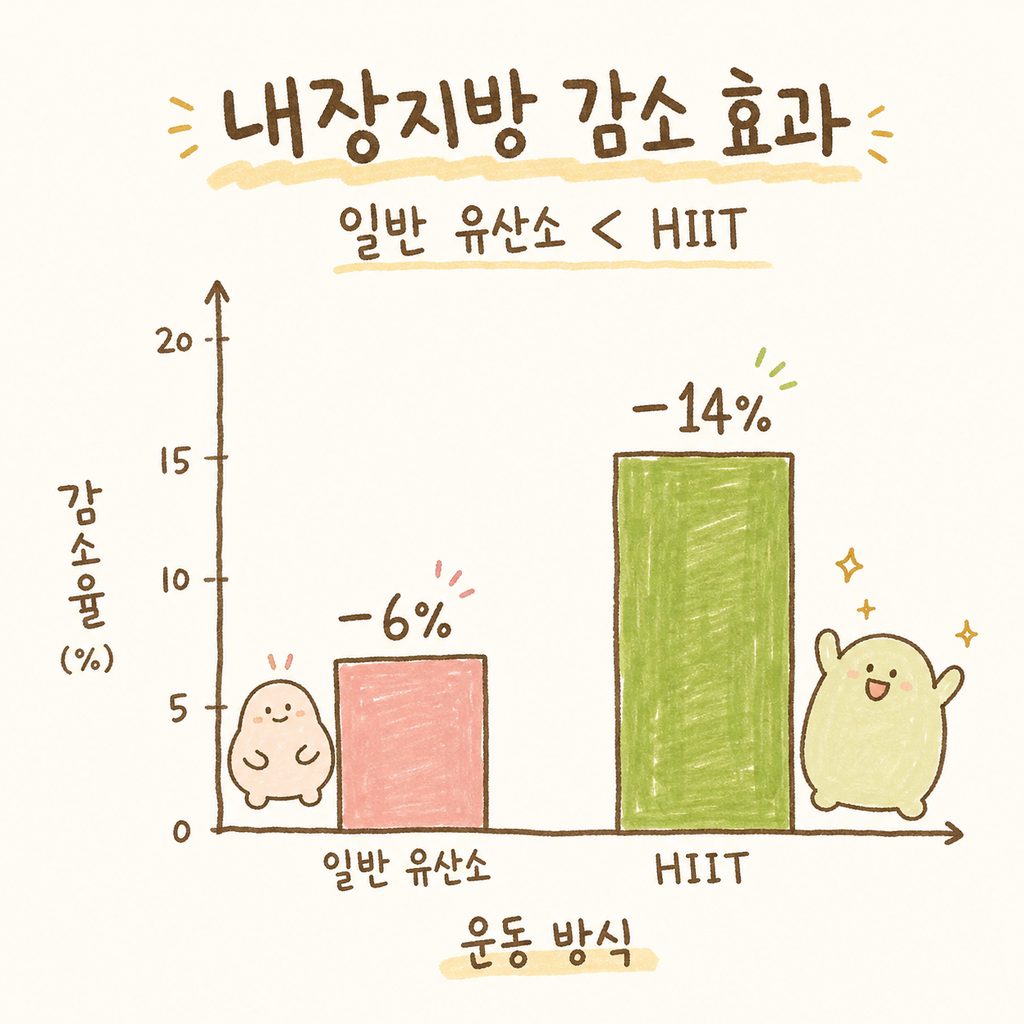
Try adding High-Intensity Interval Training (HIIT) to this. According to studies, performing HIIT for 4–12 weeks resulted in equal or greater body fat and visceral fat reduction compared to regular aerobic exercise. However, abdominal exercises should be used as a supplementary means to shape the muscles rather than to directly burn fat.
The Final Puzzle: Sleep and Lifestyle Habits
Surprisingly, many people overlook sleep. Lack of sleep causes an imbalance in appetite-regulating hormones, leading to cravings for sweets. Simply securing 7–8 hours of sufficient sleep every day makes appetite control much easier.

Stress management and sobriety are also essential. Alcohol is not only a direct cause of visceral fat but also lowers the quality of sleep, discouraging your will to exercise the next day. The three pillars I mentioned today—diet, exercise, and sleep—must move together to finally break down the solid wall of belly fat.
So far, we have looked at how to lose male belly fat step-by-step. Trying to change everything perfectly from the start can lead to burnout. Start by slightly reducing your dinner portion today or going for a 30-minute brisk walk.
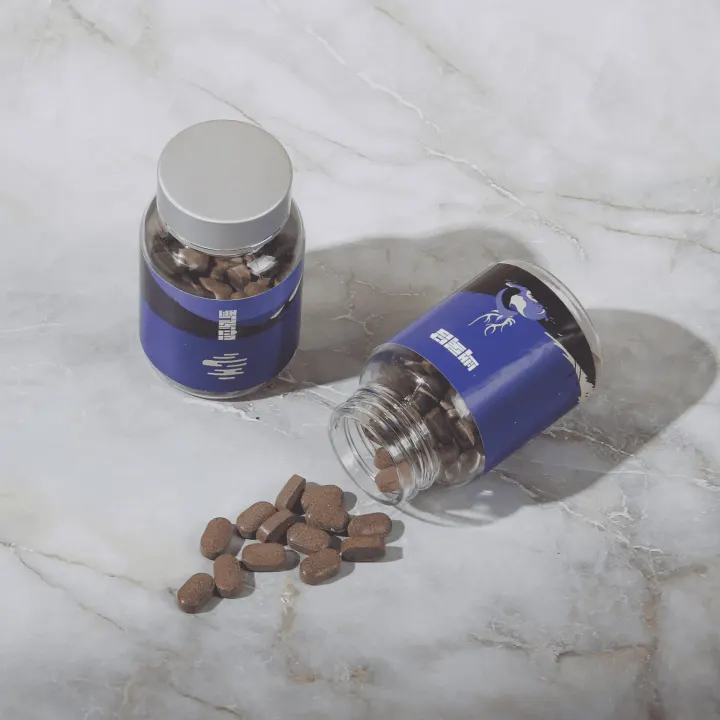
If it is difficult to boost your metabolism through willpower alone, consider joining the Baekrok Gambi-jung program. You can expect more efficient results by receiving help tailored to your constitution. Please feel free to tell me how it went during your next visit.
References