Diet Shops: Instead of Asking If It's OK, Ask Why Your Body Isn't Changing

Table of Contents
Diet Shops: Instead of Asking If It's OK, Ask Why Your Body Isn't Changing
In the clinic, some patients ask, "Is it okay to try a diet shop?" But what they're really struggling with is different. They've already tried and failed, lost weight only to regain it, or seen too many failures to commit. The core issue isn't the diet shop itself — it's why their body doesn't respond.
When the Problem Isn't Weight Loss but Stalled Metabolism
Most diet shop programs rely on caloric restriction and structured meals. Yet many patients cut calories without losing weight. This isn't weak willpower — the body may already be in energy-conservation mode.
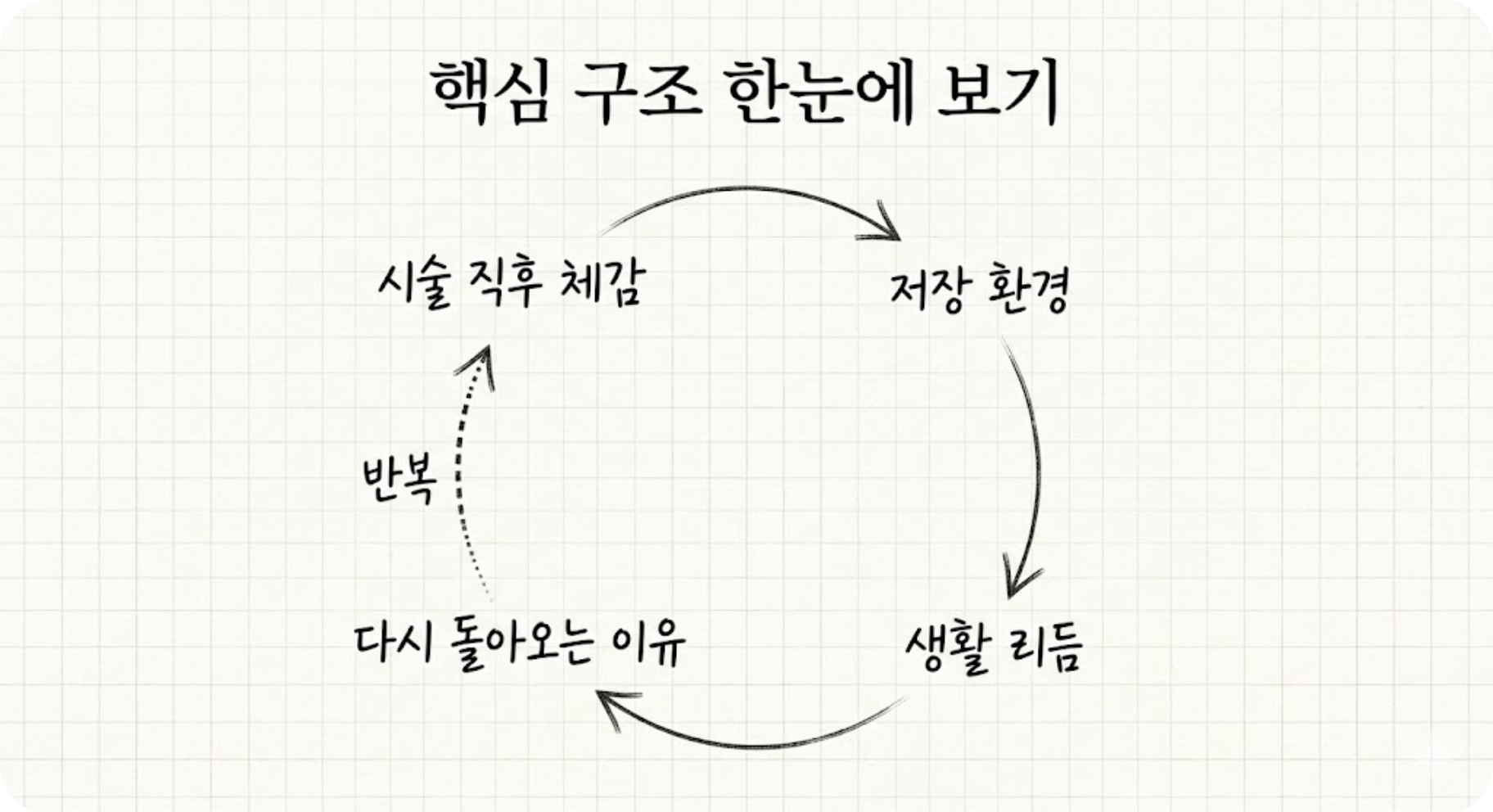
Repeated diets, irregular meals, poor sleep, and chronic stress all trigger metabolic adaptation. Following an external meal plan mechanically under these conditions won't work — you'll just exhaust yourself faster, shortening the time until the next binge.
The key indicator: if 3 months of maximum effort yielded zero weight loss, or if harder effort only increases fatigue and cravings, the issue isn't program selection. Metabolic recovery needs to come first.
When the Program Doesn't Match Your Constitution
Each diet shop recommends different macronutrient ratios. Which works depends on your constitution and current state.
Someone with a damp constitution and weak digestion may find raw food or salad programs counterproductive. Slow gut motility and low body temperature plus cold food equals worsened bloating and edema.
Conversely, someone with a heat constitution and overactive digestion may find heavy protein diets burdensome. Average success stories don't predict individual results.
If Yo-Yo Scares You, Check Recovery Capacity First
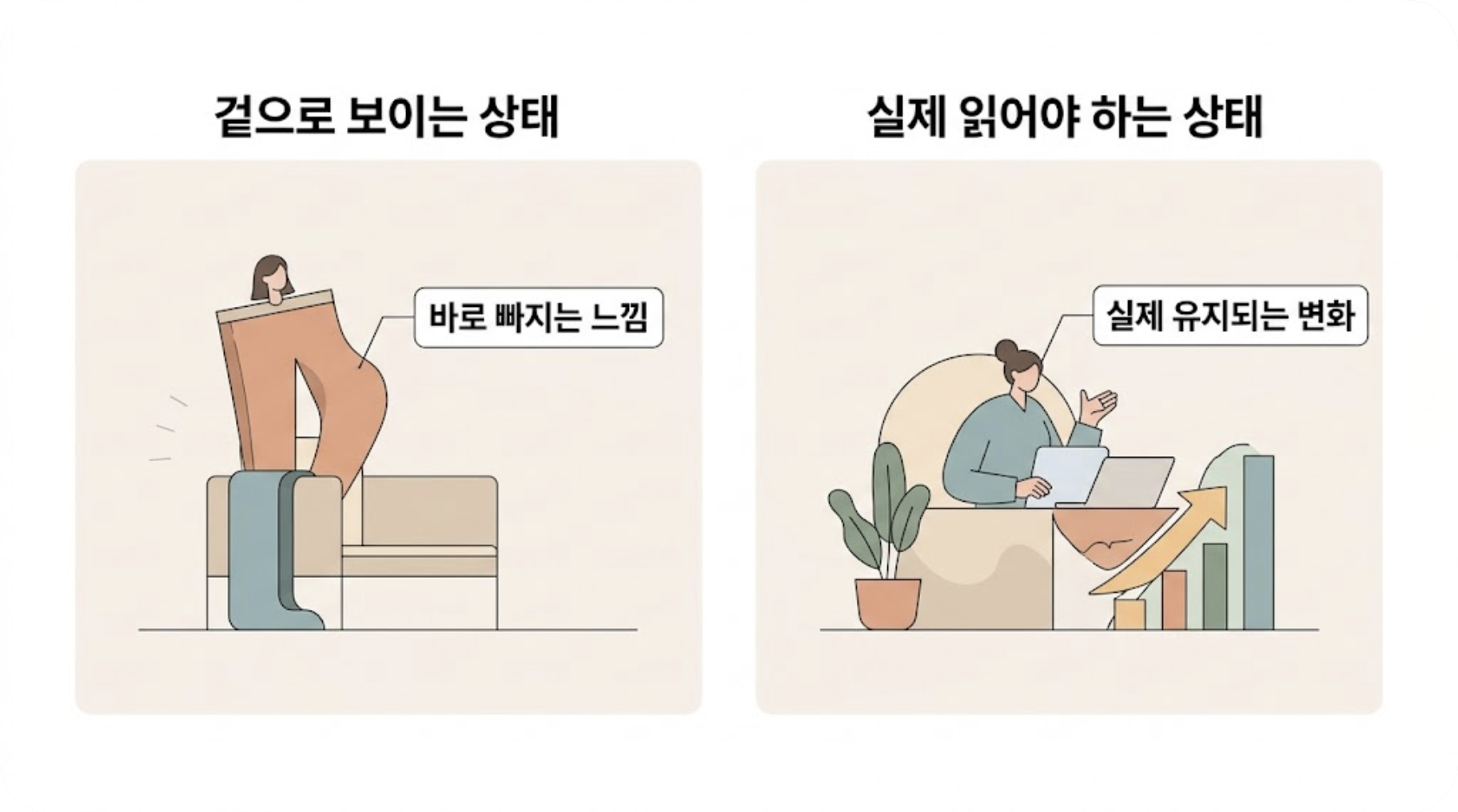
Many diet shop candidates have experienced yo-yo cycling. The real issue isn't the yo-yo itself but post-yo-yo recovery capacity — explaining why repeated attempts produce different results.
Basal metabolic rate recovery time, hormonal rebalancing speed, and appetite signal normalization all vary widely. Skipping this assessment means each attempt adds cumulative body burden.
Clinical variables we evaluate: weight fluctuation range over 6 months, current sleep quality and energy levels, and whether appetite feels controllable or compulsive.
Three Pre-Program Checks
Before starting — or when results disappoint — check these first:
Is your eating pattern regular? Same calories, different metabolic response between regular and irregular meals.
Is sleep sufficient with adequate deep sleep? Sleep deprivation distorts next-day appetite and energy expenditure.
Does stress convert to appetite? When this pattern is strong, no meal plan sustains.
When these stabilize, external program structures can finally work.
When to Consider Baekrok Gambi-jeong
For fundamental metabolic improvement through constitution-matched prescriptions, consult about the Baekrok Gambi-jeong program. The goal: healthy constitution improvement without starvation, discomfort, or yo-yo.
FAQ
Q: If the diet shop doesn't work, is it my fault? No. Same programs produce different results based on individual metabolic state, constitution, and recovery capacity. Check body-program compatibility first.
Q: Multiple yo-yo experiences — afraid of failing again. Focus on recovery capacity rather than loss speed. Assess how much your body recovered from previous attempts to better predict next-time success.
Q: Can I combine diet shops with herbal medicine? Yes, with clear role division. Herbal medicine targets constitution and metabolic recovery; the program provides structural meal management.
Mechanism Diagram
Comparison Illustration