Chicken Breast for Dieting: Protein Intake & Liver Health Guide

Table of Contents
- Why Chicken Breast Has Become the Gold Standard in Diet Plans
- How to Calculate the Right Protein Intake for Your Body
- The Risks of Excessive Chicken Breast Consumption
- Protein Balance and Body Constitution from a Traditional Korean Medicine Perspective
- Healthy Protein Intake Tips to Start Today
- References
Feeling bored with chicken breast every day? Discover how to eat it more deliciously and efficiently.
Why Chicken Breast Has Become the Gold Standard in Diet Plans
When consulting patients about diet in the clinic, the most frequently mentioned food is chicken breast. The reason many people choose chicken breast is simple: it is rich in protein, the core component that makes up our body's muscles, while containing very little fat.
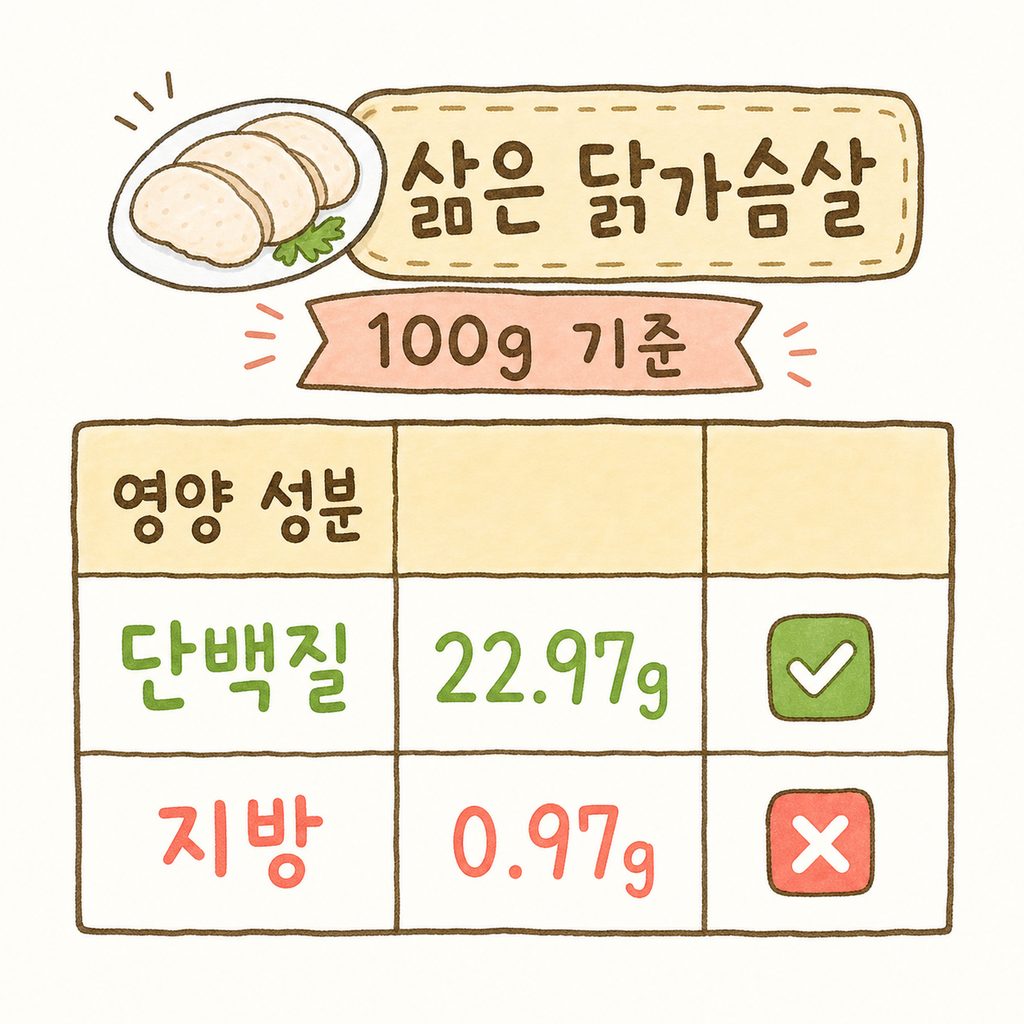
Looking at 100g of boiled chicken breast specifically, it contains 22.97g of protein and 0.97g of fat. With almost no oil content, it inevitably becomes the top choice for those looking to lose weight or build muscle mass. Additionally, protein makes you feel full quickly, which helps reduce the urge to consume carbohydrates—the biggest enemy during diet/weight management.
How to Calculate the Right Protein Intake for Your Body
So, how much should you actually eat? Since more is not necessarily better, it's important to adjust based on your individual condition.
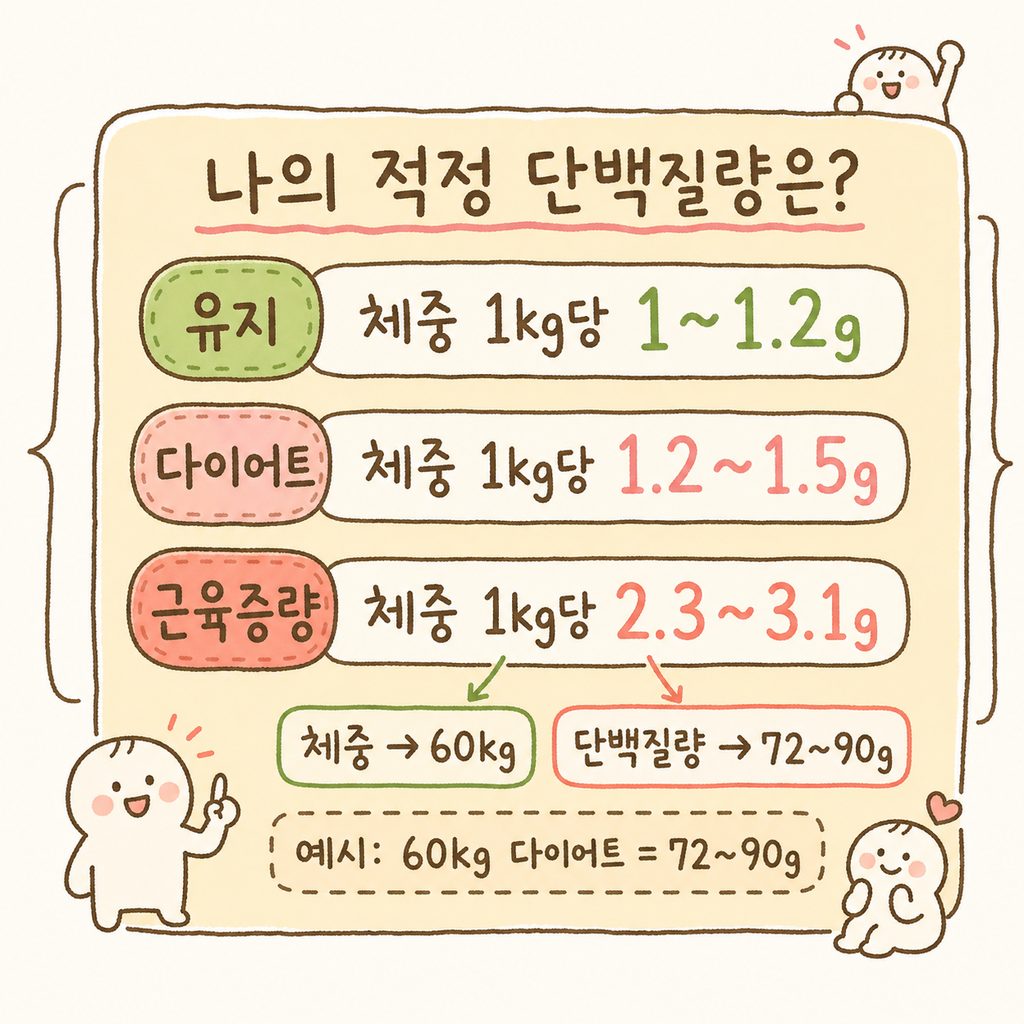
If you want to maintain a healthy weight, consuming 1~1.2g of protein per 1kg of body weight is appropriate. However, if you're serious about diet/weight management, increasing it to 1.2~1.5g is recommended. For example, if you weigh 60kg, you would consume approximately 60~70g of protein per day.
If your goal is to shed fat while maintaining or building as much muscle mass as possible, some experts recommend 2.3~3.1g per 1kg of body weight. Recent research also shows that very high protein intake of 3g[1]/kg or more can increase satiety and have a thermogenic effect. However, such high-protein diets vary greatly depending on individual metabolism capacity, so caution is needed.
The Risks of Excessive Chicken Breast Consumption
Just because something is good for you doesn't mean eating only chicken breast for every meal is beneficial—in fact, it can become poisonous. In particular, consuming excessive amounts of processed chicken breast such as smoked, soy sauce, or spicy varieties from convenience stores can place significant strain on the liver and kidneys.
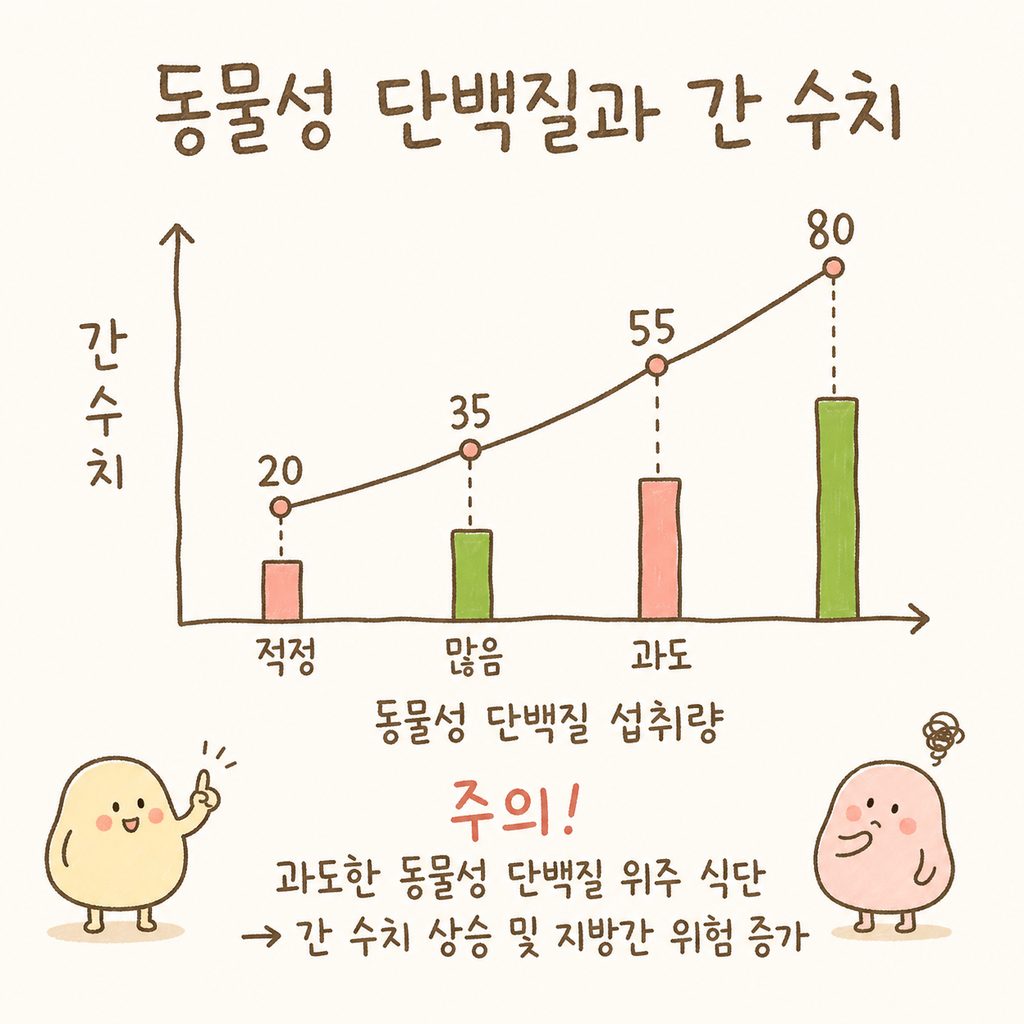
During the protein breakdown process, nitrogenous waste products like ammonia and uric acid are produced, and the organs responsible for detoxifying and eliminating these are the liver and kidneys. Excessive protein intake puts an excessive burden on these organs. Sodium, phosphates, and preservatives in processed products can cause edema and negatively affect liver health.
In fact, researchers from Shanghai University of Traditional Chinese Medicine conducted experiments on rats, feeding them a diet high in animal protein like chicken breast for 2 weeks. The results showed a sharp increase in liver enzyme levels and a tendency for fatty liver to worsen. This demonstrates how a diet that relies solely on animal protein can cause triglycerides to accumulate in the liver.
Protein Balance and Body Constitution from a Traditional Korean Medicine Perspective
In Korean medicine, the emphasis is not just on the quantity of nutrients but on 'balance' and 'harmony.' Rather than focusing solely on animal protein like chicken breast, appropriately incorporating plant-based protein is a way to ensure smooth metabolism flow.
Of course, tofu and soy milk—the representative sources of plant-based protein—are not the answer for everyone. Components like isoflavones and lectins found in beans can act differently depending on the individual. In particular, if estrogen levels are already elevated, isoflavones can worsen menstrual pain or irregular menstruation symptoms. Additionally, in cases of iodine deficiency, this can lead to thyroid dysfunction, potentially causing edema or weight gain instead.
Ultimately, understanding whether your body constitution digests animal protein well or responds sensitively to plant-based protein is key to healthy weight loss approach.
Healthy Protein Intake Tips to Start Today
Here are practical methods to enjoy the benefits of chicken breast while reducing the burden on your body.
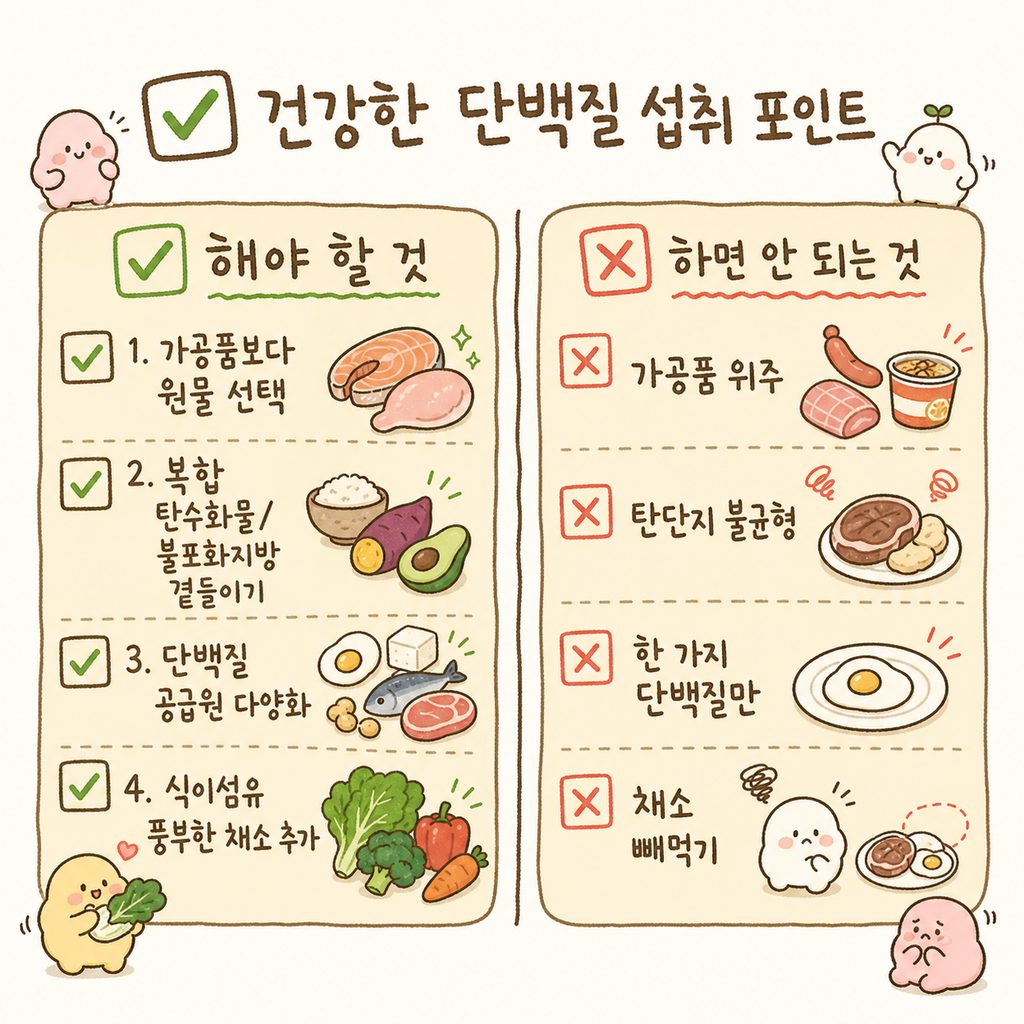

Choose whole foods over processed products. Rather than smoked or seasoned products, eating boiled or steamed chicken breast is the way to reduce the burden on your liver and kidneys.
Improve the quality of carbohydrates and fats. Nutritional balance is achieved when you pair low glycemic index (GI) complex carbohydrates with beneficial unsaturated fatty acids.
Diversify your protein sources. Try rotating chicken breast with fish, eggs, and plant-based proteins that suit your body constitution.
Increase your vegetable intake. To help eliminate waste products produced during protein breakdown, you should consume plenty of fiber-rich vegetables along with your protein.
Diet/weight management is not simply about reducing numbers; it's about healthily reorganizing your body's metabolism system. Instead of blindly increasing chicken breast portions, try listening to the signals your body sends.
If organizing your diet alone feels overwhelming or if you're looking for a weight loss approach tailored to your body constitution, joining the Baekrokdam program and experiencing more efficient and healthier results together can be a great option. Try the dietary methods I shared today, and feel free to tell me about any changes you notice at your next visit.
References
[1] Higher-protein diets improve indexes of sleep in energy-restricted overweight and obese adults: results from 2 randomized controlled trials. (The American journal of clinical nutrition, 2016) — https://pubmed.ncbi.nlm.nih.gov/26864362/
References