Korean Herbal Diet Medicine: Usage & Personalized Care

Table of Contents
I often hear this in the consultation room: "Director, I've exercised and cut back on my diet, so why am I not losing weight?" Having struggled with the same concerns myself, I truly understand that feeling. It's dizzying. In the midst of that, when you hear about Korean herbal diet pills or Korean herbal diet medicine, it's natural to be skeptical: "Does this really work?" Today, let's address those questions step by step.
Why Seek Korean Herbal Diet Pills and Medicine?
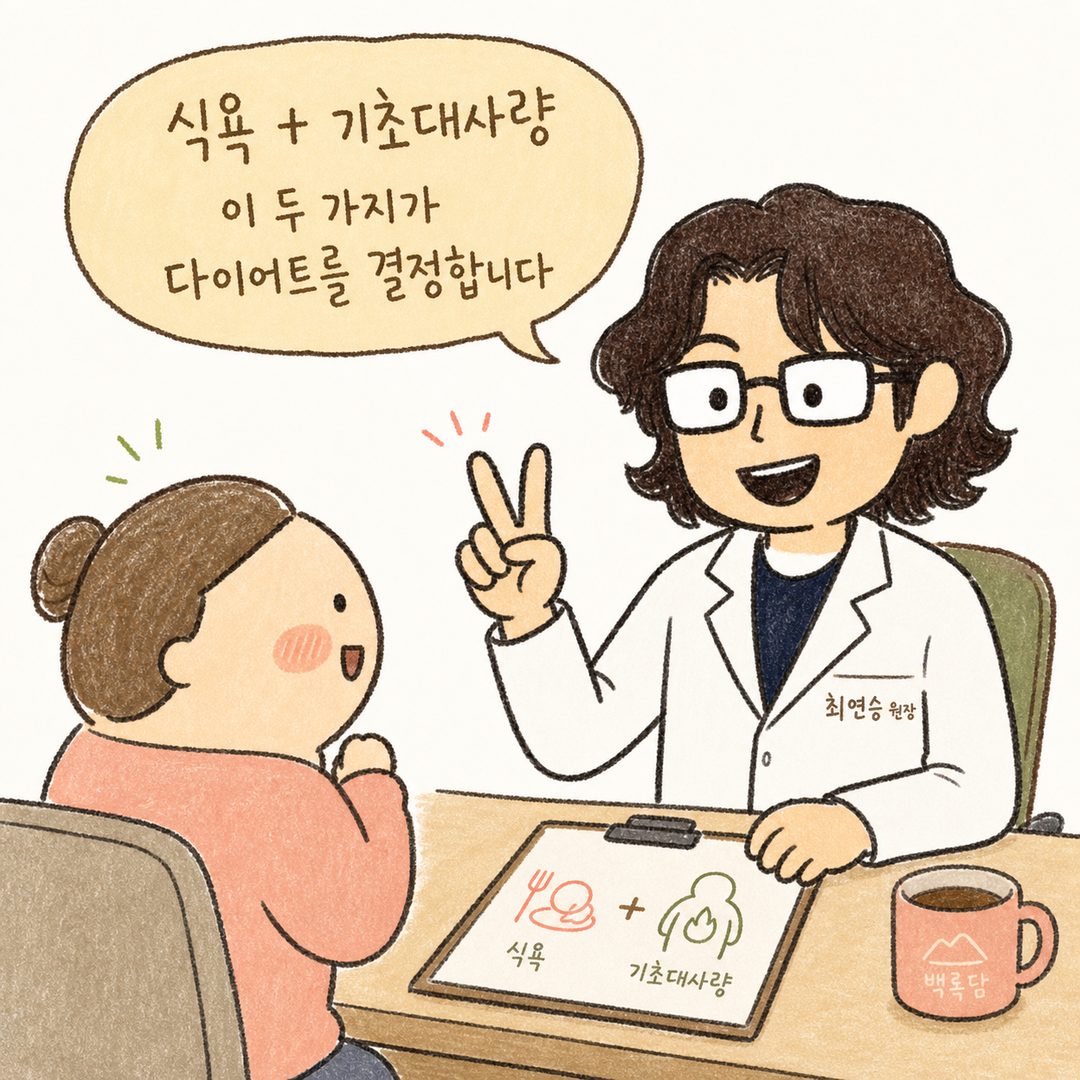
The first wall people encounter when trying to manage their weight is appetite. You resolve to eat less, but by evening, you're already opening a delivery app. No matter how well you calculate calories, if the actual amount you eat doesn't decrease, weight loss remains distant. The second wall is the basal metabolic rate (BMR). Even with the same intake, some lose weight easily while others don't; this is due to differences in metabolism. This is exactly what Korean herbal diet pills and medicine target. They help suppress appetite naturally and boost metabolism, allowing for better results with the same effort.
How Korean Herbal Diet Pills Work in the Body
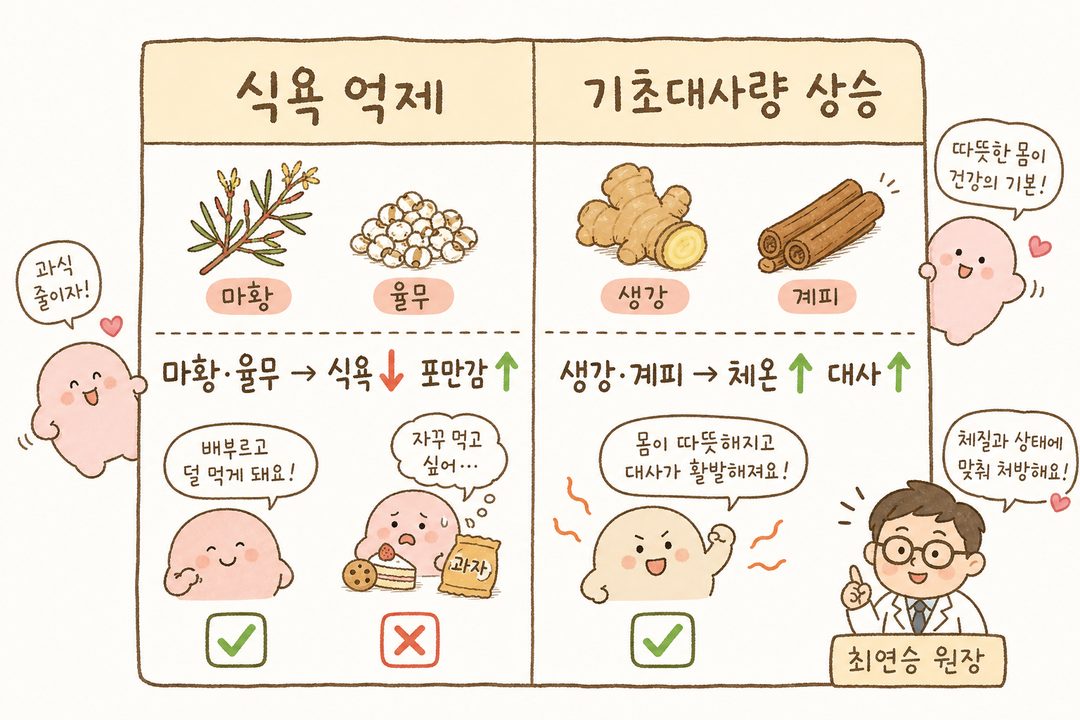
Let's divide the main actions of Korean herbal diet pills and medicine into two paths:
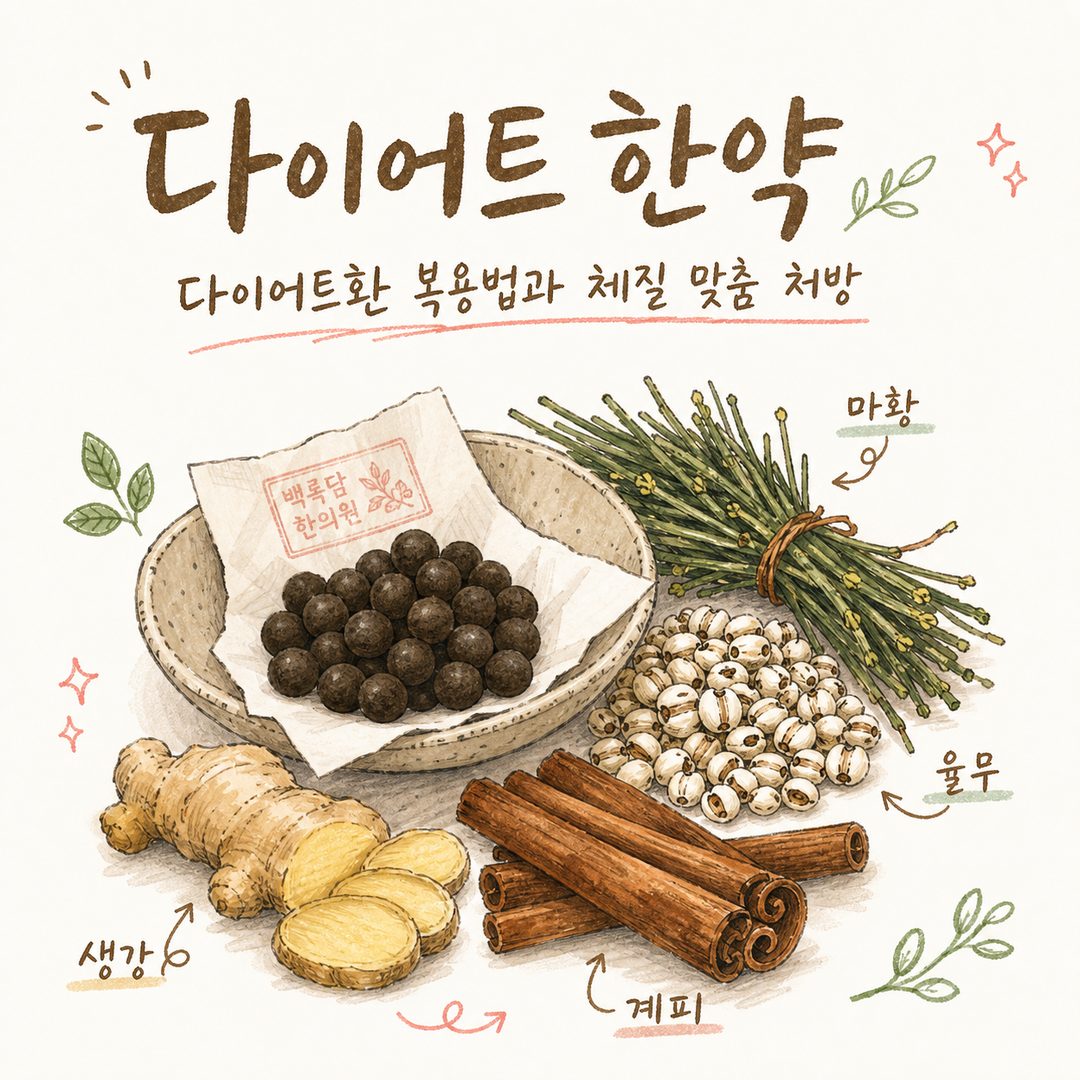
Appetite Suppression and Increased Satiety: Ephedra, frequently included in prescriptions for Baekrok Gambi-hwan and other Korean herbal diet pills, stimulates the sympathetic nervous system to reduce appetite and increase energy expenditure. Coix seed (Job's tears) increases the secretion of leptin, an appetite-suppressing hormone, reducing hunger and prolonging satiety.
Boosting Basal Metabolic Rate: Ingredients like ginger, cinnamon, and ephedra raise body temperature to awaken the metabolism. Korean medicine literature explains that this combination helps increase BMR and aids in fat burning and waste elimination.
To be honest, herbal medicine doesn't have the same standardized clinical data as Western obesity treatments (e.g., "X kg loss"). Results vary significantly by product and individual. Expecting major changes from medicine alone without adjusting diet or exercise often leads to disappointment. It is most accurate to view herbal medicine as a supplementary tool.
Changes in the Body After Consumption
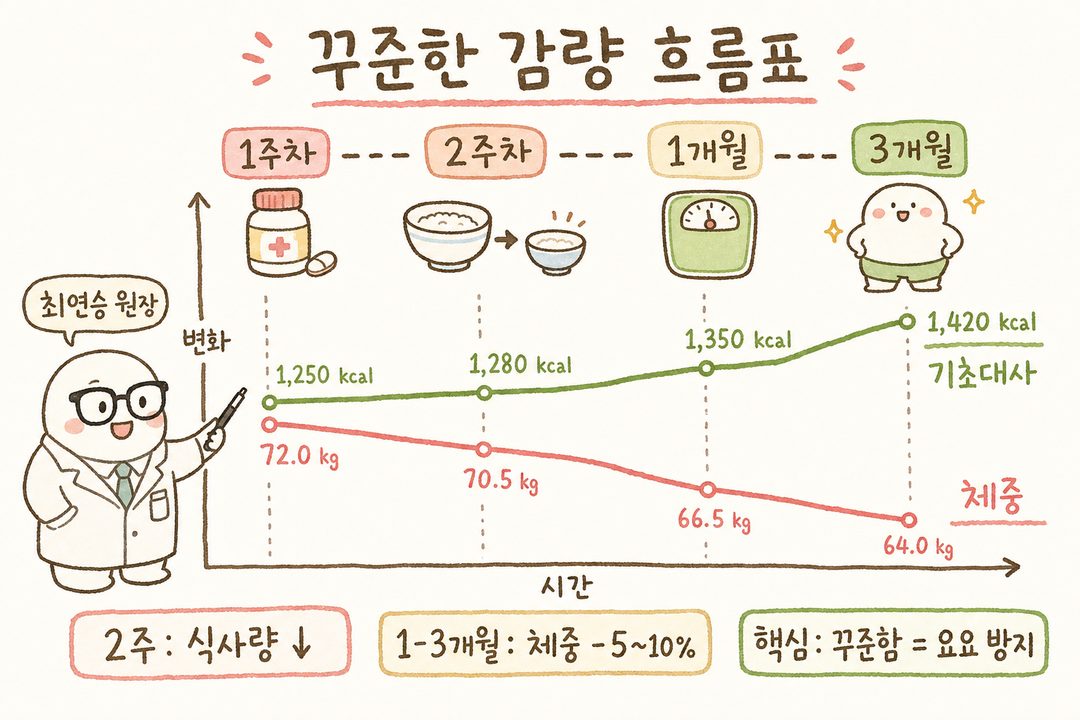
In the clinic, the first change patients notice after starting Korean herbal diet medicine is that their "meal portions have decreased." Usually, after about 2 weeks, many find their meal sizes naturally shrinking and late-night cravings subsiding. Those who previously had cold hands and feet may feel their bodies becoming warmer.
Weight changes are typically viewed in 1 to 3-month increments. A reasonable goal often cited in academic literature and clinical practice is a loss of 5–10% of starting weight. Losing weight steadily within this range is safer than drastic drops, as it lowers the risk of the yo-yo effect and minimizes strain on the body. When looking at a 3-month timeframe, those who also refine their eating habits see the best results.
Korean Herbal Diet Medicine at Baekrokdam Clinic
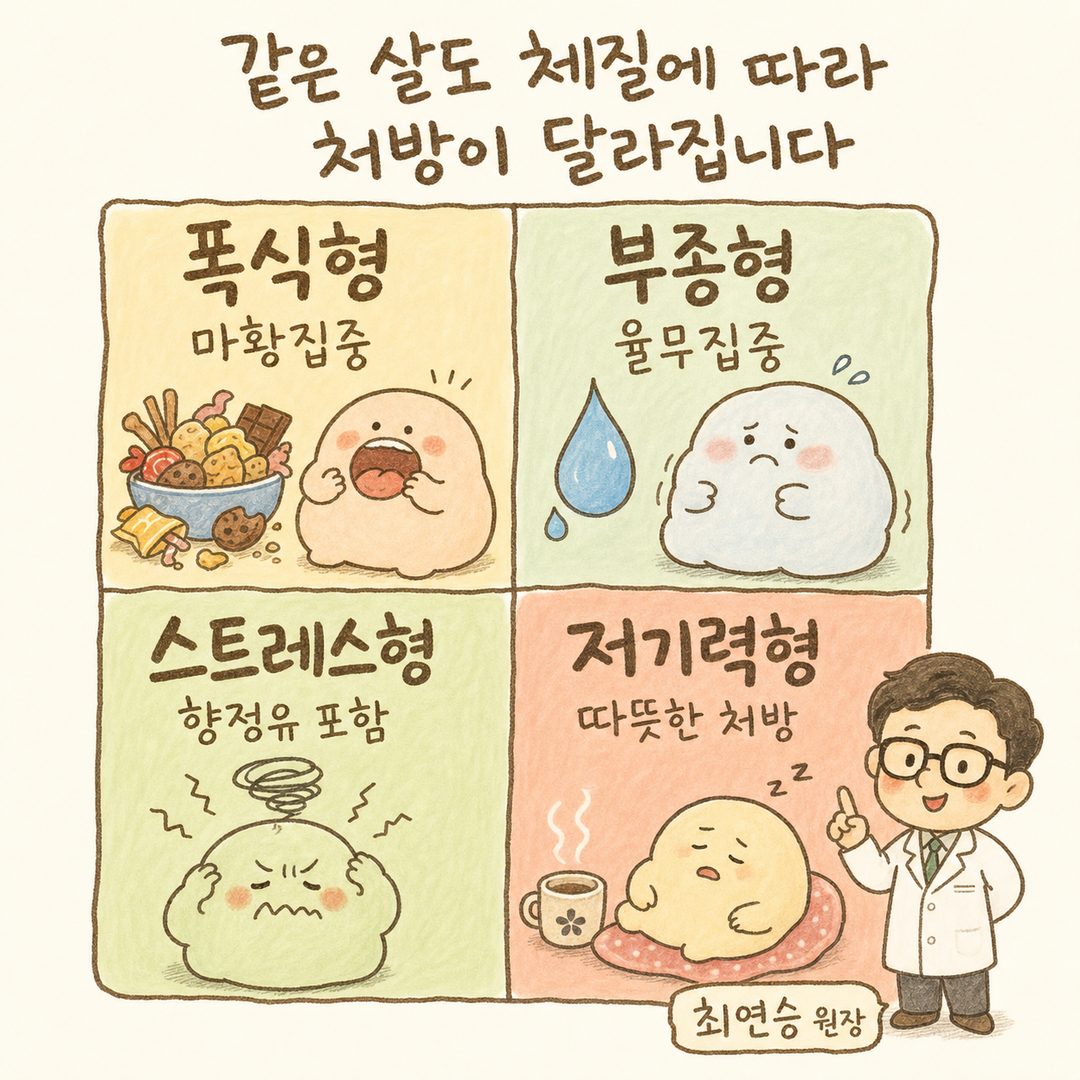
When prescribing herbal medicine, I approach it as a strategy to "reorganize this person's constitution" rather than just "medicine to lose weight." Even if two people are overweight, their reasons differ: some have explosive appetites, some are always bloated, some binge-eat under stress, and some lack the energy to exercise. The same Korean herbal diet pill may work well for one constitution but be a burden for another.
For example, while Ephedra is effective for appetite suppression and metabolic stimulation, it must be used cautiously for those with weak hearts or severe insomnia. Coix seed is great for managing edema, but the dosage must be adjusted for those with very cold bodies or weak stomachs. This is where a Korean medicine diet truly shines: the principle of "treating the same obesity differently." Instead of a one-size-fits-all prescription, we determine the formula only after examining the pulse, body type, eating habits, and sleep patterns.
How to Handle Alcohol During Weight Management
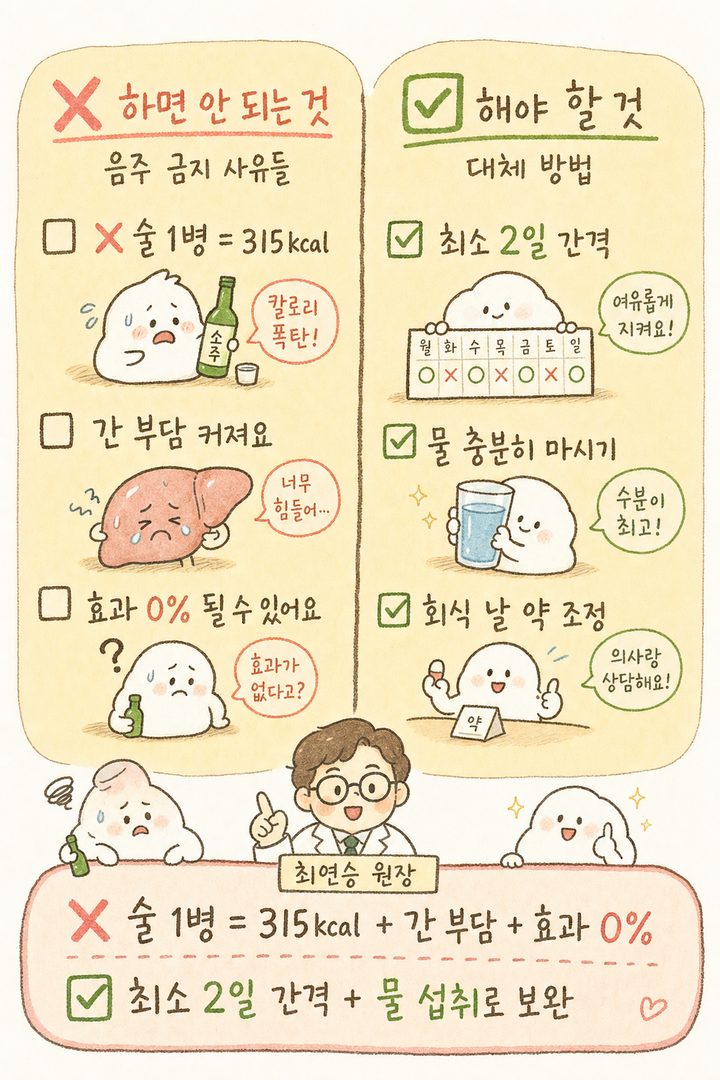
The most frequent question from those taking Korean herbal diet pills is about alcohol. To be clear, abstinence is the rule during treatment for several reasons:
Alcohol is high in calories: Alcohol contains 7 kcal per 1g, second only to fat (9 kcal/g). One shot of soju (45ml) is about 60 kcal; a bottle exceeds 315 kcal from alcohol alone. Adding snacks makes it much heavier than a regular meal.
Liver Burden: Both herbal ingredients and alcohol are processed by the liver. Taking them together increases the risk of elevated liver enzymes.
Reduced Effectiveness: Some Korean medicine resources suggest that drinking can reduce diet effectiveness to 0%. That is how much alcohol can sabotage weight loss.
If an event is unavoidable, stop taking the herbal medicine for one day before and after, ensuring at least a 2-day gap between the medicine and alcohol.
Action Points You Can Start Today
Whether you take herbal medicine or not, here are habits that change results:
Organize Meal Frequency: Create a rhythm with 3 regular meals a day and reduce snacking. If meals are irregular, the appetite control provided by the medicine will also falter.
Exercise Frequency: Don't overdo it at first. Start with walking or strength training for 30 minutes, 2–3 times a week, and gradually increase.
Hydration: Since edema and waste elimination become more active while taking herbal medicine, drink more water than usual.
Manage Social Gatherings: If a dinner is scheduled, adjust your medicine schedule for that week to avoid overstraining your body.
Don't Step on the Scale Too Often: Weighing yourself daily leads to unnecessary stress over 0.5kg fluctuations. Weighing yourself at the same time 1–2 times a week is better for your peace of mind.
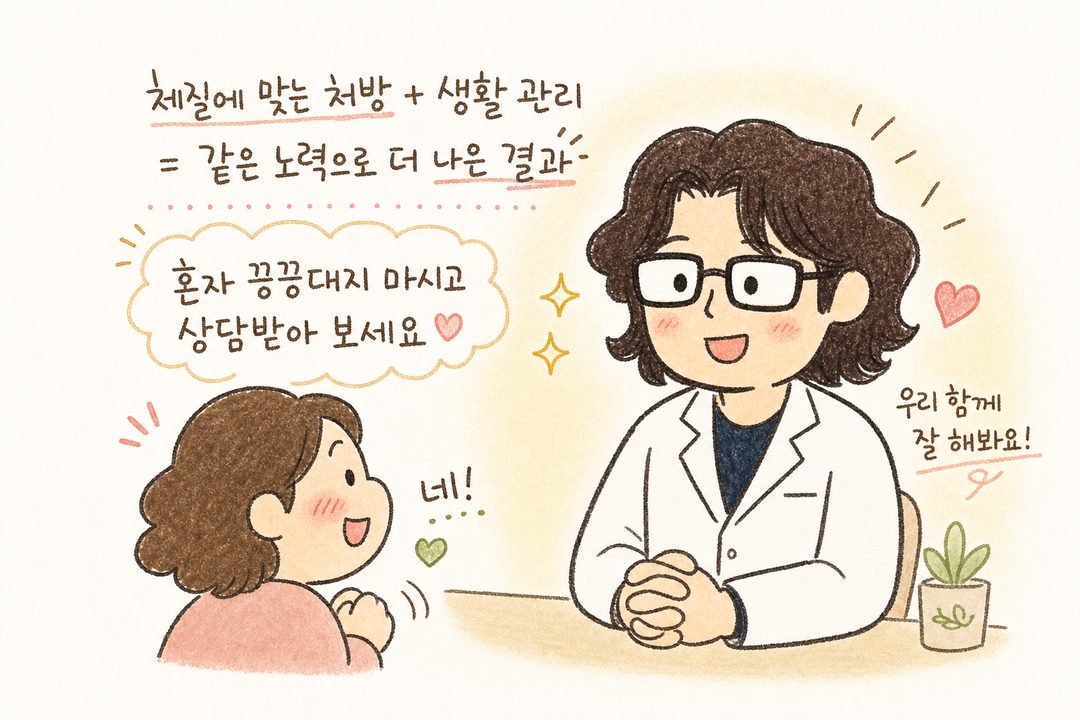
Weight is ultimately a result of constitution and lifestyle patterns. While one medicine won't solve everything, adding a prescription tailored to your body allows for better results with the same effort. At Baekrokdam Clinic, we thoroughly examine your constitution before prescribing Korean herbal diet pills or medicine like Baekrok Gambi-hwan, and we provide guidance on diet, exercise, and alcohol management during the process. Don't struggle alone; come in for a consultation. The path will become much clearer.