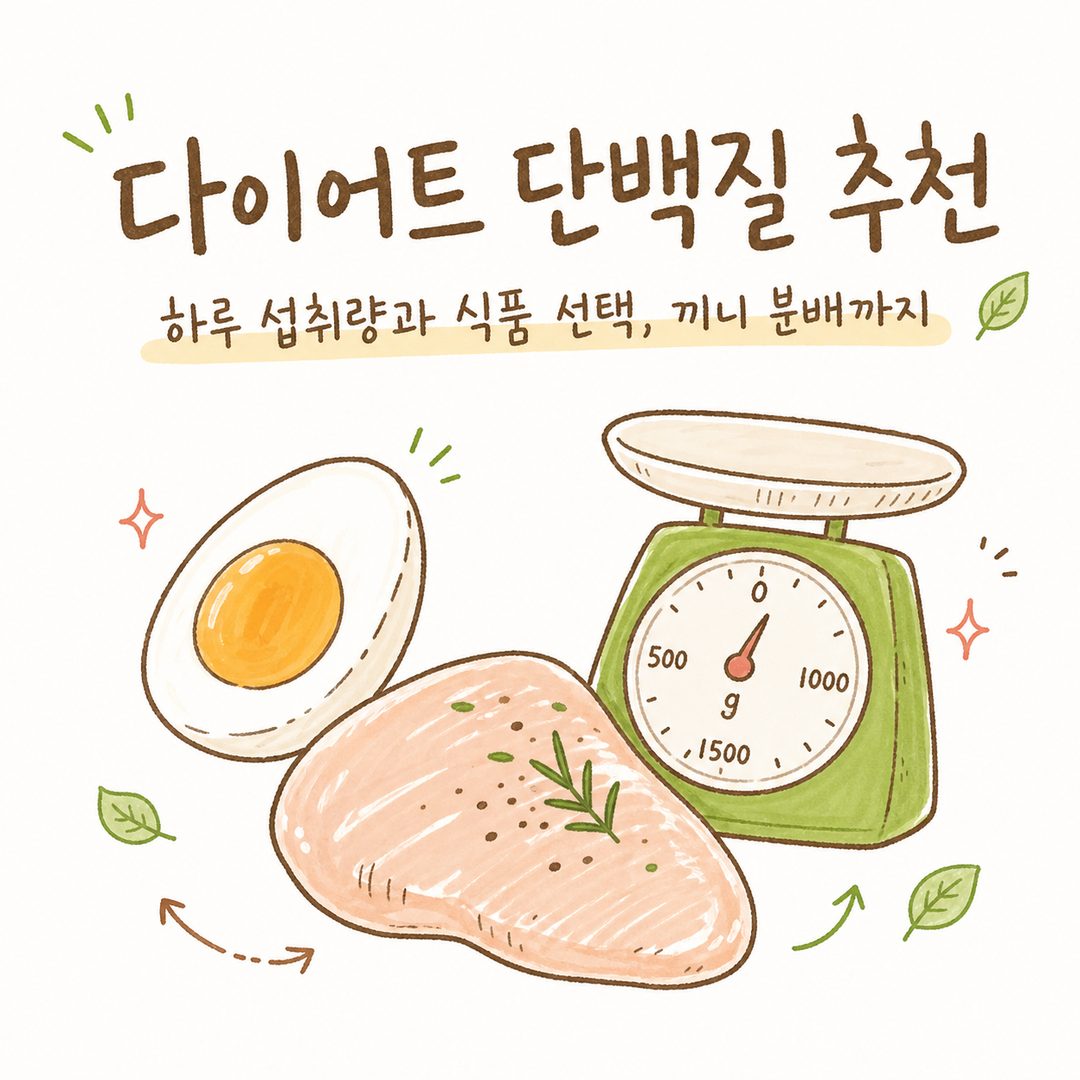
Protein for Weight Management: Daily Intake & Meal Planning

Table of Contents
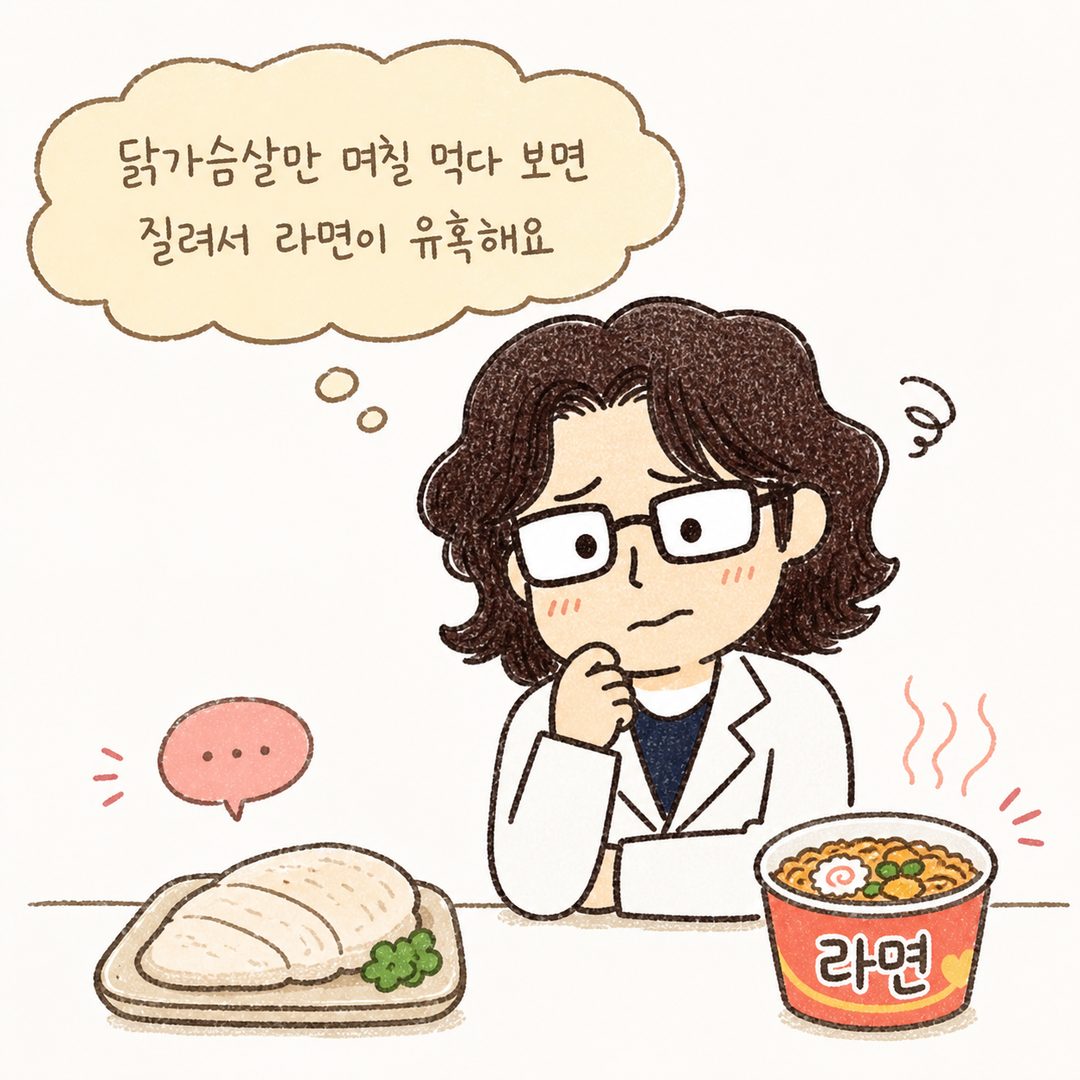
Protein is often the first hurdle in weight management. After days of plain chicken breast, you might crave instant noodles, and protein shakes can be confusing to incorporate. Dining out brings new challenges, from pork belly dinners to cafe desserts, making it easy to derail your diet. I hear the same concerns from patients in my practice. Today, I'll explain how to get the right amount of protein from the right sources, following the same approach I use in my clinic.
Start with Your Body Weight for Daily Protein
The first step is determining your daily protein target. While the general recommendation is 1g per kg of body weight, studies suggest 1.6-2g per kg during weight management to prevent muscle loss. Some Korean sources recommend 1.2-1.6g per kg. The key takeaway: "Increase protein intake during weight management."
For a 60kg person, aim for 96-120g daily, or 72-96g for a more conservative approach. Start with your weight × 1.2g and gradually increase. Remember: "Reduce carbs and fats first, maintain protein."
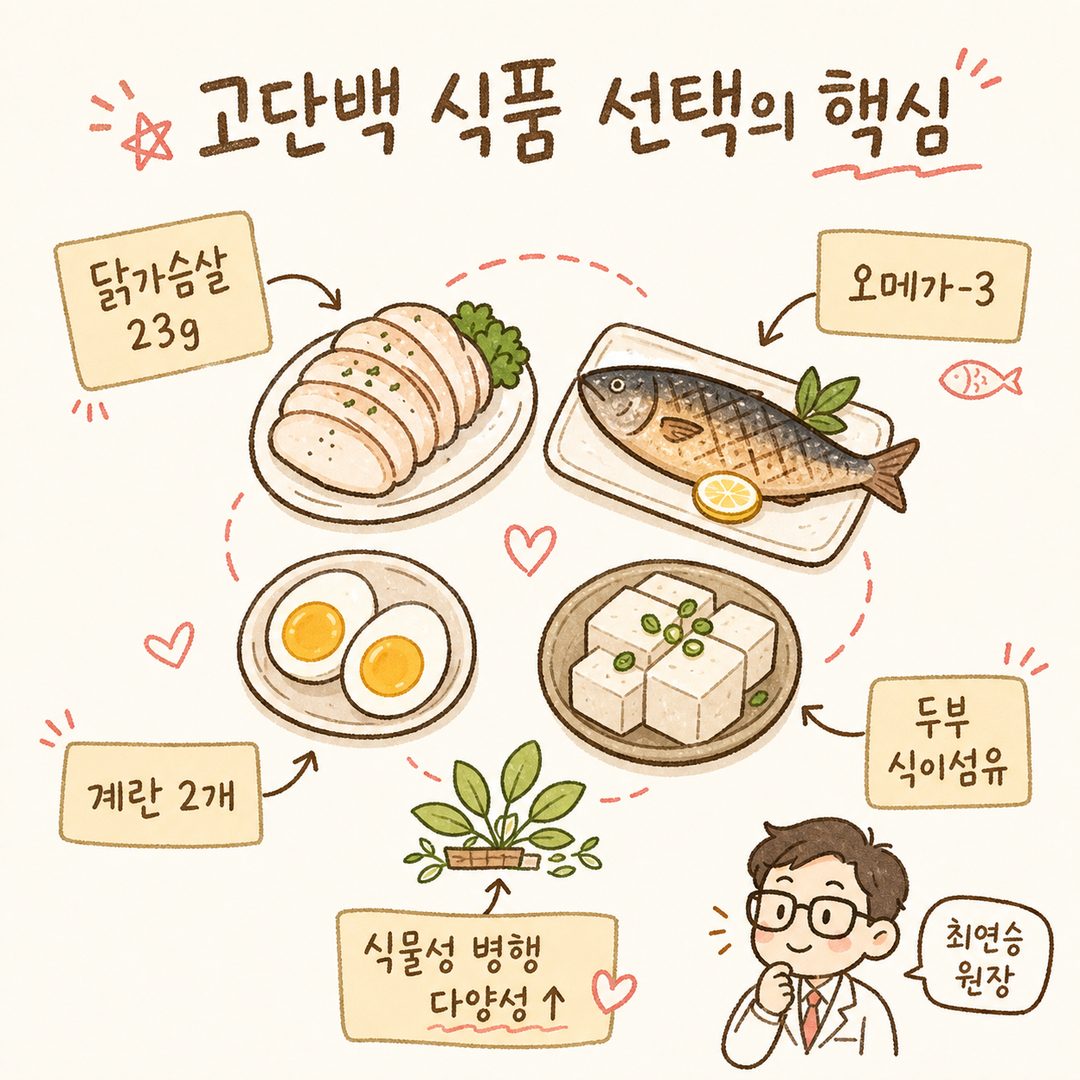
Choose High-Protein, Low-Fat Foods
Focus on high-protein, low-fat, low-calorie options:
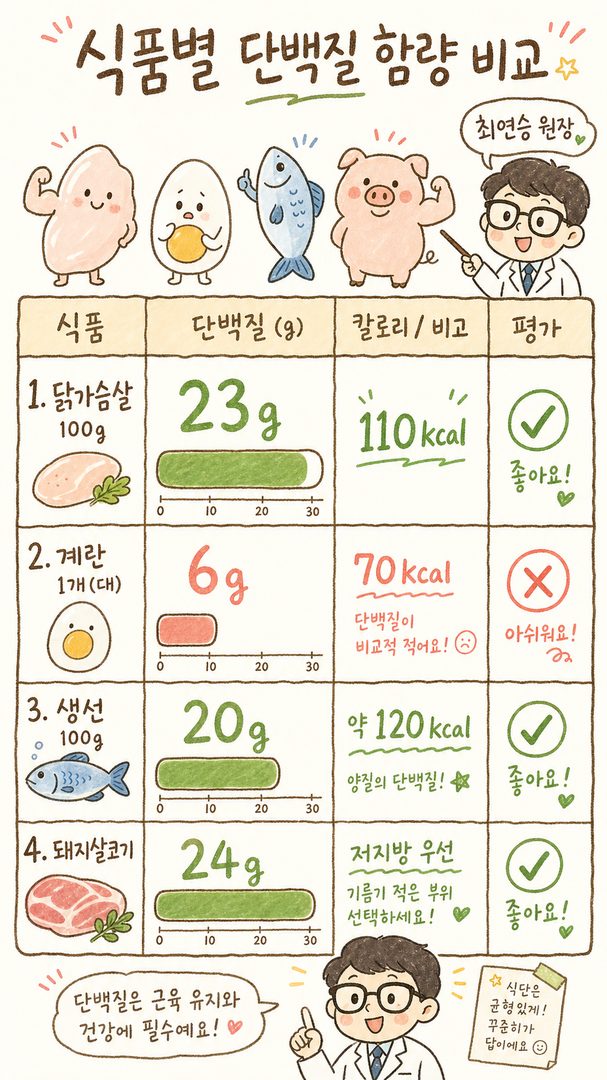
Chicken breast: ~23g protein, 110 kcal per 100g. The gold standard for weight management.
Eggs: ~6g protein, 70 kcal per large egg. Limit to 2 boiled eggs per meal.
Fish: Rich in protein and omega-3s. Choose grilled, steamed, or braised over fried.
Lean pork: Opt for lean cuts.
Incorporate plant proteins like tofu, beans, and lentils for variety and fiber.
Distribute Protein Throughout Meals
Aim for 20-30g per meal for optimal absorption. Spread intake across 3 main meals with a small snack. For a 60kg person targeting 80g daily:
Breakfast: 25g
Lunch: 25g
Dinner: 25g
Snack: 5g
Space meals 4 hours apart. Protein requires 20-30% more energy to digest, boosting metabolism.
Protein Shakes: Replacement or Supplement
Use shakes to replace one meal or supplement intake. Don't add them on top of regular meals. Key guidelines:
Replace one meal maximum (two at most)
Choose shakes with 15-20g protein per serving, low in sugar and carbs
Calculate needs as body weight × 1-1.5g/day (60-90g for 60kg)
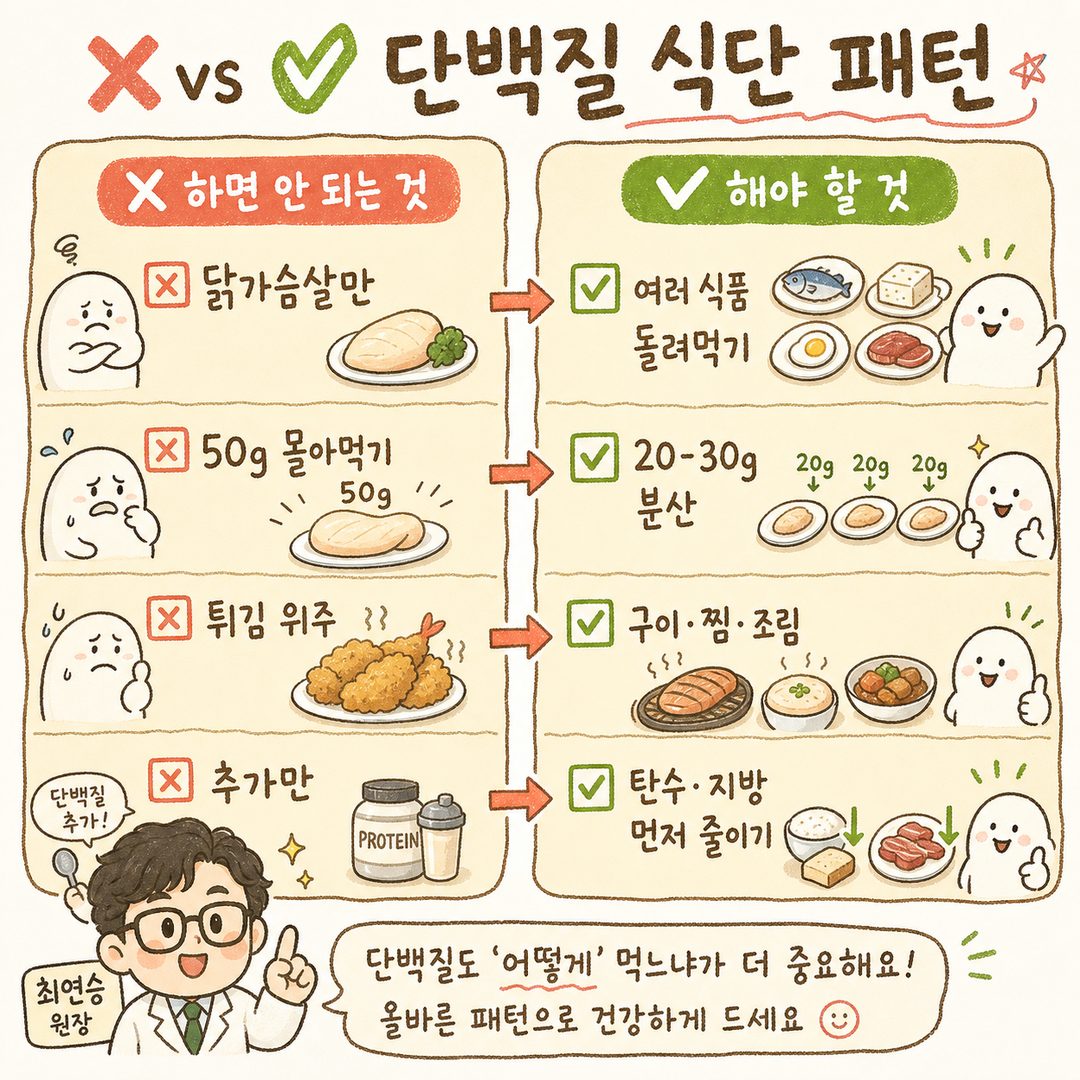
Common ❌ Mistakes vs ✅ Solutions
❌ Eating only chicken breast, then binging
❌ Adding protein shakes without adjusting meals
❌ Consuming 50g protein in one sitting
❌ Choosing fried proteins
❌ Increasing protein without reducing carbs/fats
✅ Rotate protein sources ✅ Use shakes only for deficiencies ✅ Distribute 20-30g per meal ✅ Choose healthy cooking methods ✅ Reduce carbs/fats while increasing protein
Three Recommended Meal Plans (60kg person)
Plan 1: For Busy Office Workers
Breakfast: Protein shake (15-20g)
Lunch: Brown rice + grilled fish + vegetables (25g)
Dinner: 100g chicken breast + tofu + salad (30g)
Snack: Greek yogurt (10g)
Plan 2: For Frequent Diners
Breakfast: 2 boiled eggs + whole wheat toast (18g)
Lunch: Restaurant meal (choose wisely)
Dinner: Grilled salmon + tofu + vegetables (30g)
Snack: Milk + nuts (8g)
Plan 3: For Active Individuals
Breakfast: 2 eggs + 50g chicken breast (25g)
Post-workout: Protein shake (20g)
Lunch: Multigrain rice + lean pork + tofu stew (25g)
Dinner: White fish + vegetables (20g)

For those struggling with protein absorption or persistent fatigue, consider a Korean medicine approach. Baekrokdam's Baekrok Gambi-jung program combines herbal medicine with dietary guidance tailored to your constitution. Learn more about our Korean medicine diet program.