Diet Soy Milk Guide: Protein, Sugar & Calories

Table of Contents
title: "Diet Soy Milk Guide: Protein, Sugar & Calories" ---
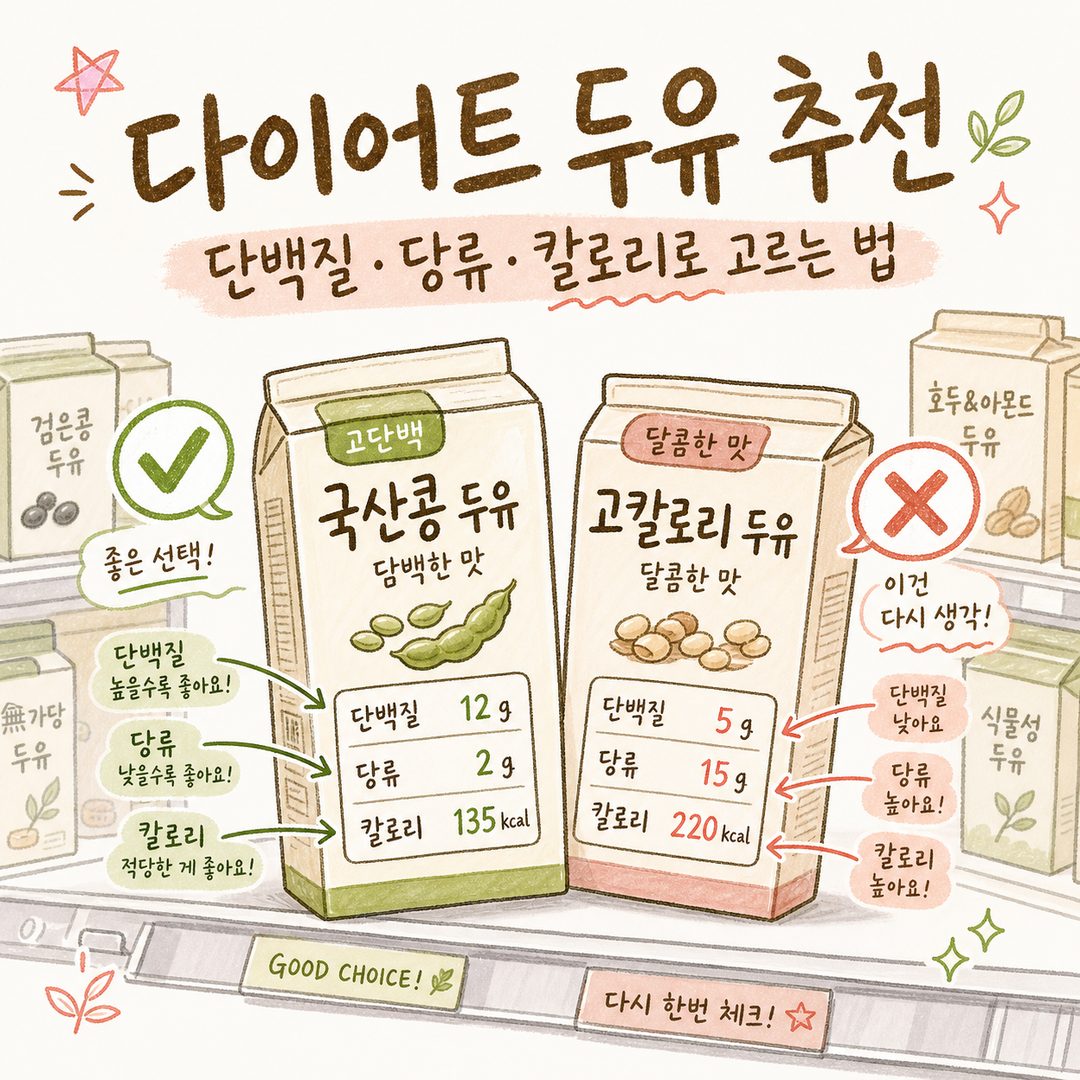
When you grab a carton of soy milk from the convenience store fridge, it might seem like a healthy choice, but many are surprised to find 6g of sugar and nearly 120kcal per serving. In my practice, I often hear patients ask, "Why am I not losing weight when I drink a carton of soy milk every evening?" Not all soy milk is created equal - many sweetened varieties are closer to soybean-flavored beverages. Let's examine four key factors for choosing the right soy milk for weight management.
Choosing the Right Soybean Base
The foundation of soy milk is soybeans. According to food science research, soy milk provides a balanced nutritional profile including protein, carbohydrates, fats, minerals, and vitamins. It's particularly valuable for supplementing plant-based protein during weight management.
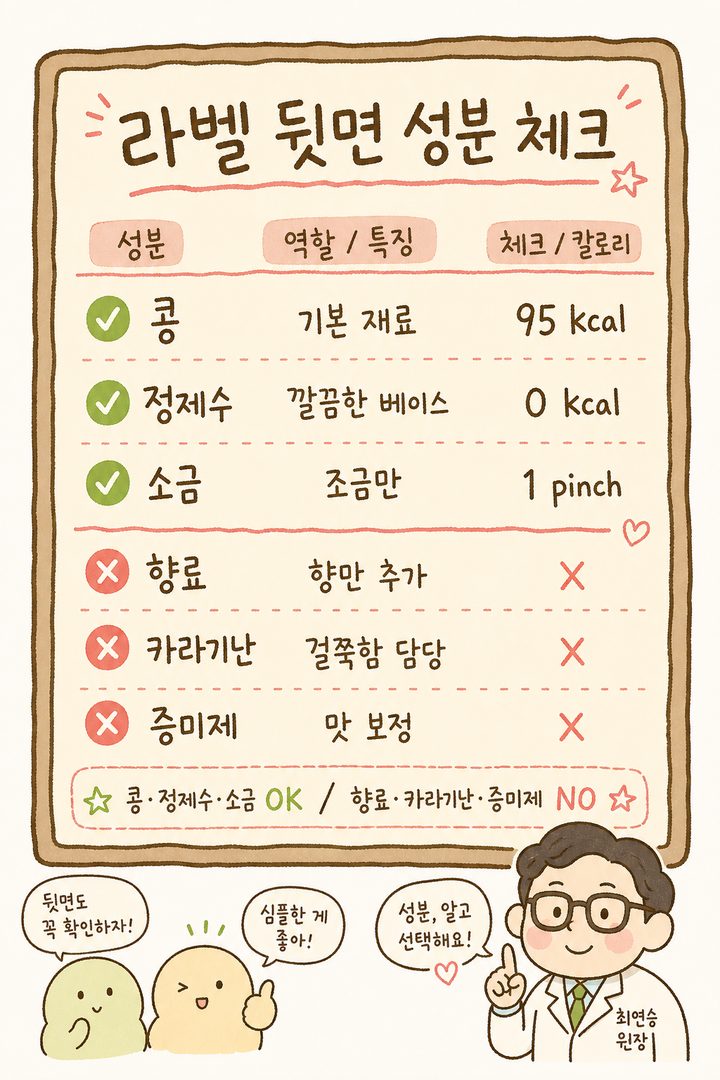
When selecting a base, focus on two key aspects: soybean content and origin (look for "100% domestic soybeans" if GMO is a concern) and additional ingredients. Products with minimal ingredients like soybeans, water, and salt are ideal, while those with flavorings, sweeteners, or carrageenan should be approached with caution.
Protein Content - How Many Grams per Carton?
Protein is a primary reason for including soy milk in a weight management diet. However, protein content varies significantly among commercial products.
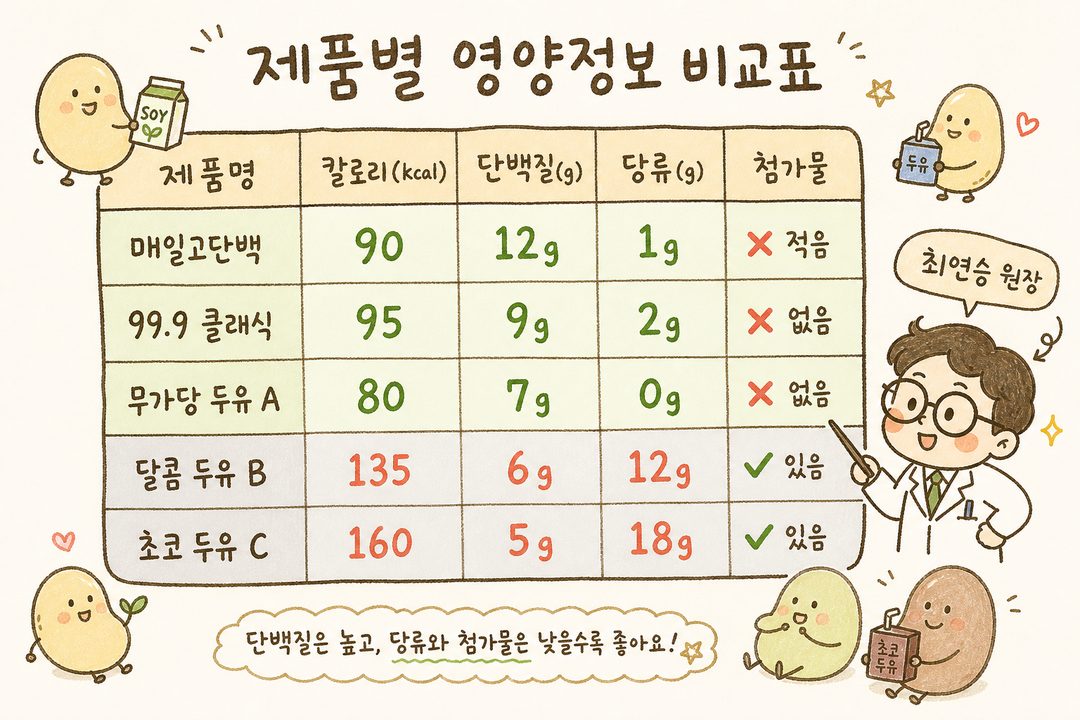
Research suggests aiming for 5g minimum, preferably 8-12g per carton when combining diet and exercise. Look for products with 12g+ protein, under 2g sugar, and around 100kcal per serving.
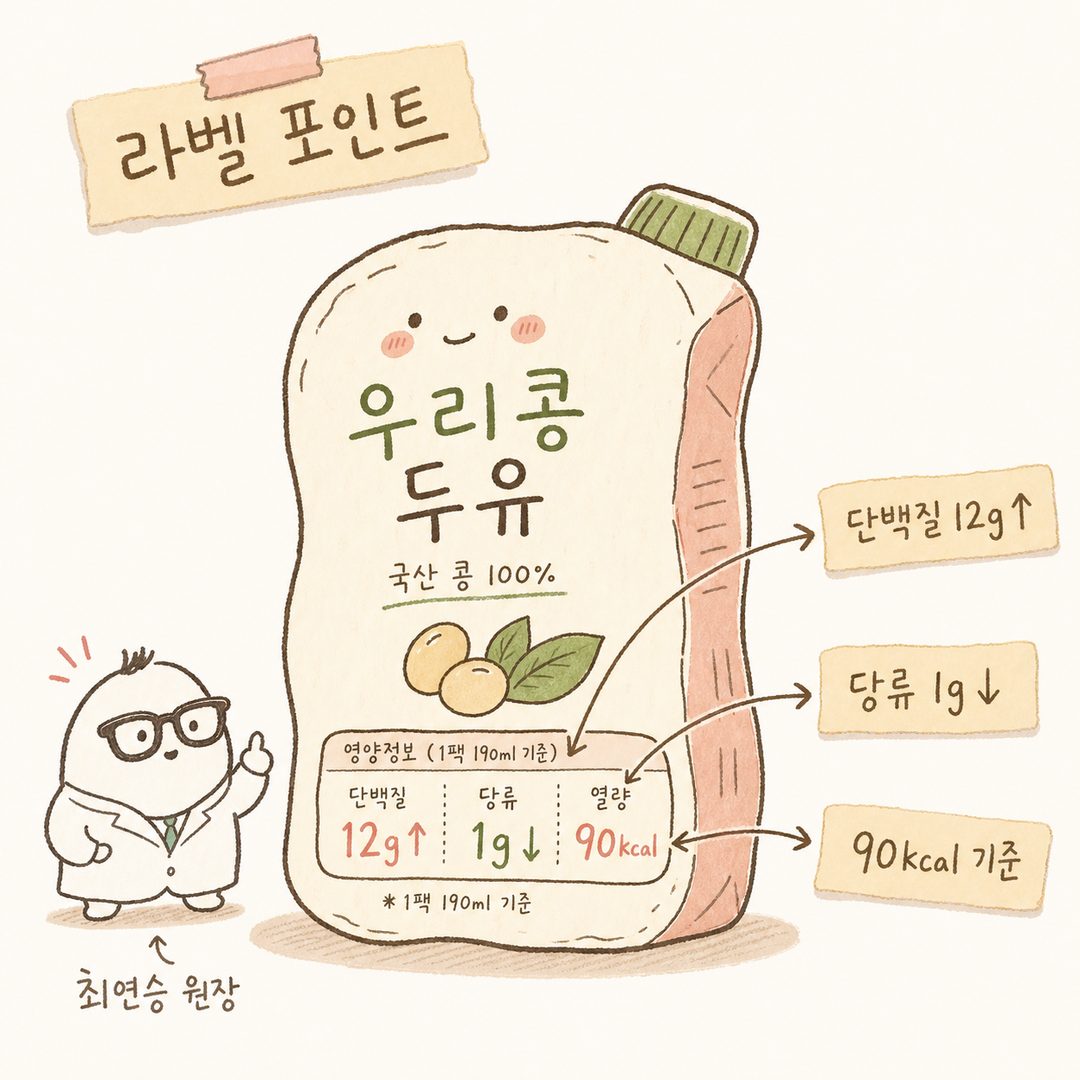
For example, Maeil High-Protein Unsweetened Soy Milk contains approximately 90 kcal, 12g protein, and 1g sugar per carton. Made with 100% plant protein and lightly sweetened with allulose, it's excellent as a post-workout snack or light breakfast, though some may find the soybean flavor strong.
Sugar Content - Aim for 0-2g, Don't Be Fooled by Sweetness
Sugar content is often overlooked in diet soy milk. Many seemingly healthy options contain more sugar than regular milk.
Look for products with 0-2g sugar per carton. Sweetened varieties with added sugar, fructose, or syrup are not recommended for weight management. Standard soy milk can contain up to 6g sugar per 190mL serving.
Six grams of sugar equals about two sugar cubes. While one carton daily might seem insignificant, consuming two cartons daily adds up to 14 cartons weekly. Be cautious of terms like "nutty," "sweet," or "black bean" on labels and verify sugar content on the nutrition panel.
Calories and Additives - The 100kcal Benchmark
The third consideration is calorie content. Most recommendations suggest 50-100kcal per carton (190-200mL). For meal replacement, 80-120kcal is appropriate, while 50-90kcal works well for snacks or protein supplementation.
However, calories alone don't tell the whole story. Compare two 100kcal options: one with 12g protein and 1g sugar versus another with 4g protein and 6g sugar. The former provides better satiety and blood sugar control.
Also consider additives. Products with carrageenan, artificial flavors, or sweeteners may cause digestive discomfort. Simpler formulations with just soybeans, water, and salt are gentler on the stomach and better for managing water retention.
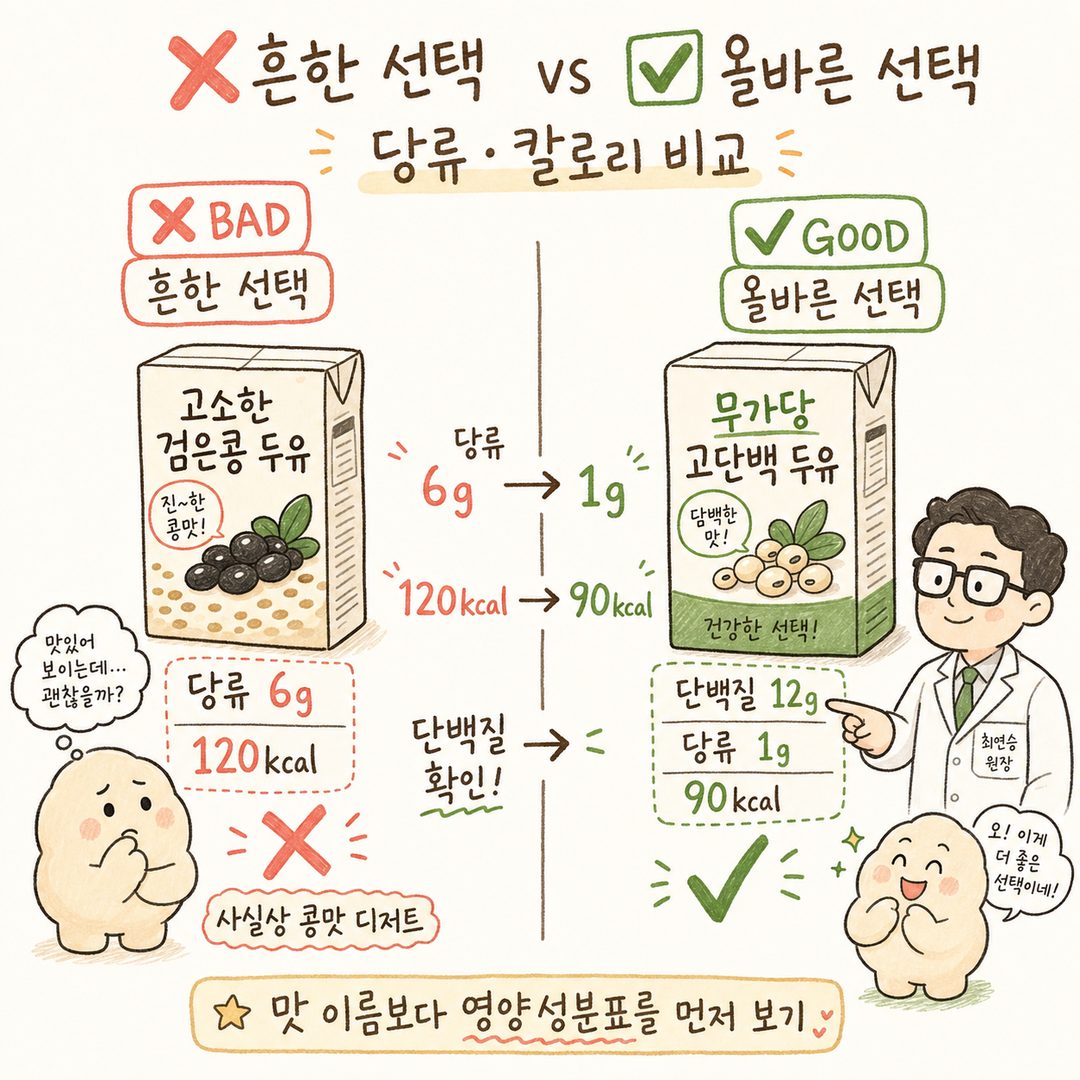
❌ Common Choices vs ✅ Diet-Friendly Options
❌ "Nutty Black Bean Soy Milk" - 5-7g sugar, ~120kcal. Tasty but essentially a soybean dessert.
❌ Bulk-packaged sterilized soy milk - Economical but often contains only ~4g protein.
❌ Labeled "Soy Milk Beverage" - Contains more sugar as it's not pure soy milk.
✅ Unsweetened high-protein soy milk - ~90kcal, 12g protein, 0-1g sugar. Top choice when combined with exercise.
✅ 99.9% unsweetened classic line - Lower calorie option with simple ingredients, suitable for sensitive stomachs.
✅ 100% domestic unsweetened - Clean label option for those concerned about GMOs or additives, though slightly more expensive.
Memorize these label keywords for quick decisions: "unsweetened," "high-protein," and "protein Xg" should be prominently displayed.
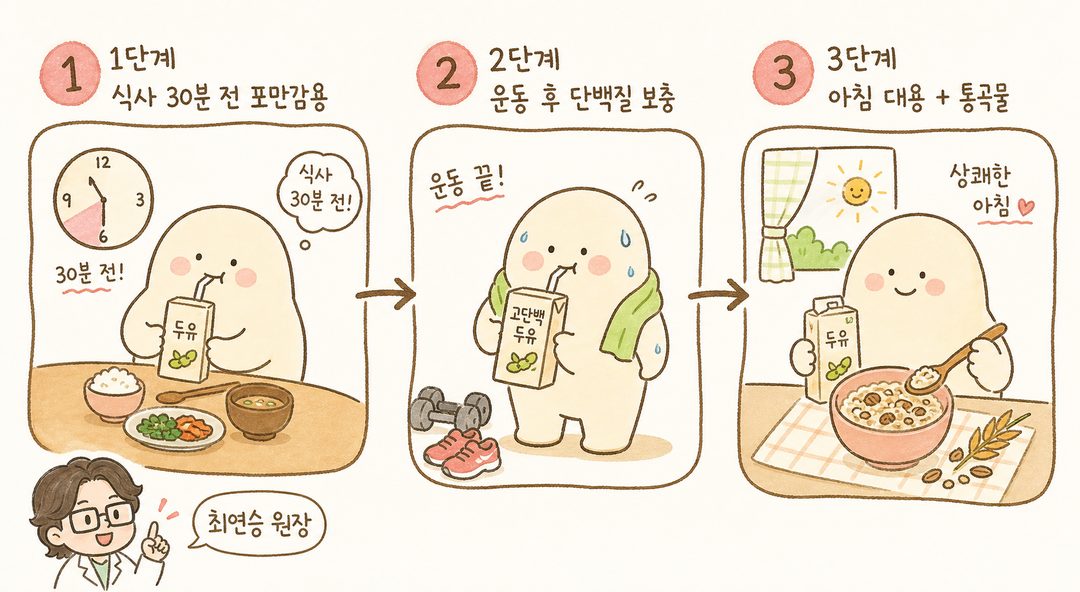

Recommended Combinations for Different Situations
Here are three combinations I frequently recommend in practice. Remember that timing and food pairing are crucial, as soy milk is merely a tool in your dietary approach.
1) Pre-meal Satiety Drink one carton of unsweetened soy milk (~100kcal) 30 minutes before meals. Research suggests this can help control portion sizes through increased satiety. The recommended daily intake is around 200mL.
2) Post-workout Protein Boost After strength training, consume one carton of unsweetened high-protein soy milk (~12g protein). Combining plant-based protein with animal sources provides variety. On intense workout days, add one boiled egg for balanced absorption.
3) Breakfast Replacement + Whole Grains For busy mornings, pair one carton of unsweetened soy milk with oatmeal or a slice of rye bread. Since relying solely on soy milk can lead to nutritional imbalances, use it to replace 1-2 meals daily and ensure other meals include vegetables, protein, and whole grains.
All combinations share the same principle: avoid sweetened varieties and stick to unsweetened, high-protein options. This simple rule can prevent weight loss plateaus caused by soy milk consumption.
Remember, no single food completes a diet. Soy milk is a tool to fill nutritional gaps, while real change comes from overall dietary balance. In my practice, I use soy milk as a supplementary tool. If you struggle with appetite control or binge eating between meals despite dietary adjustments, consider Baekrokdam Korean Medicine Clinic's Baekrok Gambi-jung to help balance appetite and metabolism. Combining smart soy milk choices with professional guidance makes your efforts more effective.