Pu-erh Tea for Weight Management: Gallic Acid to Visceral Fat

Table of Contents
Many patients ask me, "Doctor, does pu-erh tea really help with weight loss?" While they drink it after meals, they're unsure if it's truly effective or just a placebo. As a tea enthusiast myself, I've thoroughly researched pu-erh tea. Today, I'll explain its weight management benefits based on frequently asked questions in my practice.
Why Pu-erh Tea is Known as a Weight Management Tea
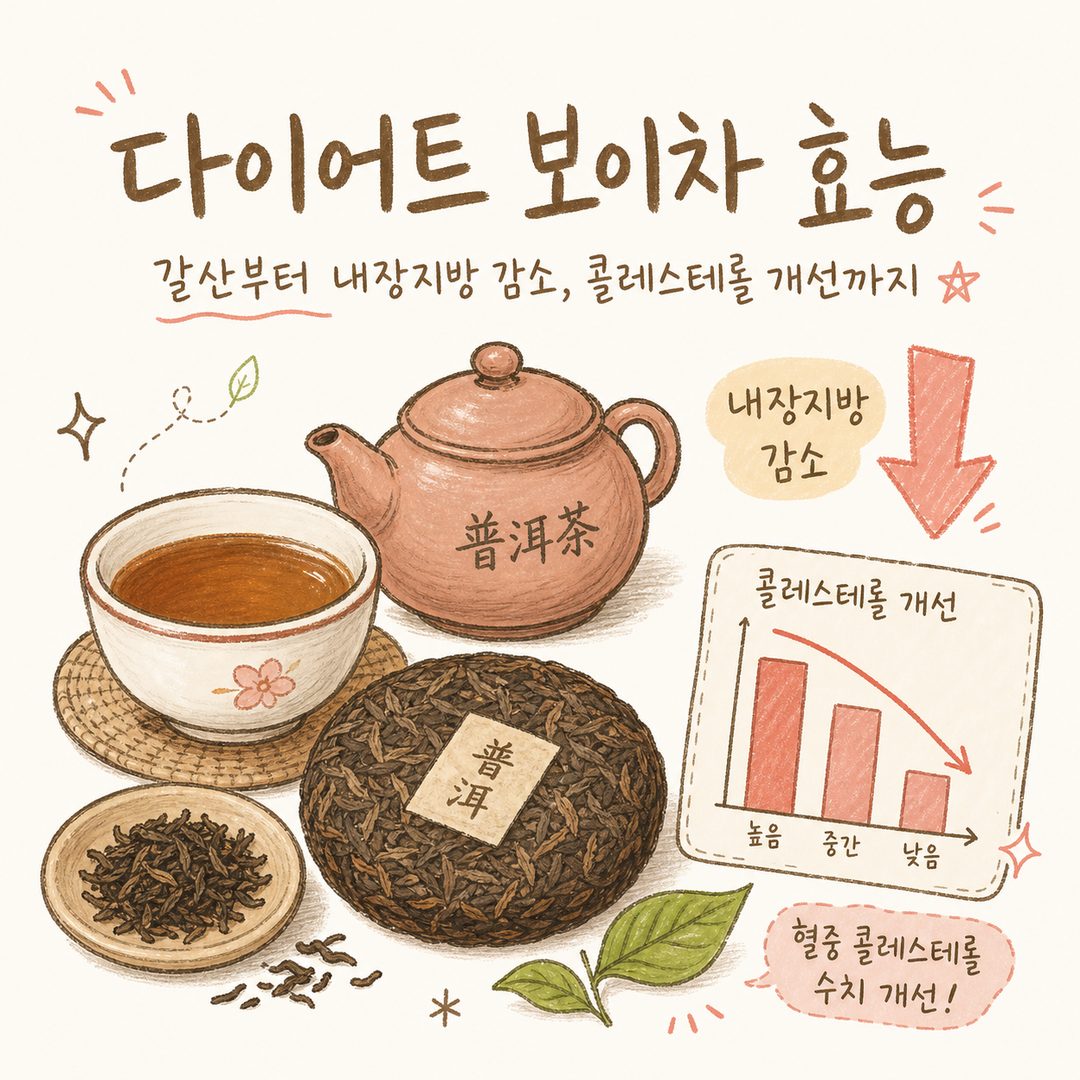
Pu-erh is a fermented tea that has been consumed after meals in China's Yunnan province for centuries. It pairs well with greasy foods and is said to "wash away oiliness," naturally establishing its reputation as a weight management aid. The Ministry of Food and Drug Safety has recognized that pu-erh tea extract may help reduce body fat and improve blood cholesterol levels.
However, don't expect to lose significant weight by drinking tea alone. Some reports note that the amount of weight management compounds in one cup of pu-erh is relatively small, requiring regular consumption for meaningful effects. To be honest, the weight loss effects are modest and supportive in nature.
How the Key Component, Gallic Acid, Works
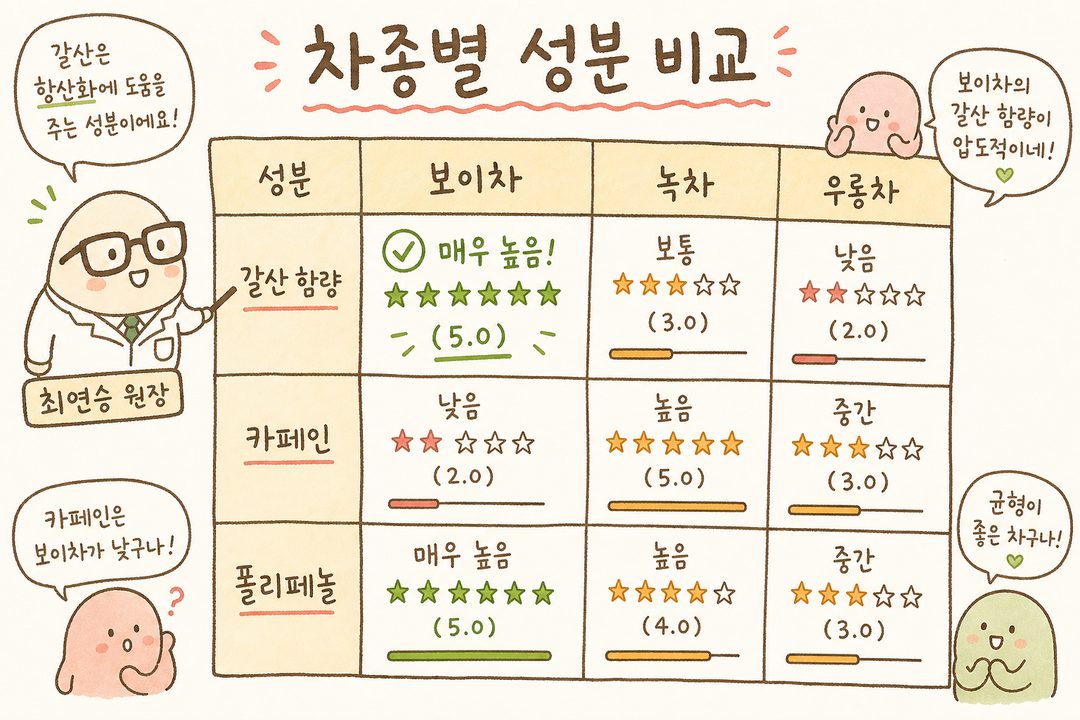
Gallic acid is always mentioned when discussing pu-erh tea's weight management benefits. As a type of polyphenol, it inhibits lipase, an enzyme that breaks down fat in the intestines. When lipase activity decreases, less fat is broken down and absorbed, ultimately reducing fat accumulation in the body.
Simply put, it slightly narrows the pathway for fat absorption after oily meals. This explains why drinking pu-erh tea after meals has become a common practice. However, gallic acid doesn't block all dietary fat—it's more realistic to think of it as modestly reducing absorption.
Changes Observed in a 12-Week Study
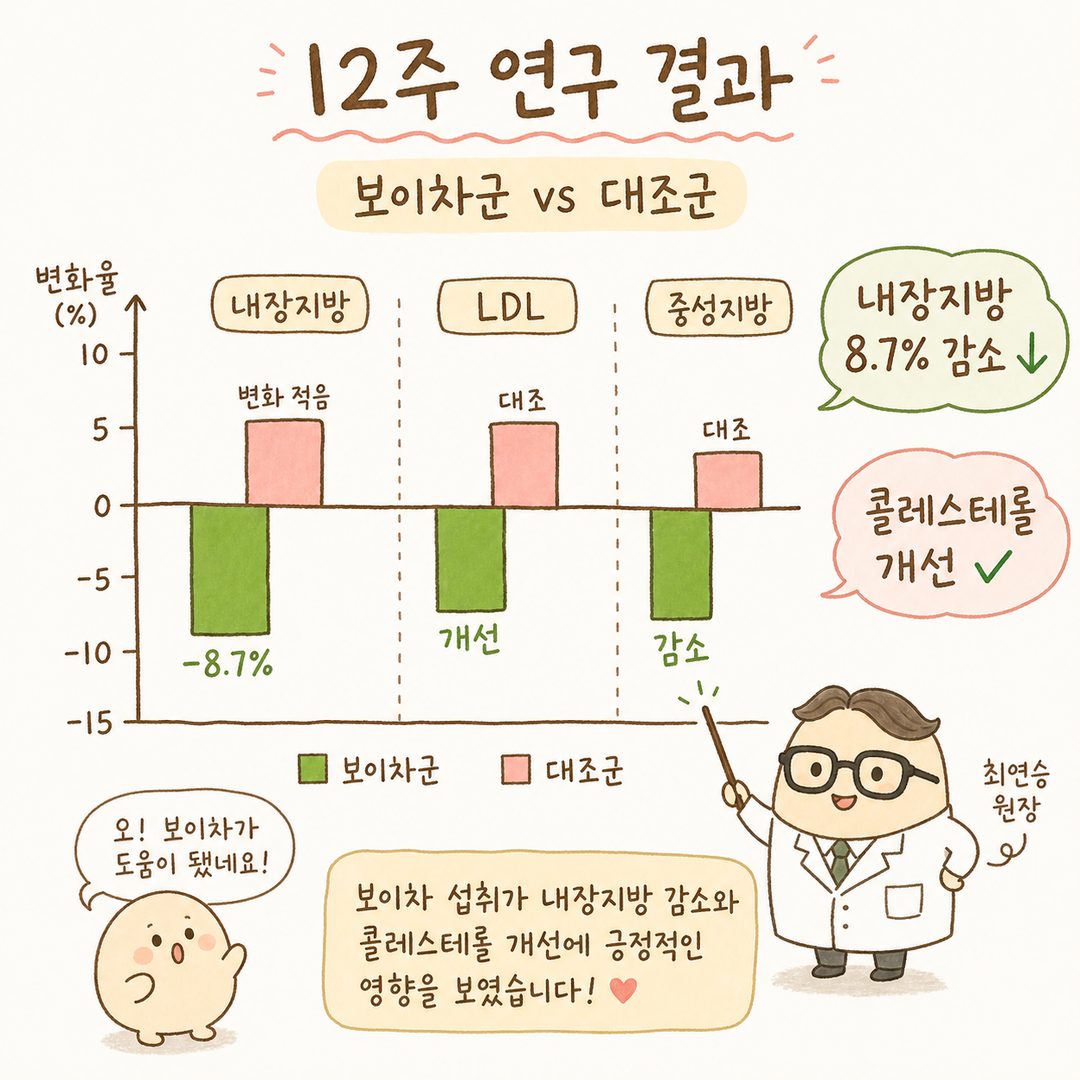
A frequently cited Korean study involved obese adults. The group that took 1g of pu-erh tea extract daily with an 1,800kcal diet for 12 weeks showed an average 8.7% reduction in visceral fat. Compared to the control group on the same 1,800kcal diet without pu-erh, they also experienced more consistent weight loss.
Key points to note: the effects were observed with extract form, not brewed tea; participants followed an 1,800kcal diet; and the study lasted 12 weeks. Don't expect results after just one week—the study took three months.
Additional studies suggest benefits for reducing LDL cholesterol and triglycerides, indicating value for cardiovascular health beyond weight management.
Pu-erh Tea and Obesity from a Korean Medicine Perspective
In Korean medicine, obesity isn't viewed simply as overeating. Imbalances like phlegm-dampness (痰飮), dampness (濕), and qi deficiency (氣虛) often hinder waste elimination and fat metabolism. Those who feel bloated after meals or experience swelling in extremities often have compromised digestion and circulation.
From a Korean medicine perspective, pu-erh tea has been used to aid digestion and relieve post-meal heaviness from oily foods. Drinking it warm after meals can reduce stomach discomfort and lighten the body. That's why I often tell patients that "the habit of drinking tea is good." However, suitability varies by constitution—some tolerate it well, while others are sensitive to caffeine. It's important to adjust based on your condition.
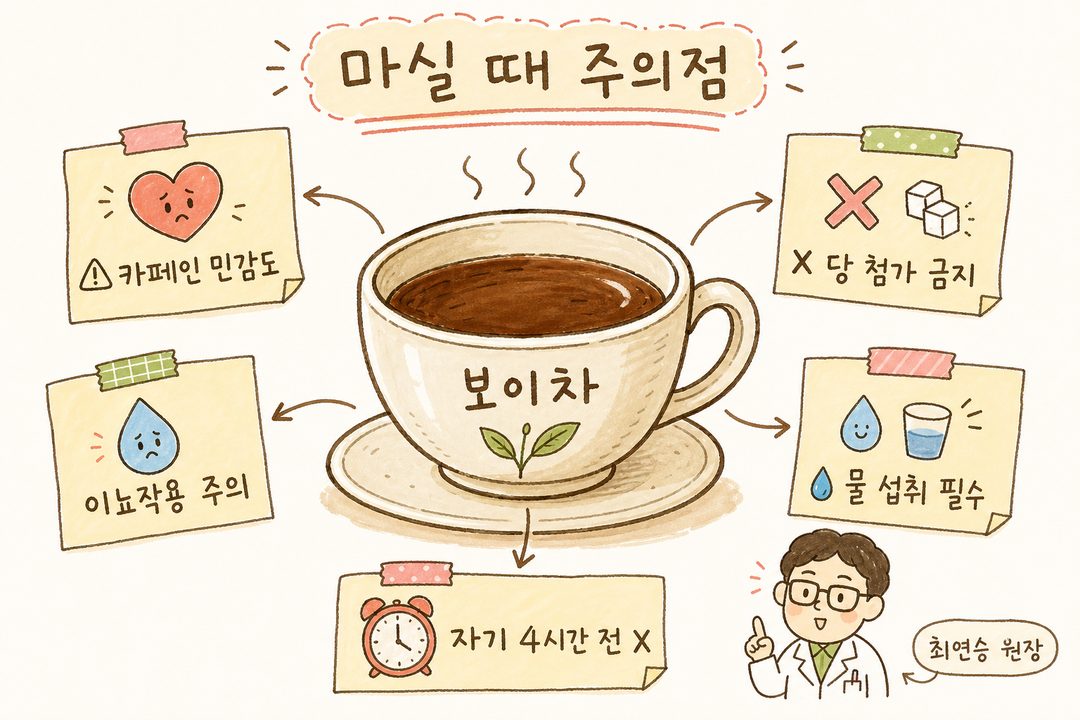
Precautions When Drinking
Pu-erh tea contains caffeine. Like green tea or yerba mate, excessive consumption can cause heart palpitations or insomnia. Those sensitive to caffeine, pregnant or nursing women, and people with sensitive stomachs should limit intake or adjust timing.
Adding sugar reduces its weight management benefits. Many people drink sweetened commercial pu-erh beverages daily while claiming to be "on a pu-erh diet," but they're essentially consuming sugary drinks. Choose unsweetened versions.
Finally, tea has diuretic effects and shouldn't replace water. Be sure to drink plain water separately.
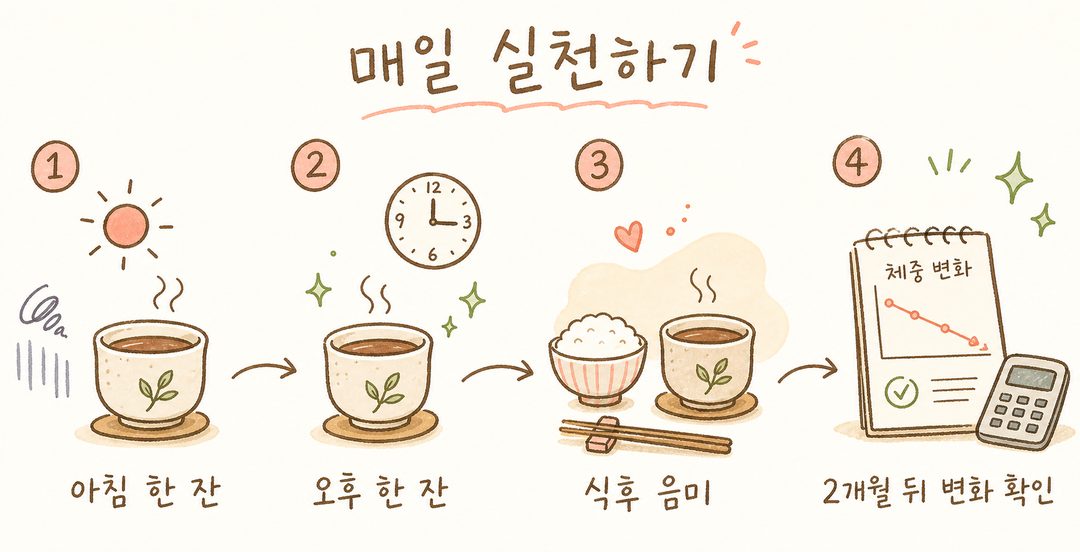
Practical Tips You Can Start Today
Drink 3-4 cups daily, unsweetened, spread throughout the day. One cup after meals is ideal.
Avoid drinking 4-5 hours before bedtime due to caffeine. Focus on morning to afternoon consumption.
Don't rely solely on pu-erh—combine it with diet control and exercise. The study combined it with dietary changes.
If you experience severe bloating or frequent swelling, consider a constitution assessment in addition to drinking pu-erh.
Track your condition and weight changes over 1-2 months to determine if it suits you.


In Conclusion
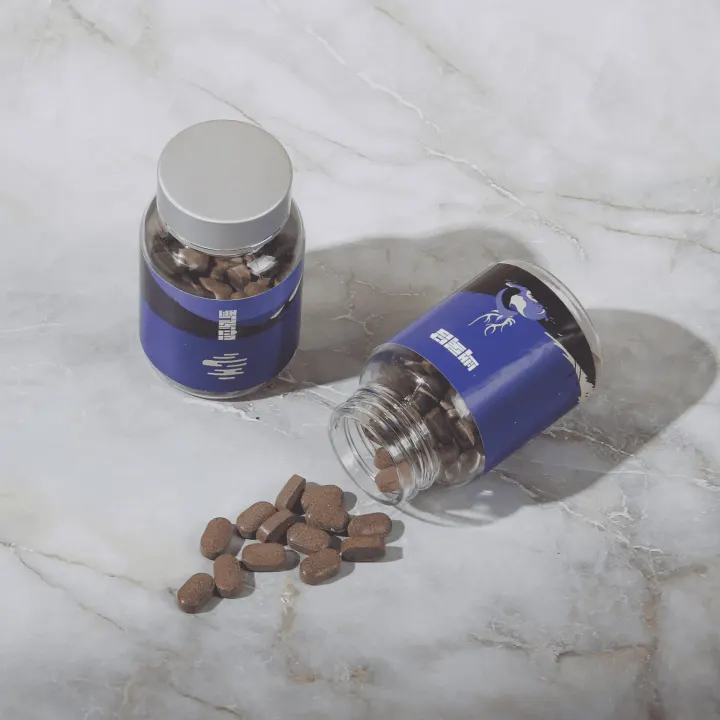
Pu-erh tea isn't the star of weight management but rather a reliable supporting player. Its gallic acid modestly inhibits fat absorption while aiding visceral fat and cholesterol management. While it won't magically melt away pounds, it's a valuable tool for refining eating habits. If you're struggling despite dietary changes or experiencing swelling and digestive issues, a constitution-based approach may help. At Baekrokdam Korean Medicine Clinic, Baekrok Gambi-jung offers personalized weight management by considering your constitution and lifestyle. Don't struggle alone—schedule a consultation today.