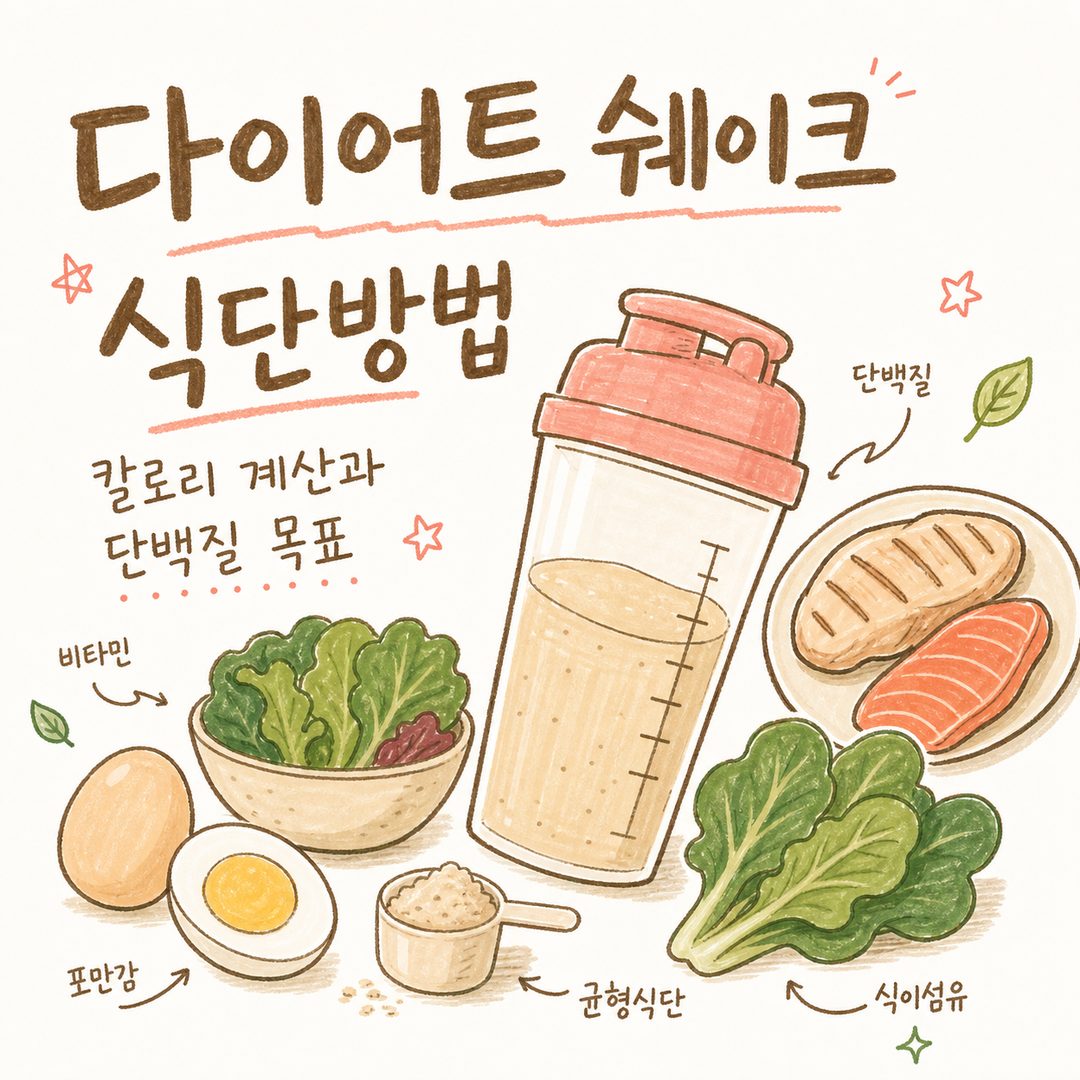
Diet Shake Meal Plan: Calorie & Protein Guide

Table of Contents
Many patients skip breakfast, have only a shake for lunch, then overeat at dinner. When they ask 'Why is this harder after switching to shakes?' the issue is usually not the shake itself, but how it's being used.
Why Shake-Only Diets Often Fail
Diet shakes are formulated meal replacements designed to provide fewer calories than your daily needs while supplying protein, vitamins, and minerals. However, many people think "Since shakes are low-calorie, more must be better." Research shows that consuming only shakes for 3-4 days is not recommended for health. While you may lose weight initially, the severe reduction in calories, fiber, and fat increases the risk of rebound weight gain and binge eating.
The key is simple: There's no magic product that "melts" fat. Total calorie intake and lifestyle habits determine results. Merely switching to shakes without addressing calorie control, exercise, sleep, and stress management yields limited benefits. I often see patients who started with similar concerns looking more exhausted after just one month.
Know Your Numbers Before Choosing Products
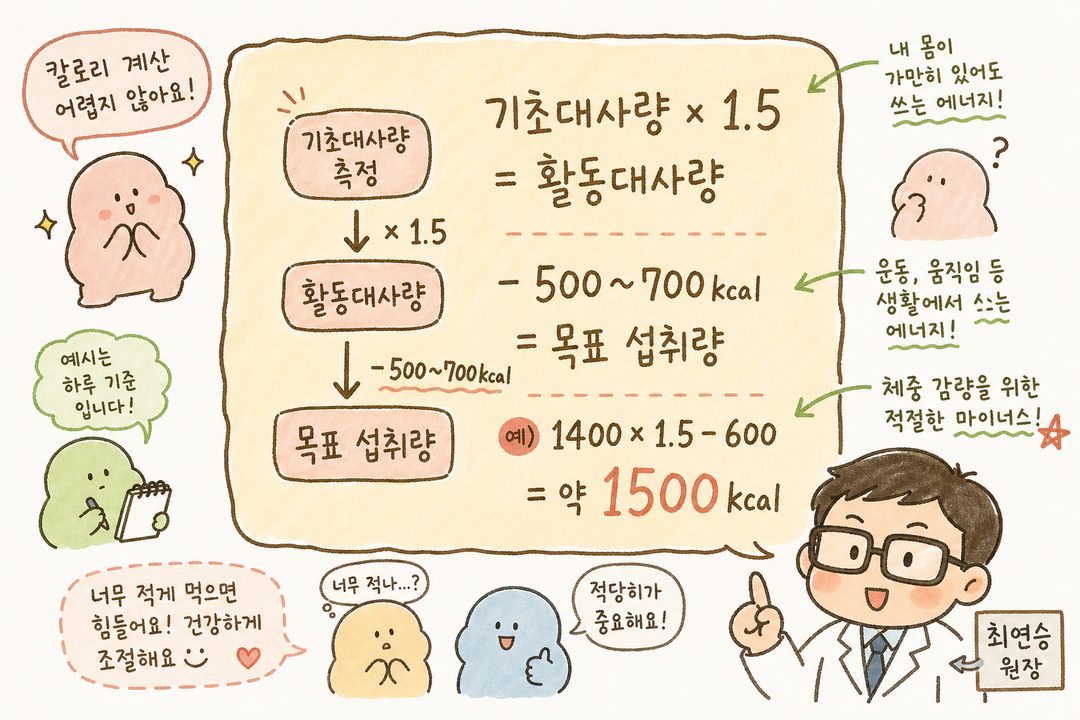
Before selecting a shake product, you need to know your numbers. One resource recommends checking your Basal Metabolic Rate (BMR) using body composition analysis or at a public health center, then multiplying by 1.5 to estimate your Total Daily Energy Expenditure (TDEE). For example, if your BMR is 1400kcal, your TDEE would be approximately 2100kcal.
For weight management, subtract 500-700kcal from this number to set your target intake. In the example above, this would be 1400-1600kcal per day.
You should also set a protein goal. To minimize muscle loss during weight management, 1.2-1.5g per kg of body weight is typically recommended. For a 60kg person, this means 72-90g of protein daily. The remaining calories should come from carbohydrates and fats, generally focusing on complex carbs and unsaturated fats while reducing sugar and saturated fats.
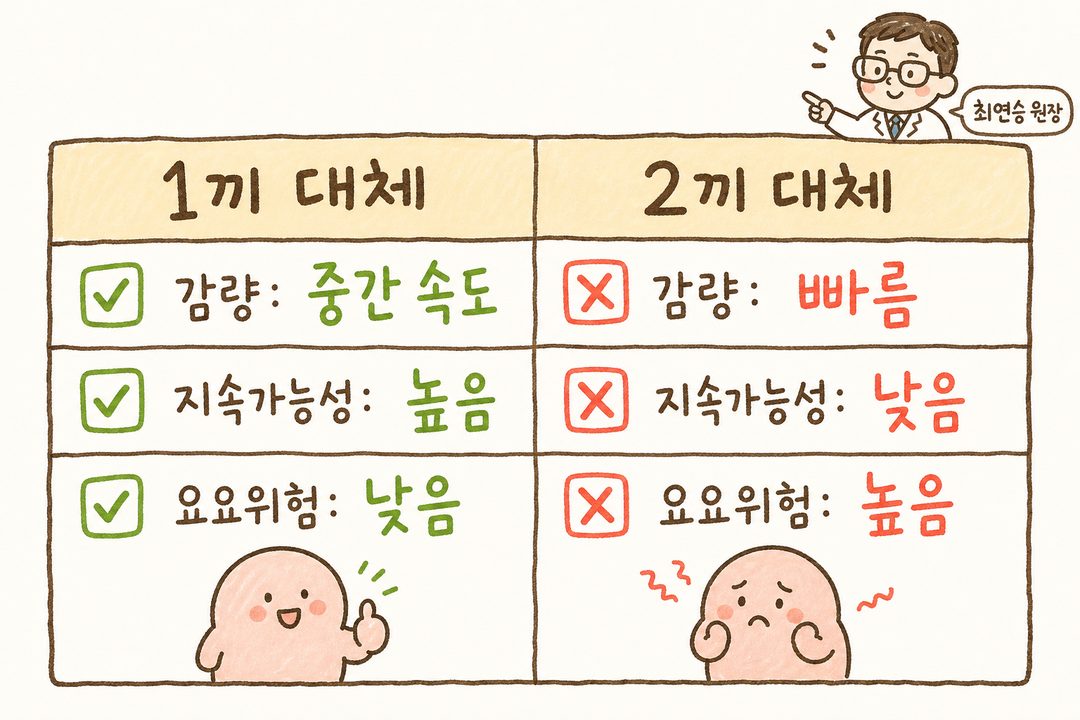
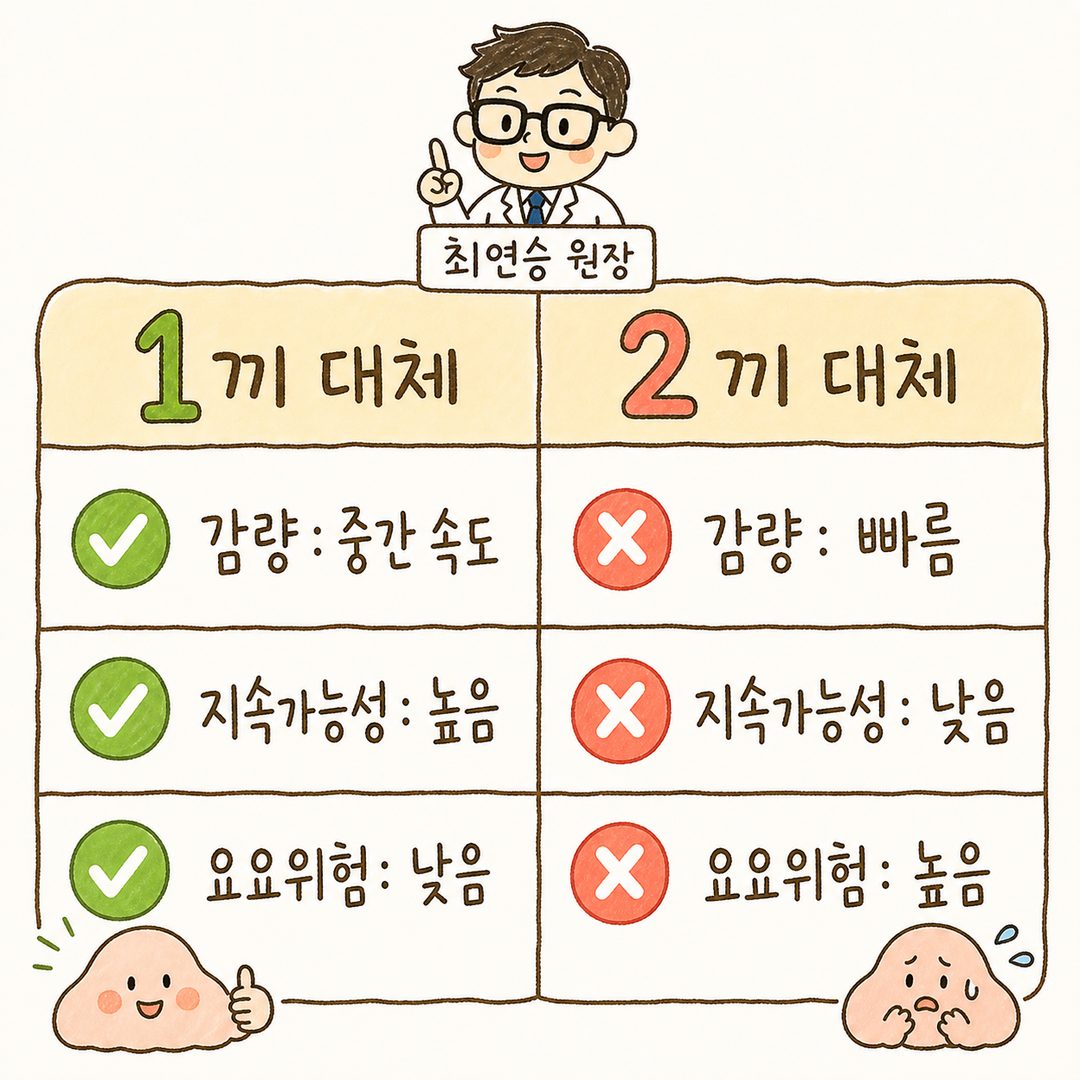
1-Meal vs 2-Meal Replacement: What's the Difference?
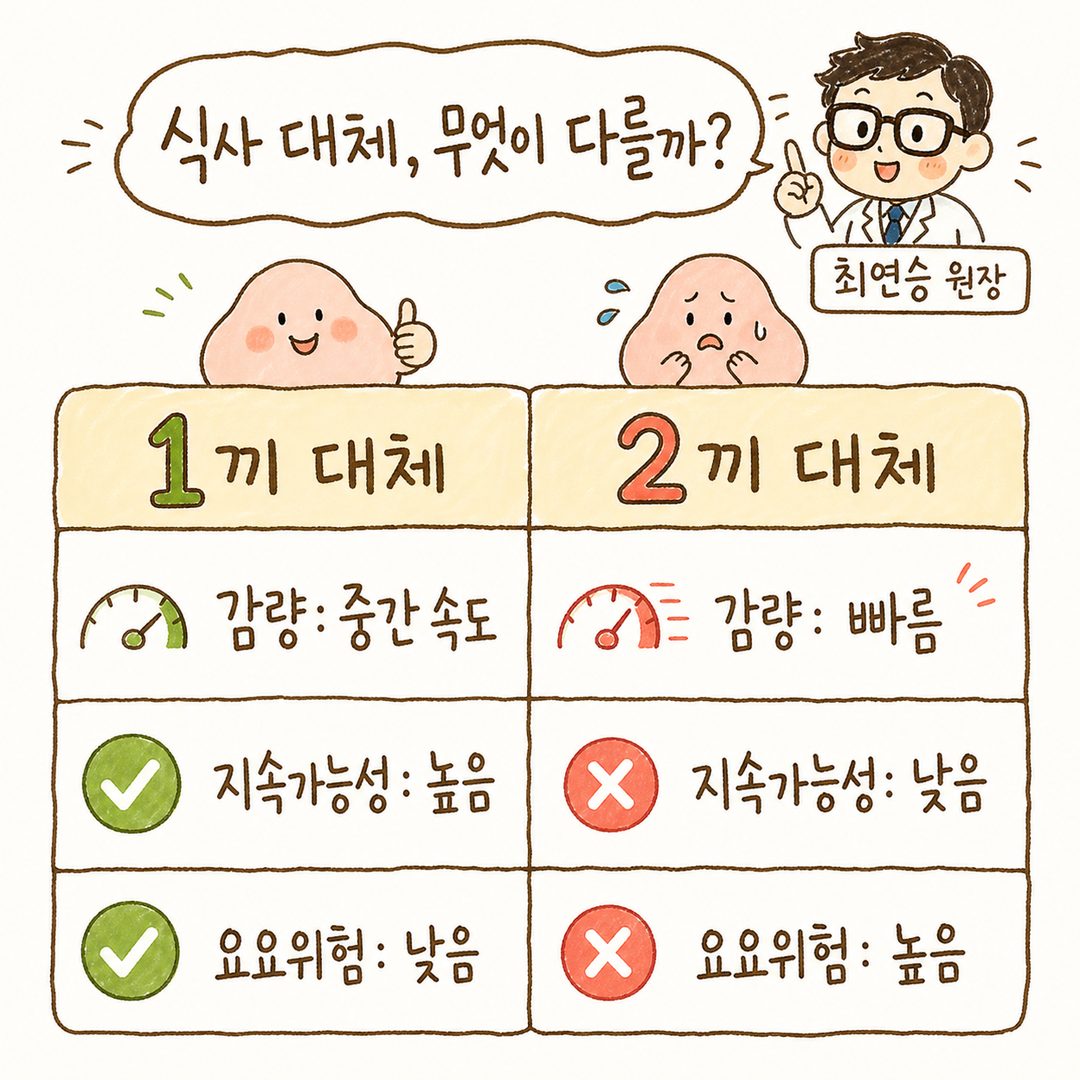
The most commonly recommended pattern in our clinic is one meal replacement per day. This involves having a shake (200-250kcal) for breakfast and controlling portions for lunch and dinner. This approach is relatively sustainable and has a lower risk of rebound. Have a shake on your way to work, then have lunch and dinner as usual, just reducing the amount of white rice.
Some people opt for two meal replacements daily. Some diet programs structure two shakes and one regular meal per day. While initial weight loss may be faster, as mentioned earlier, the severe reduction in calories, fiber, and fat increases the risk of rebound and binge eating. I have several patients who return after two weeks of two-meal replacement due to evening binge eating.
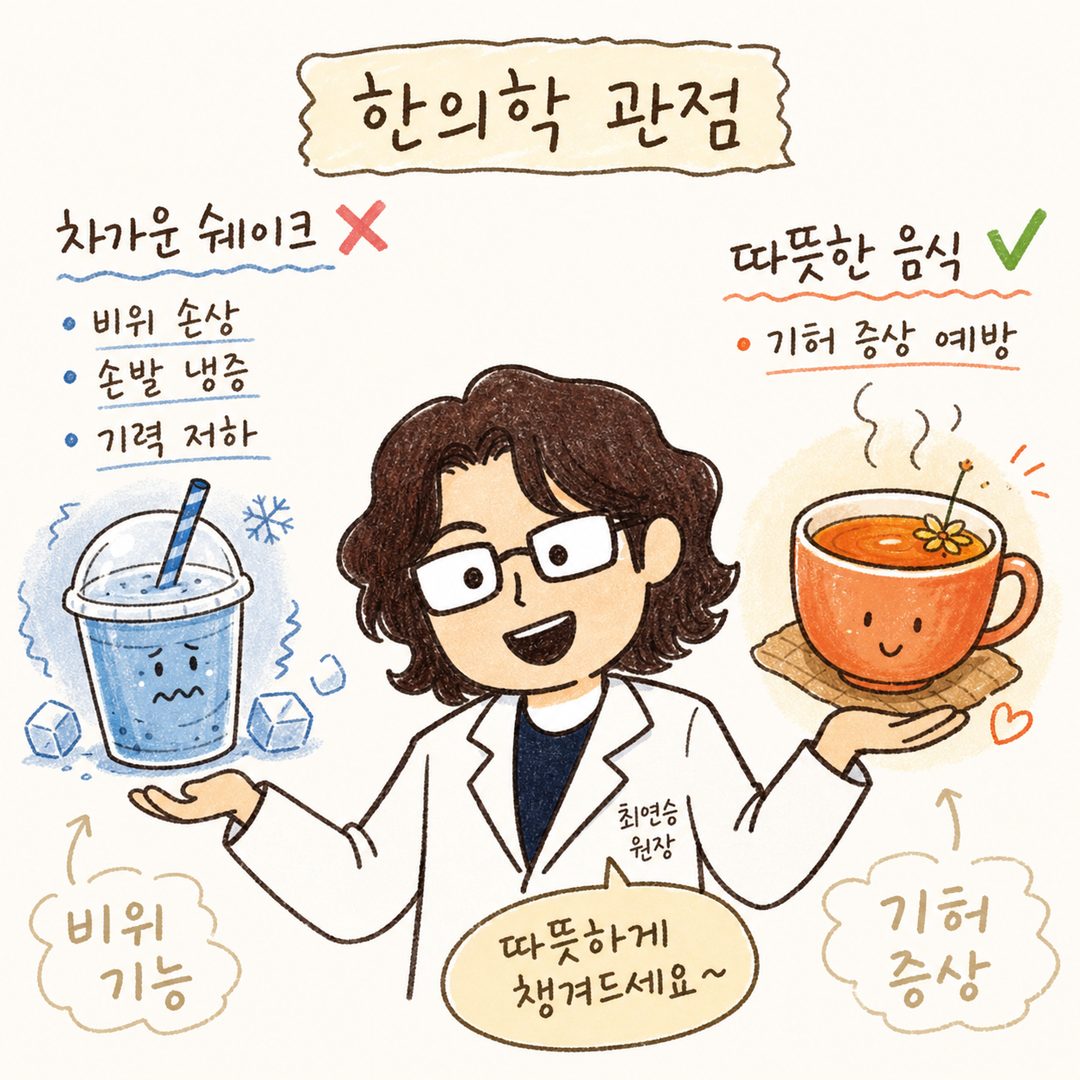
The Baekrokdam Korean Medicine Perspective on Shake Diets
In Korean medicine, spleen-stomach function is crucial. Some people experience bloating or chest tightness when drinking cold shakes on an empty stomach daily - a common reaction in those with weak digestive constitutions. In such cases, we recommend letting the shake reach room temperature or consuming it slowly with warm tea.
Simply reducing calories can easily lead to qi deficiency symptoms: cold hands and feet, low motivation, and dizziness. This is why it's essential to maintain protein intake at 1.2-1.5g/kg. The goal of Korean medicine weight management is to lose weight while preserving vitality. Rather than relying solely on shakes, we recommend keeping one regular meal tailored to your constitution and digestive capacity.
Criteria for Choosing Shake Products
Resources recommend that meal replacement shakes (approximately 200-250ml per serving) contain at least 15-20g of protein. Less protein reduces satiety and increases muscle loss risk. Some protein shakes are very low-calorie (80-120kcal per serving when mixed with water) - these are better suited as snacks or post-workout supplements rather than meal replacements.
Checklist for ingredient labels:
At least 15-20g protein per serving
Contains dietary fiber (for satiety and preventing constipation)
Not excessively high in sugar
Includes comprehensive vitamin and mineral supplementation
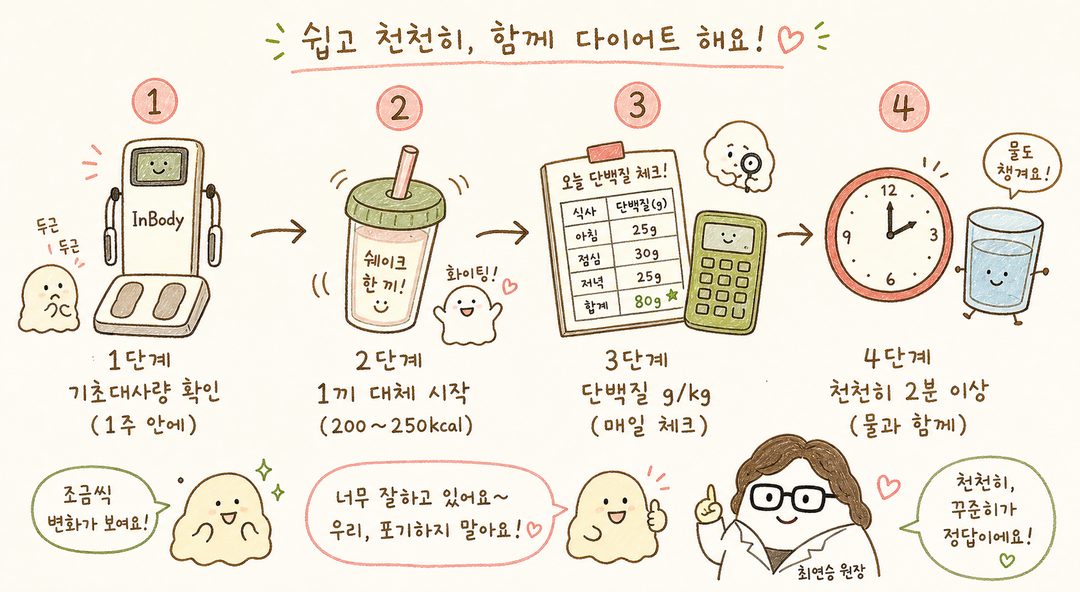
Actionable Starting Points
Small actions matter more than grand plans. Here are four basic recommendations I give patients:
Check your BMR at a body composition analysis center or public health center (within 1 week)
Start with one meal replacement per day; limit two-meal replacement to short periods
Meet daily protein goal of 1.2-1.5g/kg
Drink a glass of water with your shake, consuming it slowly over 2+ minutes
Adding just 25% more light walking can increase your TDEE. Remember, shakes are just tools - how you use them determines results.
Conclusion
Shake diets can be effective tools for reducing burden when used correctly, but approaching them with the expectation that "this alone will make me lose weight" often leads to rebound. The safest approach is to set your calorie and protein goals, start with one meal replacement, and adjust according to your constitution and digestive capacity.
If calorie counting feels overwhelming or you experience binge eating and low energy on a shake diet, consider a Baekrok Gambi-jung consultation for personalized Korean medicine weight management. We'll review your diet and lifestyle together. We look forward to seeing you at Baekrokdam Korean Medicine Clinic.