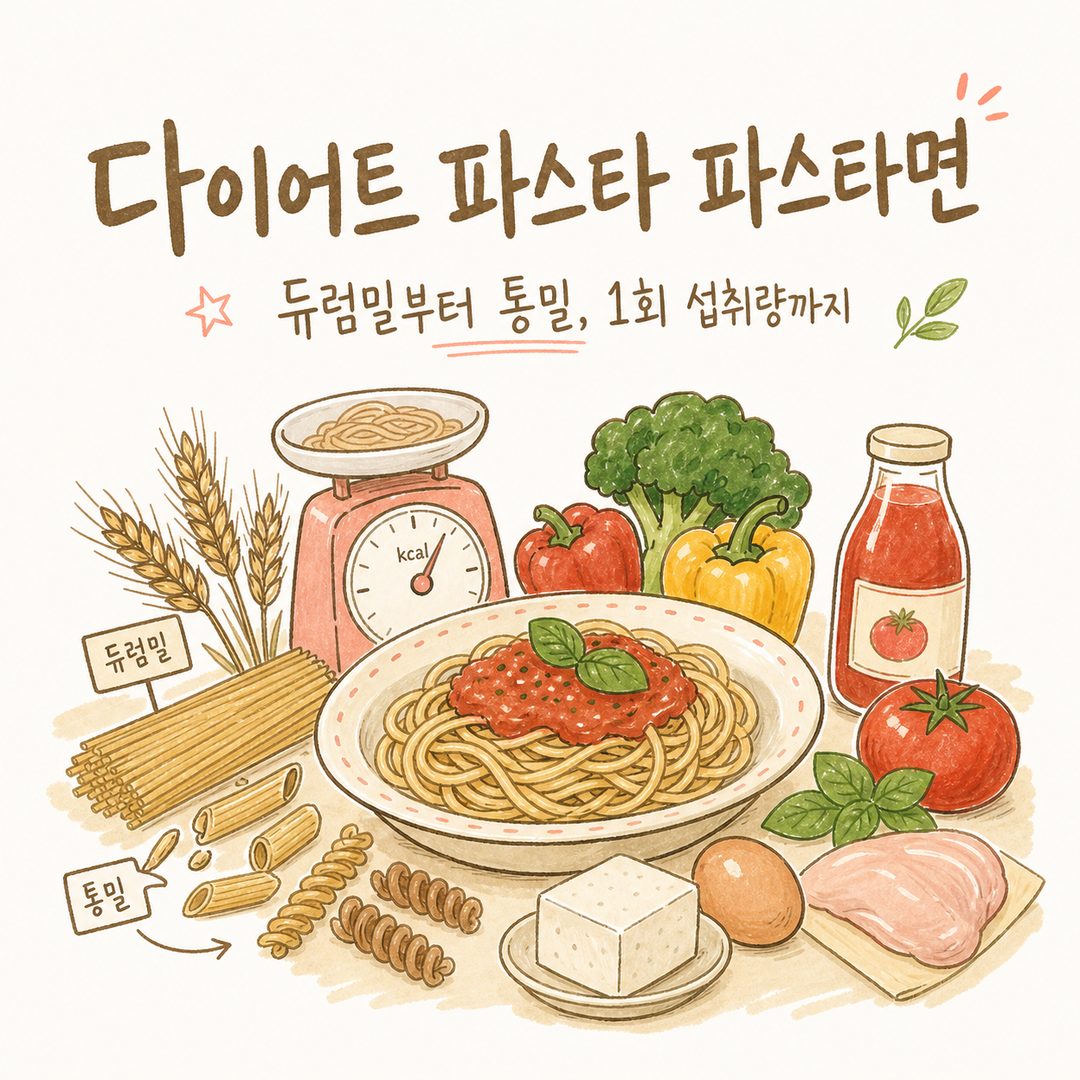
Diet Pasta Guide: From Durum to Whole Wheat

Table of Contents
Are you craving pasta while dieting and feeling guilty about it? In our clinic, I often hear patients ask, "Doctor, can I really not eat pasta at all?"

Is Pasta Really Incompatible with Dieting?
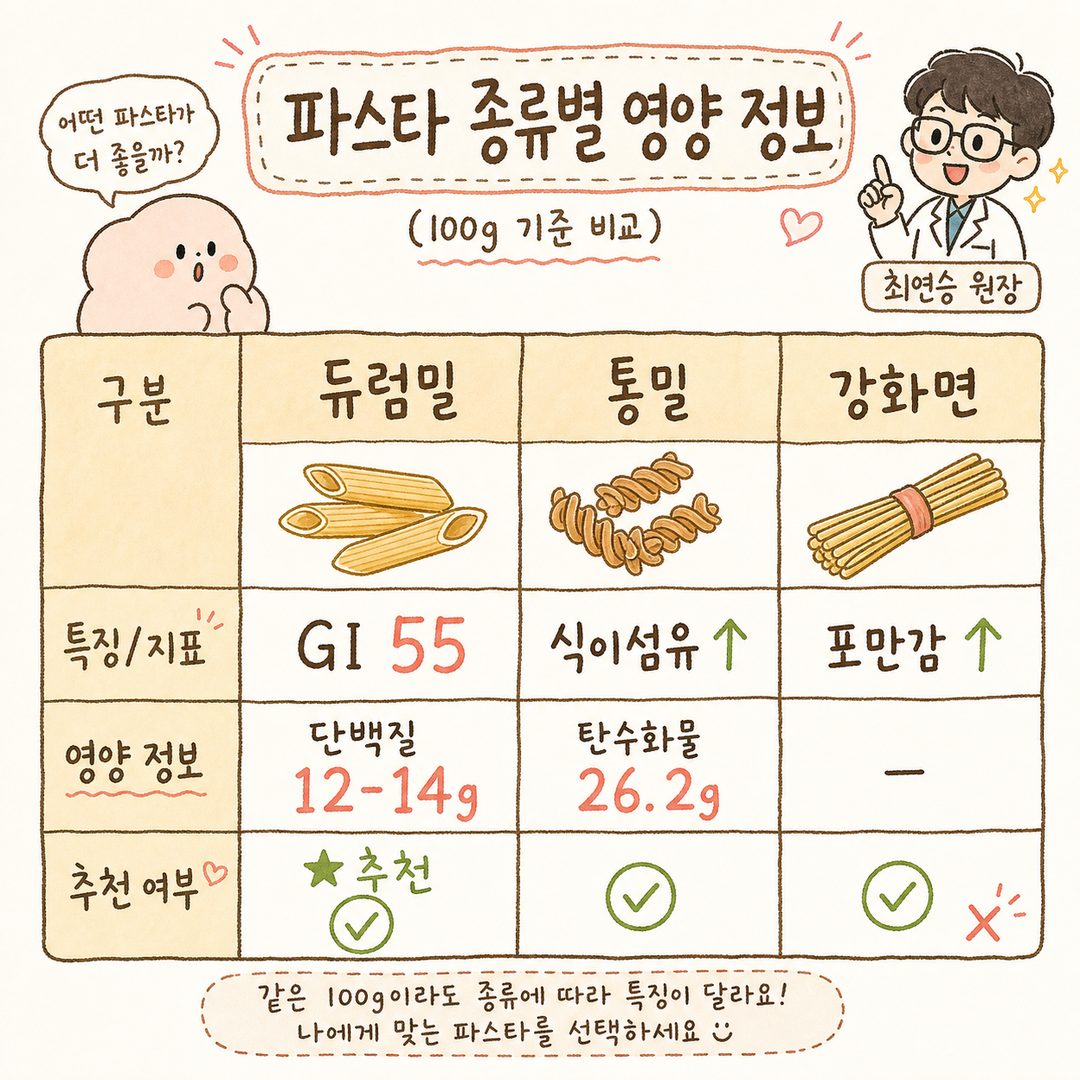
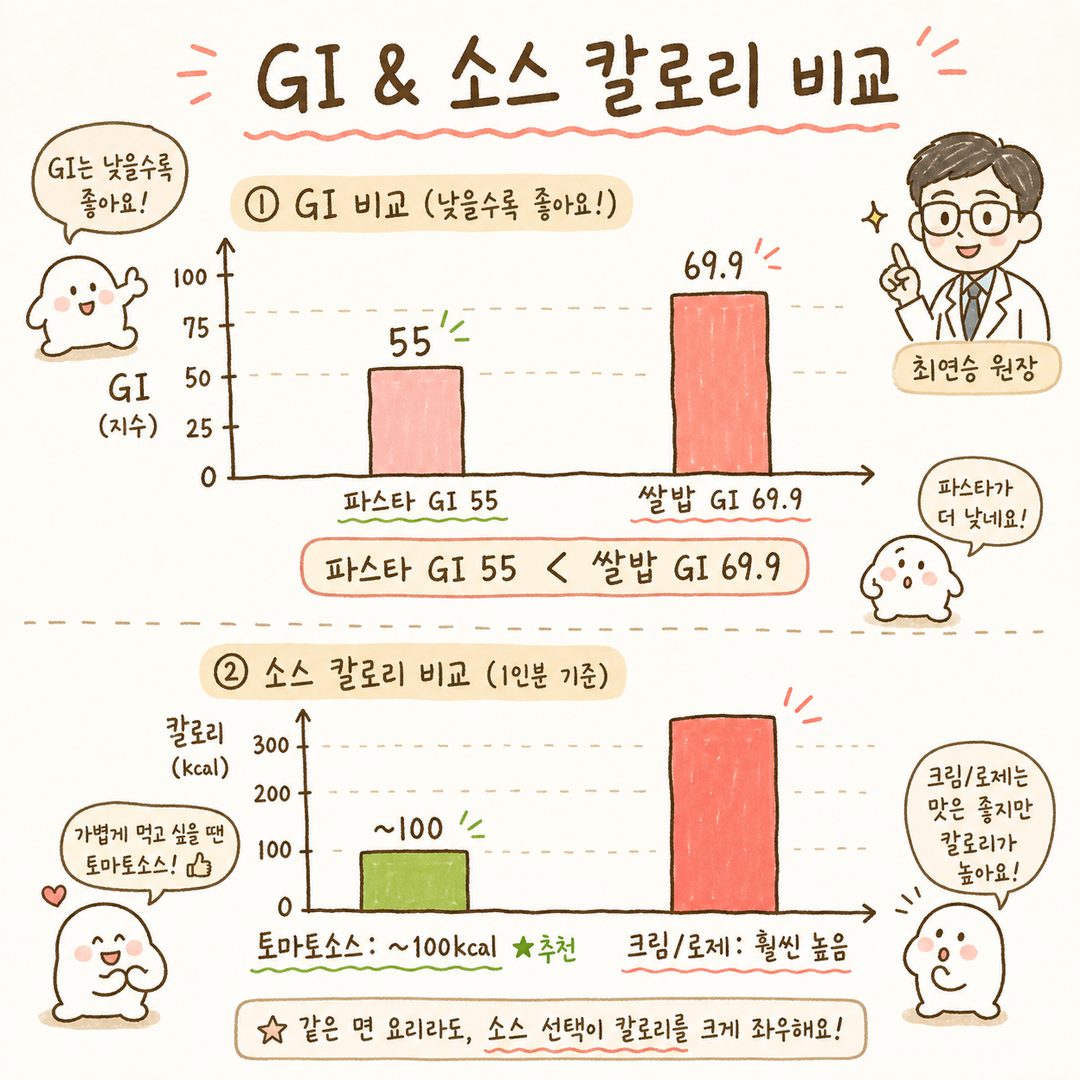
Let me give you the answer first: Pasta itself is a perfectly acceptable carbohydrate choice for weight management. According to nutritional data, durum wheat pasta contains approximately 70-73g of carbohydrates and 12-14g of protein per 100g. What's interesting is the glycemic index (GI). Regular durum wheat pasta has a GI of about 55, which is about 80% of white rice's GI of 69.9, meaning it raises blood sugar more slowly.
When patients ask, "Can I occasionally substitute rice with pasta?" I respond, "It's fine as long as you choose the right type of pasta, portion size, and sauce." However, there's one thing to note: pasta is still a refined carbohydrate. This doesn't mean "pasta won't make you gain weight," but rather that you can include it in your diet if you choose the right type, portion, and preparation method.
Recommended and Discouraged Pasta Types for Weight Management
Nutritional data often mentions three main types of pasta for weight management:
Durum wheat semolina pasta — With a high protein content of about 12-14g per 100g and low GI, it's considered the standard for 'pasta dieting.'
Whole wheat pasta — Often recommended for its high fiber content, providing longer-lasting satiety and more gradual blood sugar rise. Some data shows whole wheat pasta contains about 26.2g of carbohydrates and 4g of protein per 100g, making it a lighter carbohydrate option than regular pasta.
Fiber-enriched diet noodles — Products specifically designed to enhance satiety.
On the other hand, be cautious with highly refined regular wheat flour noodles and products where you might increase portions just because of a "low-carb" label. Even with good labels, eating 200g per serving can be disadvantageous for weight management.
Sauce Choice Determines the Calorie Count
No matter how well you choose your pasta, heavy sauces can quickly increase the meal's total calories. Nutritional data often recommends olive oil-based pasta, tomato-based sauces, and vegetable-centered sauces for weight management. Some sources show that tomato sauce contains about 100kcal per 120g, making it relatively light.
Sauces like cream, rose, and meat sauce that contain high amounts of fats and processed meats are a different story. They can easily cause a meal's calorie count to skyrocket. The same pasta can become a completely different meal just by changing the sauce. Many patients in our clinic report, "Just cutting out cream pasta made a noticeable difference."
Portion Size: Where the Real Difference is Made
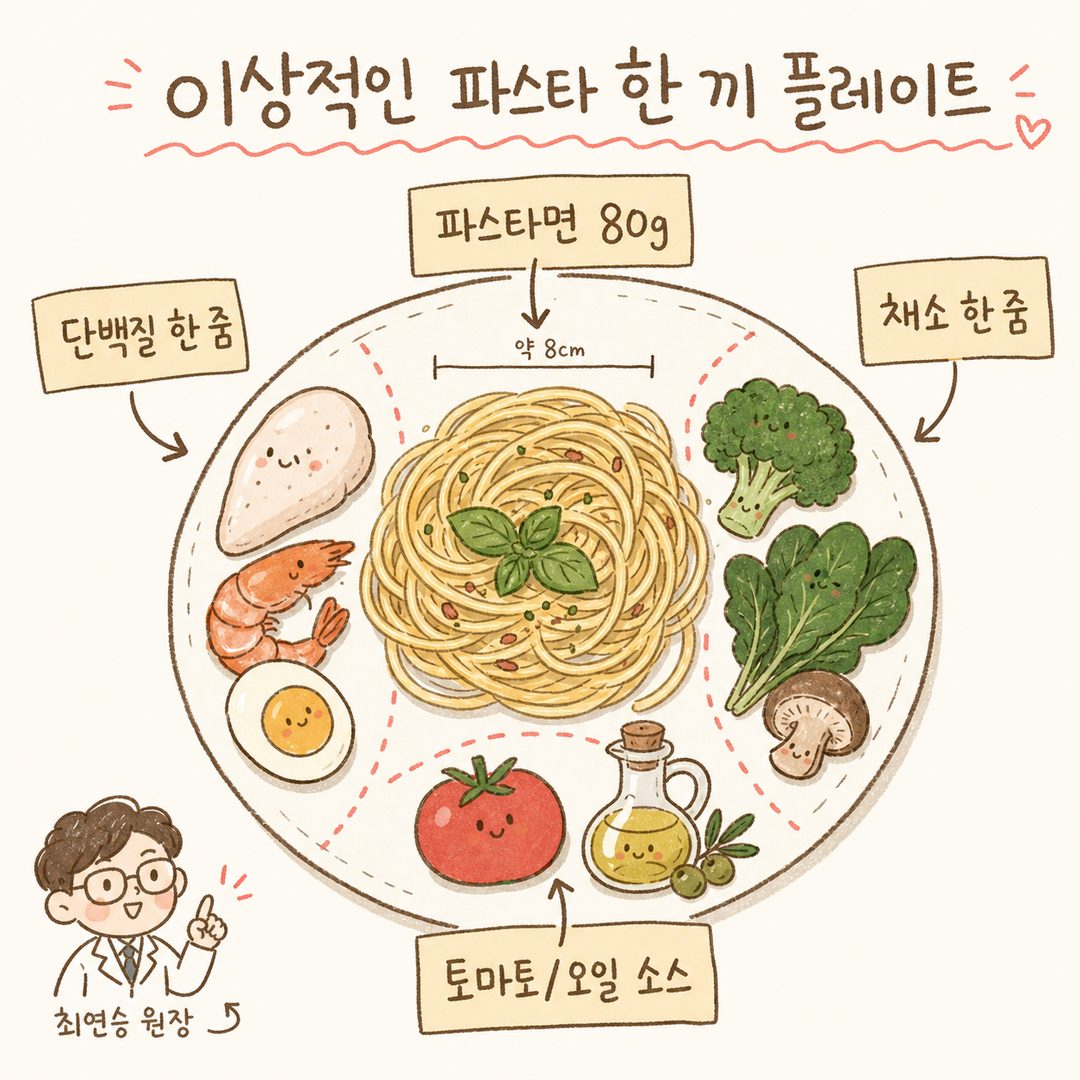
After pasta type and sauce, portion size is crucial. Nutritional data commonly recommends about 80g of dry pasta per meal. If you cook 200g of pasta per serving, weight loss will be difficult even with durum wheat pasta.
During patient consultations, I always check pasta portions first. When someone who usually eats nearly 200g reduces to 80g and fills the rest with chicken breast or vegetables, the same 'bowl of pasta' becomes completely different. If reducing portions leaves you feeling unsatisfied, add plenty of protein and vegetables alongside your pasta. That's the key.

Baekrokdam Korean Medicine Clinic's Perspective
In our weight management practice, we always emphasize "sustainable diet" over "restrictive diet." I often see patients who decide to give up pasta forever. They might last a few days, but when they break, it often leads to binge eating. As someone who's been through similar struggles, I understand this all too well.
From a Korean medicine perspective, we don't just look at calories. We also consider digestive capacity and constitution. For those who often feel bloated or gassy, refined wheat pasta can be burdensome. These individuals might find whole wheat pasta with higher fiber content easier on the stomach. Conversely, those with sensitive stomachs who find whole wheat challenging might start with small portions of durum wheat semolina pasta.
When you find the right carbohydrate frequency for your constitution, herbal prescriptions for appetite and edema control become more effective. It's not about strict elimination but finding a sustainable balance that works for your body.
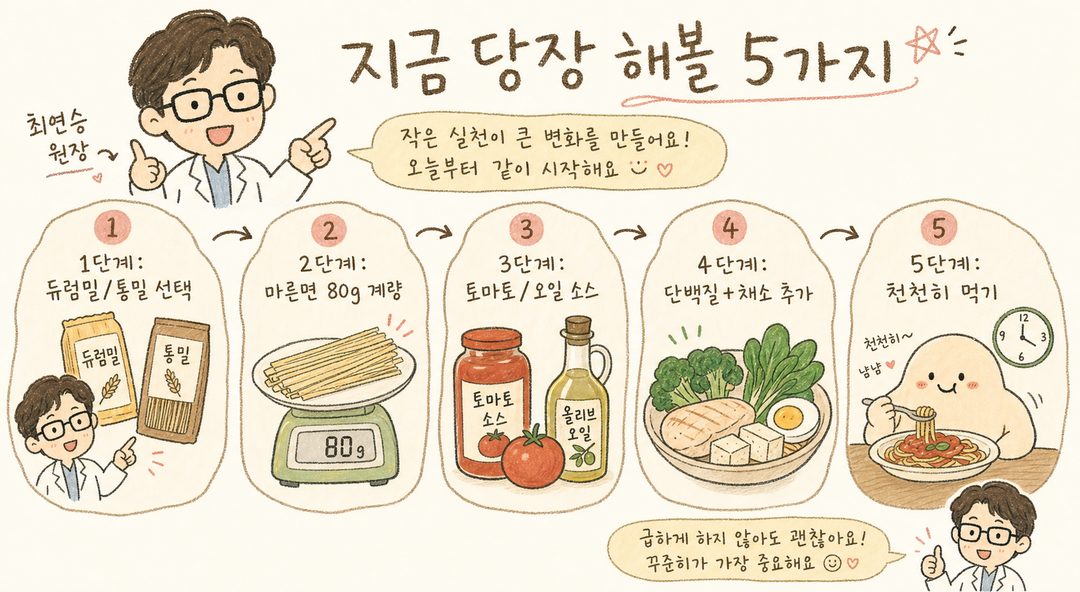
Actionable Tips You Can Try Today
If you're craving pasta tonight, check these points:
Choose durum wheat or whole wheat pasta
Measure about 80g of dry pasta before cooking
Opt for tomato-based or olive oil-based sauces, limiting cream/rose/meat sauces to 1-2 times per week
Add a handful of protein (chicken breast, shrimp, eggs) and vegetables (broccoli, spinach, mushrooms) to your pasta bowl
Eat slowly — you'll feel fuller with the same amount when you take your time
Weight management isn't about overnight transformation. It's about accumulating small daily adjustments. Remember, pasta can fit into this daily routine without causing problems.
If you're struggling with weight loss despite following the same diet or having difficulty controlling your appetite, consider having your constitution and digestive health evaluated. At Baekrokdam Korean Medicine Clinic, our Baekrok Gambi-jung and other constitution-based weight management programs help balance diet, lifestyle habits, appetite, edema, and digestion. Even pasta lovers can create a sustainable, long-term diet without extreme restrictions. Feel free to contact us for a consultation.