
Types of Korean Herbal Diet Medicine: Ingredients & Forms

Table of Contents
- Key Ingredients: More Important Than Standard Classification
- The Role of Ephedra: The Key to Metabolism and a Note of Caution
- Various Supporting Herbs for Weight Loss
- Differences in Formulations for Convenience
- Standards for Safe Weight Loss from a TKM Doctor
- Checkpoints When Choosing Korean Herbal Diet Medicine
When consulting with patients in the clinic, I often hear a very common question: "Director, what are the different types of Korean herbal diet medicine?" While there are many names on the market, I believe what is inside and the ingredient concentration are far more important than the name itself. Today, I will calmly explain what Korean herbal diet medicine is and how its ingredients are formulated.

Key Ingredients: More Important Than Standard Classification
People often think of these in rigid categories like "Type A" or "Type B," but in reality, there is no standardized "type classification." Instead, it is much more important to identify the key ingredients and how the dosage and duration are determined.
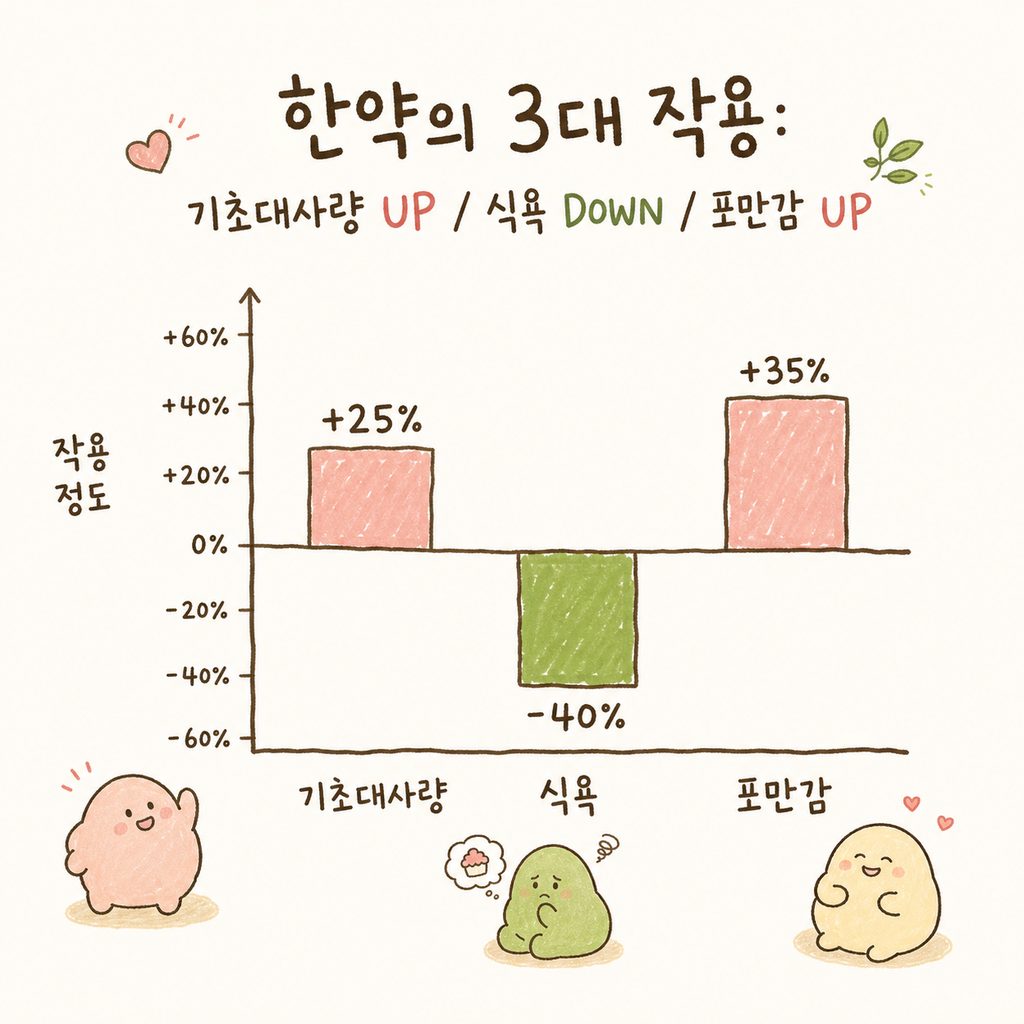
In Traditional Korean Medicine, a diet/weight management prescription is designed to suppress appetite and boost the basal metabolism. According to data from Kormedi, Korean herbal diet medicine generally works in three ways. First, it increases heat production to raise the metabolism. Second, it stimulates the sympathetic nervous system to reduce appetite and create a state of alertness. Finally, it helps you naturally eat less by inducing a feeling of satiety more quickly. The central ingredient in these three processes is Ephedra (Ma-hwang).
The Role of Ephedra: The Key to Metabolism and a Note of Caution
The biggest criterion for distinguishing types of Korean herbal diet medicine is whether or not they contain Ephedra. The ephedrine found in Ephedra stimulates the sympathetic nervous system, increasing heart rate and blood pressure while boosting energy expenditure. This is why patients feel less hungry and experience a faster weight loss approach.
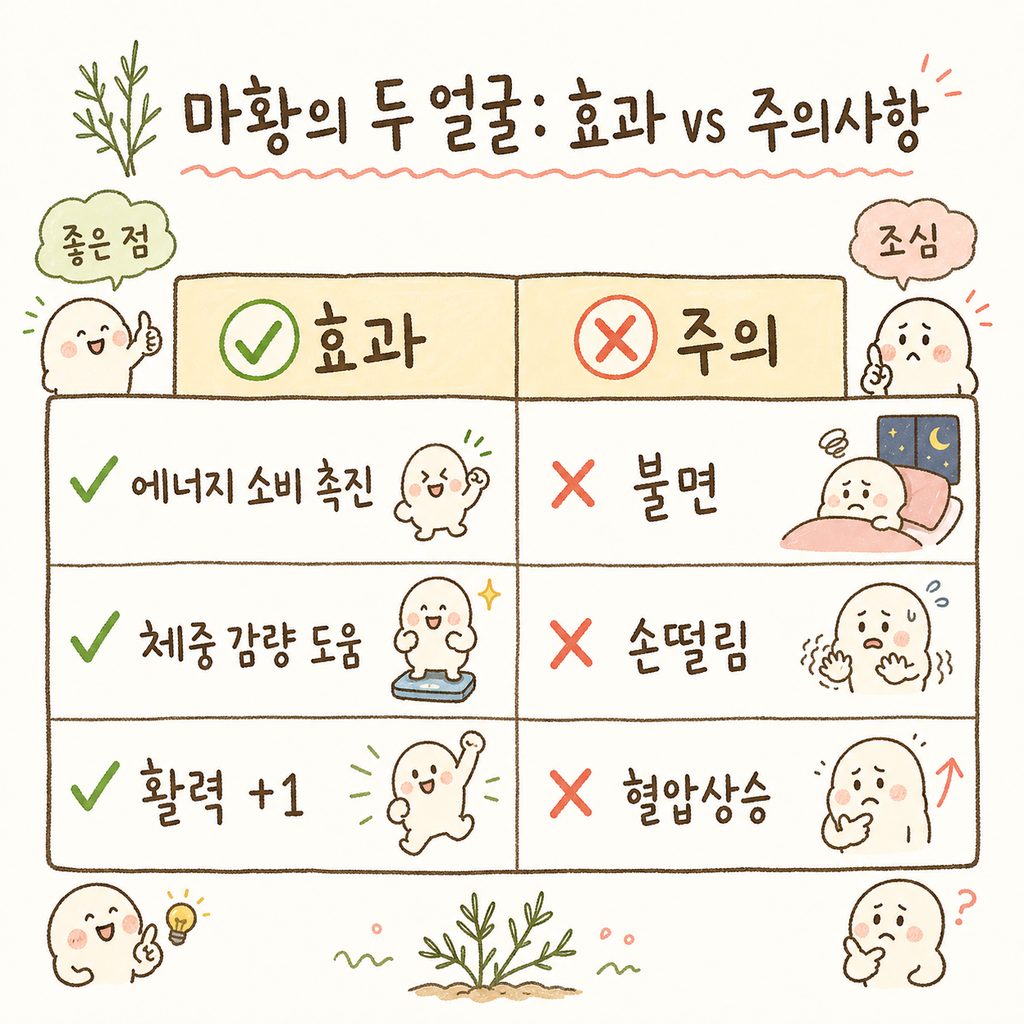
However, Ephedra is a double-edged sword. If used too strongly or if it does not suit one's constitution, it can cause sensitivity, insomnia, or hand tremors. In severe cases, there are reports of it causing vasoconstriction or raising blood pressure, putting a burden on the cardiovascular system. Therefore, the Society of Korean Medicine for Obesity Studies recommends a daily dosage of 4.5 to 7.5g for Ephedra-containing decoctions and suggests a maximum duration of 6 months. This is why I meticulously check each patient's condition and adjust the dosage precisely in the clinic.
Various Supporting Herbs for Weight Loss
Besides Ephedra, various other herbs are included depending on the purpose of the prescription. The combination changes based on whether the patient has severe swelling, constipation, or needs blood sugar management.
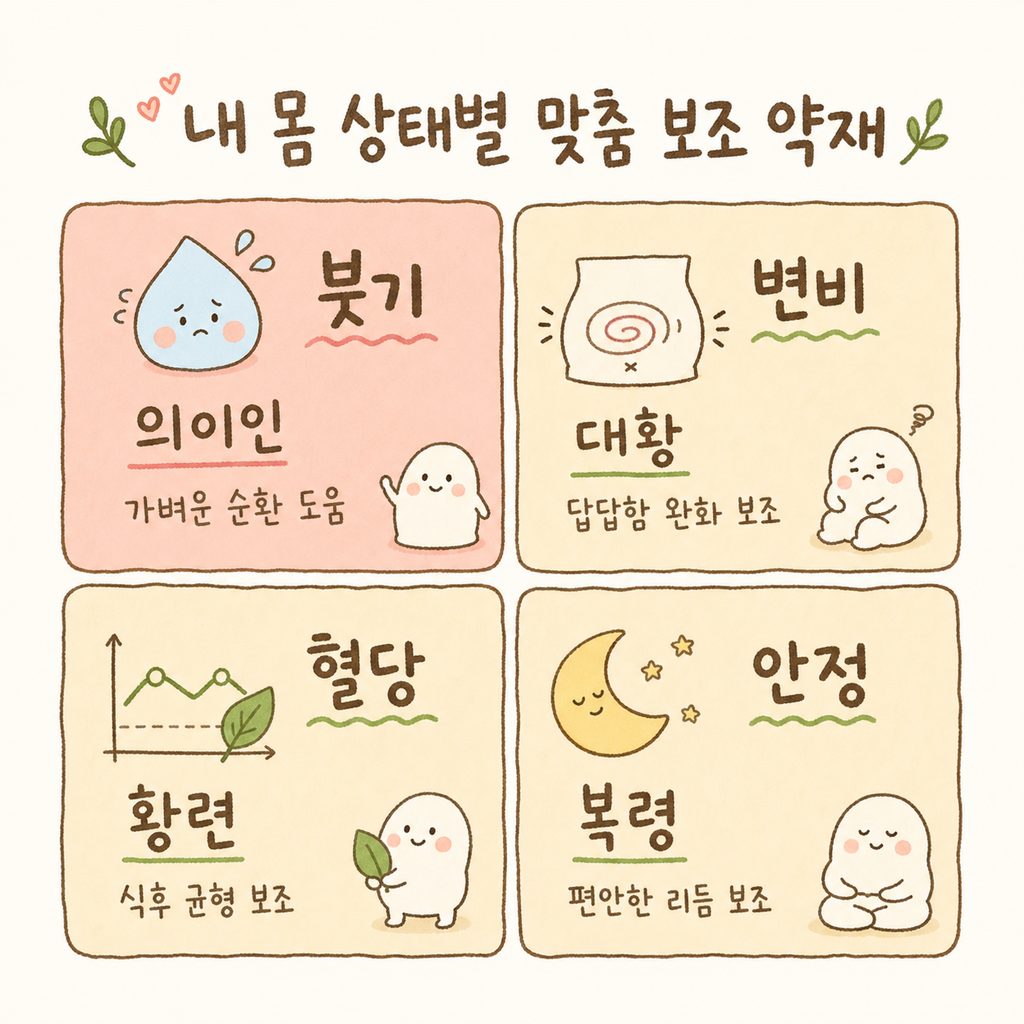
Coix Seed (Ui-in) is often used when swelling, water discharge, or appetite control is needed. Prepared Rehmannia Root (Suk-ji-hwang) may be added when water metabolism is slow, or to improve constipation and support blood sugar. Coptis Rhizome (Hwang-ryeon), which contains berberine to help with anti-obesity and blood sugar control, is also used.
Atractylodes (Baek-chul) and Alisma (Taek-sa) are sometimes added to aid digestion and reduce edema, while Peach Kernel (Do-in) and Rhubarb (Dae-hwang) are paired to stimulate bowel movements and relieve constipation. Poria (Bok-ryeong) and Gardenia (Chi-ja) are also useful herbs for calming the mind and improving insulin resistance. Thus, the real core is not "what kind of medicine" you take, but "which herbs were included to address what my body lacks."
Differences in Formulations for Convenience
Once the herbal composition is decided, the formulation can be chosen quite easily. These are generally divided into three types.
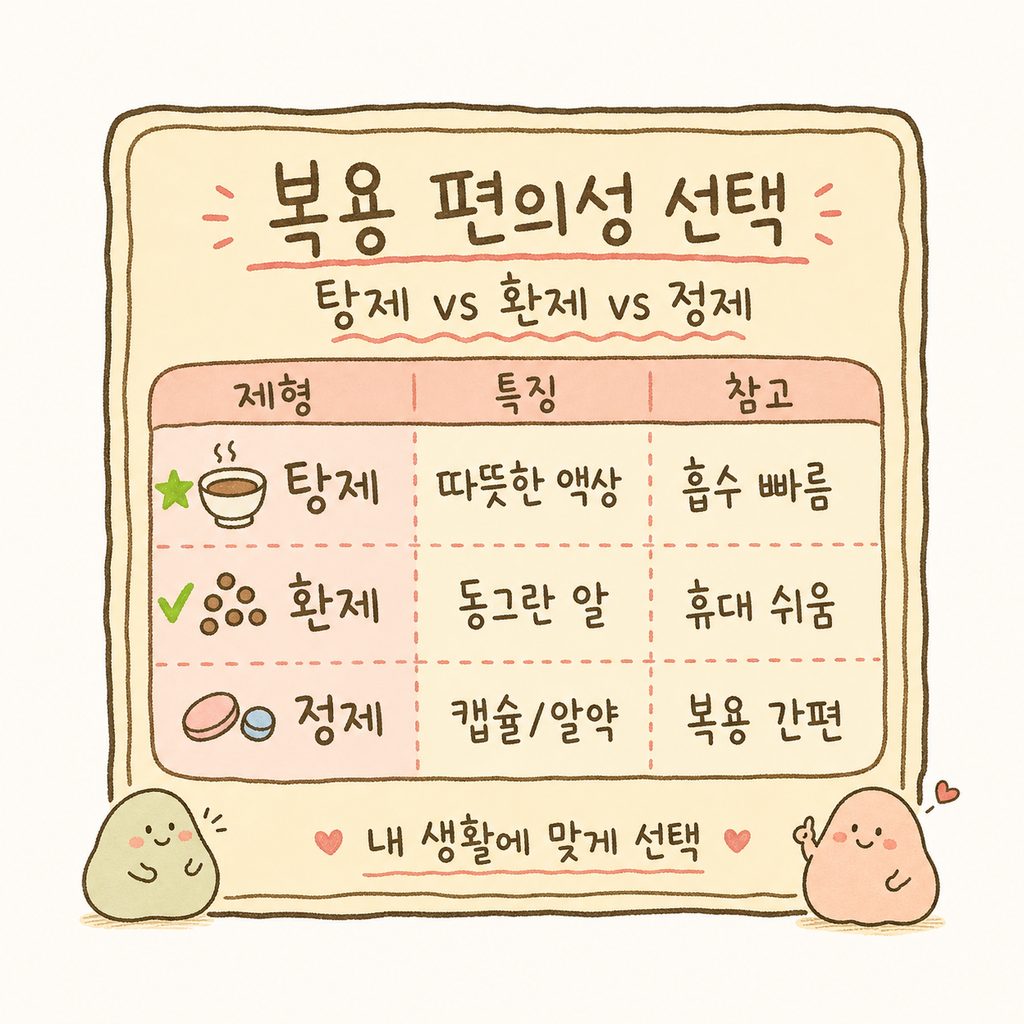
The most traditional is the decoction. Being liquid, it is absorbed quickly and can extract a generous amount of herbal ingredients. The pill (Baekrok Gambi-hwan) consists of medicine rolled into small round balls. Many prefer them because the taste is less noticeable, and they are easy to store and carry. The tablet form 錠 (Baekrok Gambi-jung) is very easy to take as a capsule or pill, and the dosage can be precisely controlled.
These days, as everyone is busy, more people are looking for pills or tablets rather than decoctions. Regardless of the formulation, the important thing is whether the ingredients inside match your constitution and current health status.
Standards for Safe Weight Loss from a TKM Doctor
In my practice, I always emphasize "sustainability" and "safety." Many patients want high-dose prescriptions out of a desire to lose weight quickly, but that is not the answer.
In fact, most studies on Korean medicine diet show a research period of around 3 to 4 months. In other words, there is not yet enough evidence regarding the safety or continued effectiveness of taking these medicines for over a year.
That is why, rather than simply using strong medicine, I first look at the patient's metabolism and psychological state. If they cannot sleep or experience excessive heart palpitations, the dosage must be lowered or the herbal composition changed. It should not just be a "weight loss drug," but a "prescription that helps the body metabolize healthily" to reduce the yo-yo effect and protect health.
Checkpoints When Choosing Korean Herbal Diet Medicine
Before coming in for a consultation, please check a few things. This will help you receive a much more sophisticated prescription.

First, check your sleep pattern. If you usually have insomnia or are sensitive, the Ephedra dosage must be handled very carefully. Next, look at your digestion and bowel habits. Depending on whether you have severe edema or suffer from constipation, the proportion of herbs like Coix Seed or Rhubarb will change.
Finally, it is good to clarify your purpose for taking it. Please let me know if you simply want to reduce the number on the scale or if you need help because you cannot control your appetite at all. Once we clarify this, I can prescribe a "customized type" of herbal medicine that perfectly fits your constitution.
Dieting is not just about eating less and moving more. It is a process of restoring the broken metabolism balance of your body. Rather than searching for information alone with a dizzy heart, I recommend starting by accurately assessing your body's condition with an expert.
With the Baekrok Gambi-jung program, you can expect more effective and healthy results through detailed adjustments tailored to your constitution. If you have any questions while considering today's talk, please feel free to mention them during your next visit. Let's find the healthiest path together.
References