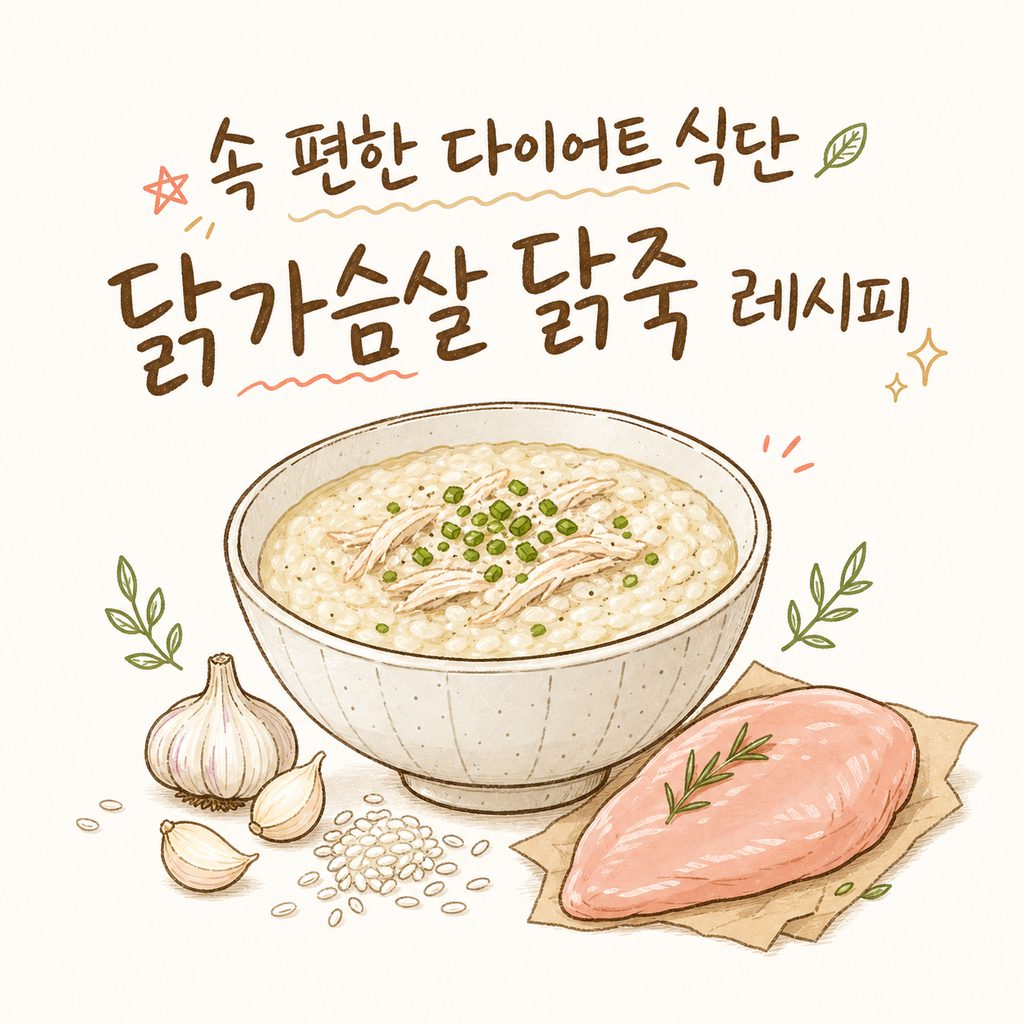
How to Make Chicken Breast Porridge: Recipe & Tips

Table of Contents
Many people struggle when they lose their appetite, feel unwell, or grow tired of dry chicken breast during weight management.
Why You Need Easy-to-Digest Protein Meals
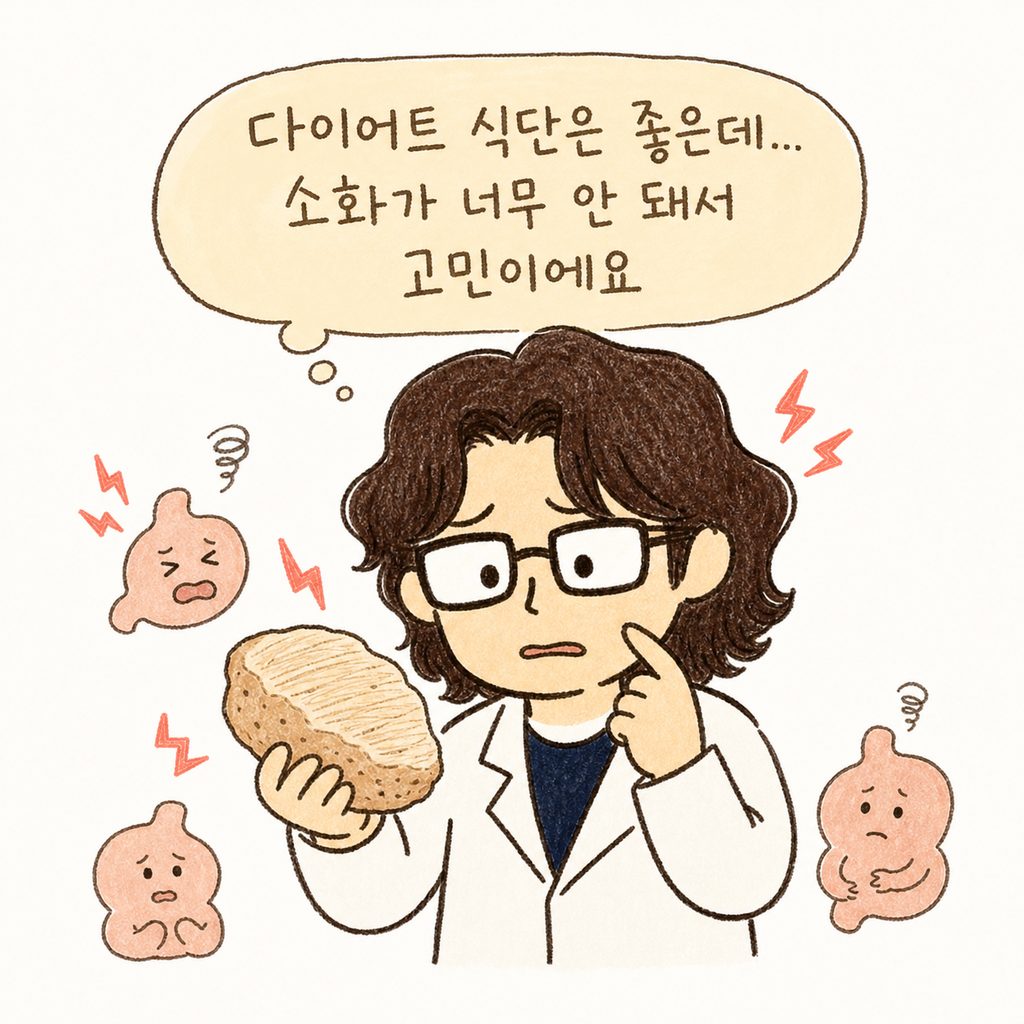
If you are on a diet or in a recovery period, you must first reduce the digestive burden. While chicken breast is an excellent protein source, the speed of digestion varies significantly depending on how it is cooked. Especially when the gastrointestinal tract is weakened, eating hard or tough foods can quickly lead to bloating and discomfort.
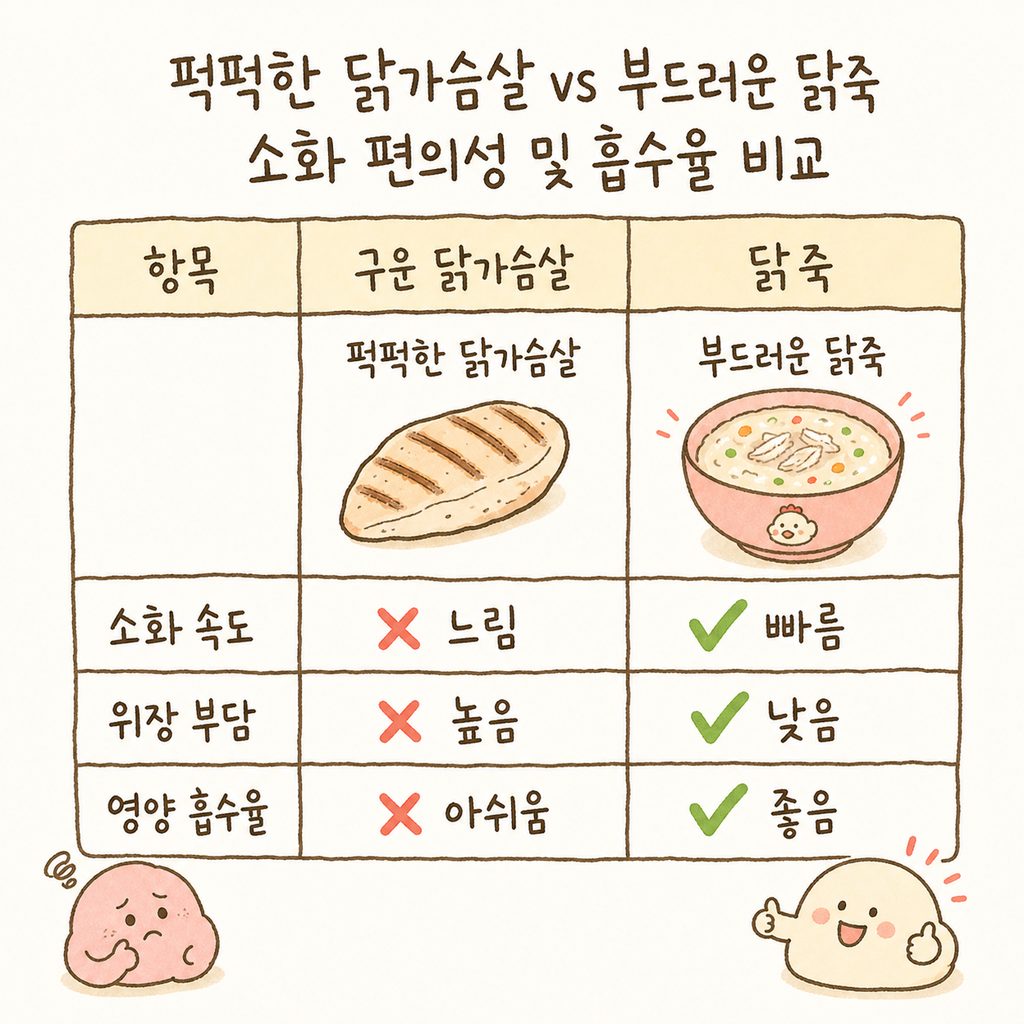
In such cases, chicken porridge (Dakjuk), made by simmering rice, vegetables, and chicken together, is a great alternative. By finely chopping the ingredients and boiling them thoroughly, the nutrient absorption rate increases while the burden on the stomach decreases.
Changes a Soft Diet Brings to Your Body
In the clinic, I often see patients who suddenly experience indigestion while strictly following a diet. In most cases, they overconsumed chicken breast to meet their protein goals without considering digestibility.
When I recommend porridge to these individuals, their eating satisfaction improves first, and they report feeling much more comfortable. As the number of chews decreases and water intake increases, the entire body feels as though it is circulating more smoothly.
Chicken and Porridge in Korean Medicine
In Korean medicine, chicken is considered a food with a warm nature. It is a particularly suitable ingredient for those lacking energy or those with a cold constitution. When combined with porridge, where rice is boiled until soft, the power to support the Spleen and Stomach (脾胃) and replenish vitality is further enhanced.
It is not just about filling the stomach; the principle is that warm ingredients enter the stomach to maintain body temperature and assist digestion. This combination is highly recommended for those who are naturally born with weak digestion.
Fail-Proof Chicken Breast Porridge Recipe
Here is a simple single-serving method you can easily make at home.
Let's start with the ingredients. You will need 1 bowl of rice or glutinous rice (approx. 200g), 1–2 pieces of chicken breast (approx. 150–300g), and 700–900ml of water (for broth). Additionally, prepare 2–5 whole garlic cloves, 1/2–1 green onion, and 2–3 tablespoons each of finely chopped vegetables like onion, carrot, and mushrooms.
The cooking steps are as follows:
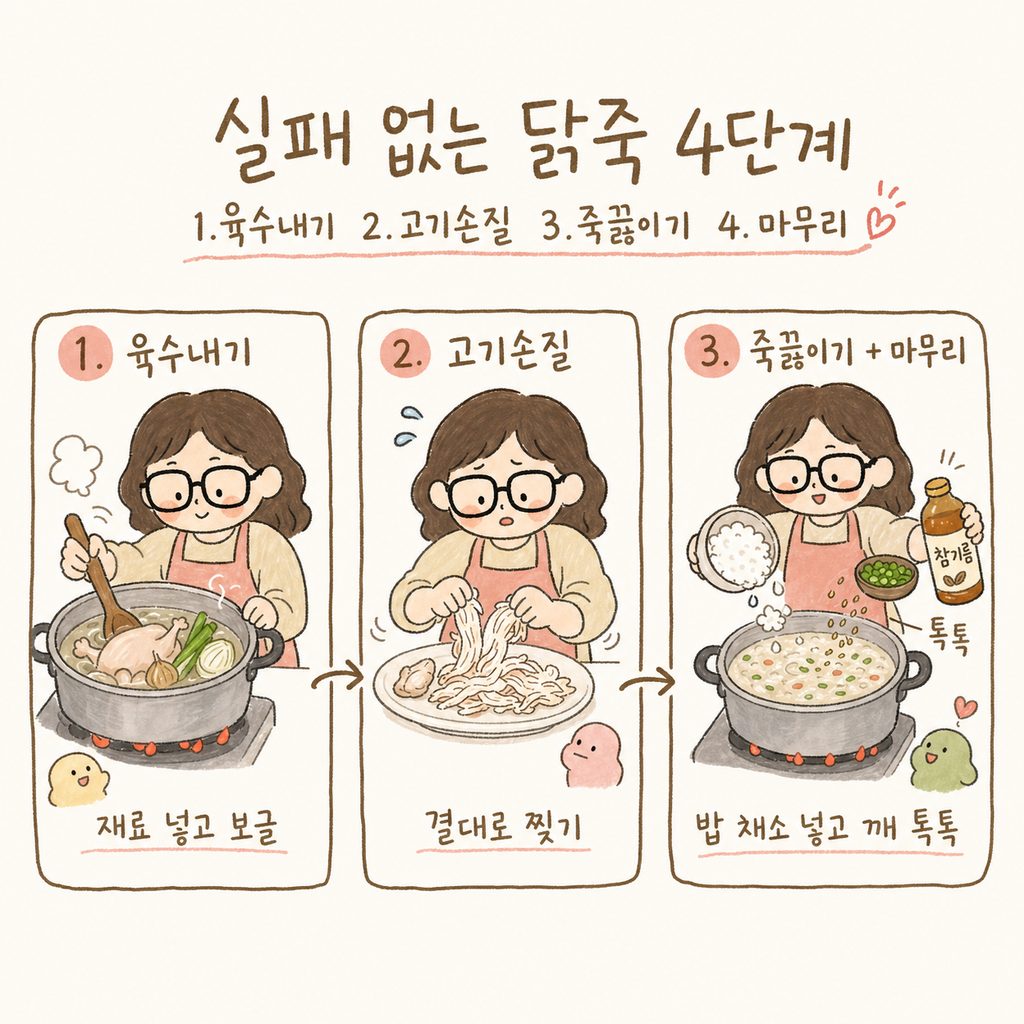
Make the Broth: Place 700–900ml of water, chicken breast, green onion, garlic, and onion in a pot and bring to a boil. Once it starts boiling, reduce to medium heat and simmer for 10–15 minutes to create the broth.
Prepare the Meat: Let the boiled chicken breast cool slightly, then shred it finely along the grain.
Boil the Porridge: Add 1 bowl of rice and 700–800ml of the chicken broth to a pot and boil. When the rice grains begin to soften and spread, add the prepared chopped vegetables and simmer a bit longer.
Finishing Touches: Once the vegetables are cooked, add the shredded chicken and stir over low heat until thick. Finally, season with salt and add sesame oil and sesame seeds to finish.
Storage and Temperature Standards for Safe Consumption
Safe storage is just as important as making the food delicious. Chicken is an ingredient that is particularly sensitive to temperature management.
According to USDA FSIS standards cited by Kormedi, chicken must be cooked thoroughly until the internal temperature reaches 75°C. After cooking, it is safest to place it in the refrigerator within 2 hours.
Follow these guidelines for storage duration:
Refrigeration: Consume within 3–4 days.
Freezing: For longer storage, move it to the freezer. It can be kept for up to 4 months.
How to Identify Spoiled Porridge
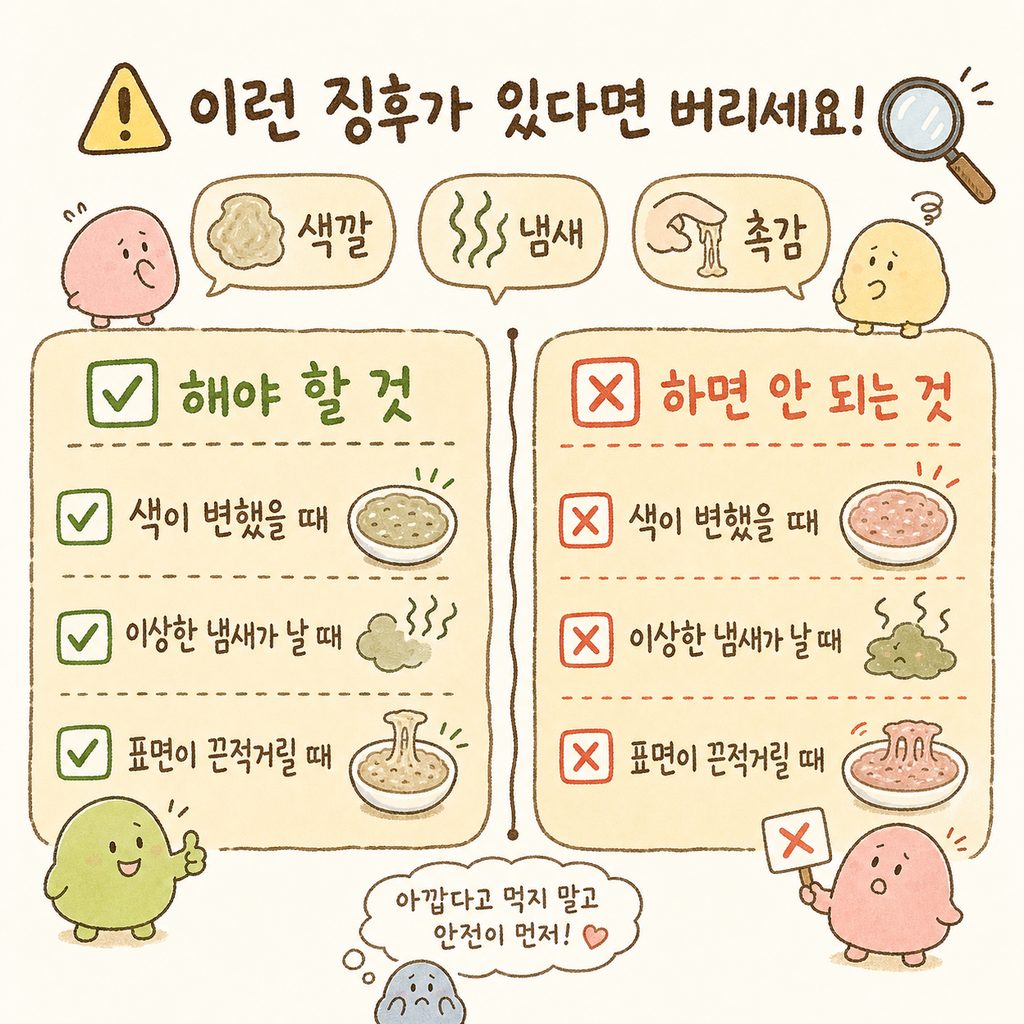
Even if you follow the storage period, the condition can vary daily. Always check for signs of spoilage before eating.
If the porridge has changed color or has an unusual smell, discard it even if it seems wasteful. If the surface feels slimy or sticky to the touch, it is likely spoiled and should not be consumed.
Dietary management is not just about cutting calories; it is a process of providing nutrition in a form that your body can easily accept. Try preparing a stomach-friendly meal using the method shared today.
For those who have very weak digestion or find it difficult to plan a diet alone, you can expect better results by participating in the Baekrok Gambi-jung program. Please let me know how it worked for you during your next consultation.
References