Chicken Breast Diet: Protein Ratios, Shake Recipes & Nutrition

Table of Contents
- Adjusting Intake Methods to Reduce Dryness
- Why Chicken Breast Is Essential for Weight Management
- Calculating Protein Intake and Achieving Nutritional Balance
- Using Complementary Ingredients to Prevent Boredom
- The Difference Between Sustainable and Failing Diets
- Three Chicken Breast Combinations I Recommend
- References
"Doctor, I know chicken breast is good for me, but I simply cannot eat it anymore." In the weight management consultation room, this is one of the most common complaints I hear. Everyone starts out highly motivated. But the distinctive dry, rubbery texture and monotonous flavor quickly wears them down. When I see patients completely abandoning their diet or switching to extreme calorie restriction, it truly saddens me.
Adjusting Intake Methods to Reduce Dryness
Chicken breast consists of white muscle fibers, which lose moisture easily and result in a dry, rubbery texture. Reducing this physical aversion is key to maintaining a diet. Recently, drinking chicken breast as a shake instead of chewing it has been gaining attention. Actress Han So-hee even shared on her vlog that she manages her figure with chicken breast shakes (chicken juice).
Making it into a shake reduces the dryness and allows you to conveniently supplement protein even during busy days. Don't just blend plain chicken breast—try mixing in fruits or vegetables. This way, you capture both flavor and nutrition. My recommended approach in the clinic isn't about gritting your teeth and enduring; it's about transforming the food into a form you can accept and steadily incorporating it into your routine.
Why Chicken Breast Is Essential for Weight Management
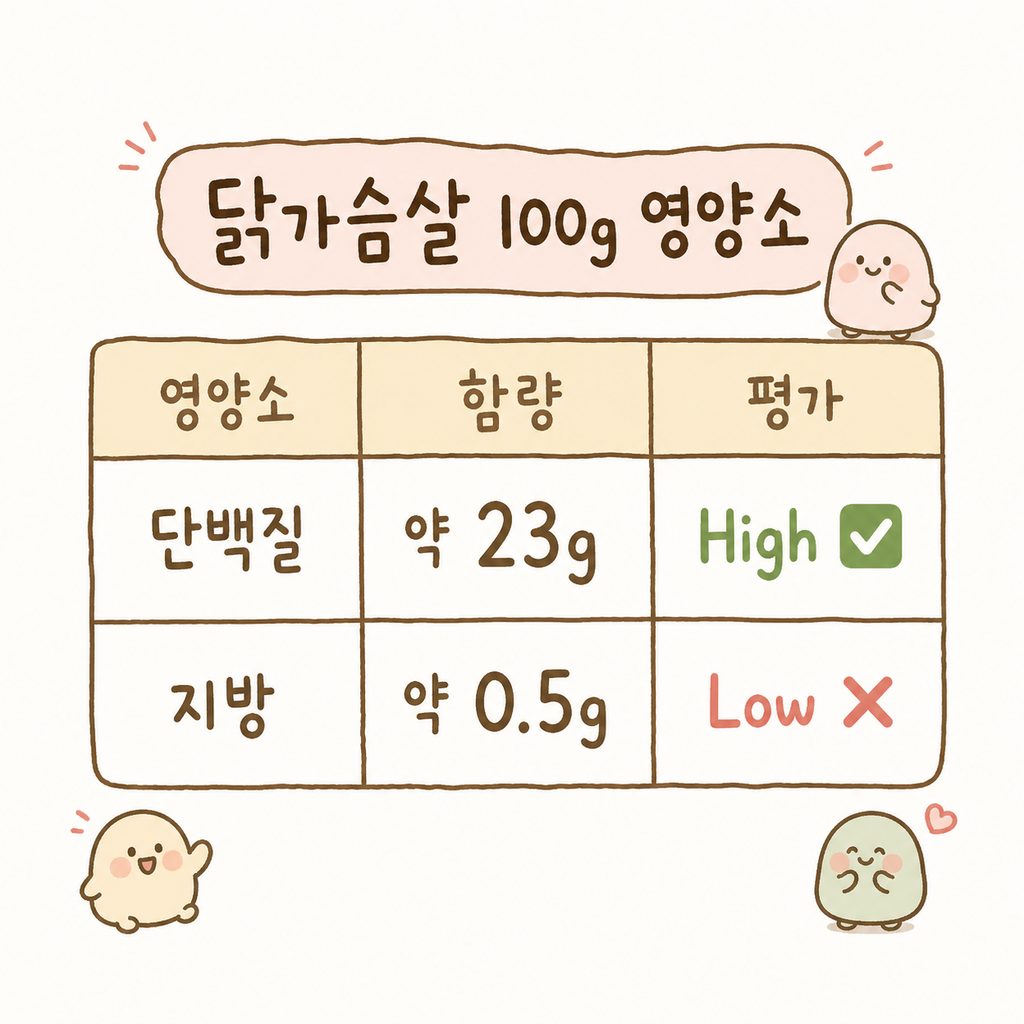
Why specifically chicken breast? Because its nutritional composition is remarkably efficient. A 100g serving of chicken breast contains approximately 23g of protein with only about 0.5g of fat. When losing weight, you need to minimize muscle loss while reducing body fat—chicken breast is the perfect food for this purpose.
There are also many health benefits. Rich in unsaturated fatty acids, it supports brain development and helps prevent hyperlipidemia and vascular diseases. According to data from the Journal of the Korean Society of Food Science and Nutrition, chicken breast has lower cholesterol than leg or wing meat, and contains high levels of retinol, which benefits skin health, and alpha-tocopherol, which has antioxidant effects. From a nutritional standpoint, it's an ingredient with far more value than a simple diet food.
Calculating Protein Intake and Achieving Nutritional Balance
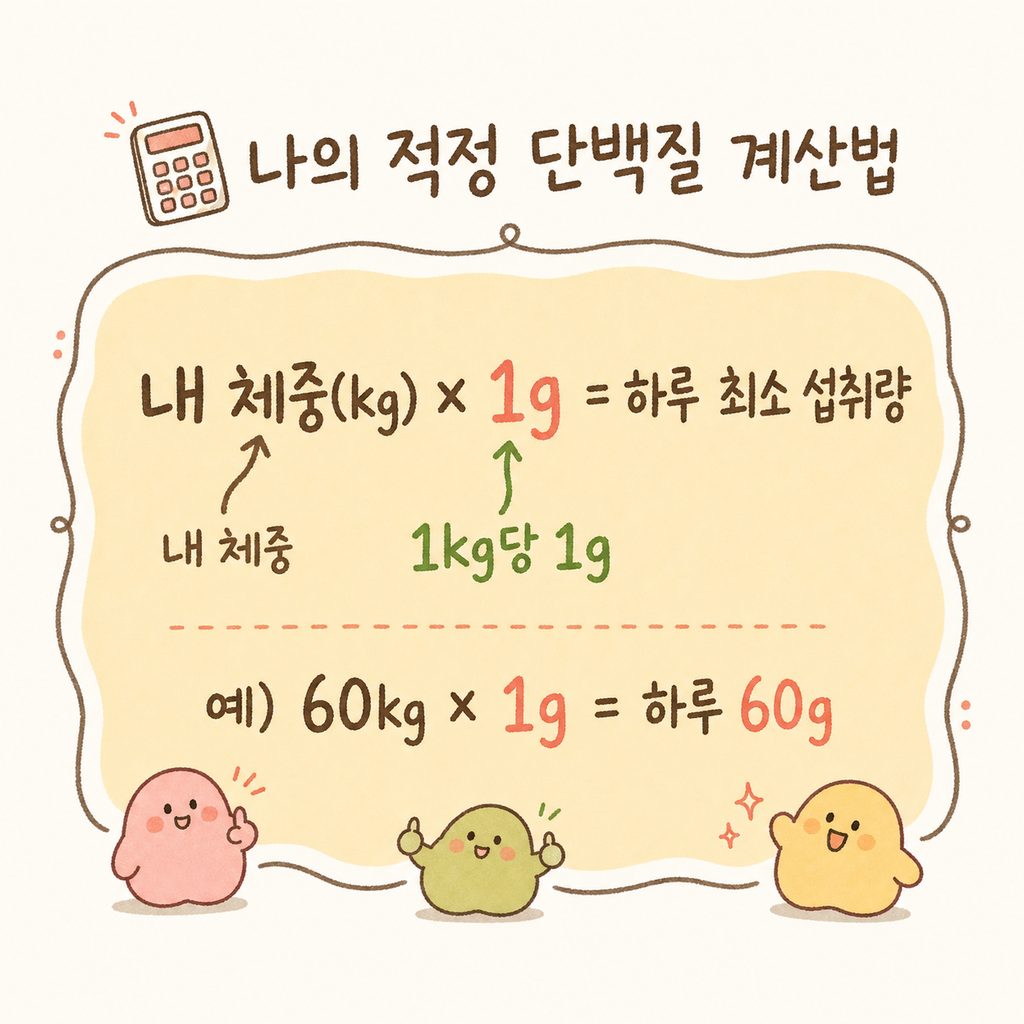
Some people, driven by motivation, go all-in on chicken breast. This is dangerous. Protein intake should be adjusted based on your body weight and activity level. In one systematic review and meta-analysis, increasing protein intake to at least 1g per kg of body weight per day (≥1 g/kg/d) was set as the key indicator. It's important to calculate the appropriate amount your body needs and divide your intake accordingly.
Rather than insisting on protein alone, matching your carbohydrate and fat ratios improves metabolic efficiency. Don't get stuck in the "chicken breast, sweet potato, broccoli" formula. By adding whole grains, nuts, and colorful vegetables, you ensure adequate micronutrient intake, which keeps your body from getting exhausted and maintains your weight loss progress.
Using Complementary Ingredients to Prevent Boredom
The success or failure of a diet depends on "sustainability." If you taste the same thing every day, your brain interprets this as stress and triggers food cravings. In such cases, try using complementary ingredients actively. Singer Kim Jong-kook's chicken breast shake recipe is a great example.
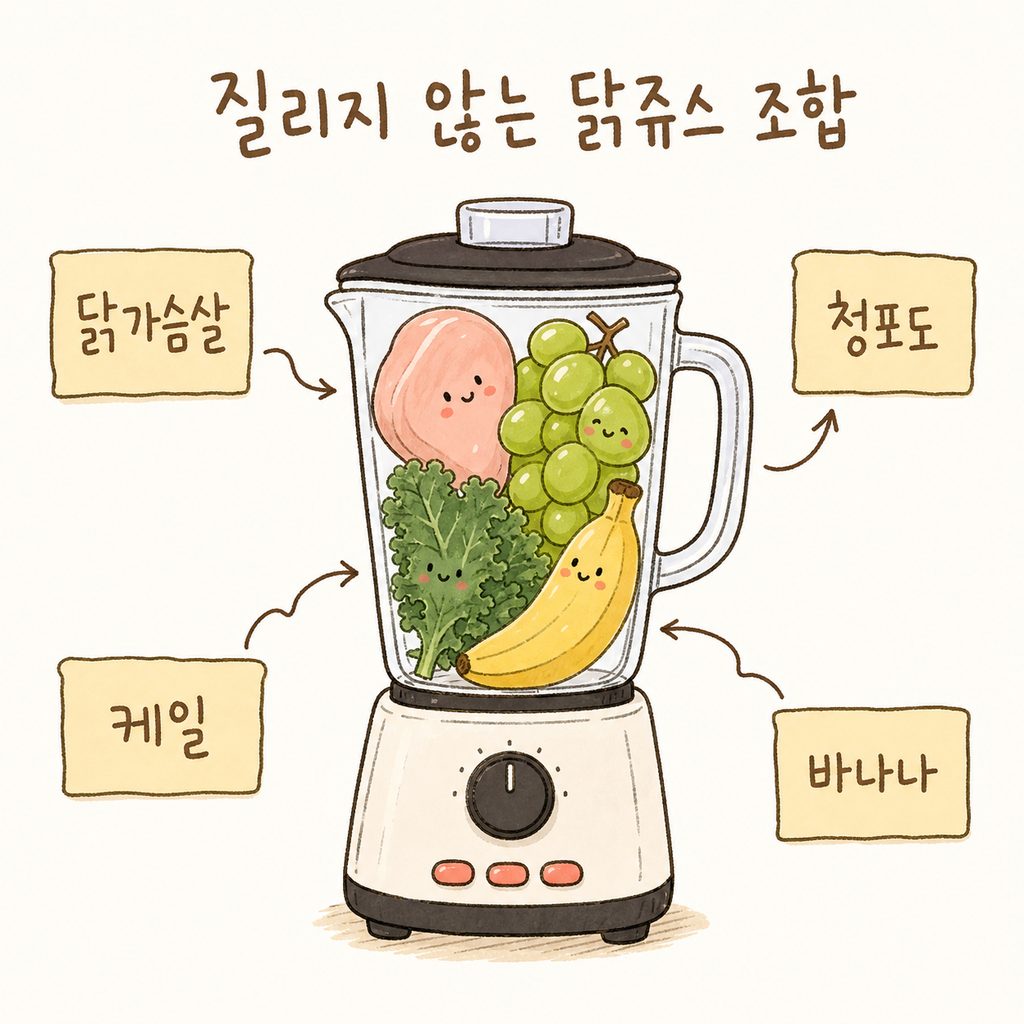
Start with 400g of boiled chicken breast as the base, then blend in 10 green grapes, kale, baby cabbage, 3 tangerines, 1 banana, and 25 almonds. This delivers protein, vitamins, dietary fiber, and healthy fats all at once. The distinctive aroma of chicken breast gets masked by the fruit's sweetness and vegetable flavors, making it much easier to consume.
The Difference Between Sustainable and Failing Diets
Among patients I see in the clinic, there's a clear difference between those who succeed in weight management and those who experience yo-yo dieting.
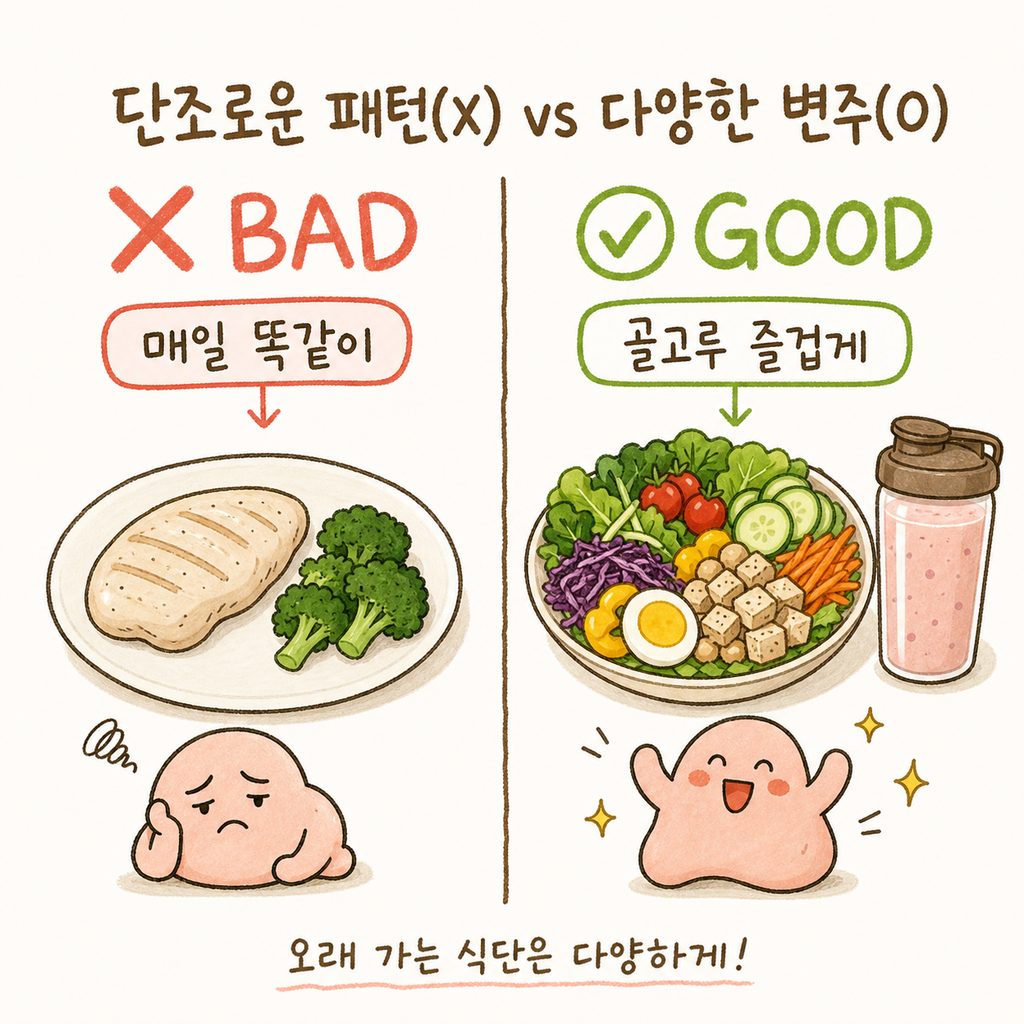
Failing Diets (Monotonous Patterns)
They repeat eating nothing but steamed chicken breast and blanched broccoli every meal.
They pour generously on commercially available sauces with excessive sugar to make it palatable.
They obsess over protein quantity while neglecting vegetables and healthy fats.
Sustainable Diets (Diverse Variations)
They continuously vary how they prepare chicken breast—using it in salads, stir-fries, shakes, and more.
They flavor food healthily using natural spices, olive oil, and lemon juice.
They structure their diet with balanced carbohydrates, protein, and fats.
Three Chicken Breast Combinations I Recommend
So you can try them right away, I've selected combinations that balance nutrition and taste.
1. Classic Balance Salad Bowl Add grilled chicken breast with a small portion of quinoa or brown rice, along with arugula, bell peppers, and avocado. I recommend olive oil and balsamic vinegar for the dressing. This combination keeps you full while preventing blood sugar spikes.
2. High-Nutrition Chicken Breast Energy Shake Blend chicken breast with banana, blueberries, unsweetened almond milk, and a handful of nuts. It's excellent as a breakfast replacement and also provides unsaturated fatty acids that support brain function.
3. Chicken Breast Vegetable Stir-Fry Cut chicken breast into cubes and stir-fry with onions, mushrooms, and asparagus. Season lightly with only salt and pepper, and add a touch of pepperoncino at the end for a spicy kick that makes the dryness less noticeable.
A weight management diet shouldn't be a process of tormenting yourself—it should be a process of making your body healthier. Rather than clinging to chicken breast alone and burning out quickly, you need the patience to find a method that suits your palate and body constitution.
If adjusting your diet alone feels too difficult, or if you're struggling with a plateau, try the Baekrokdam Gambi-jung Program. When body constitution-specific metabolic management is combined with your efforts, you can expect more effective results. Try implementing the methods I've shared today one by one, and let me know at your next visit which combination worked best for you.
References
[1] Protein intake and its effect on sleep outcomes: a systematic review and meta-analysis of randomized controlled trials. (Nutrition reviews, 2023) — https://pubmed.ncbi.nlm.nih.gov/36083207/
References