
Denmark Diet: Low Calories, Water Loss, and Yo-Yo Risks

Table of Contents
When facing an important event and needing to lose weight quickly, many people seek out extreme diets. In particular, we see quite a few patients in our clinic who are considering the Denmark Diet after hearing that it leads to rapid weight loss.

What is the Denmark Diet?
It is typically a very low-calorie, low-carbohydrate diet followed for 13 to 14 days (about two weeks). Its main characteristic is a very low daily intake of approximately 600–800 kcal, or 600–900 kcal in modified versions.

The menu consists strictly of boiled eggs, grapefruit, lean meat (beef/chicken), white fish, spinach, tomatoes, black coffee, and a small amount of toast. Carbohydrates and processed foods—such as sugar, salt, potatoes, fruits other than grapefruit, pasta, and cereal—are strictly forbidden. Cooking methods are also limited to grilling or boiling with almost no oil, and food must be consumed without salt.
Rapid Weight Loss: Is It Really Fat Loss?
Everyone loves seeing the numbers on the scale drop quickly within a few days. However, there is something important to note here. As seen in resources like Kormedi, a significant portion of weight lost so quickly is actually water.
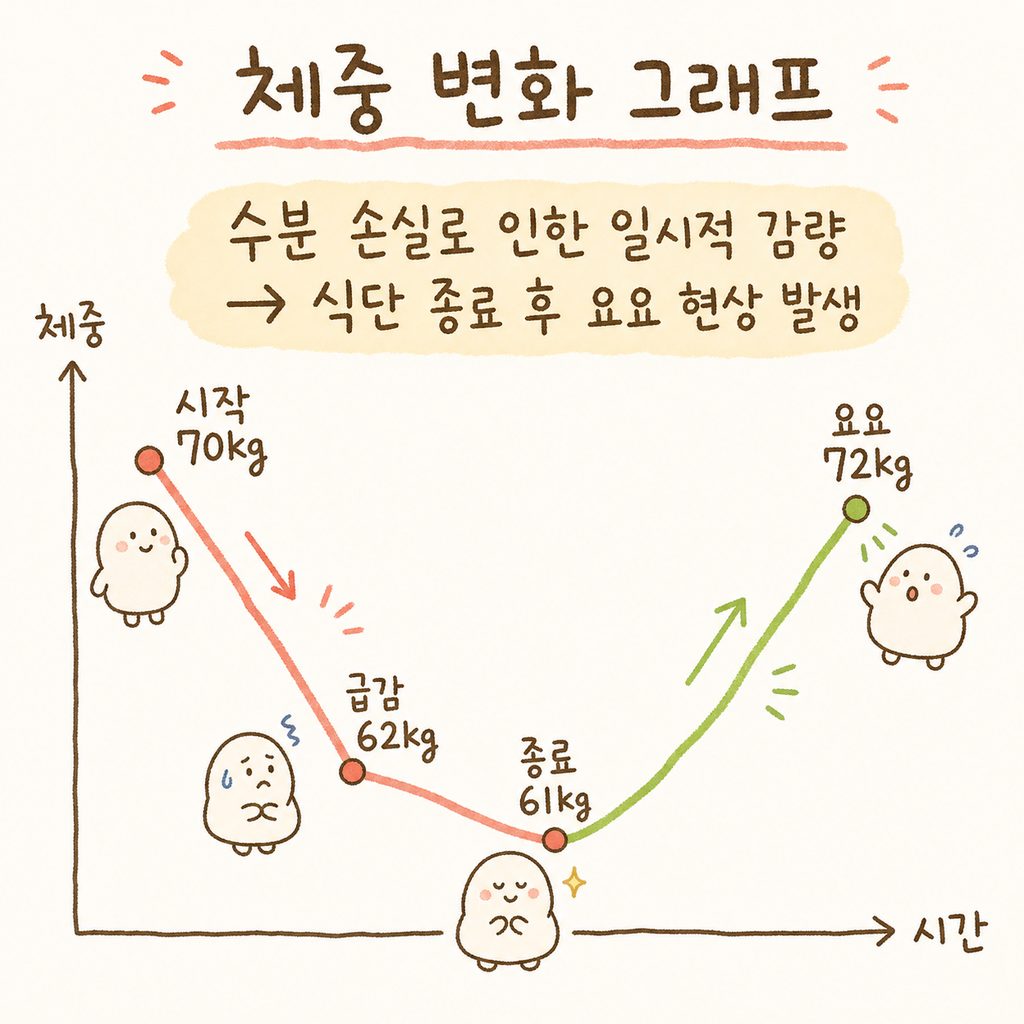
As the body uses up stored carbohydrates (glycogen), the water attached to them is also released. This makes it easy to become dehydrated, and because it is literally just water loss, a yo-yo effect occurs where the weight returns quickly once the diet stops. There are claims that "the body's constitution changes to accept fewer carbohydrates," but there is little evidence to support this.
Strict Rules and Potential Risks
This diet is notorious for its exceptionally rigid rules. If you deviate from the plan for even a single meal, you are supposed to start over from the beginning. Furthermore, it is said that if you fail once, you should wait at least 3 months before trying again.

There is a reason why the medical community and official institutions do not recommend this method. It causes significant nutritional imbalances and puts a strain on your health. It should only be considered by healthy individuals for very short-term weight reduction; prolonged adherence can damage the body.
Very Low-Calorie Diets from a Korean Medicine Perspective
In Korean medicine, we prioritize the balance of the body and the flow of Qi and Blood above all else. When daily intake is suddenly dropped to 600–900 kcal, the body perceives this as a "crisis situation." It then attempts to save energy by lowering its own metabolism.
Once the basal metabolic rate drops, the body becomes prone to gaining weight even when eating very little later on. Extreme restrictive diets also exhaust the mind and drain energy. The dizziness and lethargy that patients often complain of during such diets usually stem from this imbalance.
How to Practice More Safely
If you still wish to use the structure of this diet as a reference, I recommend adapting it to your physical condition rather than following it strictly.
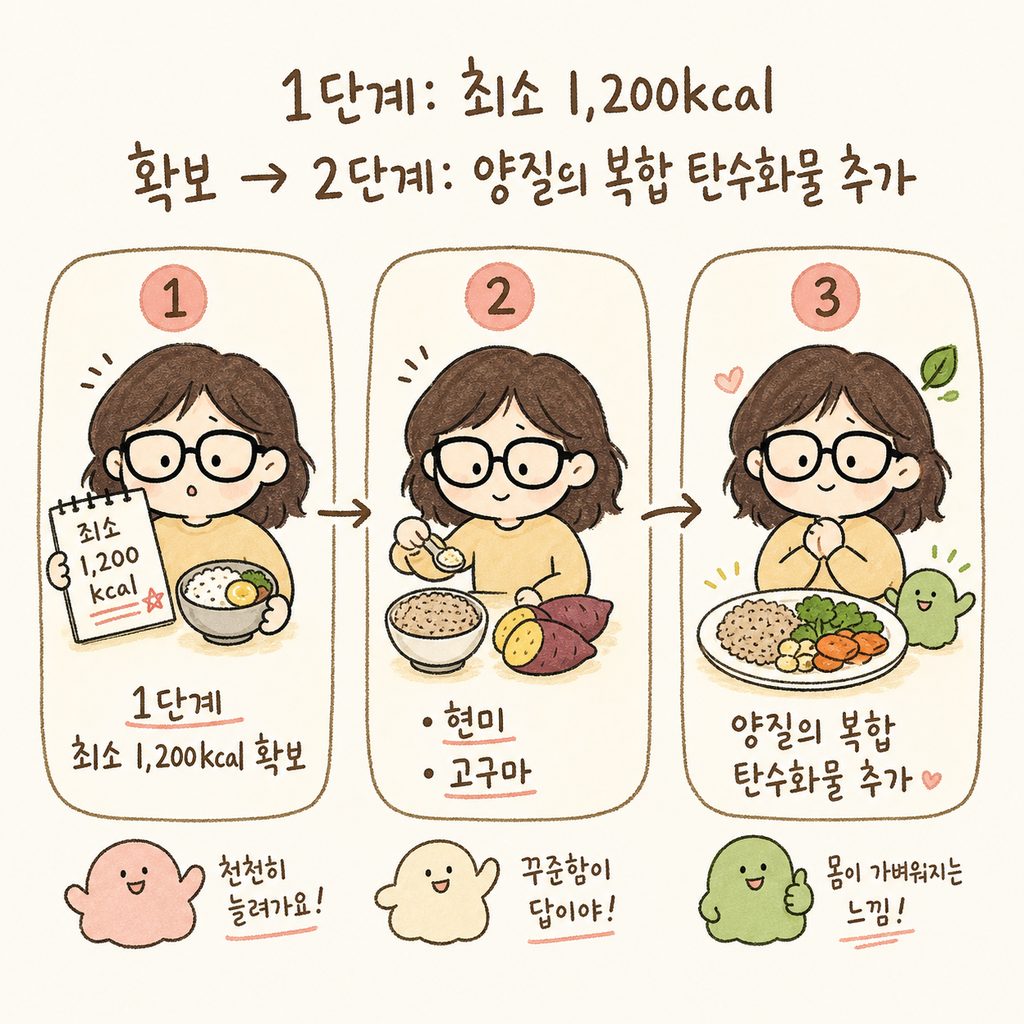
First, increase your intake to at least 1,200 kcal. It is much safer to include high-quality complex carbohydrates like brown rice or sweet potatoes. It is also important to consume a moderate amount of salt rather than cutting it out entirely to prevent electrolyte imbalances. Most importantly, understand your own constitution and metabolism first, and try to increase protein and vegetable intake within a reasonable range.
Choices for Sustainable Weight Management
If you focus only on short-term numerical changes, it is easy to miss out on the health you actually need to protect. What matters in a diet is not "how fast you lose it," but "how you maintain it." Extreme methods that the body cannot sustain will inevitably lead to a rebound.

You can reach your goals much more comfortably by combining a diet with treatments that regulate metabolism according to your constitution. By participating in a program like Baekrok Gambi-jung, you can see better results without excessive fasting. Feel free to try a diet and let us know during your consultation how your body has changed.
References